
Artemis II returned 800 GB of images, audio, and notes. See how human observation and robotic maps work together to study the Moon.
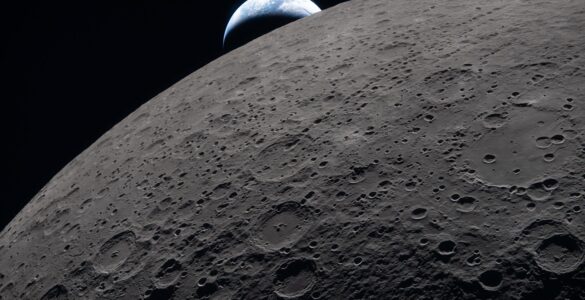
Artemis II returned 800 GB of images, audio, and notes. See how human observation and robotic maps work together to study the Moon.
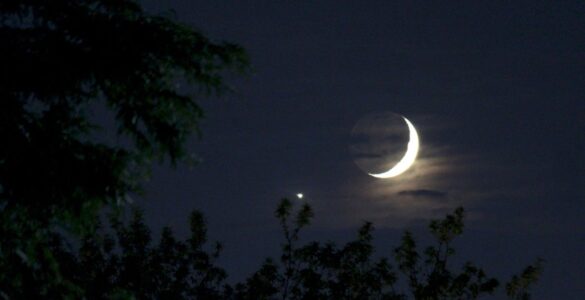
A lunar occultation happens when the Moon hides a planet or star. See why the event is local, brief, and scientifically useful.
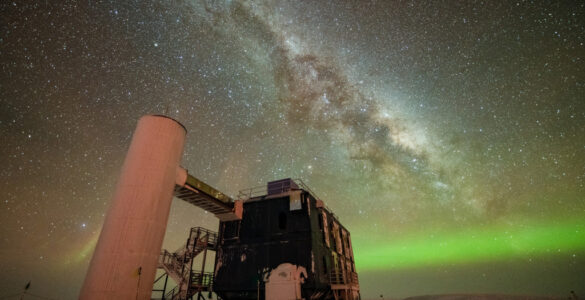
IceCube turns a cubic kilometre of Antarctic ice into a telescope for ghostly cosmic neutrinos. See how faint blue flashes reveal their paths.
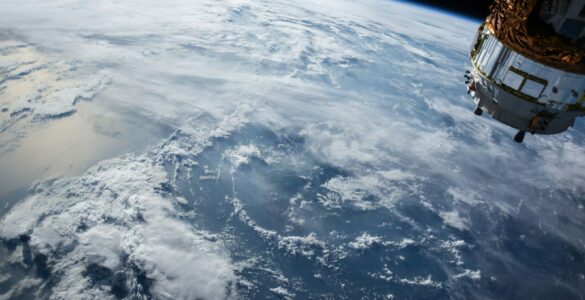
Satellites dodge tracked debris with early orbit changes. See how collision forecasts work and why prevention still matters.
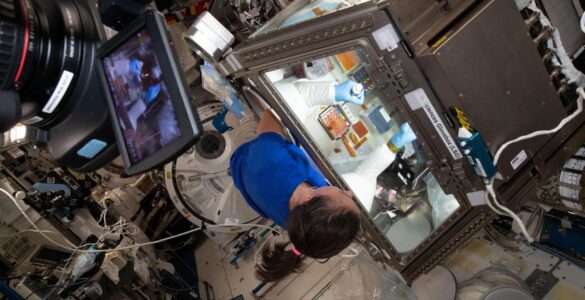
Astronauts float because they and their spacecraft fall around Earth together. See how orbit creates microgravity while gravity remains strong.
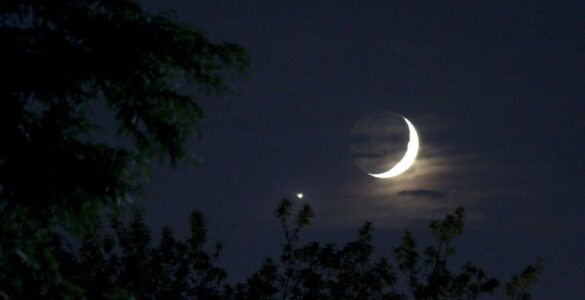
Venus can look brightest while crescent-shaped. Its distance, phase, apparent size, and reflective clouds explain the paradox.
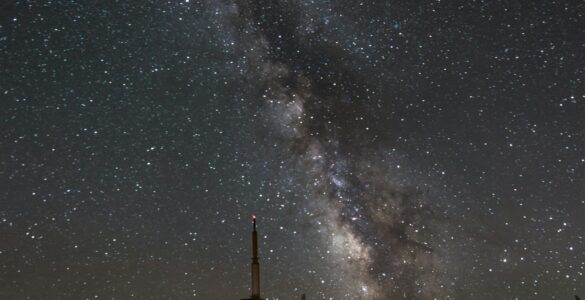
Redshift helps astronomers read stretched light from distant galaxies and connect it to the expansion of the universe.
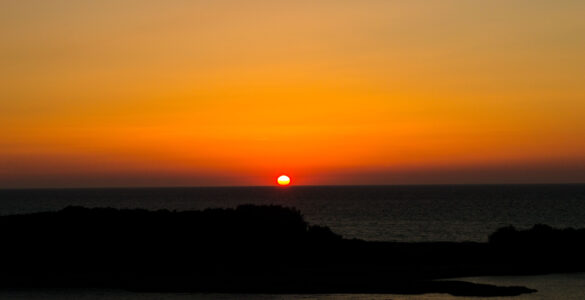
Daylight changes fastest near the equinox because Earth’s tilt makes the Sun’s daily path shift most quickly across the sky.
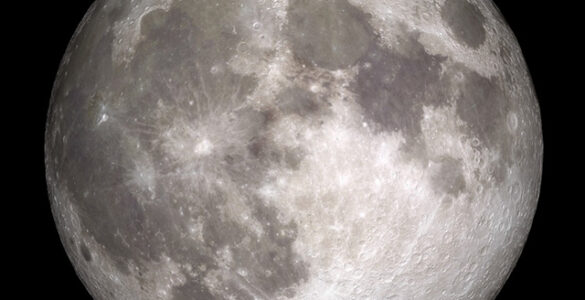
Moon craters preserve impact scars that reveal how collisions, lava, shadows, and time shaped the lunar surface.
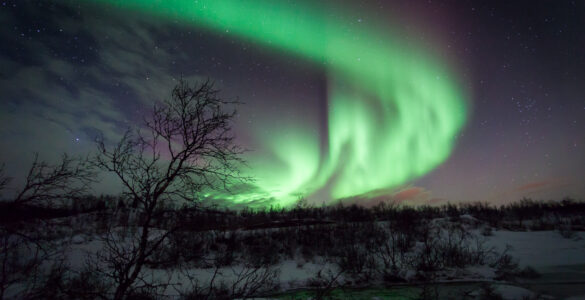
Auroras often become more likely near the equinoxes because Earth’s magnetic geometry can help the solar wind connect more efficiently.
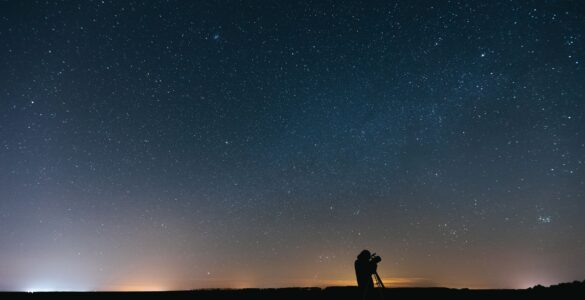
Neptune reaches opposition in September 2026, but distance, dimness, and tiny apparent size still make it a telescope challenge.
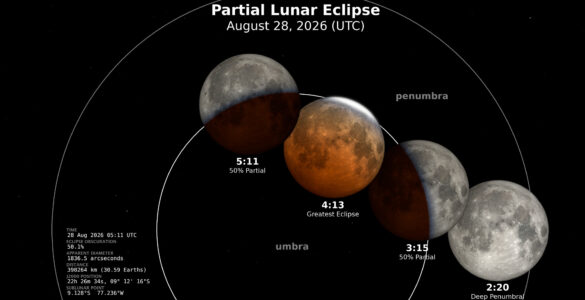
Lunar eclipses turn the Moon red when Earth's atmosphere bends and filters sunlight into the planet's shadow.
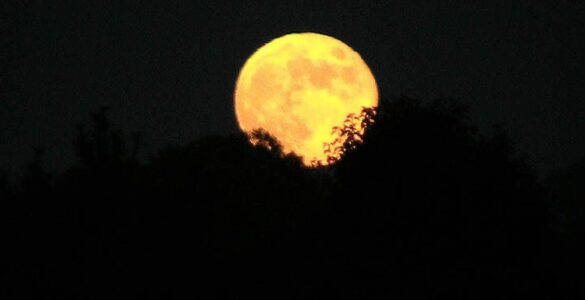
The Harvest Moon is special because autumn sky geometry makes moonrise times bunch together near sunset for several nights.
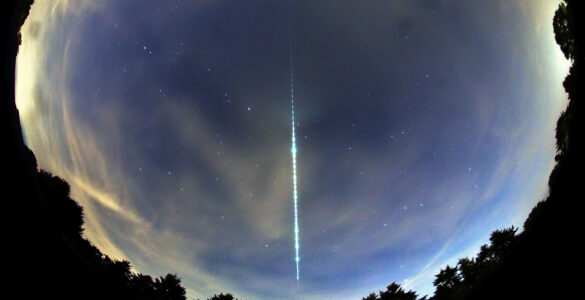
Meteors glow when fast space debris heats and ionizes air high in the atmosphere, creating the streaks we call shooting stars.
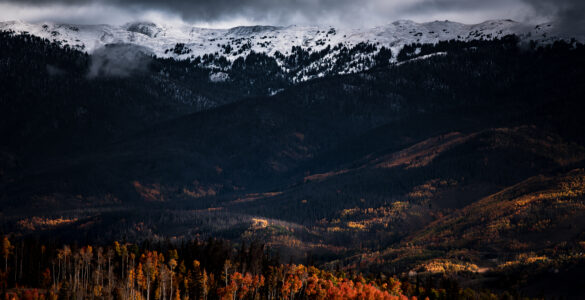
The equinox balances Earth’s hemispheres, but sunrise rules, refraction, and latitude keep daylight from being exactly 12 hours.


Copyright © 2026 Novo Learner
 Akshay Dinesh