
Find the best time, direction, and viewing strategy for the 2026 Orionids, when a bright Moon will hide many fainter meteors.
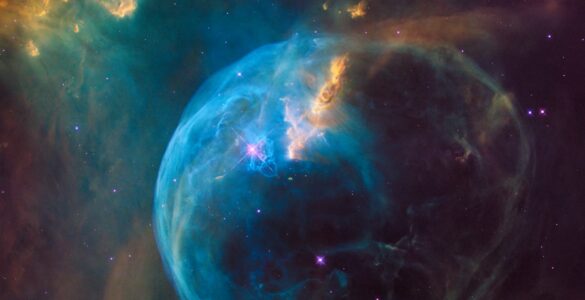
Find the best time, direction, and viewing strategy for the 2026 Orionids, when a bright Moon will hide many fainter meteors.
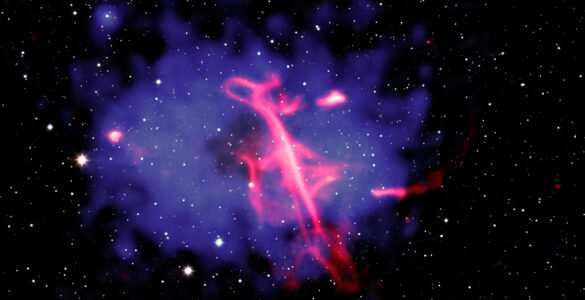
A black hole outburst faded, then a galaxy-cluster collision brought its radio glow back. See how astronomers reconstructed the Treble Clef.
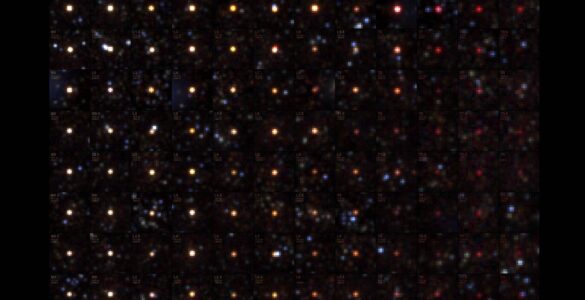
See how SPHEREx reads brown dwarf atmospheres, why clouds challenge current models, and what these objects teach us about giant exoplanets.
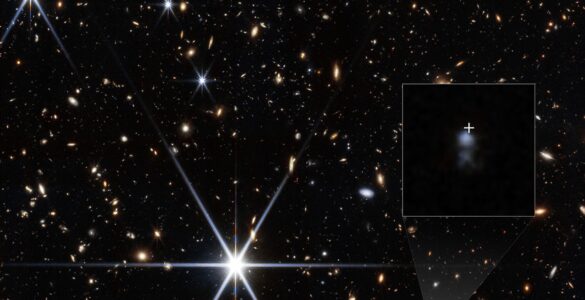
Webb traced the farthest known fast radio burst to a tiny young galaxy, strengthening the magnetar case and mapping matter along the way.
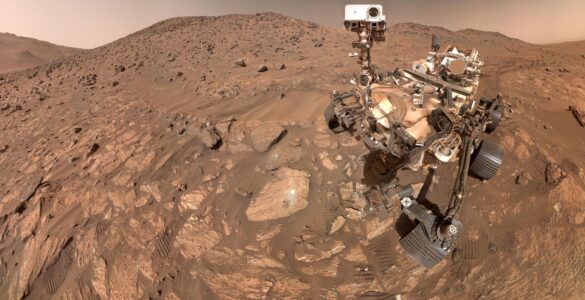
Perseverance passed Opportunity's Mars driving record. See how cameras, onboard maps, and self-driving software let it travel farther.
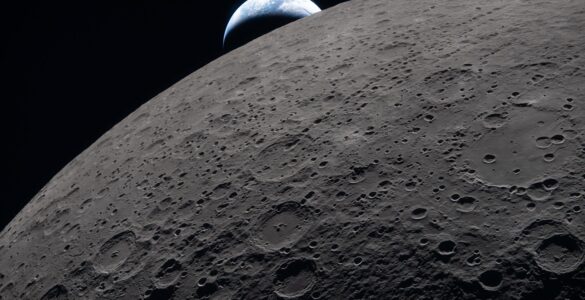
Artemis II returned 800 GB of images, audio, and notes. See how human observation and robotic maps work together to study the Moon.
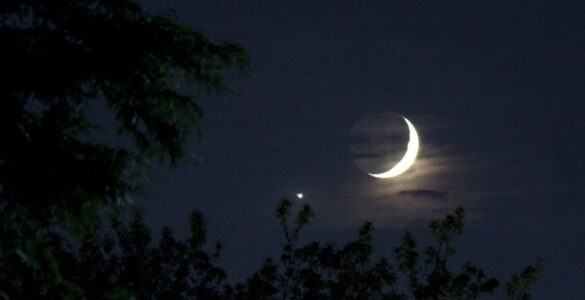
A lunar occultation happens when the Moon hides a planet or star. See why the event is local, brief, and scientifically useful.
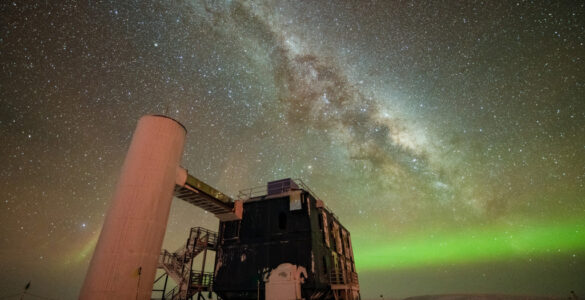
IceCube turns a cubic kilometre of Antarctic ice into a telescope for ghostly cosmic neutrinos. See how faint blue flashes reveal their paths.
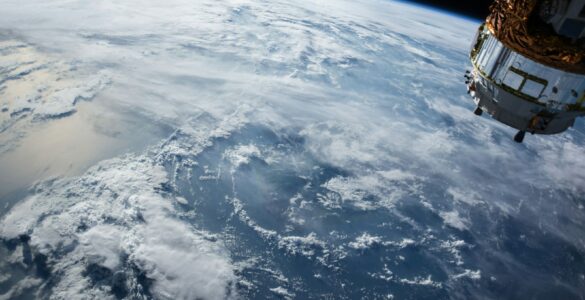
Satellites dodge tracked debris with early orbit changes. See how collision forecasts work and why prevention still matters.
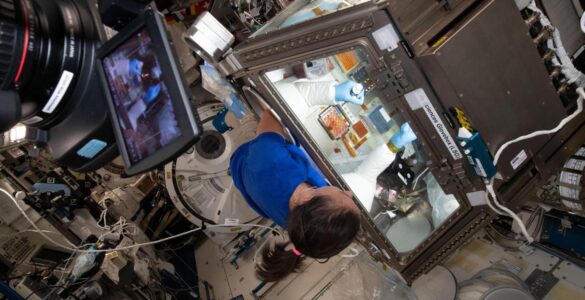
Astronauts float because they and their spacecraft fall around Earth together. See how orbit creates microgravity while gravity remains strong.
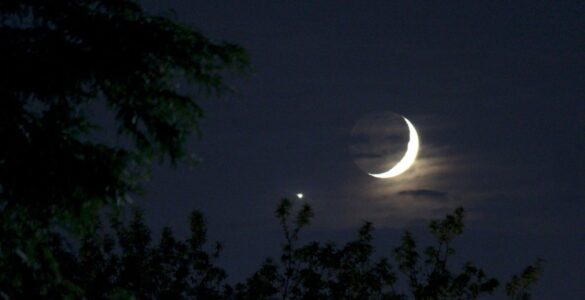
Venus can look brightest while crescent-shaped. Its distance, phase, apparent size, and reflective clouds explain the paradox.
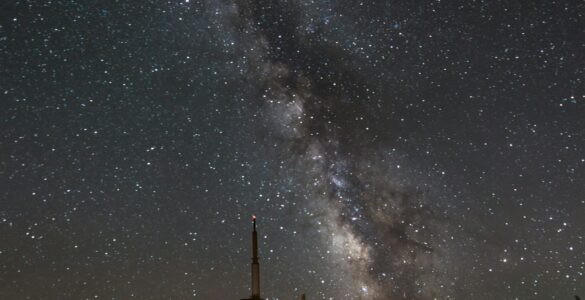
Redshift helps astronomers read stretched light from distant galaxies and connect it to the expansion of the universe.
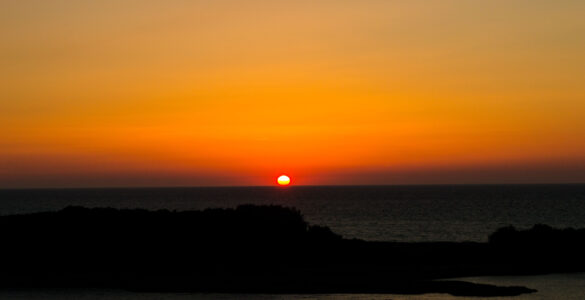
Daylight changes fastest near the equinox because Earth’s tilt makes the Sun’s daily path shift most quickly across the sky.
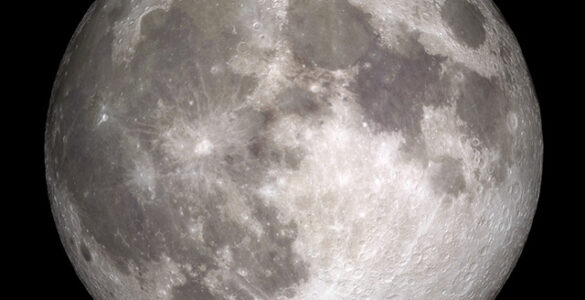
Moon craters preserve impact scars that reveal how collisions, lava, shadows, and time shaped the lunar surface.
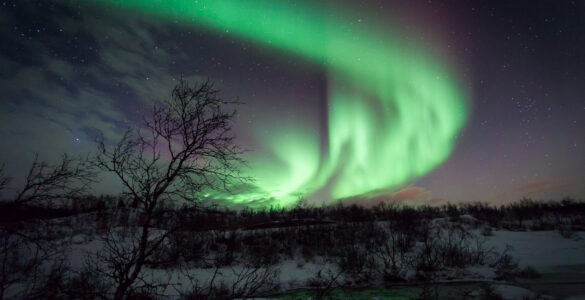
Auroras often become more likely near the equinoxes because Earth’s magnetic geometry can help the solar wind connect more efficiently.


Copyright © 2026 Novo Learner
 Akshay Dinesh