 Akshay Dinesh
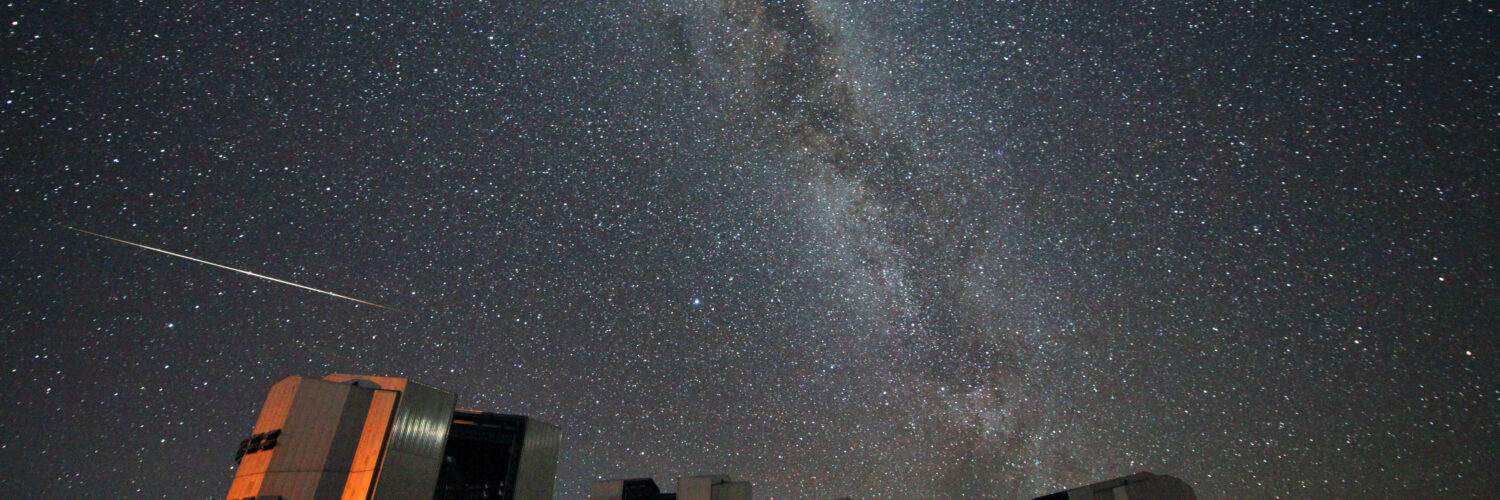
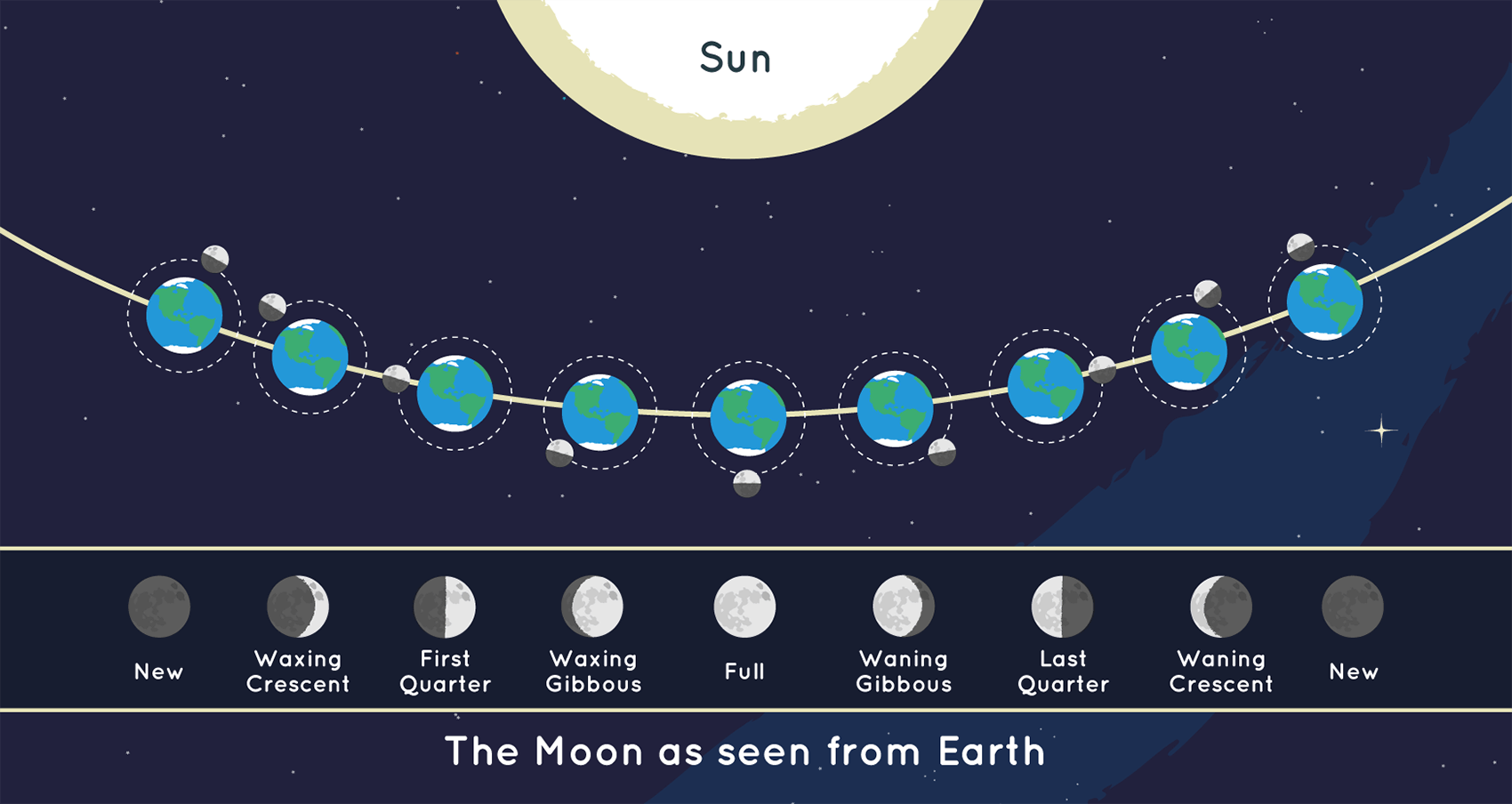
The Perseid meteor shower returns every summer, but some years are far better for watching than others. In 2026, the timing is unusually favorable: the Perseids are expected to peak on the night of Aug. 12-13, when the Moon is essentially new and out of the way. That matters because meteor watching is a battle for darkness. A bright Moon can wash out the faint streaks that make a shower feel active, while a dark sky lets more of the smaller, softer meteors show up.
That does not mean every backyard will suddenly produce a sky full of sparks. Clouds, haze, city lights, local horizon lines, and patience still matter. But compared with a Perseid year spoiled by moonlight, 2026 gives observers a better starting hand. The shower also arrives during warm northern summer nights, which is one reason the Perseids have become the meteor shower many people remember first.
Why Moonlight Changes the Whole Experience
Meteors are brief flashes caused by tiny bits of space debris burning high in Earth’s atmosphere. Many are no larger than grains of sand or small pebbles, so their light is quick and delicate. When the Moon is bright, the sky background becomes brighter too, and the faintest meteors disappear from view. The result can feel disappointing even if the shower itself is active.
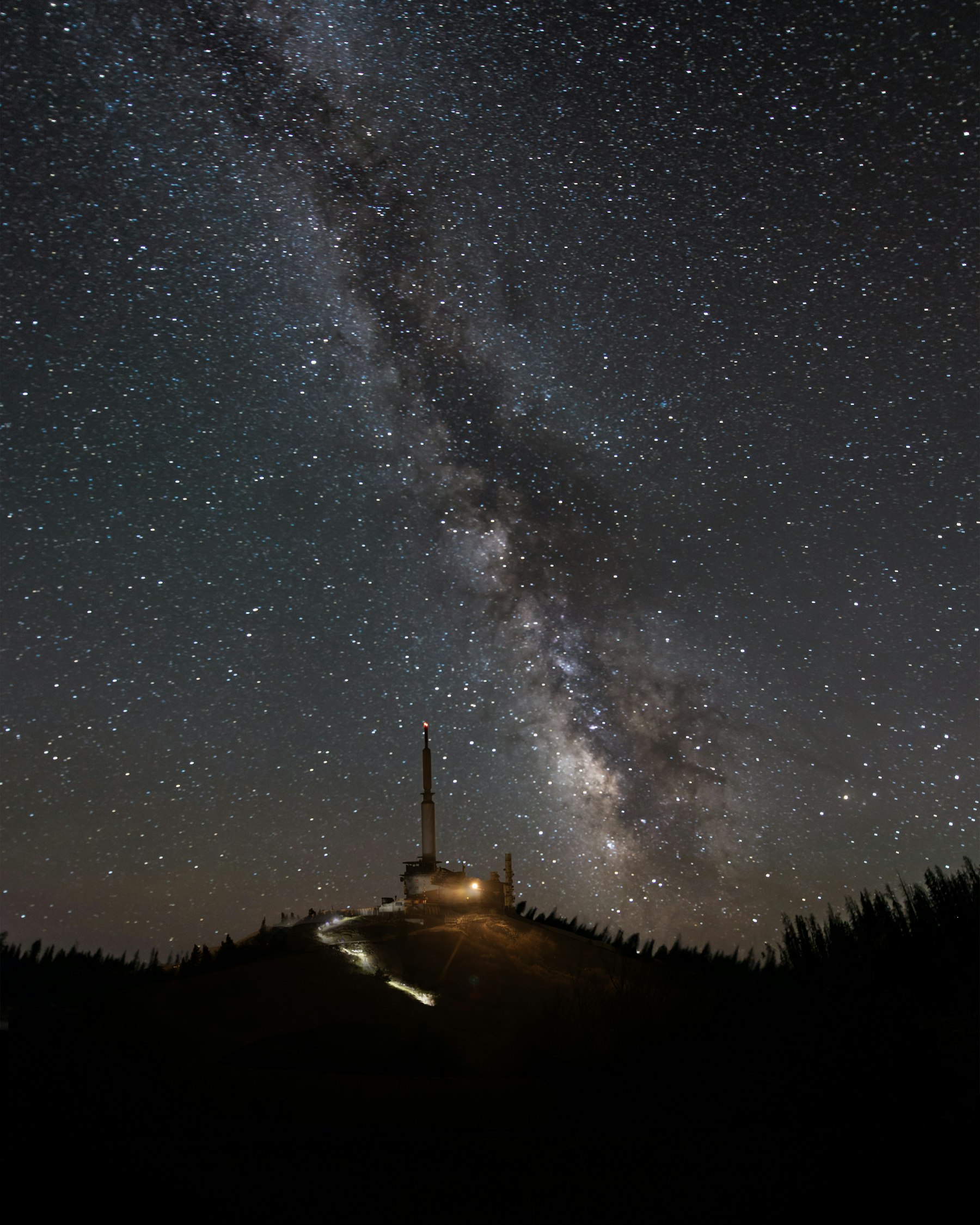
The American Meteor Society lists the 2026 Perseid peak for Aug. 12-13 with the Moon at 0 percent full. That is the detail that makes the year stand out. With little or no moonlight during the peak night, the limiting factor shifts away from the Moon and toward the observer’s own surroundings. A rural field, a dark beach, a mountain overlook, or even a suburban park shielded from direct lights can make a visible difference.
Darkness also gives the eyes time to do their best work. Human night vision improves gradually after bright screens, headlights, and indoor lighting are removed. A meteor that would be invisible after five minutes outside may become easy to catch after twenty minutes of dark adaptation. For the Perseids, the simplest equipment is usually the best: a reclining chair or blanket, a wide view of the sky, and enough time to stop looking for one exact spot.
What the Perseids Actually Are
The Perseids happen when Earth crosses a stream of debris left by Comet 109P/Swift-Tuttle. Each year, Earth reaches the same part of its orbit and plows through that dusty trail. The pieces enter the atmosphere at high speed, heat the air around them, and produce the bright streaks people casually call shooting stars. They are not stars at all, and they are usually not large rocks falling to the ground.
NASA describes the Perseids as one of the year’s most popular meteor showers because they are swift, bright, and often leave glowing wakes of light or color. The American Meteor Society gives the shower a zenithal hourly rate near 100 under ideal conditions, with meteors entering at about 59 kilometers per second, or roughly 37 miles per second. Those numbers explain why the Perseids can feel lively when the sky is dark, but they also need careful reading.
A zenithal hourly rate is not a promise that every viewer will count 100 meteors in an hour. It is a standardized estimate for excellent conditions: a dark sky, the radiant high overhead, clear weather, and an observer with a wide open view. Real viewing from a neighborhood, campsite, or school field will often produce fewer. The number is still useful because it tells us the Perseids are one of the stronger annual showers, not a minor display that needs perfect luck to be noticed.
Why the Radiant Matters, But Not Too Much
Perseid meteors appear to radiate from the direction of the constellation Perseus. That point is called the radiant. If the radiant is low near the horizon, many meteors are hidden below the horizon or appear shorter because they are traveling toward the observer’s line of sight. As the radiant climbs higher later in the night, more of the stream becomes visible across the sky.
For many Northern Hemisphere observers, that means the late-night and predawn hours are usually better than early evening. Timeanddate lists the 2026 Perseids as active from July 17 to Aug. 24, with the peak around Aug. 12-13. On peak night, someone who watches after midnight has a better chance than someone who steps outside briefly after dinner, even though a few early meteors can still appear.
The radiant is useful for understanding where the shower comes from, but staring directly at Perseus is not the best strategy. Meteors can streak across a large part of the sky, and some of the longest ones appear away from the radiant. A wide, relaxed view works better than telescope-like concentration. Binoculars and telescopes are usually the wrong tools because they narrow the field of view and make it easier to miss the sudden streaks.
How to Read the Peak Without Getting Misled
Meteor shower dates can be confusing because a shower is active for weeks but peaks over a much shorter window. The Perseids build gradually through late July and early August, then usually rise sharply near peak before fading. In 2026, the best general target is the night of Aug. 12 into the morning of Aug. 13, especially the hours after midnight. The nights just before and after can still be worthwhile if the weather forecast is better.
There is also a difference between astronomical timing and practical timing. A predicted peak may be given in Universal Time, but a viewer experiences the shower from a local place with local darkness, weather, and radiant height. A mathematically perfect peak during daylight is not helpful for that location. That is why a flexible plan often beats a single rigid hour: choose a dark place, watch for at least 30 to 60 minutes, and give yourself a backup night if clouds roll in.
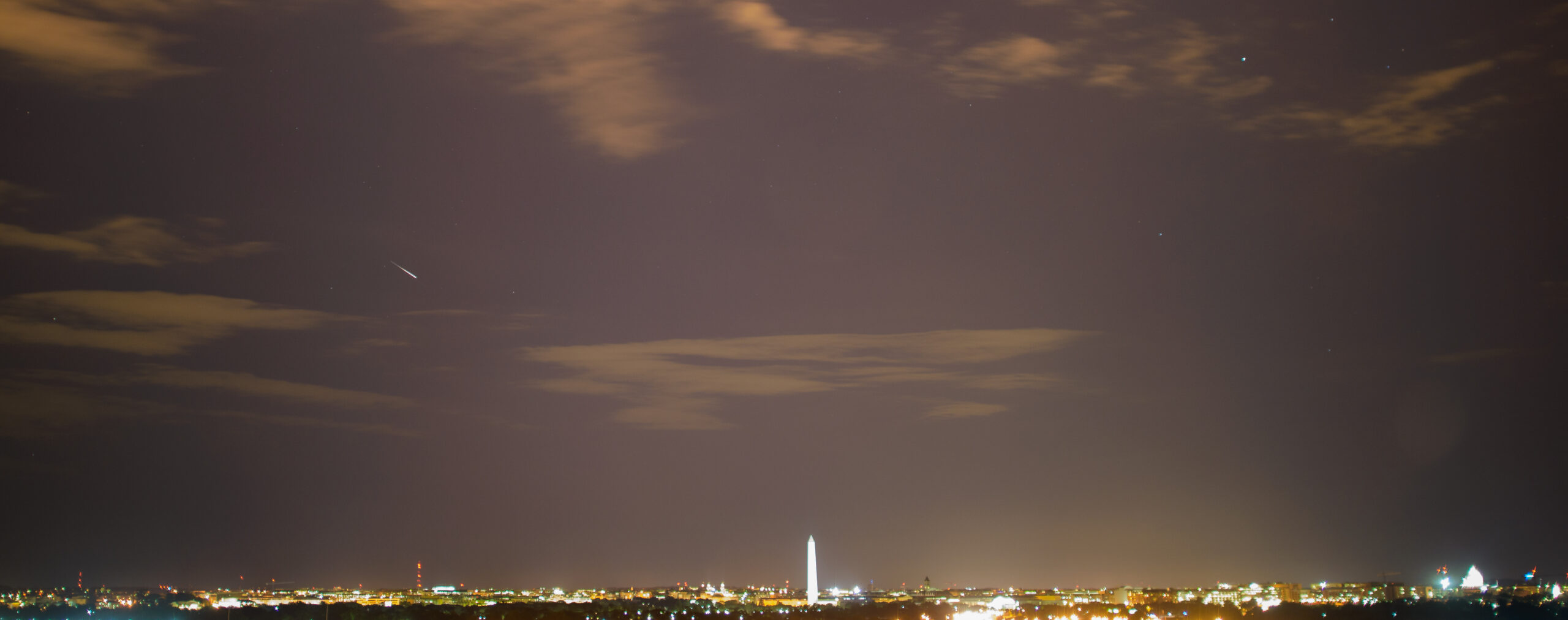
Light pollution is often the biggest avoidable obstacle. A sky with visible city glow may still show the brightest meteors, but it can erase many faint ones. Porch lights, car headlights, phone screens, and nearby sports fields can have the same effect on a smaller scale. The improvement from moving even a short distance away from direct glare can be more noticeable than people expect.
Why 2026 Is a Good Teaching Moment
The 2026 Perseids are not only a sky event. They are a clean example of how astronomy combines predictable motion with local conditions. Earth’s orbit brings the planet through the Swift-Tuttle debris stream every year. The Moon’s phase changes how dark the sky is. The radiant’s height changes through the night. Weather and artificial light decide whether the theoretical opportunity becomes a real view.
That mix makes the shower a useful lesson in evidence and expectations. A forecast can say a meteor shower is strong, but the observer still has to ask what the number assumes. Is the Moon bright or dark? Is the radiant high? Is the location rural or urban? Is the sky clear enough? The difference between a disappointing watch and a memorable one often comes from those ordinary details rather than from the shower disappearing.
It also helps explain why meteor showers feel different from eclipses or planetary conjunctions. A solar eclipse has a precise path and a dramatic central moment. A meteor shower is more like listening for scattered notes in a dark room. Some minutes are quiet. Then two bright meteors arrive almost together, and the patience suddenly feels justified.
What to Expect If You Watch
A good Perseid watch begins before the first meteor. Pick a place with as much open sky as possible, away from trees, buildings, and direct lights. Let your eyes adjust, keep the phone dim or put it away, and settle in long enough for random timing to even out. Meteor watching rewards the person who stays outside after the first quiet stretch.
The best views are usually naked-eye views. Look generally toward the darker and more open part of the sky, not at one tiny target. If you are in the Northern Hemisphere, the Perseid radiant rises in the northeast, but the meteors can appear far from that point. A safe, comfortable setup matters because neck strain, cold ground, insects, and fatigue can end the session before the sky has a fair chance.
Even in a favorable year, the honest expectation is not a constant storm of light. It is a sequence of waiting, noticing, and occasionally being surprised. In 2026, the new moon removes one of the biggest natural barriers to seeing that sequence clearly. If the weather cooperates and the sky is dark, the Perseids should offer one of the better naked-eye astronomy opportunities of the year.