
 Akshay Dinesh
The phrase dog days of summer sounds as if it must have started with pets sprawled on cool floors, too hot to move. That image fits the season, but it is not where the phrase began. The “dog” in the dog days is Sirius, the brilliant star in Canis Major, the Greater Dog. For ancient skywatchers around the Mediterranean, Sirius appeared near the Sun during the hottest stretch of the year, and that timing gave summer heat a memorable name.
The “dog” is a star, not a pet
Sirius is often called the Dog Star because it sits in the constellation Canis Major. NASA describes Sirius A as the brightest star in the nighttime sky, and its brightness makes it hard to miss during the months when it is visible after dark. In winter evenings in the Northern Hemisphere, it shines below and to the left of Orion’s Belt, flashing white and sometimes blue or red near the horizon because Earth’s atmosphere bends and scatters its light.
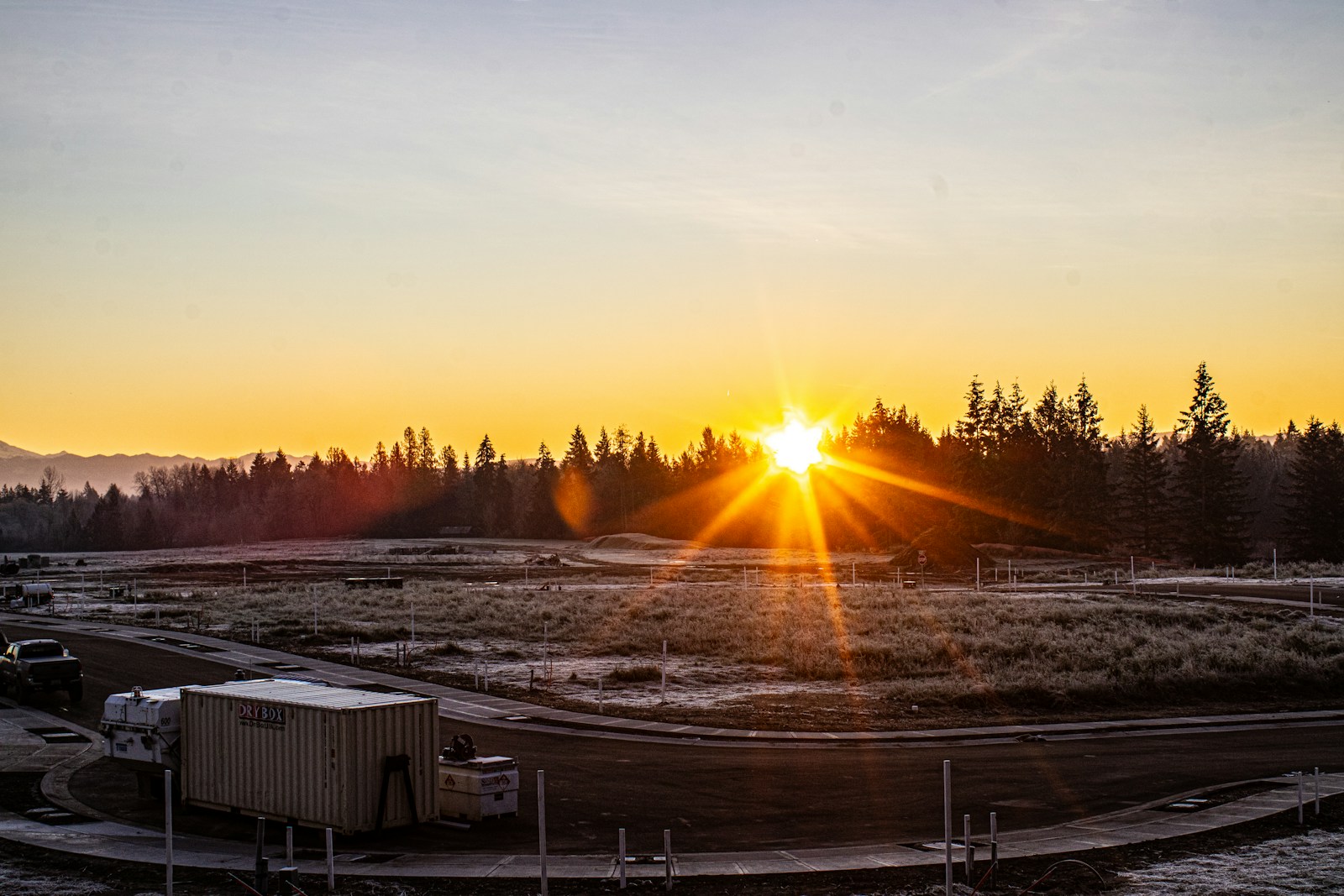
That winter view is familiar to modern stargazers, but the old phrase depends on a different moment in the star’s yearly cycle. Stars appear to rise earlier each night as Earth moves around the Sun. Eventually a bright star that had been hidden in the Sun’s glare returns to the morning sky just before sunrise. Astronomers call that first visible dawn appearance a heliacal rising.
To an ancient observer without clocks, satellites, or weather apps, a heliacal rising was more than a pretty sight. It was a seasonal signal. Sirius was especially important because it was so bright, so recognizable, and linked with a dog-shaped constellation. When it reappeared near dawn during the heat of summer, people connected the star with the uncomfortable weather arriving around the same time.
Why Sirius seemed to bring extra heat
The National Weather Service gives the traditional dog days as July 3 through August 11, a 40-day span centered on the period when Sirius was thought to rise and set with the Sun. The exact astronomy is more complicated than a fixed modern date range. The first dawn sighting of Sirius depends on latitude, sky clarity, local horizon, eyesight, and the slow long-term shift of Earth’s axis. Still, the phrase preserved a simple idea: the year’s sultriest days began when the Dog Star returned to the Sun’s neighborhood.
Ancient Greek and Roman writers did not treat Sirius as a neutral calendar marker. The star’s Greek name is associated with scorching or searing, and writers linked it with heat, fever, drought, and uneasy weather. The logic was understandable from the ground. If the Sun already made summer hot, and a brilliant star appeared close to the Sun at dawn, it was tempting to imagine the two lights combining their force.
That is not how heat on Earth works. Sirius is bright in the night sky because it is relatively close by stellar standards and genuinely luminous, but it is still about 8.6 light-years away. Its energy at Earth is tiny compared with the Sun’s. Summer heat comes from Earth’s tilt, long daylight hours, warm land and water, humidity, and regional weather patterns, not from extra heat sent by Sirius. The Dog Star gave the season a name; it did not make the air hotter.
The phrase mixes astronomy, weather, and culture
One reason the phrase lasted is that it gathers several kinds of knowledge into one short expression. It points to a real star, a real constellation, and a real seasonal pattern in the Northern Hemisphere. It also carries a piece of cultural history. People once read the sky as a calendar because the sky was the most reliable calendar they had.
In ancient Egypt, the return of Sirius, known there as Sopdet or Sothis, was connected with the Nile’s annual flooding. That flood mattered deeply because it helped renew farmland in a dry region. In Greek and Roman tradition, the same star was more ominous, associated with oppressive heat and the troubles that could come with it. The star did not change; the meaning people attached to it depended on place, climate, and human need.
Language kept the old association even after astronomy moved on. The Latin phrase behind the English expression referred to “dog star days.” Over time, the phrase became less about a specific star’s dawn rising and more about the sweaty, slowed-down feeling of midsummer. Many people now use it loosely for any stretch of stubborn heat in July or August, whether or not they know Sirius is involved.
Why the dates are not as simple as they look
The common July 3 to August 11 dates are useful, but they should not be mistaken for a universal astronomical law. Sirius does not become visible before dawn on the same date everywhere. A person in Cairo, Miami, London, and Minneapolis will not share exactly the same viewing conditions. Haze, hills, buildings, and the brightness of twilight all affect whether the star can actually be seen.
There is also a historical wrinkle. The dates attached to the dog days shifted as calendars changed and as the slow wobble of Earth’s axis, called precession, altered the relationship between the stars and the seasons over many centuries. A phrase that began as sky observation became a calendar convention, then became a weather saying. That is why different references sometimes give different dog-day spans.
Weather itself adds another complication. The hottest days of the year often do fall in mid to late summer across much of the Northern Hemisphere, but not because a traditional date range commands them to. Oceans and land surfaces keep absorbing and releasing heat after the June solstice, and local climate patterns matter. Some places peak earlier, some later, and a cool spell or heat wave can ignore the calendar entirely.
What the dog days can still teach
The old explanation is scientifically wrong if it claims Sirius causes summer heat, but it is still educational. It shows how people built meaning from repeated observation. A bright star returned near dawn. The air felt heavy and hot. Crops, animals, health, and storms were on people’s minds. The name tied the sky to daily life in a way that was easy to remember.
That kind of seasonal noticing is still useful, even when the explanation changes. Today, the dog days can be a reminder to ask better questions: What makes one part of summer hotter than another? How do humidity and nighttime temperatures affect health? Why do cities store heat differently from rural areas? Why do old sayings survive even after their original science is corrected?
They can also make the night sky feel less separate from ordinary life. Sirius is not just a point of light with a technical label. It is a star that shaped calendars, stories, warnings, and everyday speech. The next time the phrase turns up in a forecast or conversation, it carries more than a complaint about heat. It carries an old human habit: looking up, noticing a pattern, and giving the season a name that stuck.




Add comment