
A new moon creates darker skies, making the faint band of the Milky Way easier to see away from city lights.
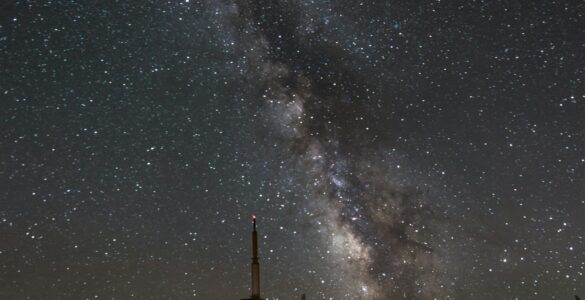
A new moon creates darker skies, making the faint band of the Milky Way easier to see away from city lights.
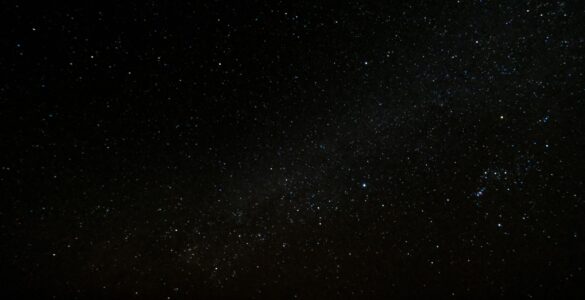
The dog days of summer come from Sirius, the Dog Star, and an old belief that its dawn rising added to summer heat.
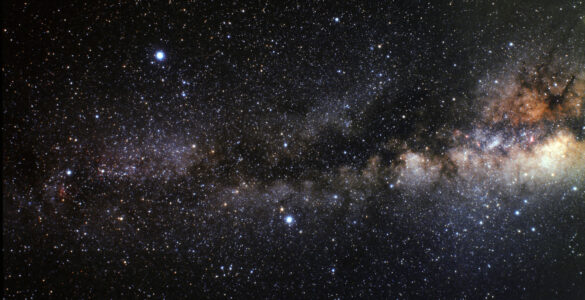
The Summer Triangle turns three bright stars into a simple guide for finding constellations, the Milky Way, and summer sky patterns.
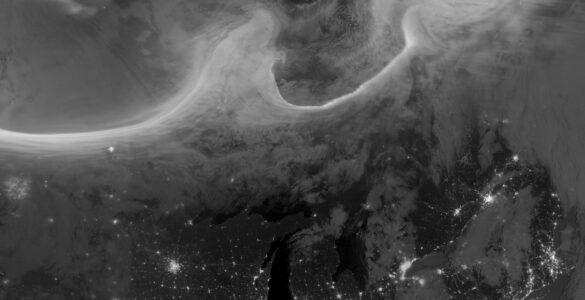
Solar storms can disturb the ionosphere, delaying GPS signals and making location estimates less accurate until space weather calms.
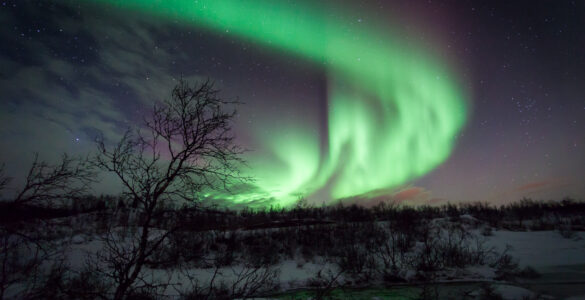
The Kp index helps aurora watchers read geomagnetic activity, forecast maps, and northern lights visibility with more realistic expectations.
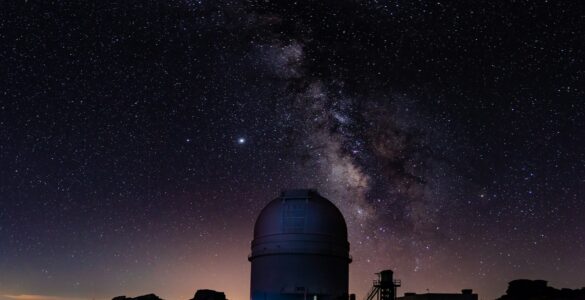
Dark adaptation lets your eyes become more sensitive to faint starlight, making the night sky richer after time away from bright light.
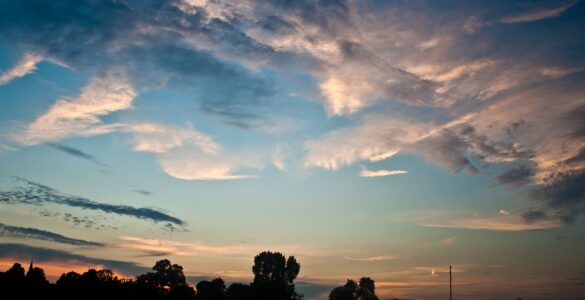
Summer twilight can linger because the Sun slides below the horizon at a shallow angle, especially far from the equator.
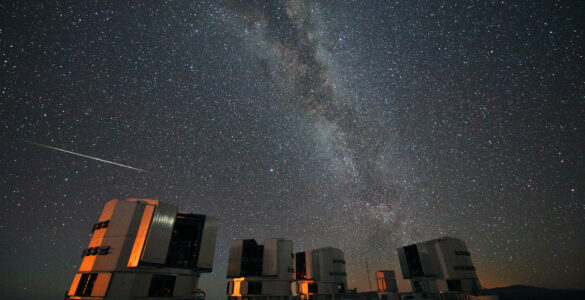
Meteor showers return when Earth crosses the same comet or asteroid debris streams during its yearly trip around the Sun.
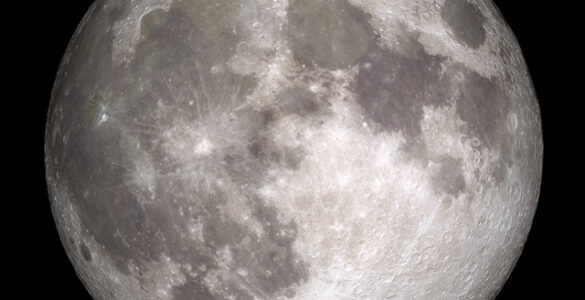
Moon phases happen because we see different amounts of the Moon's sunlit half as it orbits Earth each month.
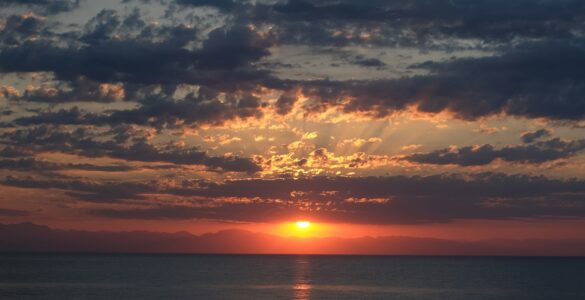
The summer solstice has the most daylight, but the latest sunset often comes days later because solar noon drifts against clock time.
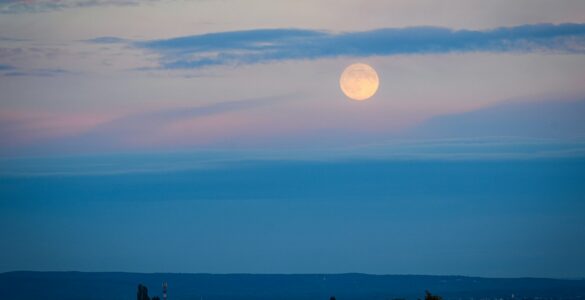
The Moon illusion makes a low full Moon look huge, but the real explanation is mostly in visual perception, not the sky.
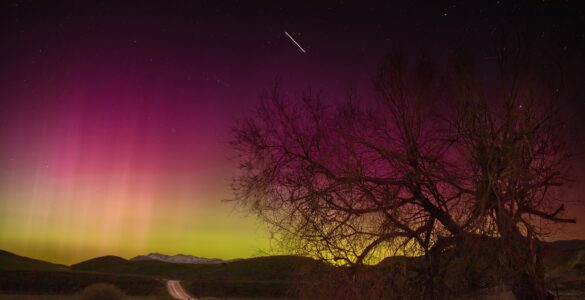
Solar storms can push auroras far beyond the polar regions. Learn how the Sun, magnetic fields, and atmosphere create the northern lights.
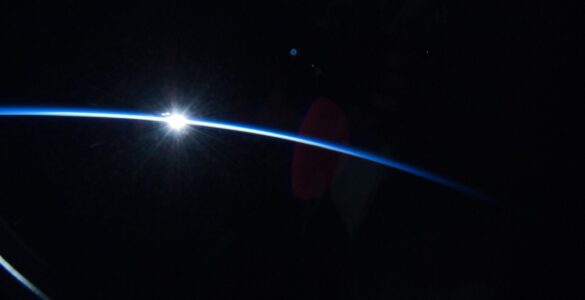
Earth reaches aphelion in July 2026. Learn why that does not cause seasons and how tilt, sunlight angle, and orbit work together.
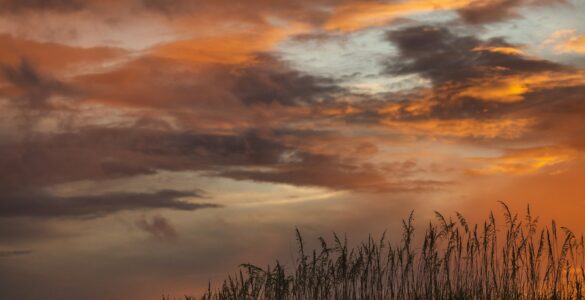
The summer solstice happens when Earth's tilt gives one hemisphere its longest daylight. Learn why it happens and why heat peaks later.
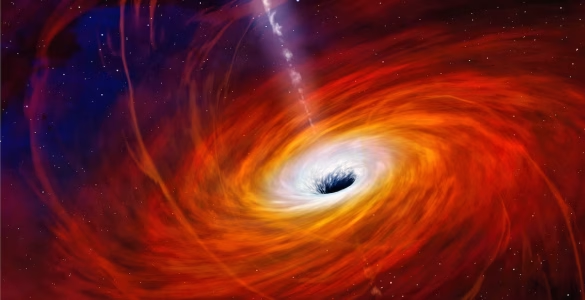
Learn how black holes form, what event horizons mean, and how telescopes and gravitational waves reveal objects that emit no light.


Copyright © 2026 Novo Learner
 Akshay Dinesh
 Rishay Dinesh