
 Akshay Dinesh
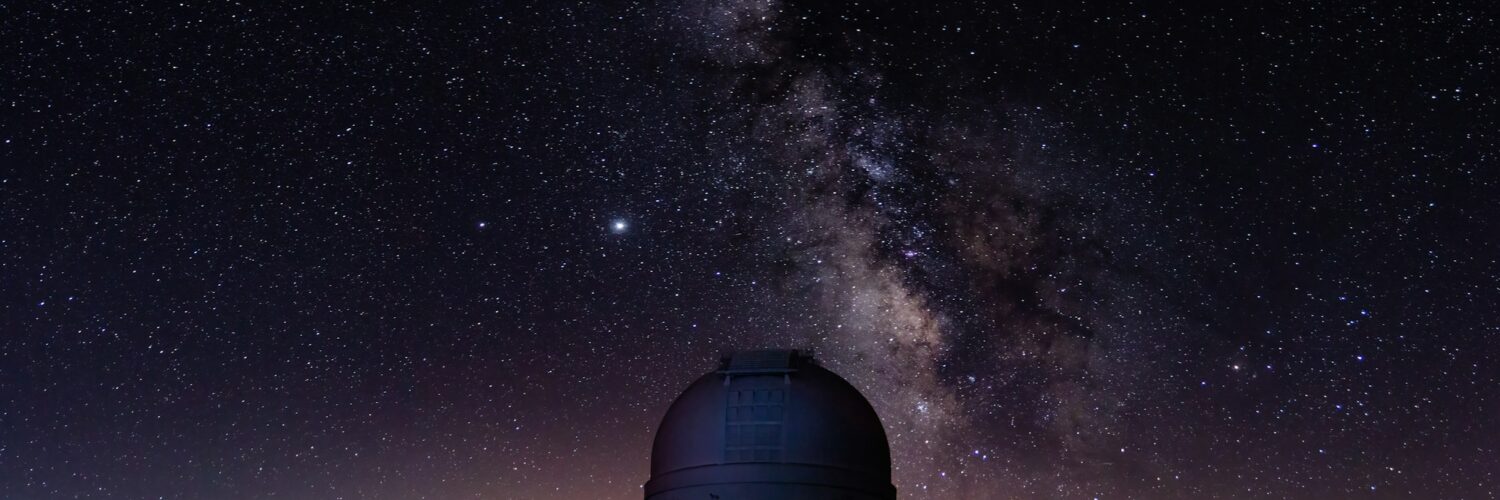
The first few minutes under a dark sky can feel underwhelming. A few bright stars appear right away, maybe a planet near the horizon, but the deeper sky often seems hidden. Then, if no one turns on a bright phone screen or car headlight, the view slowly changes. More stars fill the gaps. A faint band of the Milky Way may begin to show. The sky did not suddenly become darker; your eyes became better prepared to use the little light that was already there.
That slow change is called dark adaptation. It is one reason experienced stargazers arrive early, shield lights, and give their eyes time before judging what the night sky can show. Dark adaptation is not a trick or a special talent. It is a normal part of human vision, shaped by the way the retina responds to dim light.
Why bright light hides the faint sky
Human eyes handle daylight and darkness with different kinds of light-sensitive cells. Cone cells help with color and detail in brighter conditions. Rod cells are more useful in dim light, but they do not show color well. NASA’s Night Sky Network uses this difference to explain why many telescope views of faint objects appear gray to the eye even when long-exposure photographs show rich color.
When you step from a lit room into a dark yard, your cones stop being the main tool for the job, but your rods are not ready instantly. They need time to regain sensitivity after bright light. The National Park Service explains this partly through rhodopsin, a light-sensitive chemical in rod cells. Bright light reduces its usefulness for night vision, while darkness allows it to build back up.
This is why a single white flashlight or bright phone screen can erase several minutes of progress. The damage is not permanent, of course, but it resets the experience. A sky that was beginning to reveal faint stars can suddenly look shallow again, especially in the part of your vision that was just starting to adjust.
What changes as your eyes adapt
Dark adaptation is gradual because the eye is shifting toward a different kind of seeing. At first, only the brightest objects stand out. After several minutes, more stars appear. After longer time in steady darkness, the eye becomes better at detecting faint contrast, which matters for viewing star clusters, nebulae, meteor trails, and the soft glow of the Milky Way.
The change can feel almost magical, but it is really a sensitivity problem. Faint astronomical objects send only a small amount of light to the eye. They are not like streetlights, screens, or the Moon, which can overwhelm the visual system. Rods are built for faint signals, so the longer they work without interruption, the more useful they become.
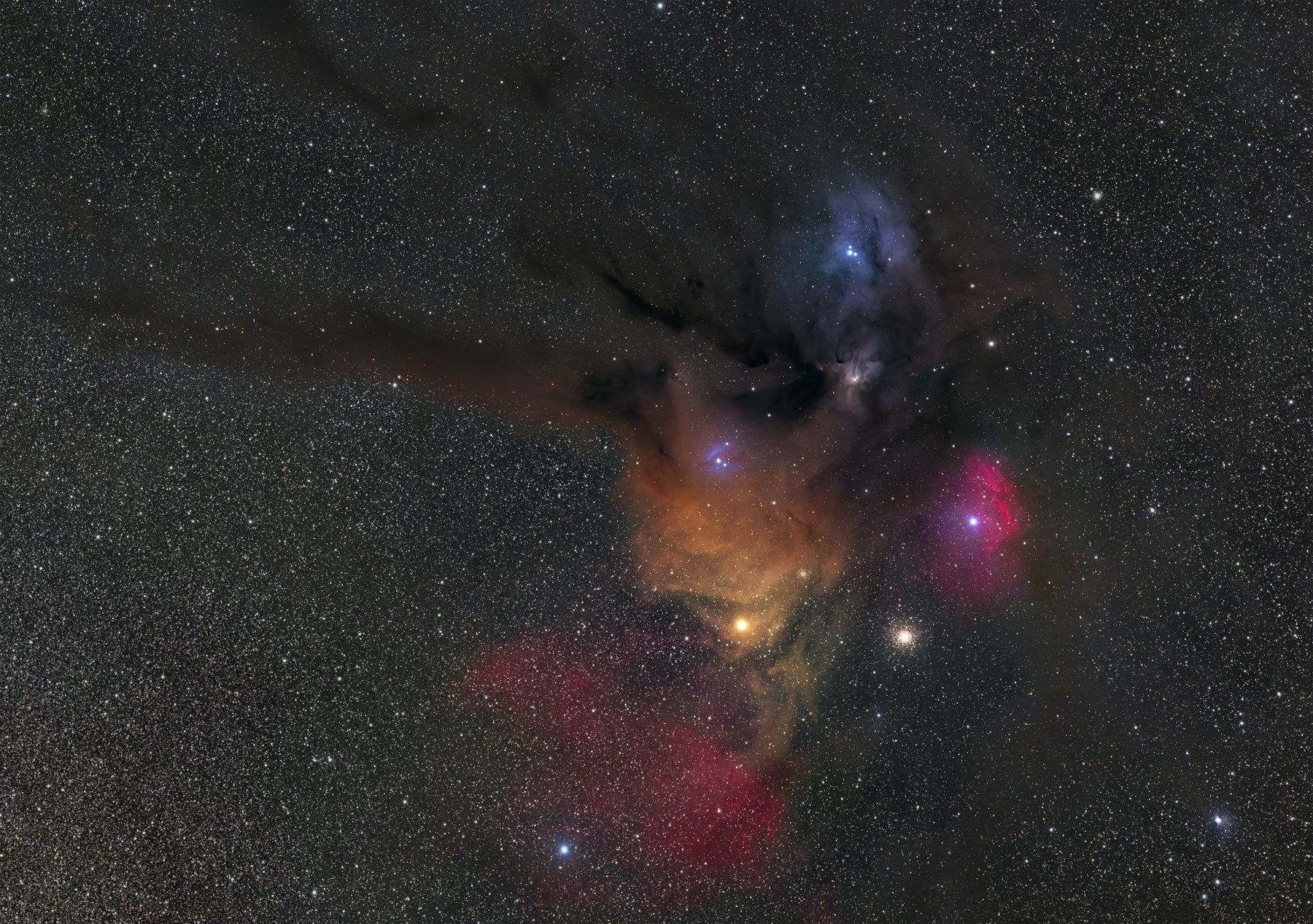
There is also a tradeoff. Rod-heavy vision is less sharp and less colorful than daylight vision. That is why a dark sky can look detailed in shape but muted in color. Your eyes may detect the Milky Way as a pale band, while a camera, collecting light over several seconds or minutes, can reveal colors and structure that vision alone cannot gather in the same way.
Why red light helps, but only when it is dim
Stargazers often use red flashlights because deep red light tends to disturb dark adaptation less than white light. The National Park Service notes that red light is useful because it affects the chemistry of night vision differently. That is why astronomy groups, park rangers, and telescope users often cover lights with red filters or use headlamps with a red mode.
Red light is not a magic shield, though. A bright red lamp can still reduce night vision, especially if it shines directly into someone’s eyes. The better rule is simple: use the dimmest light that lets you move safely and read what you need. Point it downward, cover it when possible, and avoid sweeping it across other people’s faces or equipment.
Phone screens are a common problem because they are bright, close to the face, and often full of blue-white light. Even a quick glance can make the sky look emptier for a while. If a phone is necessary, lowering the brightness, using a red filter or night mode, and keeping the screen pointed down can help, though the safest choice for night vision is still to use it sparingly.
How light pollution changes the whole starting point
Dark adaptation helps most when the sky itself is truly dark. In a city or bright suburb, the eyes may adjust, but skyglow still raises the background brightness behind the stars. Light pollution is not only a matter of individual lamps. DarkSky International describes it as human-made outdoor light that changes natural nighttime conditions, often through glare, spillover light, and upward light that scatters in the atmosphere.
NOIRLab has warned that a large share of the world’s population lives under light-polluted skies that wash out the Milky Way. That does not mean city stargazing is useless. The Moon, planets, bright stars, and some constellations can still be rewarding from bright places. But faint objects depend on contrast, and skyglow lowers that contrast before your eyes even begin adapting.
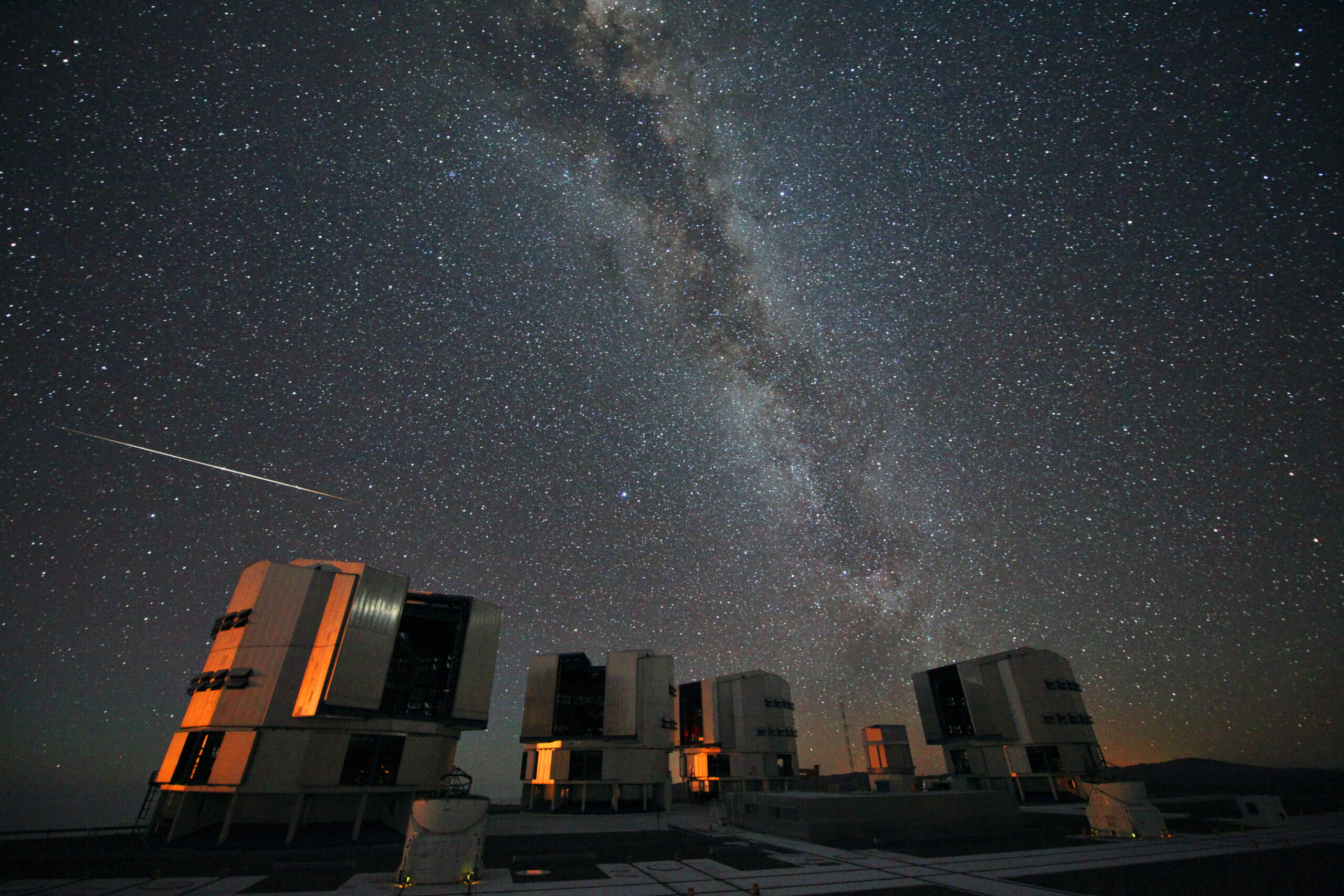
This is why a darker location can seem to reveal a different universe. Away from direct lights and bright horizons, the same eyes can detect far more. A rural field, a protected dark-sky park, a beach far from town, or a mountain overlook can all improve the view because the background sky is darker. Dark adaptation then has more to work with.
Practical ways to see more without special equipment
The simplest method is patience. Choose a safe observing spot, turn off unnecessary lights, and give your eyes time before deciding what is visible. Ten minutes can make a noticeable difference; longer periods can reveal more, especially when the sky is dark and moonlight is low. If someone arrives late with headlights on, the waiting may have to begin again.
A second useful habit is to avoid staring directly at the faintest object. The center of vision is rich in cones, which are excellent for detail in brighter conditions. Faint stars and dim fuzzy patches can sometimes appear more clearly when you look slightly to the side. Astronomers call this averted vision. It feels odd at first, but it can make a faint object pop into awareness.
Planning also matters. A bright Moon can wash out faint stars even in a rural place, so darker phases of the lunar cycle are better for Milky Way viewing. Haze, wildfire smoke, humidity, and thin clouds can scatter light and soften the sky. A clear, dry night after moonset is often much better than a warm hazy night with a bright Moon overhead.
Good stargazing does not require a telescope. Binoculars, a simple star chart, or a sky map can help, but the most important tools are darkness, time, and careful lighting. Once your eyes settle in, the night sky becomes less like a flat background and more like a layered place, with bright guide stars in front and fainter patterns slowly coming into view.
A slower kind of seeing
Dark adaptation is a reminder that observation is not always instant. Many everyday screens and lights train people to expect immediate brightness, sharp edges, and saturated color. The night sky asks for a different pace. It rewards waiting, shielding light, and letting the eye become sensitive enough to notice what was easy to miss.
That patience changes the experience. A sky that looked nearly empty can become crowded. A faint cloudy stripe can become the Milky Way. A dim point beside a brighter star can become a small discovery. The stars were there from the start, but seeing them well depends on giving the eye and the darkness time to meet.






Add comment