
NASA’s SPEARS cells survived deep cold and worked after warming. See how solid electrolytes could power tools and rovers near the lunar South Pole.
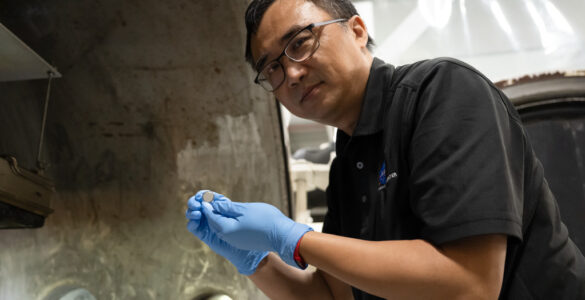
NASA’s SPEARS cells survived deep cold and worked after warming. See how solid electrolytes could power tools and rovers near the lunar South Pole.
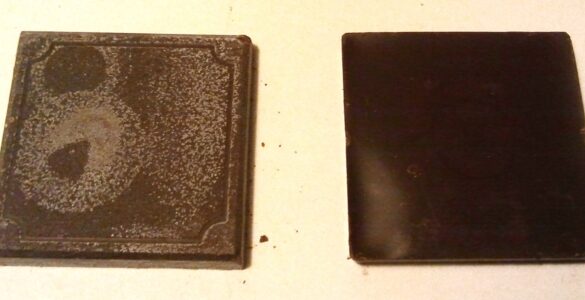
That pale film on chocolate is usually fat or sugar bloom. See what causes each type, whether it is safe, and how proper storage prevents it.
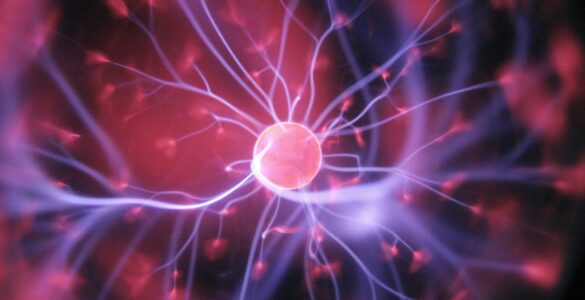
See how chiral molecules, nonlinear effects, and the Soai reaction can amplify a tiny molecular imbalance into one dominant form.

Road salt lowers water’s freezing point, but it needs liquid brine and pavement heat to work. See why deep cold changes the chemistry.
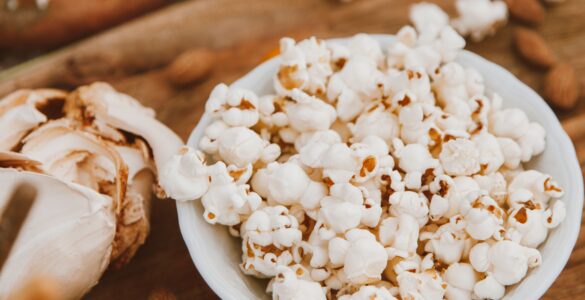
Popcorn pops when trapped water builds pressure inside a strong hull. See how heat, starch, moisture, and tiny cracks decide which kernels open.

Bread can stale faster in the refrigerator even though cold slows mold. Learn how starch retrogradation works and why freezing is different.

Cold slows lithium-ion chemistry and raises internal resistance. Learn why phone batteries fade, shut down, and recover after warming.

A brief dusty odor can be normal when seasonal heat starts. Learn what causes it, how long it should last, and which smells signal danger.

Disposable hand warmers use oxygen, iron powder, salt, water, and careful airflow to turn slow rusting into steady, portable heat.
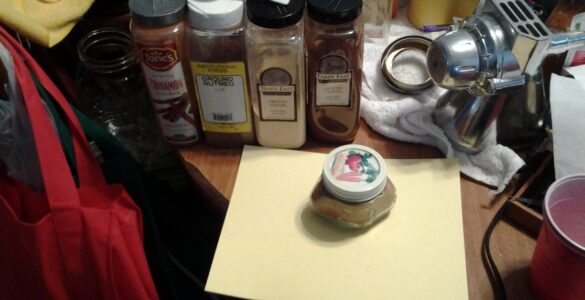
Pumpkin spice smells like fall because cinnamon, clove, nutmeg, ginger, heat, and memory work together before taste begins.

Eggs turn solid when heat unfolds their proteins, letting them link into a new network that traps water and changes texture.
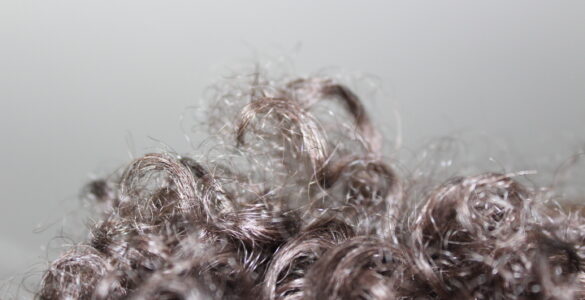
Humid air can make hair frizz because water molecules slip into hair fibers and temporarily rearrange the bonds that hold each strand's shape.

Nonstick pans work because PTFE coatings have low surface energy, making it hard for food, water, and oil to grip the surface.

Rain smells earthy after a dry spell because raindrops lift plant oils, geosmin, and soil particles into the air.
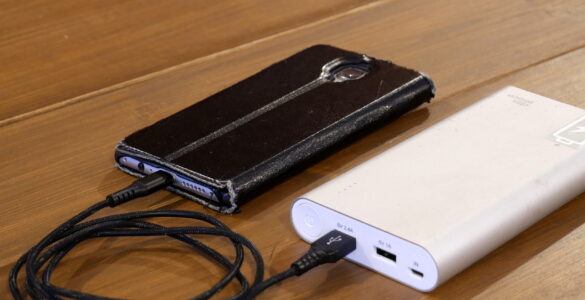
Phone batteries lose capacity as lithium-ion cells chemically age, cycle, heat up, and slowly lose usable storage.


Copyright © 2026 Novo Learner
 Akshay Dinesh