
Apple slices turn brown when cutting exposes fruit cells to oxygen, enzymes, and plant compounds that react on the surface.
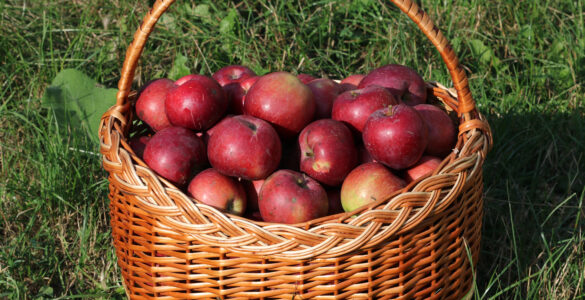
Apple slices turn brown when cutting exposes fruit cells to oxygen, enzymes, and plant compounds that react on the surface.
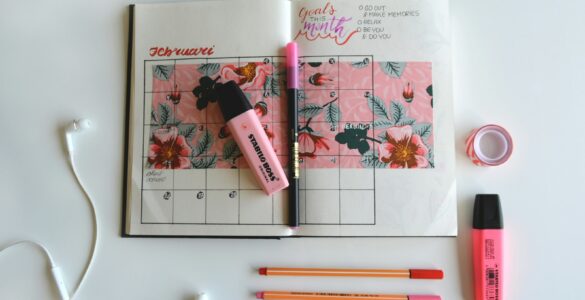
Erasable pens often hide ink with heat-sensitive chemistry rather than scraping it off the paper.
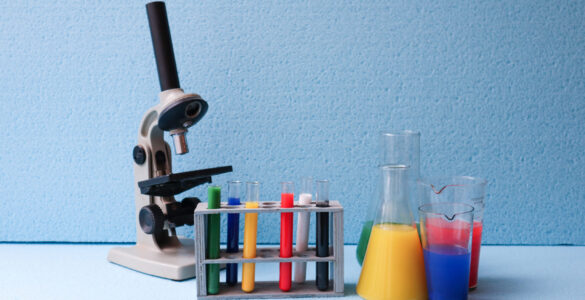
Lab safety symbols help students spot chemical, fire, health, and handling risks before an experiment begins.
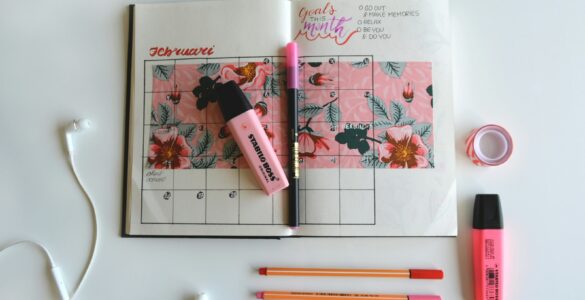
Gel pens use water-based pigment ink, controlled viscosity, and a rolling ball tip to make bright lines feel smooth on paper.

Removable wallpaper uses pressure-sensitive adhesive, surface contact, and peel behavior to hold firmly but come off cleanly.
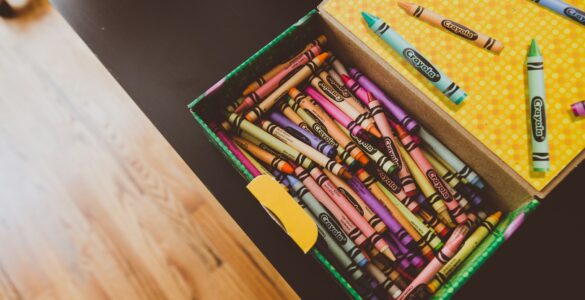
Crayons leave marks by rubbing wax and pigment onto paper, where texture, pressure, heat, and layering shape the color.
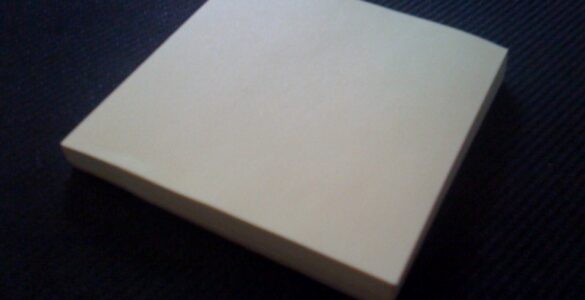
Sticky notes work because removable adhesive balances surface contact, tack, peel force, and clean release.
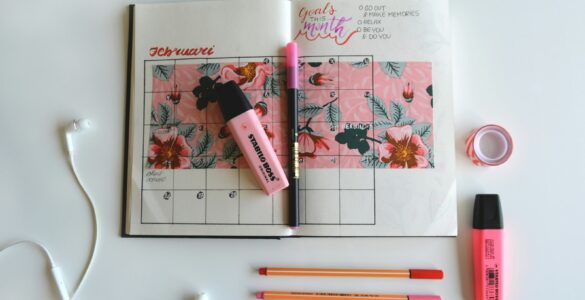
Highlighters look bright because fluorescent dyes turn some invisible ultraviolet light into visible color on the page.

Dry-erase markers wipe away because their ink dries on top of smooth whiteboards instead of soaking in or bonding tightly.
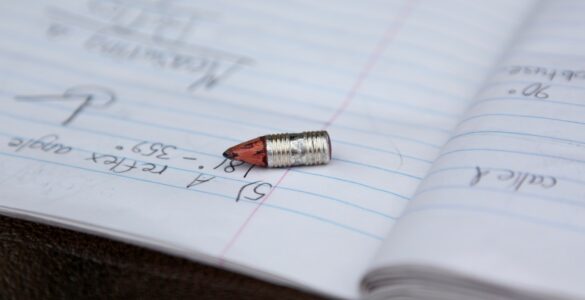
Pencils erase because graphite sits on paper fibers differently from ink, letting erasers lift and trap the mark.
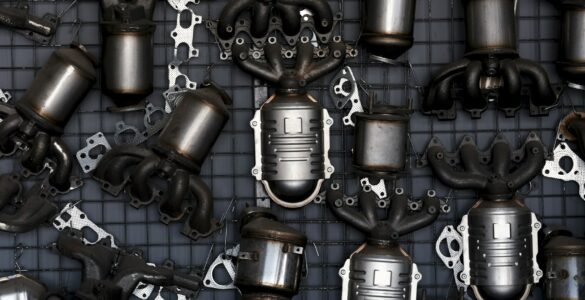
Catalytic converters use precious metals, heat, and redox reactions to change harmful exhaust gases before they leave the tailpipe.

High altitude lowers water’s boiling point, changing how boiling, simmering, baking, and pressure cooking behave.
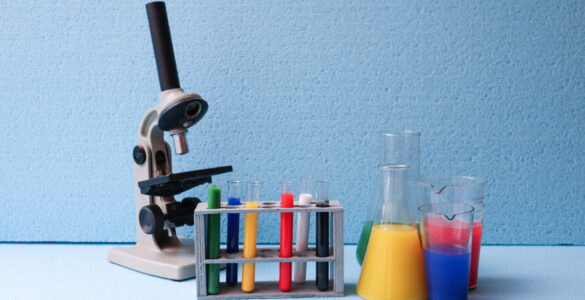
Buffer solutions resist sudden pH changes by using weak acid-base pairs that absorb added acid or base before pH shifts too much.
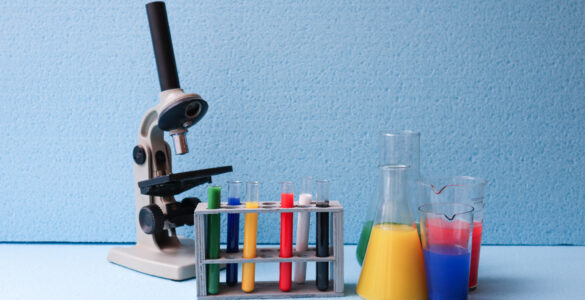
Reaction rates depend on collisions, activation energy, temperature, concentration, surface area, and catalysts.
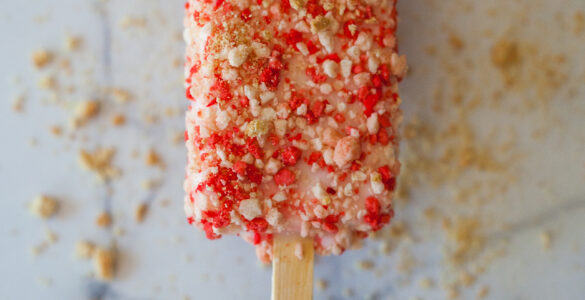
Ice cream stays smooth because tiny ice crystals, air, fat, sugar, and stabilizers form a delicate frozen structure.


Copyright © 2026 Novo Learner
 Akshay Dinesh