 Akshay Dinesh
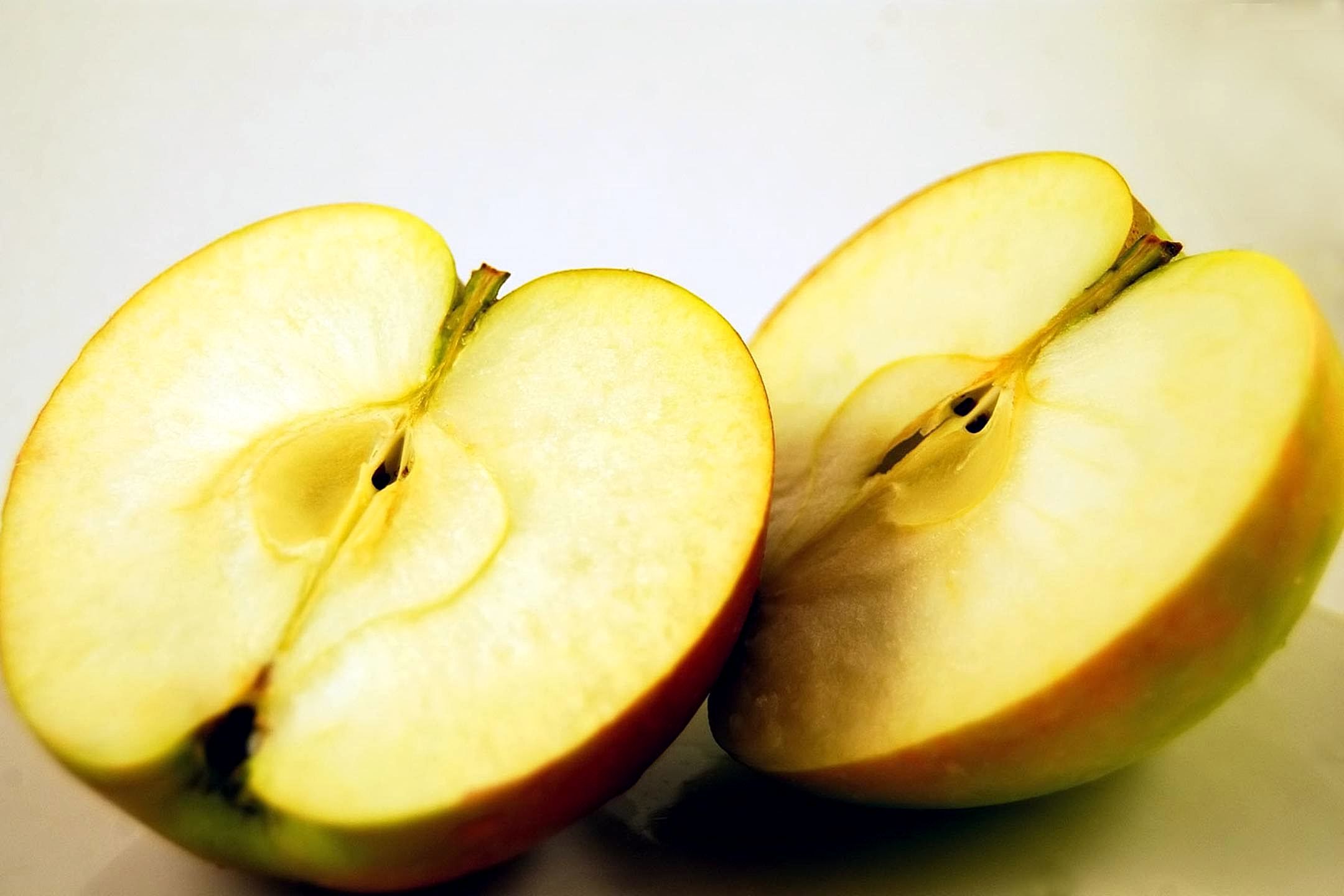
A freshly cut apple can look bright for a few minutes, then slowly take on tan, gold, or brown patches. Nothing dramatic seems to happen. The slice is just sitting on a plate, in a lunchbox, or beside a cutting board. Still, the exposed surface changes because cutting has opened a tiny chemistry lab inside the fruit.
The browning is called enzymatic browning. It is not the same as burning food, caramelizing sugar, or the Maillard reaction that helps make toast and roasted foods brown. In an apple, browning begins when damaged fruit cells let oxygen meet enzymes and plant compounds that were mostly separated while the apple was whole. That meeting starts a chain of reactions that produces darker pigments on the cut surface.
The Apple Is Built to Keep Ingredients Apart
Before an apple is cut, its cells are arranged in compartments. The pale flesh contains water, sugars, acids, minerals, enzymes, and many plant compounds, but they are not all floating freely in one open mixture. Cell membranes and internal structures help keep reactive materials separated from one another.
One key enzyme is polyphenol oxidase, often shortened to PPO. Apples also contain phenolic compounds, a broad group of plant chemicals that help with flavor, color, defense, and response to stress. While the apple is intact, PPO and many phenolic compounds have limited contact with each other and with oxygen from the air. The apple is alive plant tissue, not a sealed plastic object, but its structure slows down the reaction.
Cutting, biting, bruising, or dropping the apple changes that structure. The knife breaks cell walls and membranes. Juice spreads across the surface. Oxygen from the air can now reach exposed tissue. Enzymes and phenolic compounds mix in places where the fruit has been damaged. The familiar color change begins at the surface because that is where oxygen is easiest to reach.
Oxygen Starts the Browning Chain
Oxygen is the outside partner that makes the reaction visible. In the presence of oxygen, polyphenol oxidase helps convert phenolic compounds into highly reactive molecules called quinones. Quinones do not usually stay by themselves for long. They link with other molecules and build larger brown pigments, including melanin-like compounds.
This is why the color change is strongest where the apple has been cut or bruised. A smooth peel protects the inside of the fruit, but a cut face gives oxygen a wide landing area. A bruised spot browns because crushing damages cells below the peel, even if the fruit was not sliced open. The darker patch marks the place where internal barriers were broken.
Calling this process oxidation is correct, but it can be a little too broad by itself. Rusting iron is oxidation too, yet an apple is not simply rusting like a nail. The apple reaction depends on biological catalysts, especially PPO, and on the kinds of phenolic compounds available in that fruit. That is why food scientists call it enzymatic browning rather than just oxidation.
Some Apples Brown Faster Than Others
Anyone who has packed apple slices has probably noticed that not every apple behaves the same way. One variety may stay pale long enough for lunch, while another turns brown before the sandwich is wrapped. The difference comes from several factors working together.
Scientific American has noted that PPO activity and the concentration of phenolic compounds can vary among fruit varieties. Growing conditions and maturity can also change how much browning potential a piece of fruit has. A firm, fresh apple with intact cells may brown more slowly than one that is mealy, bruised, or already breaking down inside.
Acidity matters too. Apples are naturally acidic, but varieties differ in their balance of acids, sugars, and phenolic compounds. Since PPO is less active in more acidic conditions, a fruit’s chemistry can affect the speed of browning. The same idea helps explain why lemon juice can slow the color change on cut slices.
The surface area of the cut also makes a difference. Thin slices brown faster than large chunks because more flesh is exposed to air. Rough handling speeds things up because it damages more cells. A clean cut with a sharp knife may brown more slowly than mashed or crushed fruit because fewer cells are torn open.
Why Lemon Juice and Vitamin C Help
Most practical browning tricks work by interrupting one part of the chain: oxygen, enzyme activity, or the reactive products made during oxidation. Lemon juice helps in two ways. Its acidity lowers the pH on the apple surface, making PPO less active. It also contains compounds that can act as antioxidants, which means they can react with oxygen-related products before the apple pigments darken as much.
Ascorbic acid, better known as vitamin C, is especially useful. The National Center for Home Food Preservation recommends ascorbic acid solutions to help keep cut apples and other light-colored fruits from darkening during preparation. In simple terms, ascorbic acid gets oxidized more readily than the apple compounds that lead to browning, so it can delay the visible change.
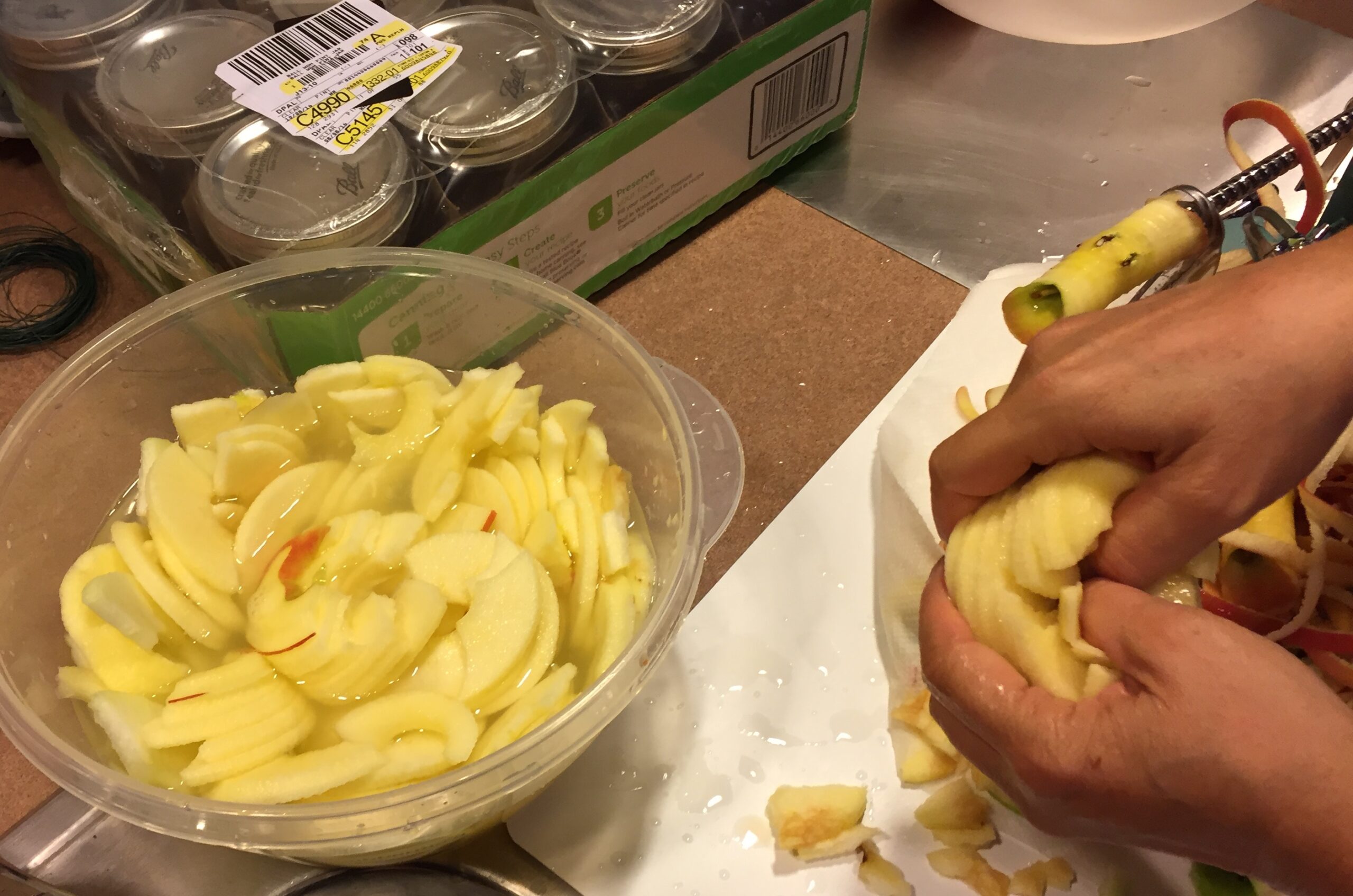
Water can help for a different reason. If slices are submerged, less oxygen reaches the exposed fruit surface. A sealed container also reduces air exposure, though it does not remove all oxygen. Cold storage slows enzyme activity, which is why refrigerated cut fruit usually browns more slowly than slices left out in a warm room.
Heating works too, but with a tradeoff. Heat can inactivate enzymes, which is why blanching can slow or stop enzyme-driven color and texture changes in some food preparation. The problem is that heat also changes the apple’s crunch. That may be useful for applesauce or canning, but not for crisp lunchbox slices.
Browning Is Usually About Quality, Not Danger
A brown apple slice often looks less appealing, but ordinary enzymatic browning does not automatically mean the fruit is unsafe. The reaction changes appearance and can slowly affect flavor or texture, especially if the fruit sits for a long time. It is mainly a quality problem: the apple looks older, less fresh, and less inviting.
Safety depends on the larger condition of the fruit. A lightly browned slice from a clean, fresh apple is usually different from fruit that is moldy, slimy, fermented-smelling, or left too long at unsafe temperatures. Browning alone is not the same thing as spoilage. It is a visible sign of damaged plant tissue reacting with oxygen.
The same chemistry shows up in other fruits and vegetables. Bananas, pears, peaches, potatoes, avocados, and mushrooms can darken after cutting or bruising because their cells also contain enzymes and phenolic compounds. Food processors care about enzymatic browning because it can make good produce look unattractive before it reaches a buyer. Home cooks notice it because a fresh snack can start looking tired before anyone eats it.
Sometimes browning is useful. Tea, coffee, cocoa, and some dried fruits develop part of their color and flavor through carefully managed oxidation and enzyme activity. The reaction is not good or bad by itself. It depends on the food, the timing, and what people want the final product to look and taste like.
A Simple Way to Read the Reaction
The easiest way to understand apple browning is to picture three conditions coming together: damaged cells, oxygen, and active enzymes. Remove or weaken one of those conditions, and browning slows down. Keep the apple whole, and most cells stay protected. Cover the cut surface or place slices in water, and less oxygen reaches the tissue. Add acidity or vitamin C, and the enzyme reaction has a harder time moving quickly.
That is why a few ordinary habits work better than they may seem. Slice apples close to the time they will be eaten. Use a clean, sharp knife. Keep slices cold. For longer holding, use lemon water, an ascorbic acid solution, or another food-safe anti-browning method suited to the recipe. None of these steps makes the apple permanent, but each one slows a specific part of the chemistry.
The brown surface of a cut apple is a small reminder that food is still made of living tissue, even after harvest. A simple snack carries cell structure, enzymes, plant defense chemistry, oxygen, acids, temperature, and time. Once those pieces are visible, the change no longer feels mysterious. The apple is not failing. It is reacting exactly the way its chemistry allows.