 Akshay Dinesh
A phone that once lasted all day can start asking for a charger by late afternoon. Nothing obvious may have changed: the same apps, the same screen, the same charger, and the same daily routine. The difference is inside the battery. Rechargeable lithium-ion batteries are remarkably good at storing energy in a small, light package, but they are not frozen in their original condition. Each month of use leaves small chemical and physical changes behind, and those changes slowly reduce how much energy the battery can hold and how easily it can deliver power when the phone demands it.
Battery health is easy to misunderstand because it feels like a simple percentage. A new battery seems like 100 percent, an older one may show 88 percent, and the number looks as if it should behave like a fuel gauge. It is really a rough measure of maximum capacity compared with when the battery was new. A battery at 85 percent maximum capacity can still charge to 100 percent on the screen, but that 100 percent now represents a smaller tank. The phone is full, just not as full as it used to be.
What a lithium-ion battery is doing when it charges
The U.S. Department of Energy describes a battery as two electrical terminals, the anode and cathode, separated by an electrolyte. In a rechargeable battery, ions move through the electrolyte while electrons move through the outside circuit. Charging pushes the battery into a higher-energy chemical state; discharging lets that stored chemical energy return as electrical energy for the device.
In a lithium-ion phone battery, lithium ions shuttle between electrode materials. When the battery charges, many lithium ions move toward the anode and settle into spaces in its structure. When the phone uses power, those ions move back toward the cathode while electrons flow through the device’s circuits. The system works because the materials can host lithium ions again and again without falling apart immediately.
That last word matters: immediately. The battery is built for repeated movement, but repeated movement is not the same as no wear at all. The electrodes expand and contract slightly. The electrolyte reacts in tiny amounts. Protective layers form and thicken. A well-designed battery manages these changes so slowly that the device feels dependable for years, but the changes do not stop.
Capacity fade comes from small losses that add up
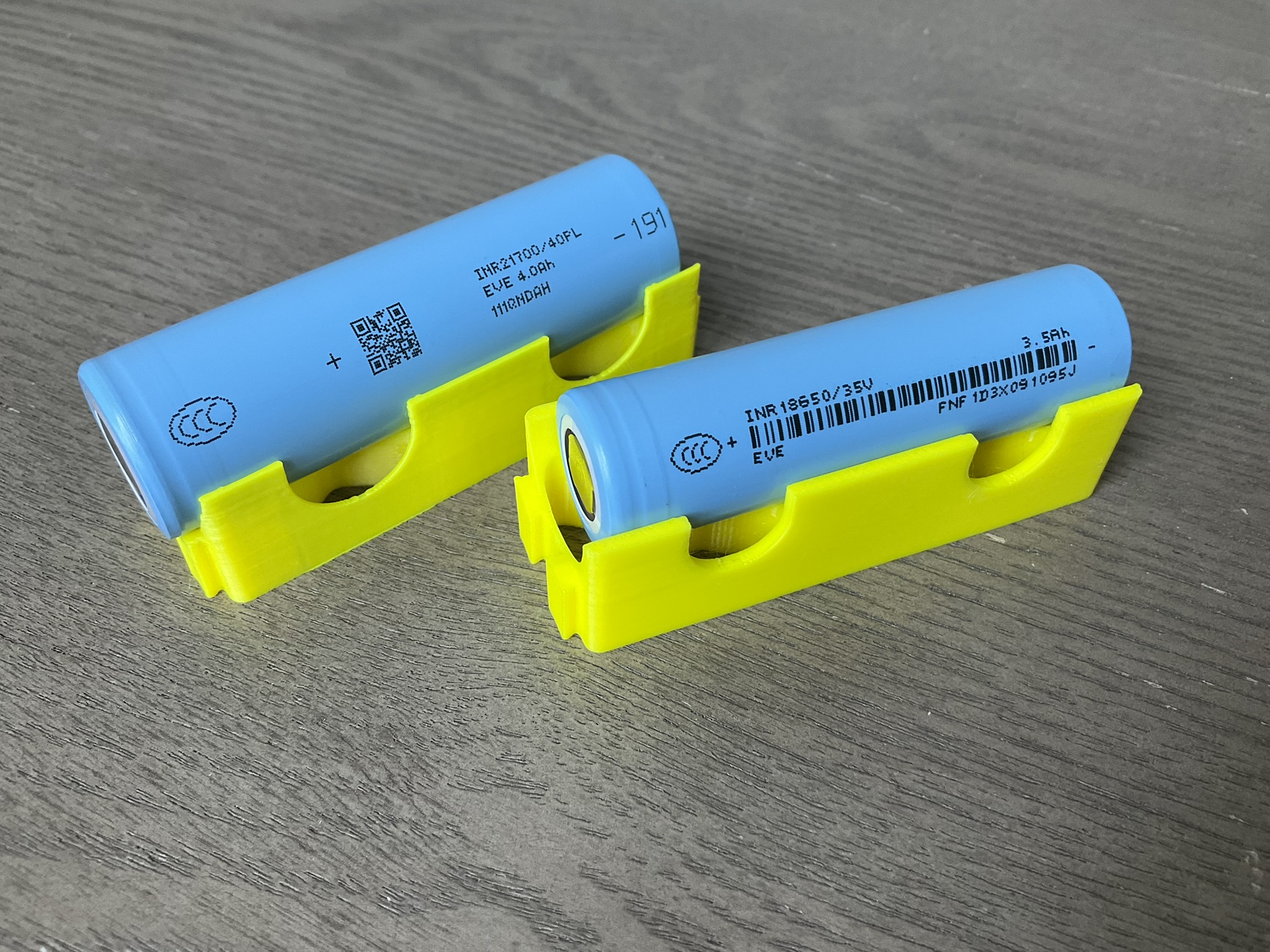
The most direct reason an old battery holds less charge is that some of its active materials become less available. A new lithium-ion cell has a certain amount of lithium that can move back and forth usefully. Over time, side reactions can trap a small portion of that lithium in places where it no longer helps store energy. The electrodes can also lose some of their ideal structure, making fewer sites available for smooth charging and discharging.
One important part of this story is a thin protective film that forms on the anode, often called the solid electrolyte interphase. The film is useful because it helps keep the electrolyte from breaking down too quickly at the electrode surface. But maintaining and growing that layer consumes a little active material. A small amount is normal. Too much growth, especially under stressful conditions, leaves less lithium available for everyday use.
Capacity fade is different from a battery simply being empty. An empty healthy battery still has most of its original storage ability waiting for the next charge. An aged battery has a smaller usable range even after it is charged. That is why an older phone may seem to drain faster during the same morning commute or video call. The phone may be using roughly the same amount of energy, but the battery has fewer stored watt-hours to give.
Charge cycles are real, but they are not a punishment meter
Apple’s battery guidance explains charge cycles in a helpful way: one complete cycle is counted when the battery has discharged an amount equal to 100 percent of its capacity, even if that happens across several partial uses. Using 50 percent one day, recharging, and using 50 percent the next day adds up to about one cycle. This is why small top-ups are not automatically bad. Modern lithium-ion batteries do not need to be drained to zero before charging.
Cycles still matter because moving ions in and out of the electrodes creates wear. A phone used heavily for gaming, video recording, navigation, or hotspot service may accumulate cycles faster than a phone used mostly for messages and reading. Two devices bought on the same day can show different battery health a year later because their batteries have lived different lives.
Still, cycle count is only part of the story. Battery researchers often separate use-based aging from calendar aging. Cycle aging comes from charging and discharging. Calendar aging happens while time passes, even if the battery is not being used much. Temperature, average charge level, and storage conditions can make that quiet aging faster or slower. A battery sitting hot and full for long periods is not resting in a neutral state; it is spending time in a more stressful chemical condition.
Heat and high charge levels speed up the wear
Heat is one of the clearest enemies of battery health. Chemical reactions generally run faster at higher temperatures, including unwanted side reactions inside a battery. A phone does not have to be dangerously hot for heat to matter. Long sessions in direct sun, charging under a pillow, dashboard use, demanding games, and fast charging while the device is already warm can all add thermal stress.
High charge levels can also be harder on lithium-ion cells than middle charge levels. Near full charge, the electrodes sit in a more strained chemical condition. That does not mean charging to 100 percent is forbidden; phones are tools, and sometimes full range is useful. The point is that spending many hours every day at a very high state of charge can contribute to aging over time, especially when heat is present too.
This is why many devices now include optimized charging features. Instead of racing straight to full and staying there all night, the device may pause around a high-but-not-full level and finish charging closer to the time it expects to be used. The goal is not magic battery preservation. It simply reduces the amount of time the cell spends warm, full, and chemically strained.
Older batteries can also struggle to deliver power quickly
Capacity is not the only thing that changes. Apple describes chemical age as affecting both the amount of charge a battery can hold and its ability to deliver peak power. As batteries age, their internal resistance, often called impedance, tends to rise. Higher impedance makes it harder for the battery to supply a sudden burst of current when the device asks for it.
This is why battery problems can show up most clearly during heavy tasks. Opening the camera, starting a game, using GPS, recording video, or running several apps at once may demand more power than casual reading. A newer battery can usually handle those bursts comfortably. An older, colder, or nearly empty battery may sag in voltage when the demand rises.
Phones are designed to manage this problem rather than let the device shut off unexpectedly. The system may reduce performance, dim the screen, limit background activity, or warn that service is recommended. That can make an aging battery feel like a slow phone problem, even when the processor itself is still capable. The battery has become a weaker power supply for the same electronics.
What actually helps a battery last longer
The most useful habits are ordinary, not extreme. Keeping a phone out of hot places, removing a thick case if the device gets warm while charging, and avoiding long stretches at 0 percent or 100 percent can all reduce stress. Partial charging is fine. Letting the device manage optimized charging is usually better than trying to run a perfect charging routine by hand.
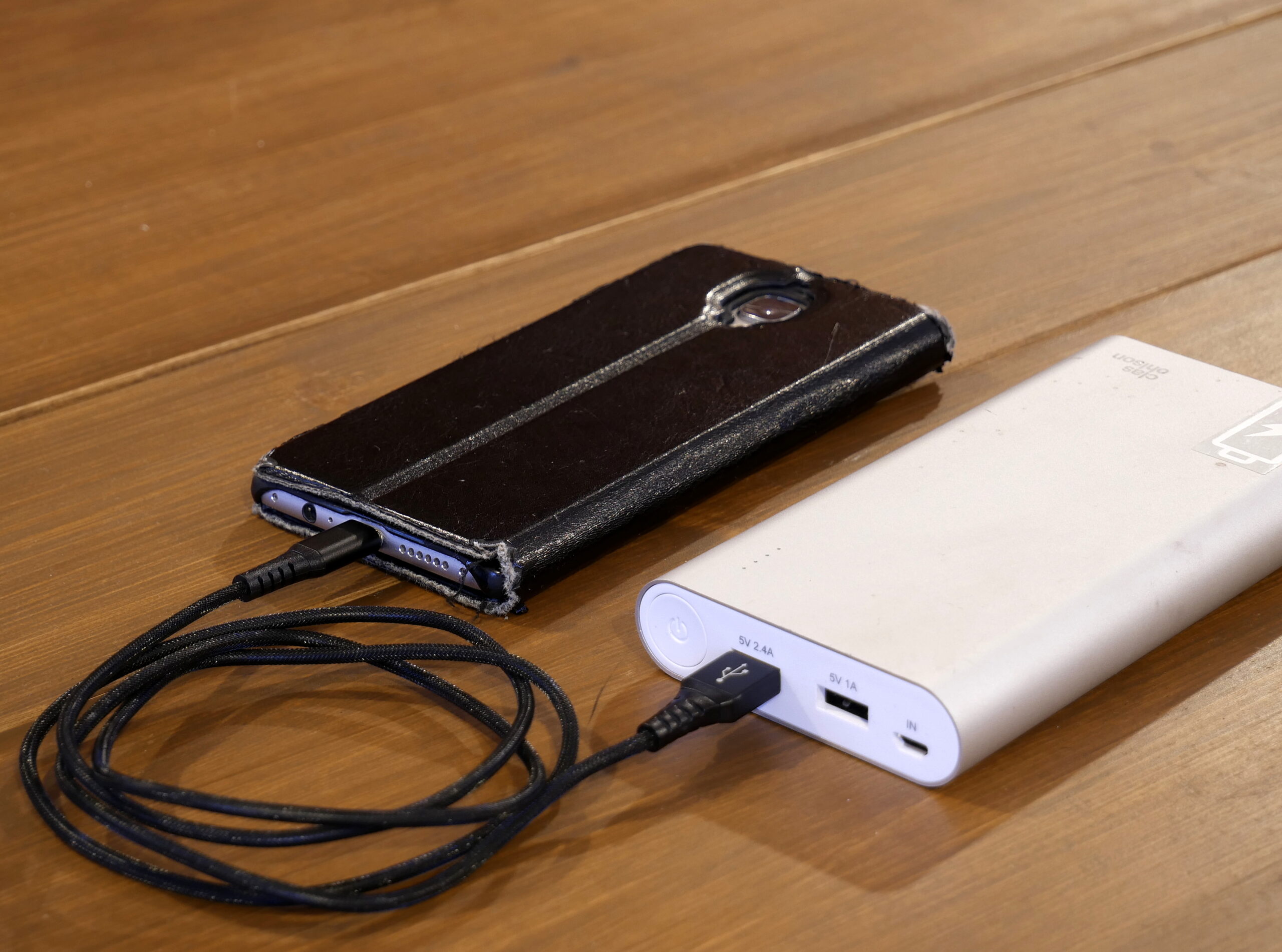
It also helps to match charging speed to the situation. Fast charging is convenient, and good devices are built with protection circuits that manage temperature, voltage, and current. But if there is no hurry, a slower charger can produce less heat. During demanding use, charging and heavy processing at the same time can warm the battery more than either one alone.
No habit can make a lithium-ion battery stay new forever. Battery aging is part of the chemistry, just as tire wear is part of driving. The practical goal is to avoid needless stress, understand what the health number means, and replace the battery when reduced capacity or performance gets in the way. A fading battery is not a mystery or a personal failure. It is a small chemical system doing useful work until its materials can no longer do that work quite as well.