 Akshay Dinesh
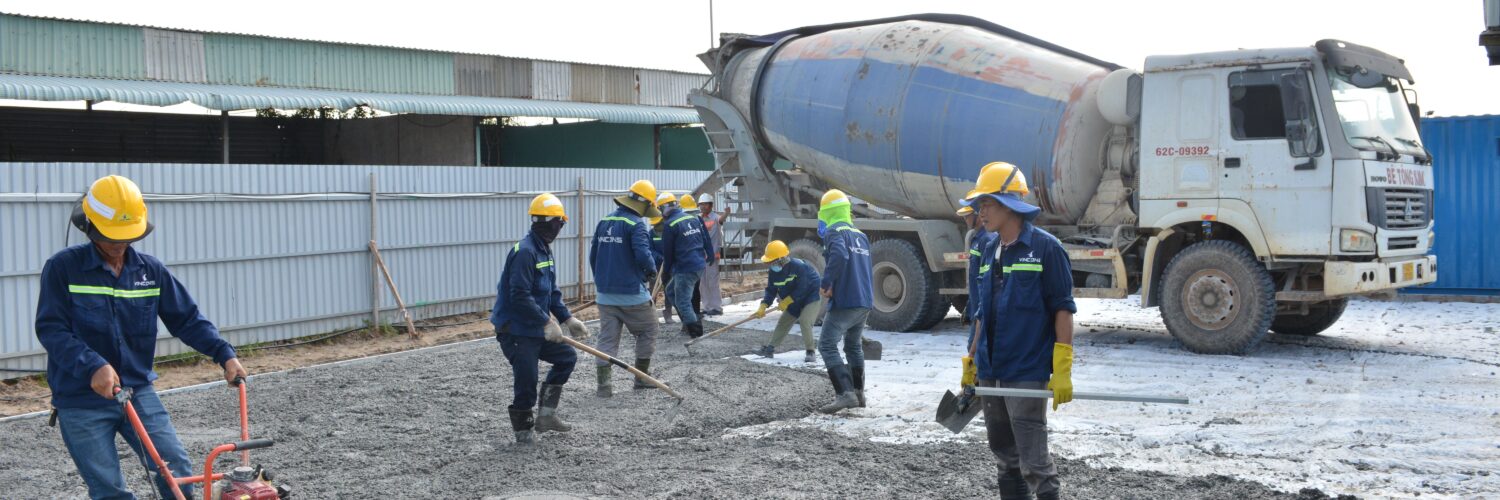
A truck delivers concrete as a wet, flowing mixture, yet a few hours later that same material can support weight and resist a fingernail. It is tempting to say that the concrete “dried,” as if it were mud losing water. That explanation gets the chemistry backward. Concrete hardens mainly because cement reacts with water and builds new solid compounds around sand and stone. Water is a reactant, not merely a liquid waiting to escape, which is why concrete made with hydraulic cement can even harden underwater.
The American Chemical Society chose “Chemistry Under Construction” as the theme of National Chemistry Week in 2026, and concrete is an unusually clear example of that idea. Its transformation is chemical, physical, and structural at once: mineral grains dissolve, reaction products grow, pores change shape, and a loose mixture becomes a load-bearing solid. Understanding that process also explains three practical facts that can otherwise seem contradictory: fresh concrete needs water, too much mixing water weakens it, and newly placed concrete often must be kept moist.
Cement is the reactive part of concrete
Cement and concrete are related, but they are not interchangeable words. Concrete contains cement, water, fine aggregate such as sand, and coarse aggregate such as gravel or crushed stone. The aggregates make up most of the volume and provide a rigid skeleton. Cement mixed with water forms the paste that coats those particles, fills spaces between them, and eventually locks the whole mass together.
The most common binder is portland cement. Manufacturers heat limestone and clay-rich materials to make hard nodules called clinker, then grind the clinker with a small amount of gypsum. The clinker contains several reactive mineral phases. Two calcium silicates, commonly called alite and belite, make especially important contributions to strength. Calcium aluminates and ferrites take part in other early reactions, while gypsum helps control how rapidly some of those reactions occur.
None of this powder is simply acting like household glue. When water reaches a cement grain, ions begin moving into solution. New products then precipitate from that solution. The most important is calcium silicate hydrate, usually shortened to C-S-H. It has no single neat molecular formula; it is a variable, nanoscale material that grows through the water-filled space, joins neighboring grains, and forms much of hardened cement paste. Calcium hydroxide, or portlandite, is another major product of the silicate reactions.
Setting and hardening are different stages
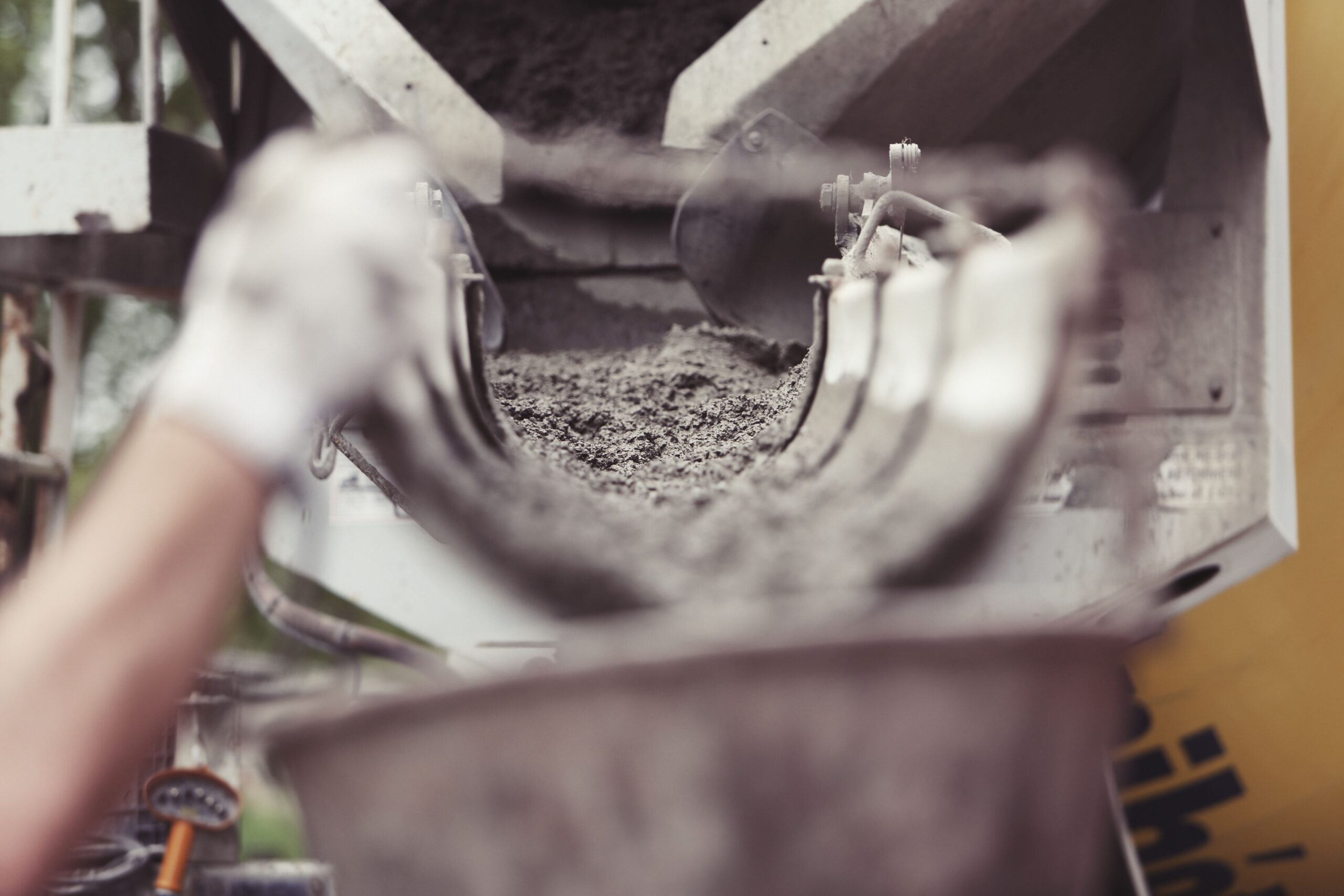
The first minutes after mixing are chemically busy, but concrete remains workable for a while. Cement surfaces begin to dissolve, and some early products form. A slower interval then gives workers time to transport, place, consolidate, and finish the mixture. Chemists often call this the induction period. It is not a complete pause; it is a period in which the reactions have not yet built a connected solid framework.
As hydration accelerates, C-S-H and other products spread outward from cement grains. Calcium aluminate, gypsum, and water also form needle-like crystals of ettringite during the early reaction. These products restrict movement through the paste until the mixture loses plasticity. That transition is setting. Setting tells a crew that the concrete can no longer be shaped normally, but it does not mean the slab or column has reached its designed strength.
Hardening continues after setting as more cement hydrates and the solid network becomes denser. The reactions release heat, which can be noticeable in thick foundations, dams, and other massive placements. Warm conditions generally speed early hydration, while cold conditions slow it. Excessive early heat can create steep temperature differences inside a large pour: the interior expands while warm, then contracts as it cools, raising the risk of cracking.
Concrete therefore has no single instant at which it becomes “finished.” Engineers commonly compare compressive strength at an age of 28 days because that provides a consistent testing point, not because every hydration reaction stops on day 28. Provided moisture and favorable temperatures remain, slower reactions can continue for months or longer.
Curing protects a reaction that still needs water
In ordinary conversation, curing can sound like drying. In concrete work, it means controlling moisture and temperature so hydration can continue. A fresh surface exposed to hot sun, dry air, or wind can lose water faster than water rises through the mixture. The surface then contracts while the concrete is still weak, producing shallow plastic-shrinkage cracks. Later moisture loss can also leave the near-surface paste less fully hydrated and less durable.
Builders protect young concrete in several ways. They may keep a surface wet, cover it with damp fabric or plastic sheeting, or spray on a membrane-forming curing compound that slows evaporation. The suitable method and duration depend on the mixture, weather, structure, and specification. The Federal Highway Administration emphasizes that curing is not a cosmetic finishing step: it preserves the conditions needed for cement hydration and reduces damaging early moisture loss.
High-performance mixtures reveal an extra complication. The FHWA notes that below a water-to-cementitious-materials ratio of roughly 0.42, the mixing water may not be sufficient to hydrate every cement grain. Hydration itself can drain water from small pores, a process called self-desiccation. Researchers at the National Institute of Standards and Technology have used X-ray microtomography to watch water move from saturated lightweight aggregate into nearby hydrating paste. This “internal curing” gives the concrete tiny reservoirs instead of relying only on water applied at the outer surface.
Why adding extra water can make concrete weaker
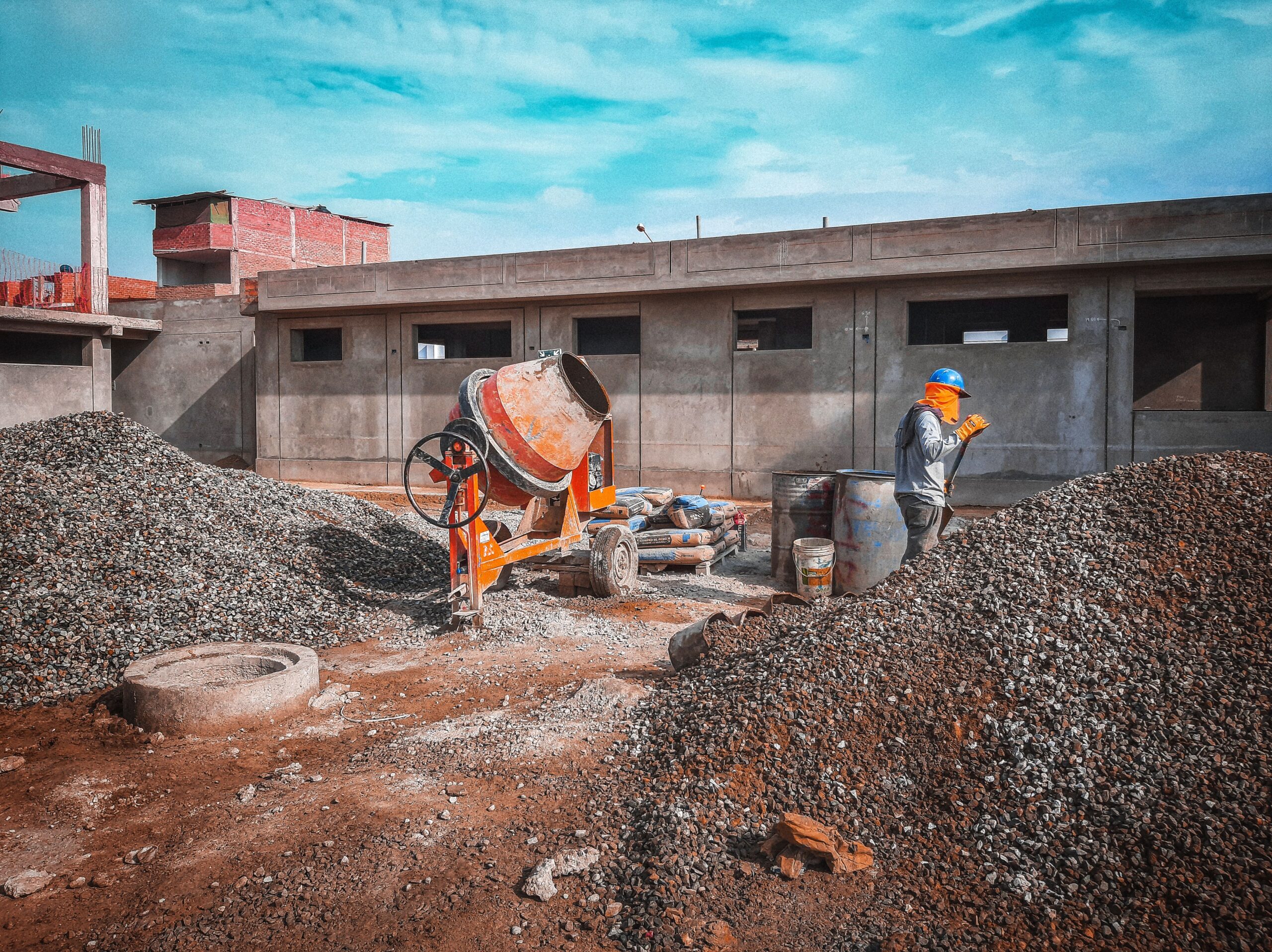
If hydration needs water, why not make the mix very wet? Workability is the attraction: extra water makes fresh concrete easier to move and spread. The penalty appears after the unused water leaves. It creates a connected system of capillary pores in the hardened paste. More and larger pores generally mean lower strength, easier entry for harmful fluids, and less resistance to weathering.
This relationship is described through the water-cement ratio, calculated by mass. A mixture containing 20 kilograms of water for every 40 kilograms of cement has a ratio of 0.50. Lowering the ratio usually increases strength when the concrete can still be mixed, placed, and consolidated properly. The American Cement Association therefore describes good proportioning as finding a low ratio without sacrificing workable placement and sound curing.
There is a limit in the other direction. A mix that is too dry for its ingredients and equipment may trap air pockets or fail to surround reinforcement. Some modern concretes use chemical water reducers, also called plasticizers or superplasticizers, to improve flow without adding the same amount of water. The admixture changes how cement particles disperse, allowing a workable mixture with less water and, after hardening, fewer capillary voids.
The common job-site habit of adding unplanned water to a truck can therefore alter much more than consistency. It changes the ratio on which the mixture was designed, and it can affect strength, shrinkage, permeability, and durability. Concrete design is a balancing act: enough water and mobility for complete placement, but no more water than the mixture and construction method can accommodate.
The same chemistry points toward lower-carbon concrete
Concrete’s performance depends heavily on cement, but cement is also the ingredient with the largest manufacturing footprint. Producing clinker requires high kiln temperatures. It also releases carbon dioxide when limestone, mostly calcium carbonate, is converted into calcium oxide. Changing the fuel can reduce part of the emissions; changing the binder chemistry is necessary to address the process emissions as well.
Several approaches reduce the amount of conventional clinker required for a structure. Supplementary cementitious materials can react with calcium hydroxide or contribute their own hydraulic reactions, producing more binding material inside the paste. Limestone-calcined clay cement, often called LC3, combines calcined clay and limestone with a smaller share of clinker. The U.S. Department of Energy has supported industrial demonstrations involving LC3, alternative cement chemistries, electrified heat, and carbon capture, reflecting how many parts of the process can be redesigned.
These alternatives are not selected by carbon numbers alone. A binder still has to set at a useful rate, reach the required strength, protect steel reinforcement, withstand local weather and chemicals, and be available at construction scale. Testing and standards matter because concrete is expected to remain dependable for decades.
A hard sidewalk can look chemically quiet, but its strength records a long sequence of reactions. Cement grains dissolved; C-S-H grew through water-filled spaces; curing protected the young network; and careful proportioning limited the pores left behind. Concrete does not become stone because its water simply vanishes. It becomes a durable composite because water helps build the solid structure from within.