 Akshay Dinesh
A pot of water can look exactly the same in Denver as it does at sea level: bubbles rise, steam lifts from the surface, and the kitchen fills with the familiar sound of boiling. Yet the food inside that pot is cooking under different physical conditions. At higher elevations, the air pressing down on the water is thinner, so water boils at a lower temperature. That one change explains why pasta may seem slow, beans may stay stubbornly firm, cake batter may rise too quickly, and pressure cookers become especially useful in mountain kitchens.
The effect is not a cooking myth or a tiny technical detail. Colorado State University Extension lists water boiling at about 212 degrees Fahrenheit at sea level, about 203 degrees at 5,000 feet, and about 193 degrees at 10,000 feet. A few degrees may not sound dramatic, but food texture depends on heat moving into starches, proteins, pectin, and water-rich plant cells. When the hottest water in the pot is cooler, many foods simply need more time to reach the same tenderness.
Boiling Depends on Air Pressure
Boiling begins when a liquid’s vapor pressure is strong enough to match the pressure around it. At sea level, the atmosphere presses down harder because there is more air above you. Water molecules need more thermal energy before bubbles of water vapor can form and survive inside the liquid, so the boiling point sits near 212 degrees Fahrenheit under ordinary sea-level conditions.
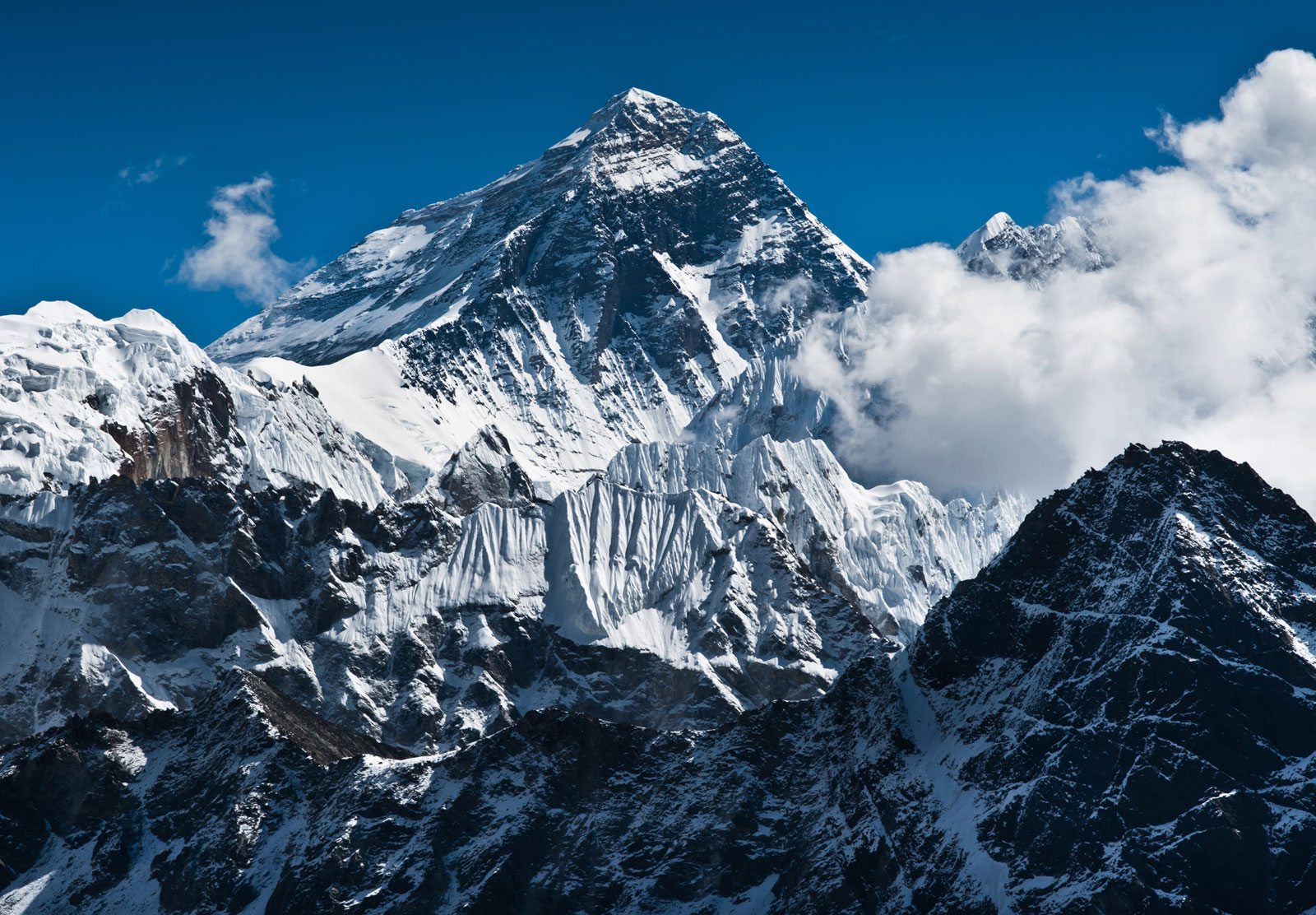
Higher in the mountains, the atmosphere is lighter. NOAA’s JetStream education materials explain that air pressure decreases with height because the number of air molecules decreases as elevation rises. With less outside pressure holding the liquid down, water vapor bubbles can form at a lower temperature. The pot may be bubbling vigorously, but the liquid is not as hot as a boiling pot at sea level.
This is why turning up the burner does not solve the problem once water is already boiling. A stronger flame can make water boil more violently and evaporate faster, but it will not raise the temperature of an open pot above its local boiling point. Extra heat mostly goes into changing liquid water into steam. To make boiling water hotter, the pressure around the water has to increase.
Why Boiled and Simmered Foods Need More Time
Many everyday foods soften through slow chemical and physical changes. Pasta starch absorbs water and gelatinizes. Beans need heat and moisture long enough for cell walls and stored starches to soften. Tougher cuts of meat become tender as connective tissue changes during long, moist cooking. Vegetables lose crispness as heat affects cell walls and internal moisture.
At high altitude, those processes are happening in water that may be several degrees cooler. The difference is especially noticeable in foods that already take time: dried beans, lentils, stews, braised meats, potatoes, and hard-cooked eggs. CSU Extension notes that meats cooked by simmering or braising may require about one-fourth more time at 5,000 feet than at sea level, and a hard-cooked egg that takes three minutes at sea level may take closer to five minutes at that elevation.
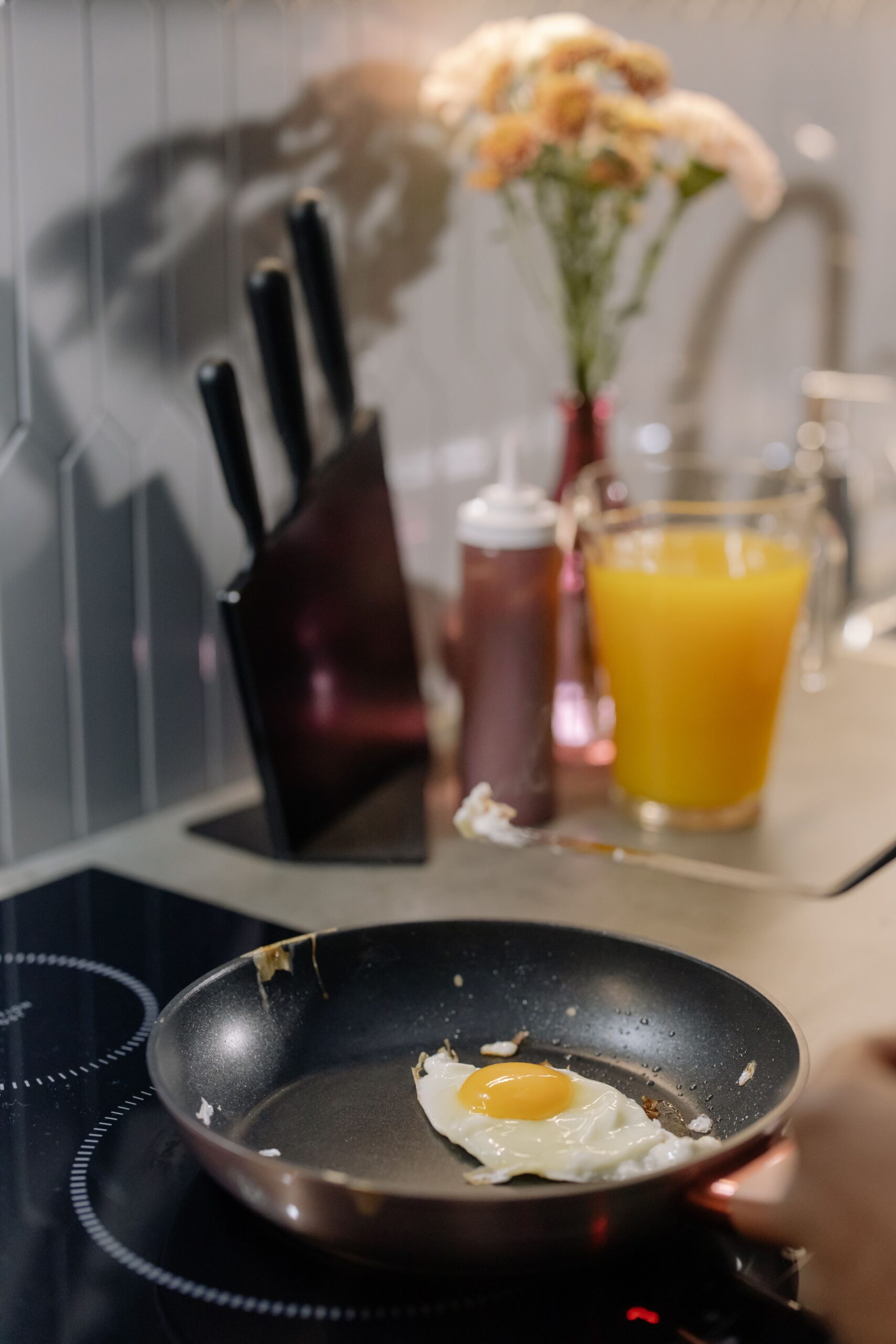
The slower cooking is not because the food is refusing to absorb heat. It is because the ceiling temperature is lower. A pot can bubble energetically while still delivering gentler heat than the same bubbling pot near the coast. That is also why a covered pot helps: it holds in heat and moisture, reduces evaporation, and keeps the cooking environment steadier.
Pressure Cookers Change the Rules
A pressure cooker works by trapping steam, which raises the pressure inside the pot. Higher pressure means water must reach a higher temperature before it can boil. In practical terms, a pressure cooker gives food a hotter moist-cooking environment than an open pot can provide, which is why beans, stews, grains, and tough meats often cook much faster under pressure.
This does not mean pressure cookers ignore altitude completely. The pressure inside the cooker is added to the outside atmospheric pressure, so the final cooking temperature can still vary somewhat with elevation. Still, the main idea is powerful: if lower pressure makes water boil cooler, then added pressure pushes the boiling point upward again. The cooker is not magic; it is a controlled pressure chamber.
Food safety adds another reason to pay attention. The USDA Food Safety and Inspection Service points out that high altitude lowers boiling temperature, so safe cooking depends on reaching proper internal temperatures rather than assuming a standard cooking time is enough. A food thermometer is more reliable than a recipe clock, especially for meat, poultry, casseroles, leftovers, and slow-cooked dishes.
Baking Has Its Own Altitude Problems
Boiling is the easiest altitude effect to see, but baking changes too. Cake batter, quick breads, muffins, and yeast doughs all trap gases. At lower air pressure, those gases expand more easily. A cake may rise fast, stretch its structure too far, and then collapse before the crumb has set. Bread dough can overproof sooner than expected, leaving a loaf that tastes flat or bakes into a coarse texture.
At the same time, moisture evaporates faster. Batters can dry out, sugar becomes more concentrated, and delicate baked goods may brown or set differently than the recipe writer expected. CSU Extension’s high-elevation guide recommends treating recipes as experiments: try small adjustments first, take notes, and change one or two variables rather than rewriting everything at once.
The most common adjustments make sense once the science is visible. Recipes may need a little more liquid, slightly less leavening, a modest temperature change, or a shorter baking time at a higher oven temperature so structure sets before gas bubbles overexpand. Cookies, muffins, yeast breads, and cakes do not all respond the same way, so the best adjustment depends on the food, the recipe, and the exact elevation.
The Everyday Clue Is the Boiling Point
The boiling point of water is a simple kitchen clue for a much larger idea: physical conditions shape familiar results. A recipe is not just a list of ingredients. It also assumes a certain pressure, moisture level, heat source, pan shape, and cooking time. Move that recipe from a coastal city to a mountain town, and some of those assumptions change quietly.
That does not make high-altitude cooking mysterious. It makes it more observable. If boiled foods are slow, think lower boiling temperature. If stews dry out, think faster evaporation and use a tighter lid or more liquid. If cakes rise and fall, think gas expansion and structure setting. If safety matters, measure temperature instead of trusting appearance alone.
The mountain kitchen teaches a useful science lesson because the evidence is right in the pot. Water does not always boil at the same temperature, and bubbling is not the same as being equally hot everywhere on Earth. Once that clicks, the odd behavior of pasta, beans, eggs, bread, and cake starts to feel less like bad luck and more like chemistry doing exactly what pressure tells it to do.