 Akshay Dinesh
Ice cream looks simple from the outside: cold, sweet, scoopable. But a good spoonful is doing something surprisingly difficult. It contains water, fat, sugar, proteins, flavorings, air, and tiny ice crystals, all held in a structure that is solid enough to scoop but soft enough to melt on the tongue. Plain water would freeze into a hard block. Cream by itself would not make the same smooth frozen foam. The familiar texture of ice cream comes from controlling how freezing happens, not merely from making a sweet mixture cold.
That is why two frozen desserts can taste similar but feel completely different. One may be dense and velvety, another airy and quick-melting, and another icy or grainy. The difference is not only the recipe. It is the size of the ice crystals, the amount of air, the behavior of milk fat, and the way sugar and stabilizers slow water down. Ice cream is a small, edible lesson in chemistry: texture depends on structure.
Ice cream is partly frozen and partly not
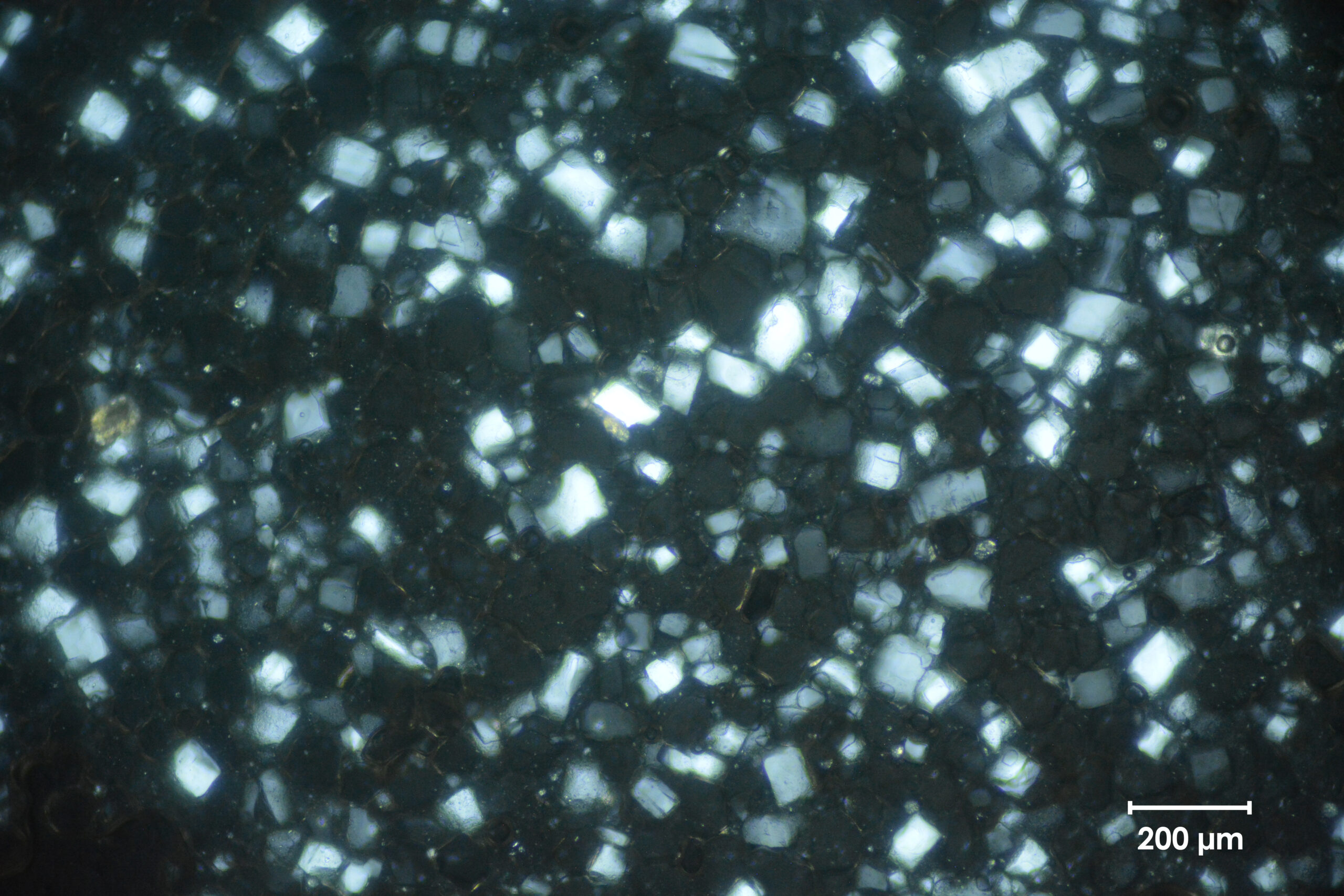
The first surprise is that ice cream is not a completely frozen solid. At freezer temperature, some of its water is locked into ice crystals, but some remains in a thick, syrupy liquid around those crystals. Sugar is a big reason. Dissolved sugar lowers the freezing point of the water in the mix, so the whole dessert does not freeze at once the way pure water would. As more water turns into ice, the remaining unfrozen liquid becomes more concentrated with sugar, minerals, milk proteins, and other dissolved ingredients.
That half-frozen structure is what makes a scoop possible. If nearly all the water froze into one rigid network, the dessert would be closer to a flavored ice cube. If too little water froze, it would be slushy or soupy. Good ice cream sits between those extremes: enough ice to hold shape, enough unfrozen liquid to keep the texture soft, and enough solids to make the melt feel rich instead of watery.
Food scientists often describe ice cream as a complex mixture rather than a single substance. It is an emulsion because fat droplets are dispersed through a water-based mixture. It is also a foam because air bubbles are trapped inside. It contains ice crystals suspended in a concentrated liquid phase. Those three pieces have to cooperate. When they do, the spoon glides through a scoop instead of scraping through a frozen block.
Small ice crystals make the texture feel creamy
Ice crystal size is one of the main reasons ice cream feels smooth or icy. Tiny crystals are hard for the tongue to detect individually, so the dessert feels creamy. Larger crystals make the texture crunchy or coarse. The goal is not to avoid ice; ice cream needs ice. The goal is to create many small crystals and then keep them from growing too much during storage.
Fast freezing helps. When the mix is chilled and churned, water begins forming many crystal seeds at once. Because the mixture is moving, those early crystals stay smaller than they would in a slow, still freeze. Churning also scrapes frozen material from cold surfaces and mixes it back into the batch. That movement limits the chance for a few large crystals to dominate.
Storage matters after the ice cream is made. If a carton warms on the counter and then refreezes, some small crystals melt. When the carton goes back into the freezer, that water can refreeze onto existing crystals, making them larger. The American Chemical Society explains this everyday problem clearly: melted and refrozen ice cream loses air pockets and grows larger ice crystals, which is why it often returns grainier and less fluffy than before. The change is not just taste fading. The microscopic structure has been damaged.
Air is an ingredient, even though it is not on the label
Ice cream also contains air, whipped in during freezing. The food science term for this is overrun, which means the increase in volume caused by added air. A small amount of air lightens the texture and makes the dessert easier to scoop. Too little air can make ice cream feel heavy and hard. Too much air can make it seem foamy, weak, or quick to collapse.
Air bubbles do more than lighten the spoonful. They help separate ice crystals and fat structures inside the mix. When air cells are small and well distributed, the frozen dessert feels smoother because the internal structure is more finely divided. Research on ice cream structure often looks at air cell size, ice crystal size, fat behavior, and mix viscosity together because none of those features works alone.
Air is also part of why ice cream melts the way it does. When a scoop warms, ice crystals turn back into liquid, the syrupy phase thins, and the air cells lose support. A slow, creamy melt usually means the structure is holding together for a while before collapsing. A watery puddle or foamy collapse suggests that the internal balance is different. Melting is not only a temperature change; it is a structure falling apart.
Fat and proteins help hold the structure together
Milk fat gives ice cream much of its rich flavor, but it also affects structure. In the mix, fat begins as tiny droplets dispersed through water. Milk proteins and emulsifiers help manage the boundary between fat and water, two ingredients that do not naturally blend into a stable mixture on their own. During churning, some fat droplets partially join together. They do not form one big lump of butter; instead, they create a loose network that helps support air bubbles and gives the dessert body.
This is one reason low-fat frozen desserts can be harder to make smooth. Removing fat changes both mouthfeel and structure. Makers can adjust with proteins, gums, sweeteners, or other ingredients, but the result will not behave exactly like a high-fat mix. The texture may still be pleasant, but the chemistry has shifted. Creaminess is not one ingredient; it is the combined effect of fat, water, air, dissolved sugar, and stabilizing molecules.
There is also a legal side to the word ice cream. In the United States, federal standards set minimum requirements for products sold as ice cream. The FDA standard of identity includes milkfat and milk-solids requirements, and USDA standards describe ice cream as weighing at least 4.5 pounds per gallon and containing at least 10 percent milkfat. Those rules are not written to explain every texture difference in the freezer aisle, but they show that ice cream has a defined composition, not just a familiar look.
Sugar and stabilizers slow down water
Sugar does more than sweeten. It lowers the freezing point, thickens the unfrozen liquid, and helps the dessert stay scoopable. Different sweeteners can affect softness and body in different ways because they interact with water differently. This is why frozen desserts are sensitive to recipe changes. Reducing sugar without changing anything else can make a dessert freeze harder or feel less smooth, even if the flavor seems balanced.
Stabilizers help control water movement. Ingredients such as guar gum, locust bean gum, carrageenan, or gelatin can thicken the liquid phase and slow the growth of ice crystals. They are often used in small amounts, but their effect can be noticeable. A stabilizer does not magically make ice cream creamy; it helps protect the structure that freezing and churning already created. In a carton that sits in a home freezer, where temperatures rise and fall each time the door opens, that protection can matter.
Emulsifiers play a different role. They help fat droplets behave in a way that supports the foam-like structure of ice cream. In many foods, emulsifiers keep fat droplets from joining together. In ice cream, they help manage partial joining so the fat network can hold air without turning into butter. That balance is delicate. Too little structure can make the dessert weak. Too much can make it waxy or heavy.
Why homemade ice cream can turn icy
Homemade ice cream is especially good at showing the science because small changes are easy to notice. If the base is not chilled before churning, freezing may happen too slowly. If the freezer bowl is not cold enough, large crystals can form before the mix firms up. If the finished ice cream is stored in a loose container, temperature swings and air exposure can encourage rougher texture. Even a good recipe can turn icy if the freezing process gives water too much time to reorganize.
Commercial ice cream makers have stronger tools: colder freezers, faster churning, controlled hardening rooms, and ingredient systems designed for shelf stability. A home kitchen can still make excellent ice cream, but it usually has less control over crystal size and storage temperature. That is why homemade batches often taste freshest soon after churning and may become harder or icier after several days.
The same explanation helps with melted cartons. Once ice cream has fully melted, its carefully arranged foam, emulsion, and ice-crystal structure are gone. Refreezing can make it cold again, but it cannot easily rebuild the original pattern of tiny crystals and air cells. The ingredients are still there, yet the architecture has changed. Texture remembers what happened.
A scoop is a frozen balancing act
Ice cream stays smooth because it is carefully kept from becoming just one thing. It is not simply frozen water, not simply sweet cream, and not simply whipped air. It is a controlled mixture of tiny ice crystals, air bubbles, fat droplets, dissolved sugars, proteins, and stabilizers. Each part changes how the others behave. That is why a spoonful can feel solid in the bowl, soft on the tongue, and liquid a few minutes later.
The next time a scoop turns icy after sitting out, the change is easier to understand. The cold dessert did not merely refreeze badly; its tiny structure was rebuilt in a rougher form. Smooth ice cream depends on keeping water from forming large crystals, keeping air bubbles supported, and keeping fat and liquid phases organized long enough for the texture to feel creamy. The pleasure of a good scoop is chemistry made edible, one small crystal and air bubble at a time.