 Akshay Dinesh
Carbon monoxide is dangerous partly because it gives people so little warning. Smoke can be seen. Natural gas is usually given a strong odor so leaks are easier to notice. Carbon monoxide, often shortened to CO, is different: it has no color, no smell, and no taste. A room can look normal while the air is slowly becoming unsafe.
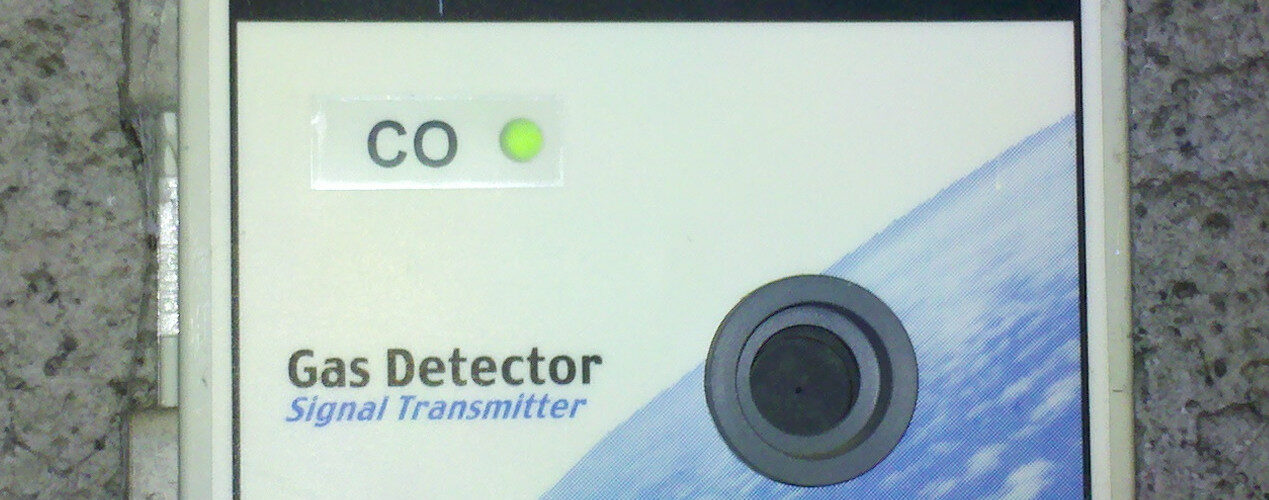
That is why a carbon monoxide alarm is not just another household gadget. It is a small chemistry lab on the wall, listening for a gas that human senses cannot detect. To understand why the alarm matters, it helps to follow the whole chain: how carbon monoxide forms, why it harms the body, how a sensor recognizes it, and why placement in a home changes whether the warning comes in time.
Carbon monoxide starts with incomplete combustion
Carbon monoxide is made when carbon-based fuel burns without enough oxygen for complete combustion. In ideal conditions, fuels such as natural gas, propane, gasoline, wood, oil, or charcoal burn mainly into carbon dioxide and water vapor. Real combustion is messier. If a flame does not get enough oxygen, if a burner is dirty, if exhaust gases cannot vent properly, or if an engine is running in a closed space, some carbon atoms may leave as carbon monoxide instead of carbon dioxide.
The U.S. Environmental Protection Agency lists fuel-burning appliances, leaking chimneys, furnaces, gas water heaters, gas stoves, fireplaces, and vehicle exhaust from attached garages among the major indoor sources to understand. The Centers for Disease Control and Prevention gives similar warnings about generators, grills, camp stoves, and engines used too close to living spaces. The common thread is not that one appliance is always unsafe. The issue is fuel burning in the wrong conditions: too little oxygen, poor maintenance, blocked venting, or exhaust entering a space where people breathe.

A clean blue flame often suggests that a gas burner is getting a better air-fuel mix than a lazy yellow flame, but flame color alone is not a complete safety test. Carbon monoxide can come from many fuel-burning systems, and some problems happen in vents or heat exchangers where a person may never see the flame. This is why annual inspection, good ventilation, and working alarms all play different roles. One does not replace the others.
Why the gas is so hard for the body to handle
Carbon monoxide becomes dangerous after it is breathed into the lungs and passes into the blood. Red blood cells normally carry oxygen using a protein called hemoglobin. Carbon monoxide can attach to hemoglobin very strongly, leaving fewer places for oxygen to ride through the bloodstream. When enough hemoglobin is tied up this way, tissues that depend on oxygen can struggle even if the room still contains plenty of ordinary air.
This helps explain why carbon monoxide poisoning can be confusing at first. Early symptoms may resemble common illnesses: headache, dizziness, weakness, nausea, or tiredness. People may not connect those signs to the air around them, especially if several people in the same home are becoming unwell at the same time. Pets can also be affected. The danger grows when people are asleep, distracted, or trying to reason through symptoms instead of leaving the area.
A home alarm cannot diagnose illness, repair an appliance, or measure a person’s blood chemistry. Its job is narrower and extremely important: detect carbon monoxide in the air early enough for people to get out and call for help. That warning matters because waiting for the gas to become obvious will not work. Carbon monoxide is not going to announce itself with smoke, smell, or visible haze.
How an electrochemical sensor turns gas into a signal
Many modern carbon monoxide alarms use electrochemical sensors. The National Institute of Standards and Technology describes this common design as a sensor with electrodes and an electrolyte, sealed behind a gas-permeable barrier. Carbon monoxide can pass into the sensing chamber. Once inside, it takes part in a chemical reaction at the electrode surface, and that reaction changes the electrical current flowing through the sensor.
That current change is the alarm’s clue. A tiny processor inside the device compares the sensor signal with programmed thresholds. The alarm is not simply asking whether one molecule of CO exists, because tiny traces can appear without an immediate emergency. It is watching concentration and time together. Higher levels should trigger a warning faster. Lower levels may need to persist before the alarm sounds. This prevents constant false alarms while still warning people before exposure becomes more dangerous.
Older or less common designs have used other approaches, including metal oxide semiconductor sensors and biomimetic sensors that respond with a color change. Electrochemical sensors became common because they can be compact, sensitive, and well suited to household alarms. They still age, though. The chemicals and components inside do not last forever, which is why alarms have replacement dates and end-of-life signals. A unit that chirps because it has reached the end of its sensor life is not asking for patience. It is asking to be replaced.
The test button on an alarm is useful, but it is often misunderstood. Pressing it usually checks the horn, battery, and electronics; it does not prove that the sensor can still detect every real CO event perfectly. Manufacturer instructions matter here. So do replacement dates printed on the device or listed in the manual. A quiet alarm with an expired sensor can create a false sense of safety.
Placement changes whether the warning reaches people
Carbon monoxide mixes with air rather than reliably staying only near the floor or ceiling. That means placement advice usually focuses less on height myths and more on whether people will hear the alarm where they sleep and spend time. The Consumer Product Safety Commission recommends CO alarms on each level of the home and outside sleeping areas. The National Fire Protection Association gives similar guidance, calling for alarms in a central location outside each sleeping area and on every level, with local code and manufacturer instructions also shaping exact placement.
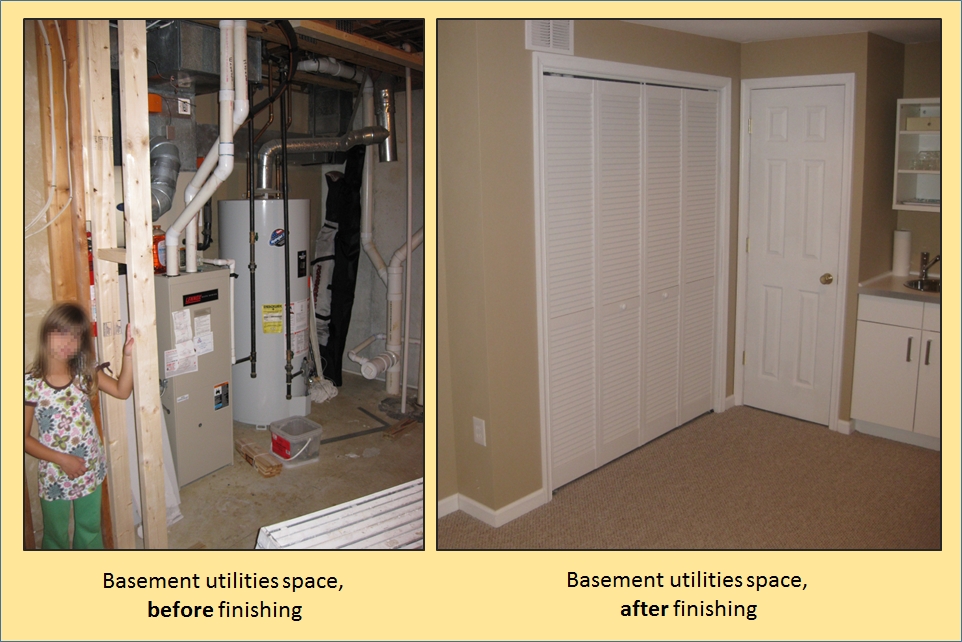
Sleeping areas deserve special attention because carbon monoxide can build while people are least able to notice symptoms. A single alarm tucked beside a furnace may not be enough if bedroom doors are closed upstairs and the alarm is too far away to wake anyone. Multi-level homes need more coverage. Homes with attached garages, fireplaces, fuel-burning heaters, or gas appliances also need careful attention, but even all-electric homes may still face risk from attached garages, portable generators nearby, or neighboring spaces in multi-unit buildings.
Placement should also avoid locations that create nuisance readings or block the sensor. An alarm should not be hidden behind furniture, covered by curtains, placed where direct steam or cooking fumes frequently interfere, or installed contrary to the manufacturer’s instructions. The goal is simple: put alarms where they can sample normal room air and where their warning can be heard quickly.
Why alarms do not replace prevention
A carbon monoxide alarm is a last line of warning, not a permission slip for risky fuel use. Portable generators should never run indoors, in garages, or near open windows where exhaust can be pulled inside. Charcoal grills and camp stoves belong outdoors, not in kitchens, tents, basements, or enclosed porches. Cars should not be left running in attached garages, even with the garage door open. Fuel-burning appliances need the venting and maintenance their design requires.
Prevention also means noticing conditions that make incomplete combustion more likely. Blocked chimneys, damaged furnace parts, poorly adjusted burners, clogged vents, and makeshift heating methods can all increase risk. After storms, power outages, or winter cold snaps, carbon monoxide incidents often rise because people improvise heat or electricity in unsafe ways. The CDC and CPSC both warn strongly against using outdoor equipment indoors for exactly this reason.
If a CO alarm sounds, the safest response is to treat it as real. People should move to fresh air and contact emergency services or the appropriate local authority once they are outside. Opening windows while staying inside to investigate can waste the warning the alarm just provided. The source may not be obvious, and the gas can affect judgment as exposure increases.
The quiet value of a working warning system
Carbon monoxide alarms are easy to overlook because they do their work silently until something is wrong. That silence can make them seem less urgent than devices people use every day. But their value comes from being ready before there is any visible problem. A detector on the wall is watching the chemistry of the room in a way the people in the room cannot.
The best safety plan is layered. Fuel-burning equipment should be installed and maintained correctly. Exhaust should vent outdoors. Generators, grills, and engines should stay out of enclosed spaces. Alarms should be placed where people can hear them, tested as directed, supplied with working batteries or backup power, and replaced when their sensors expire. Each layer covers a different weakness.
Carbon monoxide is often described as invisible, but that should not make it mysterious. It forms when fuel burns incompletely. It harms people by interfering with oxygen transport. An alarm detects it by turning a chemical reaction into an electrical signal. Once those pieces are clear, the small device on the wall looks less like a plastic box and more like a careful early-warning system for one of the home’s most silent hazards.