
Leap seconds keep atomic time near Earth time, but modern networks and satellites have made one extra second surprisingly hard to manage.
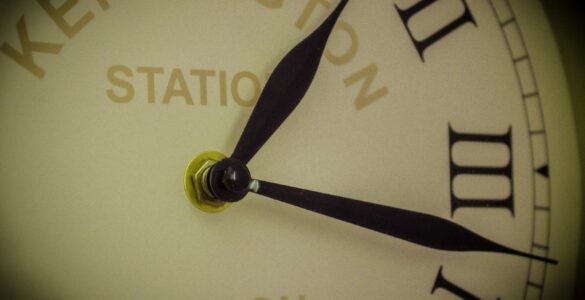
Leap seconds keep atomic time near Earth time, but modern networks and satellites have made one extra second surprisingly hard to manage.

Decibels use logarithms to compare sound levels, which is why a few dB can mean a much bigger change than it seems.

Hot beach sand and cooler water reveal how specific heat, mixing, moisture, and surface temperature shape everyday heat.
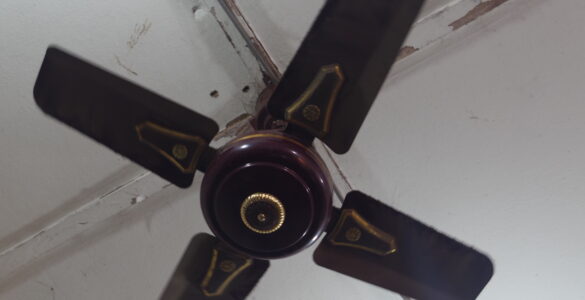
Fans do not lower room temperature much, but moving air helps people shed heat through convection and sweat evaporation.

Road signs glow at night because retroreflective materials send headlight beams back toward the driver instead of scattering them away.

Charcoal grills get hotter when oxygen, convection, and vents work together, turning glowing coals into steady cooking heat.

Closing curtains before direct sun reaches a window can reduce solar heat gain and help a room stay cooler later in the day.

Wake turbulence comes from spinning wingtip vortices. Learn why aircraft need spacing after takeoff and landing.

Swimming pool water looks blue because deep clear water absorbs more red light and lets more blue light return to your eyes.

Sound moves faster and farther in water than in air, changing how swimmers hear, how sonar works, and how ocean animals communicate.
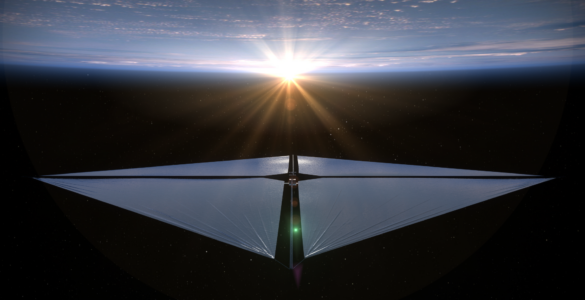
Solar sails use the tiny push of sunlight to move spacecraft, turning photon momentum into steady fuel-free propulsion.

Power strips add outlets in a dorm room, but overloaded cords, heaters, and daisy chains can turn convenience into a fire risk.
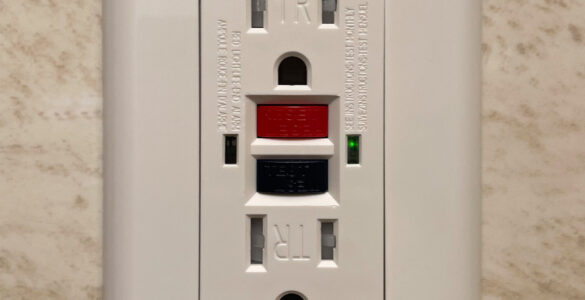
GFCI outlets compare current leaving and returning, shutting off power fast when electricity leaks through an unsafe path.

Tennis court surfaces change speed, bounce, spin, and strategy through friction, energy return, and surface texture.
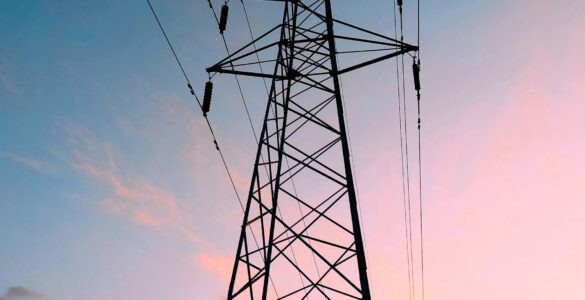
Hot weather makes power lines expand, carry heat differently, and hang lower, which affects safety clearances and grid limits.


Copyright © 2026 Novo Learner
 Akshay Dinesh