
Spacecraft are shaken, blasted with sound, heated, chilled, and checked for interference before launch. See what each test reveals.
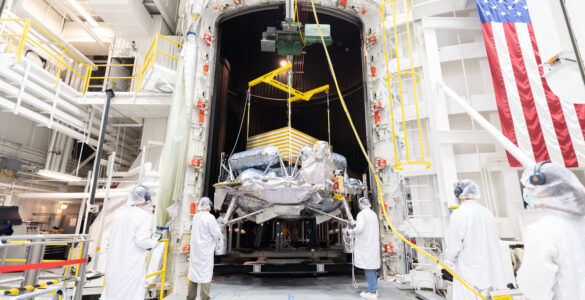
Spacecraft are shaken, blasted with sound, heated, chilled, and checked for interference before launch. See what each test reveals.

Acoustic foam reduces echo, but soundproofing blocks transmission. See how gaps, mass, decoupling, STC, and NRC shape quieter rooms.

Metal and wood can share the same temperature yet feel different. Heat flow, conductivity, and thermal effusivity explain the sensation.
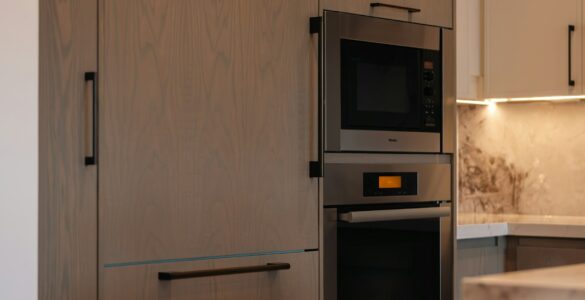
Standing waves, food composition, and slow heat conduction create microwave hot spots. Learn why stirring and resting make reheating safer.

Rocket stages shed empty tanks and engines so the remaining vehicle can gain orbital speed. See how staging beats the rocket equation's mass problem.

A closed bedroom door can slow smoke, heat, and toxic gases during a house fire. See what fire tests show and how to plan a safer escape.

Wool is not waterproof, but its crimped fibers and unusual moisture chemistry help it stay comfortable when damp. Here is how it works.

Car windows fog when glass crosses the air's dew point. Learn why moisture forms inside or outside and how defrosters clear the view.
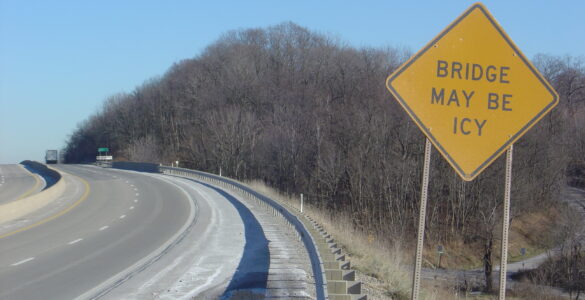
Bridge decks lose heat from above and below. See why they ice first, how black ice forms, and how road crews track the danger.
Cooler nighttime air can expose a weak smoke alarm battery. Learn what a chirp means, what else causes it, and how to respond safely.
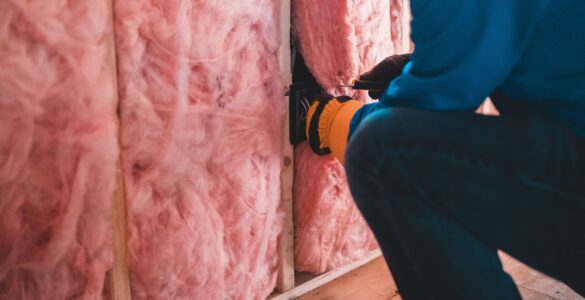
Learn what insulation R-value measures, why whole walls perform differently, and how air leaks, framing, and installation change the result.

Wet leaves hide pavement texture and form shifting, low-friction layers. See why grip disappears and how to cross them more safely.
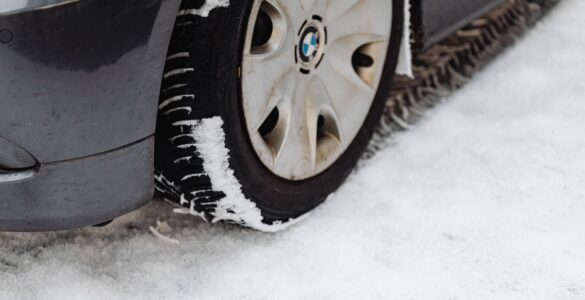
Cold air lowers tire pressure even without a leak. See how gas laws, warm tires, and TPMS explain the change and when to add air.
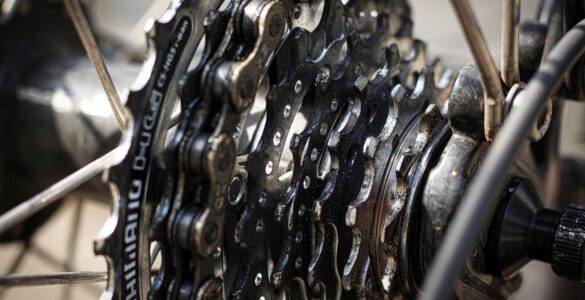
Bike gears trade speed for force. Lower gears make climbing easier by changing how each pedal turn moves the wheel.
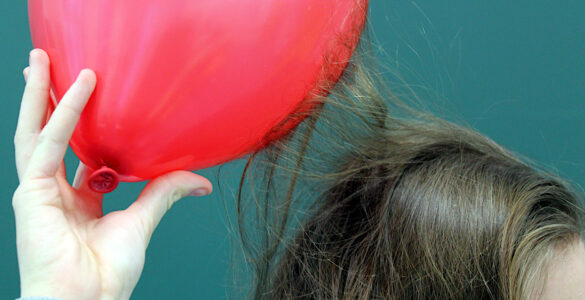
Static electricity builds when electrons shift between surfaces, making hair, clothes, paper, and doorknobs act surprisingly charged.


Copyright © 2026 Novo Learner
 Akshay Dinesh