 Akshay Dinesh
A jet cruising high above the clouds is flying through air that is much thinner than the air on the ground. The view from the window may look calm, but outside the fuselage the pressure is low enough that ordinary breathing would quickly become unsafe. Passengers do not feel that extreme environment because the cabin is managed like a carefully controlled pocket of air. It is not sealed at sea-level conditions, and it is not open to the sky. It sits somewhere in between, using pressure, airflow, and aircraft structure to make high-altitude flight possible.
That compromise is one of the quiet reasons modern air travel works. Commercial jets fly high because thinner air can reduce drag and help long flights use fuel more efficiently, but the human body did not evolve for 35,000 feet. Cabin pressurization solves that mismatch. It gives passengers enough air pressure for normal breathing while keeping the airplane light and strong enough to handle repeated climbs, cruises, descents, and landings.
High Altitude Air Is Too Thin for Ordinary Breathing
Air is a mixture of gases, and oxygen is only useful to the body when enough of it reaches the lungs under enough pressure. At sea level, the weight of the atmosphere presses air into a dense layer around us. As altitude rises, there is less air above, so atmospheric pressure falls. The percentage of oxygen in the air stays roughly the same, but each breath contains fewer oxygen molecules because the air is thinner.
That is why altitude matters even before a person reaches the height of a jetliner. Hikers at high mountain elevations may breathe harder, tire faster, or feel lightheaded because their bodies are working with lower oxygen pressure. At typical airline cruising altitudes, the difference is far more serious. A person breathing the outside air at that height would not simply feel a little tired. Without pressurization or supplemental oxygen, judgment and consciousness can fail quickly.
The Federal Aviation Administration’s medical guidance reflects this pressure problem in smaller aircraft too. It requires supplemental oxygen for flight crew after extended exposure above certain cabin pressure altitudes, and every occupant must be provided oxygen at still higher cabin pressure altitudes. Large passenger jets avoid putting travelers in that situation during normal flight by keeping the occupied compartments pressurized.
Cabin Altitude Is a Pressure Shortcut
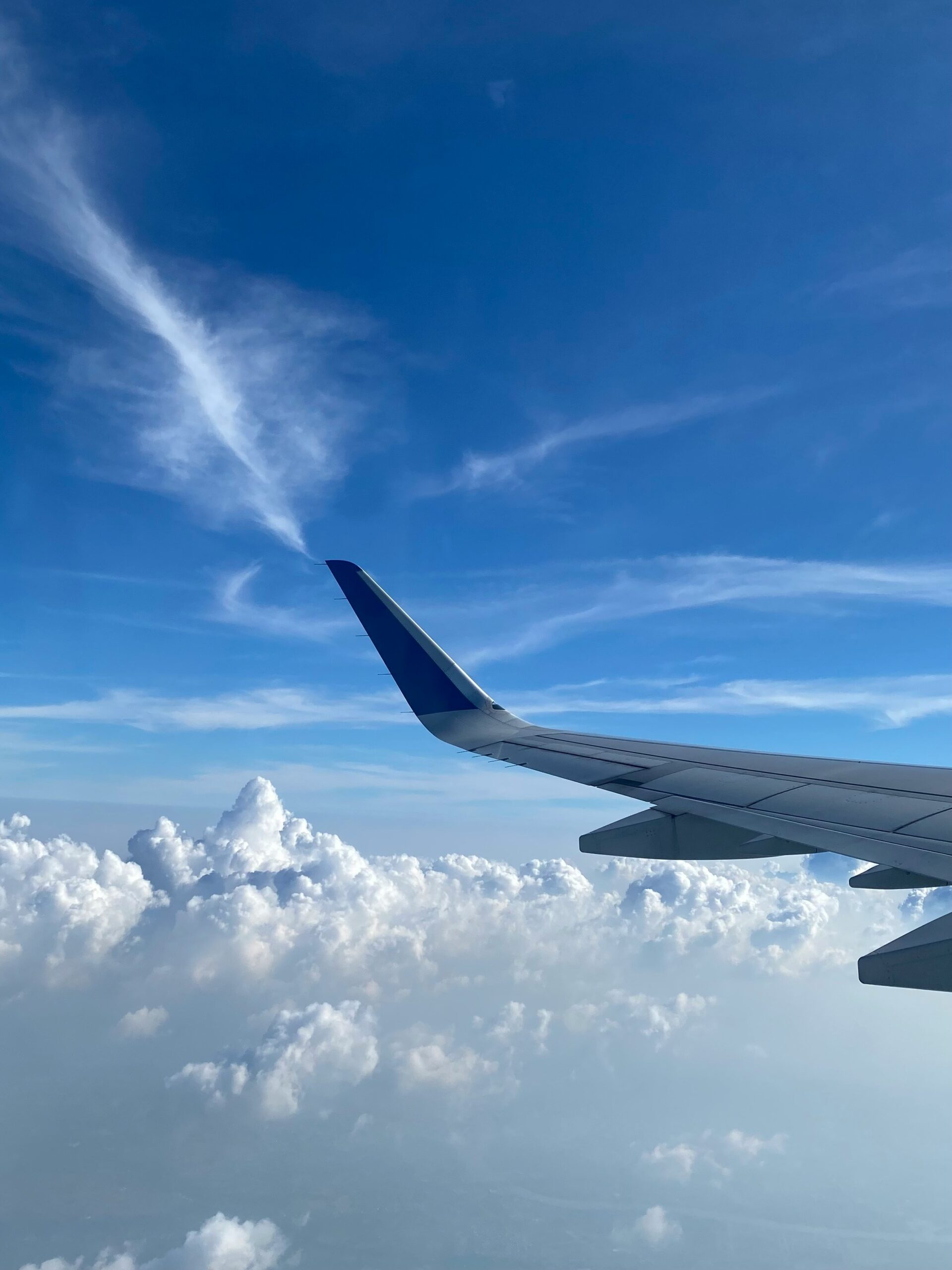
When aviation rules and pilots talk about cabin altitude, they are not talking about the airplane’s actual height above the ground. Cabin altitude means the altitude where the outside atmosphere would have the same pressure as the air inside the cabin. If the cabin altitude is 7,000 feet, the pressure inside feels roughly like the pressure on a mountain at 7,000 feet, even if the airplane itself is cruising much higher.
This idea helps explain why an airplane cabin does not usually feel like sea level. Federal rules for many transport-category aircraft are built around keeping occupied pressurized compartments from exceeding a cabin pressure altitude of 8,000 feet during normal operation at the aircraft’s maximum operating altitude. In plain terms, the cabin is normally kept much denser than the air outside the airplane, but not as dense as air at the beach.
That middle ground is deliberate. Holding the cabin at full sea-level pressure while the airplane flies through very thin air would create a larger pressure difference across the fuselage. The airplane would need more structural strength to contain that difference, which usually means more weight. More weight affects fuel use, range, cost, and design. A cabin altitude below the regulatory limit gives healthy passengers enough pressure for ordinary travel while avoiding unnecessary strain on the aircraft.
The cabin altitude also changes gradually. During climb, the airplane’s actual altitude rises quickly, but the cabin pressure is adjusted more slowly. During descent, the system increases cabin pressure so it can meet the pressure near the destination airport by landing. That gradual change is why passengers may feel ears pop or bottles flex, but not the full force of the outside atmosphere changing around the aircraft.
How the Cabin Gets and Controls Its Air
A pressurized cabin needs both air supply and pressure control. In many jet aircraft, air for the cabin comes from the engine compressor system or from dedicated compressors, then passes through environmental controls that adjust temperature and flow. The goal is not simply to pump air in and trap it. The system must keep fresh air moving, condition it for comfort, and control how quickly pressure changes.
Pressure is managed by balancing air entering the cabin with air leaving it. A key part of that balance is the outflow valve, which controls how much air can escape from the pressurized area. If more air enters than leaves, cabin pressure rises. If more leaves than enters, cabin pressure falls. During a normal flight, automatic controllers adjust this balance so passengers experience a planned pressure schedule rather than abrupt changes.
The fuselage acts as a pressure vessel, but it is not a rigid bottle. Each flight adds a pressure cycle: the cabin is pressurized as the airplane climbs and gradually depressurized as it descends. Engineers have to account for those cycles because repeated pressure changes can fatigue materials over time. That is one reason aircraft inspection, maintenance, and design testing pay close attention to the structure around doors, windows, seams, and other openings.
Pressurization Is a Balance Between People and Structure
From the passenger’s point of view, more pressure might sound automatically better. A lower cabin altitude can feel more comfortable because the body is working with denser air. Some newer aircraft are designed to maintain lower typical cabin altitudes than older designs, partly to improve comfort on long flights. But pressure is never just a comfort setting. It is an engineering load.
The pressure difference between the cabin and the outside air pushes outward on the fuselage. At cruise altitude, the airplane is holding back a large invisible force spread across the skin of the aircraft. The larger the difference, the more the structure must resist. Designers can strengthen the fuselage, choose different materials, shape windows and doors carefully, and test pressure cycles, but every choice has consequences.
This is why cabin pressurization is not a simple contest between comfort and discomfort. It is a managed compromise. Passengers need enough pressure to breathe safely and feel reasonably well. The aircraft needs to stay light enough to fly efficiently and strong enough to endure thousands of pressure cycles. The pressurization system sits at the center of that compromise, translating human biology into aircraft engineering.
It also explains why pressure changes are noticeable even in a well-functioning airplane. A perfectly constant sea-level cabin from takeoff to landing would demand more from the aircraft than necessary. Instead, the system allows the cabin pressure to move in a controlled way. The change is small compared with the outside environment, but large enough for ears, water bottles, snack bags, and sinuses to notice.
What Oxygen Masks Are Really For
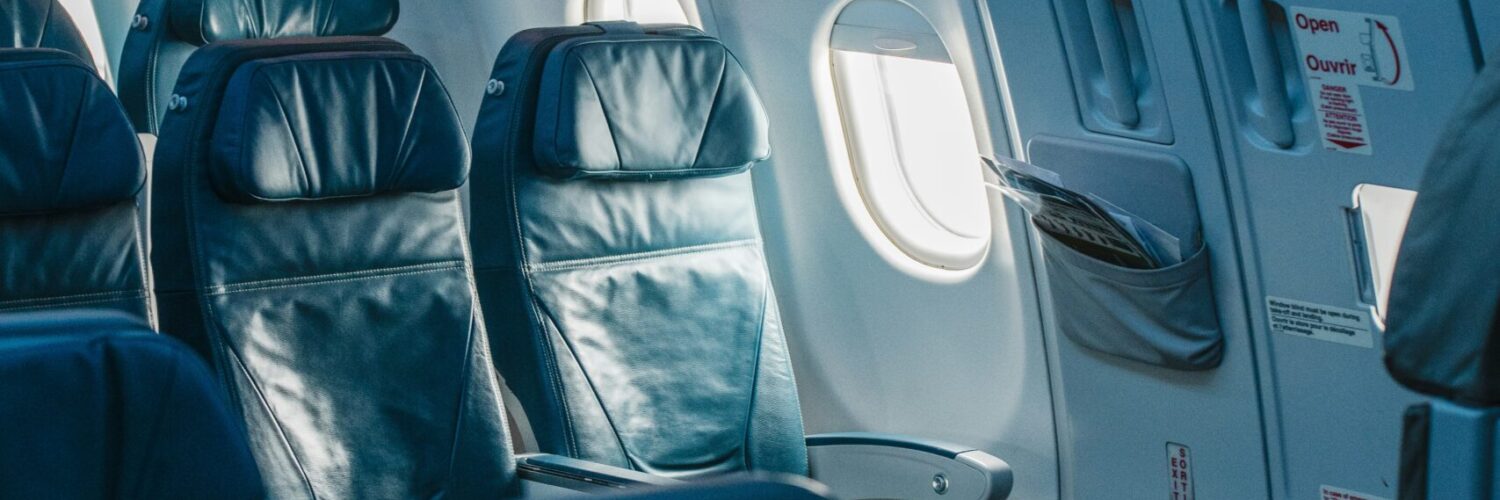
The oxygen masks above passenger seats are not there because ordinary cabin air is running out during a normal flight. They are part of the backup plan for a loss of cabin pressure. If the airplane can no longer keep the cabin at a safe pressure altitude, passengers need supplemental oxygen while pilots descend to a lower altitude where the outside air is dense enough for safer breathing.
This is also why airline safety briefings say to put on your own mask before helping someone else. At high altitude, the problem is not panic alone. It is the body’s limited time to think clearly when oxygen pressure drops. The mask gives a temporary oxygen supply during the emergency response. The aircraft’s goal is not to stay high with masks indefinitely; it is to get down to an altitude where pressurization is no longer doing the same life-support job.
A rapid pressure loss is rare, but pressurization planning treats it seriously because the margin at cruising altitude is thin. The system, alarms, oxygen equipment, and pilot procedures are all designed around the same physical fact: people need enough oxygen pressure, not just oxygen as a word on a safety card. The cabin normally provides that pressure quietly. The masks are there for the moment when the cabin can no longer do it.
The Quiet Physics Behind a Normal Flight
Cabin pressurization is easy to ignore because a successful system feels ordinary. Passengers read, sleep, watch screens, or look out at the clouds while the aircraft continuously manages air pressure around them. The outside world is extremely different from the inside world, separated by a fuselage that is designed, monitored, and maintained to hold a livable atmosphere.
The most useful way to think about pressurization is not that an airplane creates sea level in the sky. It creates a safe lower-altitude version of the sky inside the cabin. That version has enough pressure for normal travel, changes slowly enough for most bodies to adjust, and stays within the structural limits of the aircraft. The result is a carefully engineered compromise that passengers experience as a normal cabin.
Every smooth flight is carrying that invisible lesson. Air pressure is not just a weather number or a physics-class idea; it shapes whether people can breathe, how materials are stressed, why ears pop, and why aircraft need backup oxygen systems. A cabin that feels uneventful at cruising altitude is doing something remarkable. It is making a place where the human body can sit comfortably inside a machine flying through air that is far too thin to breathe on its own.