 Akshay Dinesh
An evaporative cooler feels almost magical the first time it works well. Hot air moves through a wet pad, a fan pushes the air into a room, and the temperature drops without the familiar hum of a compressor. The trick is not magic, though. It is the same cooling process that makes sweat useful, damp clay pots stay cooler than the air around them, and a wet thermometer read lower than a dry one.
The catch is that evaporative cooling depends heavily on the air itself. In a dry climate, air has room to take in more water vapor, so evaporation can happen quickly and carry heat away. In humid air, the same cooler may move plenty of air and water but produce far less relief. That difference is why evaporative coolers are often associated with desert and semi-arid regions, while traditional air conditioners dominate muggy places.
Cooling by Turning Liquid Water Into Vapor
Water needs energy to evaporate. When liquid water changes into water vapor, its molecules break away from the surface and spread into the air. That phase change takes heat from the nearby water, pad, and moving air. The result is cooler air leaving the wet surface.
An evaporative cooler uses that process on purpose. A pump keeps pads wet, outdoor air passes through those pads, and a fan sends the cooled air indoors. Unlike a standard air conditioner, it does not cool by compressing and expanding refrigerant in a closed loop. It cools by adding water vapor to the air while removing sensible heat from it.
That tradeoff matters. The air leaving the cooler is cooler, but it is also more humid. In a dry place, that added moisture may feel comfortable. In a humid place, the room may begin to feel clammy, and the cooler has less ability to lower the temperature in the first place.

Why Dry Air Makes the Cooler Stronger
Air can hold only so much water vapor at a given temperature. When the air is dry, it is far from that limit. Water molecules can leave the wet pad easily because the surrounding air can accept them. Faster evaporation means more heat is used in the phase change, so the air temperature can fall more.
When the air is humid, it is already carrying a lot of water vapor. Evaporation slows because the air is closer to saturation. The wet pad may still be wet and the fan may still be running, but less water can evaporate into the air. Less evaporation means less cooling.
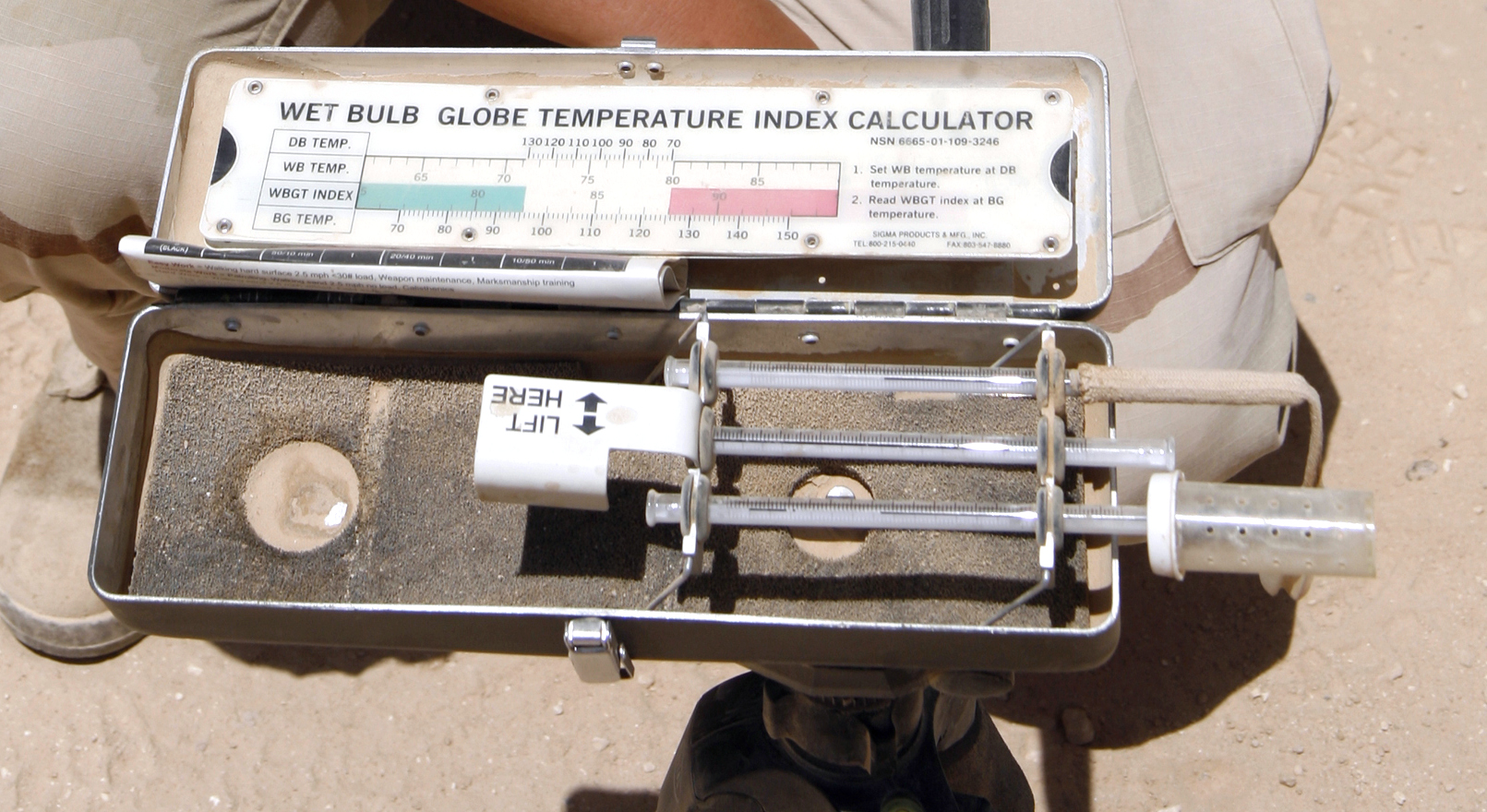
The National Weather Service uses the relationship between dry-bulb temperature, wet-bulb temperature, and dew point to explain this same idea. A dry-bulb temperature is the regular air temperature. A wet-bulb temperature is measured with a thermometer bulb kept wet and ventilated. The drier the air, the more the wet bulb cools below the dry bulb. At 100 percent relative humidity, evaporation is effectively blocked, so the wet-bulb and dry-bulb temperatures become the same.
Wet-Bulb Temperature Sets the Limit
An evaporative cooler cannot cool air below the wet-bulb temperature of the incoming air. That limit is why two days with the same thermometer reading can produce very different results. A hot, dry afternoon may have a much lower wet-bulb temperature than the dry-bulb temperature, leaving plenty of cooling potential. A hot, humid afternoon may have a wet-bulb temperature much closer to the actual air temperature, leaving little room for the cooler to work.
The U.S. Department of Energy’s Building America Solution Center notes that evaporative coolers work best in dry climates where cooling-season wet-bulb temperatures stay low. The guide gives Phoenix as a useful example of a hot place where the dry-bulb design temperature can be very high while the coincident wet-bulb temperature is much lower. That gap is the opportunity the cooler uses.
This is also why a simple temperature forecast is not enough to judge evaporative cooling. A reading of 95 degrees can mean one thing in dry inland air and another in a humid coastal or subtropical setting. Dew point, relative humidity, and wet-bulb temperature reveal whether evaporation has space to do useful work.
How Evaporative Coolers Differ From Air Conditioners
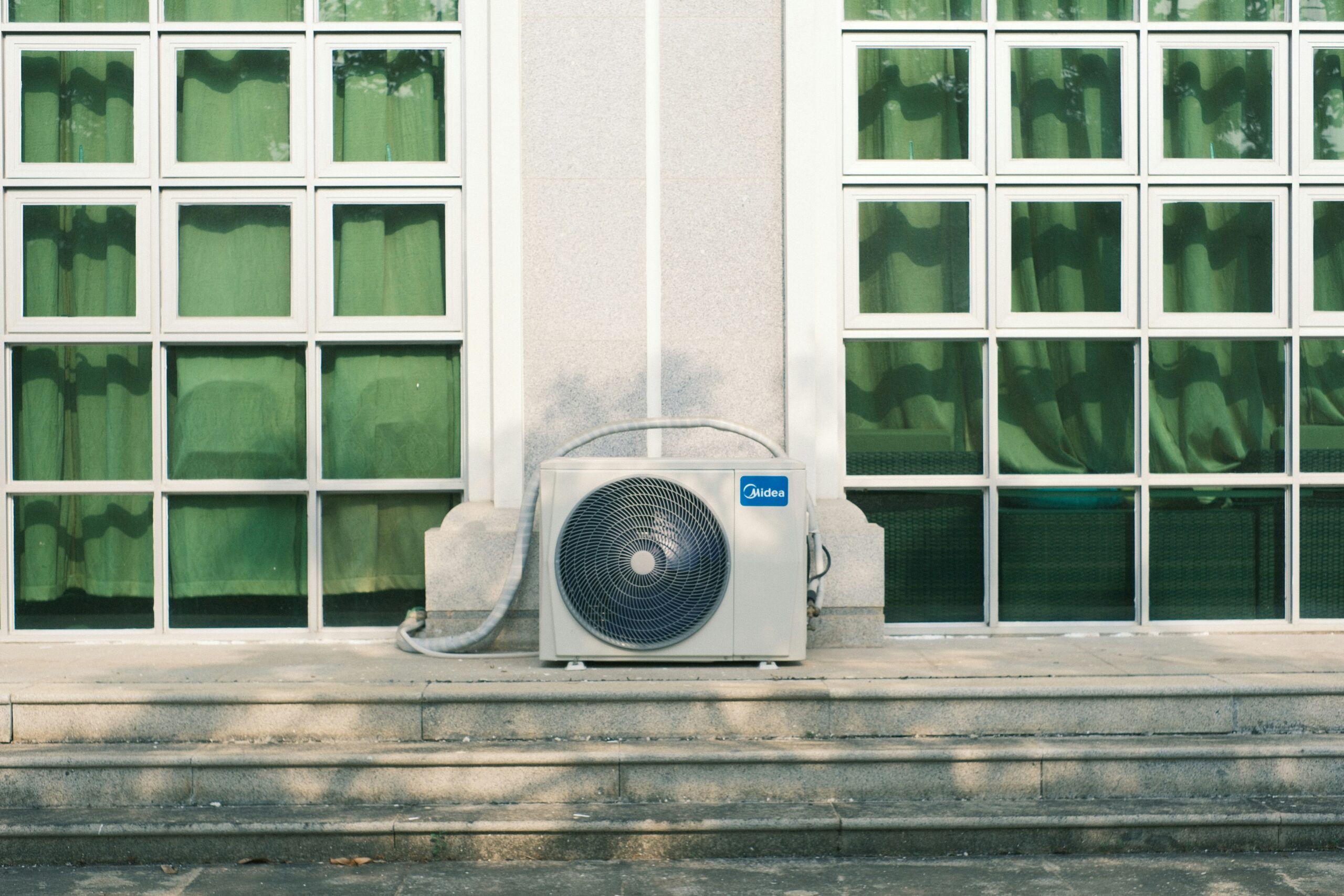
A standard air conditioner usually cools indoor air by moving heat through a refrigerant cycle. Warm indoor air passes over a cold coil, heat moves into the refrigerant, and that heat is released outdoors. As the coil gets cold, water vapor in the indoor air can condense into liquid water. That is why air conditioners often remove moisture while they cool.
An evaporative cooler does almost the opposite with moisture. It brings in outdoor air, passes it over water, and sends cooler but more humid air indoors. Because it relies on fresh airflow, a building usually needs open windows, vents, or exhaust paths so air can leave as new air enters. Without that movement, humidity can build and the cooling effect can fade.
The energy use can be much lower because the main electrical load is usually a fan and a small pump, not a compressor. The Building America guide describes evaporative coolers as a less expensive alternative in suitable dry climates and notes that they can use far less energy than central air conditioning. The savings, however, are tied to climate and comfort needs. A system that works beautifully in a dry region may be disappointing or impractical in a humid one.
Why Airflow and Ventilation Matter
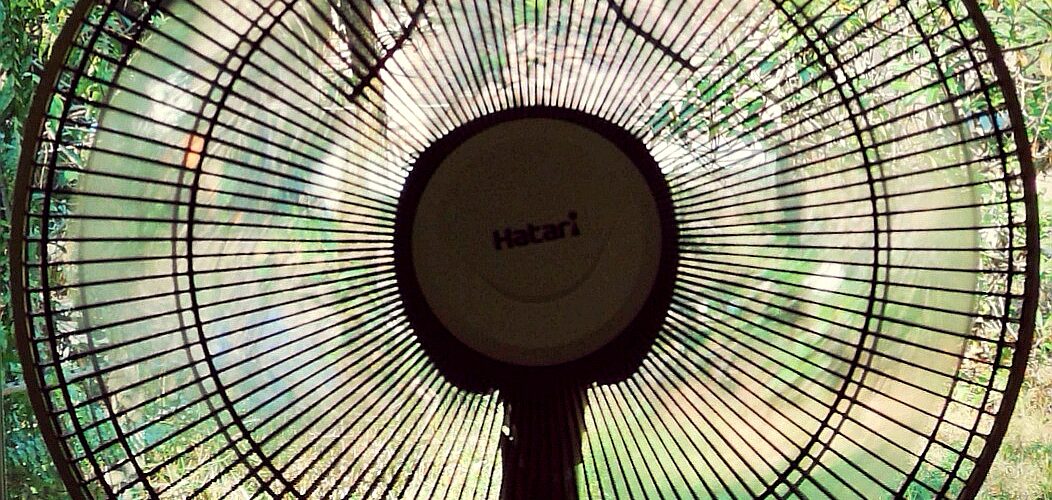
Evaporation happens best when fresh, relatively dry air keeps moving across a wet surface. If air sits still near the pad, it quickly becomes more humid, and evaporation slows. A fan solves that problem by constantly replacing the air touching the wet pad with new air that can absorb more water vapor.
Ventilation is just as important inside the building. Since direct evaporative coolers add moisture to the supply air, the building cannot be treated like a tightly sealed box. Openings let humidified indoor air leave and make room for the next stream of cooled outdoor air. Many comfort complaints with evaporative coolers come from poor airflow, clogged pads, mineral buildup, or windows and vents that are not adjusted for the system.
Water quality also matters. As water evaporates, dissolved minerals can stay behind on pads and equipment. Regular maintenance keeps air moving through the pads and helps the cooler keep doing the physics it was built to do. The basic idea is simple, but the equipment still needs clean surfaces, steady water flow, and an exit path for air.
Where the Lesson Shows Up Beyond Cooling
Evaporative coolers are one example of a much wider principle. Sweating works because water evaporates from skin and carries heat away from the body. A wet cloth wrapped around a bottle cools better in dry, breezy air than in still humid air. Plants cool their surroundings partly through evapotranspiration, the movement of water from soil and leaves into the air.
The same principle also explains why humidity changes how heat feels. On a dry day, sweat can evaporate more easily, so the body has a stronger cooling pathway. On a humid day, sweat may sit on the skin without evaporating quickly, so the body struggles to shed heat. That is why heat safety discussions often look beyond the thermometer.
Evaporative cooling is most useful when the surrounding air is ready to receive water vapor. Dry air creates a strong path for evaporation, and evaporation uses heat. Once that is clear, the cooler no longer seems mysterious. It is a machine built around a familiar natural process: water becoming vapor, heat moving with it, and air becoming cooler only when the atmosphere leaves enough room for the change to happen.