
 Akshay Dinesh
A severe-weather alert can arrive while the sky still looks quiet, while rain is already pounding the windows, or while a phone is buzzing during dinner. The words matter. A watch, a warning, and an emergency do not describe the same level of danger, and treating them as interchangeable can cost people precious minutes.
The National Weather Service uses these alerts to move people from awareness to action. A watch means the ingredients for dangerous weather are coming together. A warning means the hazard is happening, has been detected by radar, or is expected very soon in a specific area. That difference is simple, but it changes what a person should do next.
A Watch Means Conditions Are Favorable
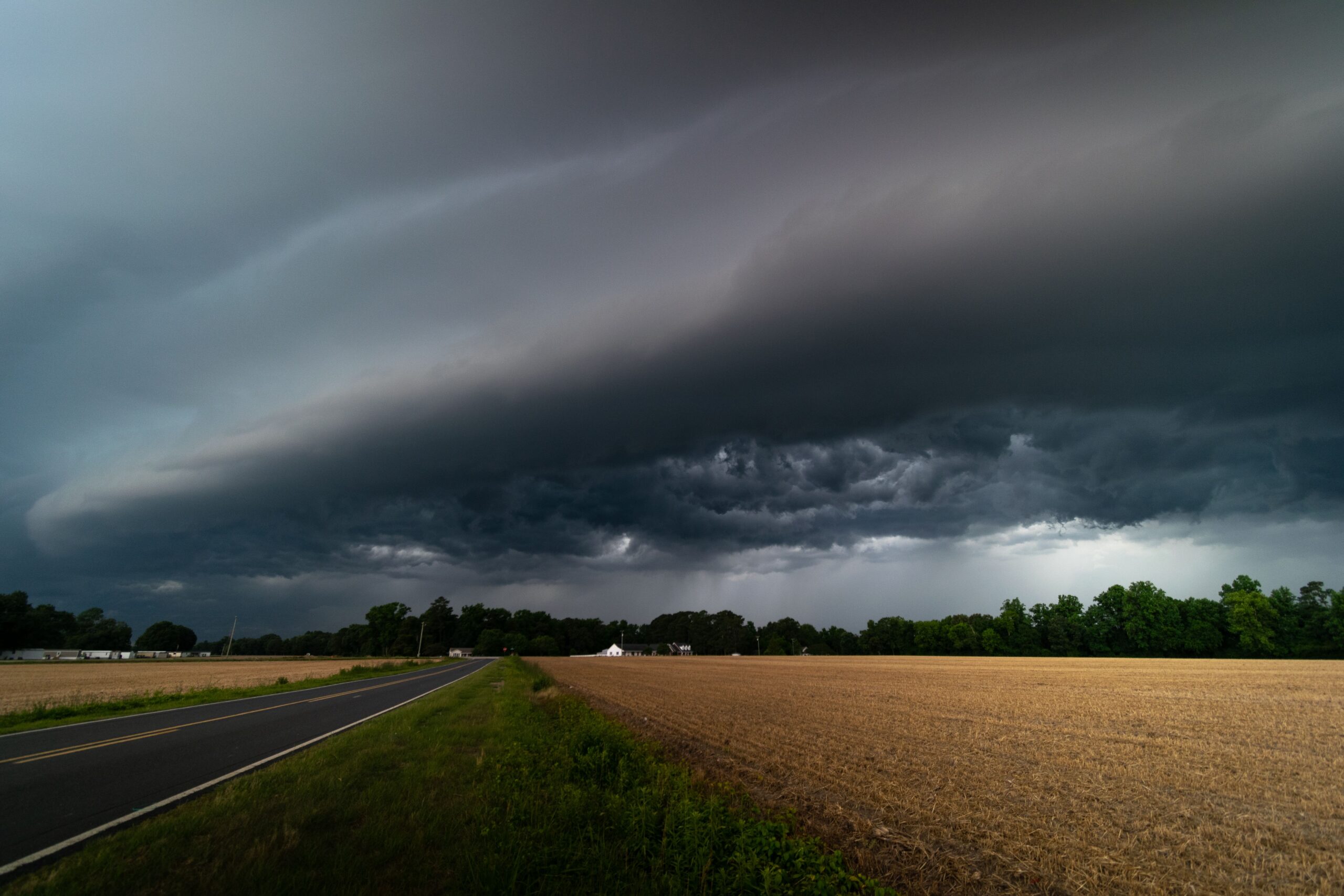
A watch is an early signal that the atmosphere has become capable of producing dangerous weather. It does not mean a tornado, damaging wind, or large hail is already happening at a particular address. It means the setup is serious enough that people in the watch area should pay attention, review plans, and be ready to act if storms develop.
For severe thunderstorms and tornadoes, watches are usually issued by NOAA’s Storm Prediction Center in coordination with local National Weather Service offices. A tornado watch may cover a large region where rotating storms could form. A severe thunderstorm watch may cover an area where storms could produce damaging winds or large hail. Watches often last for several hours because they are designed to give people time before the most dangerous storms arrive.
The best response to a watch is preparation, not panic. Outdoor plans may need a backup location. Phones should be charged. Families should know where they would shelter if a warning followed. Anyone responsible for students, campers, athletes, or visitors should stop relying on a quick glance at the sky and start monitoring reliable alerts.
A Warning Means Take Action
A warning is more urgent because the hazard is no longer just possible. A tornado warning means a tornado has been spotted or indicated by weather radar. A severe thunderstorm warning means a storm is expected to produce severe conditions, commonly damaging winds of at least 58 miles per hour, hail at least one inch in diameter, or a tornado threat. The exact criteria can vary by product and local office, but the message is the same: the dangerous part of the storm is close enough that protective action should begin.
Warnings are usually more precise than watches. Instead of covering a broad region for several hours, a warning often covers a smaller area for a shorter period. Modern warnings may use polygons, which focus on the path of the hazard rather than alerting an entire county. That is why two nearby neighborhoods may receive different alerts even during the same storm system.
When a tornado warning is issued, the safe response is immediate shelter in a sturdy building, preferably a basement or an interior room on the lowest floor, away from windows. For severe thunderstorm warnings, people should also move indoors and stay away from windows, especially when damaging wind or large hail is expected. A severe thunderstorm can still break trees, damage roofs, shatter glass, and knock out power even if it never produces a tornado.
Why the Same Storm Can Produce Different Alerts
Storm alerts change as forecasters learn more. Hours before storms form, the main question may be whether the atmosphere has enough moisture, instability, lift, and wind shear to support severe weather. At that stage, a watch may be the right tool because the risk is real but the exact storm track is uncertain.
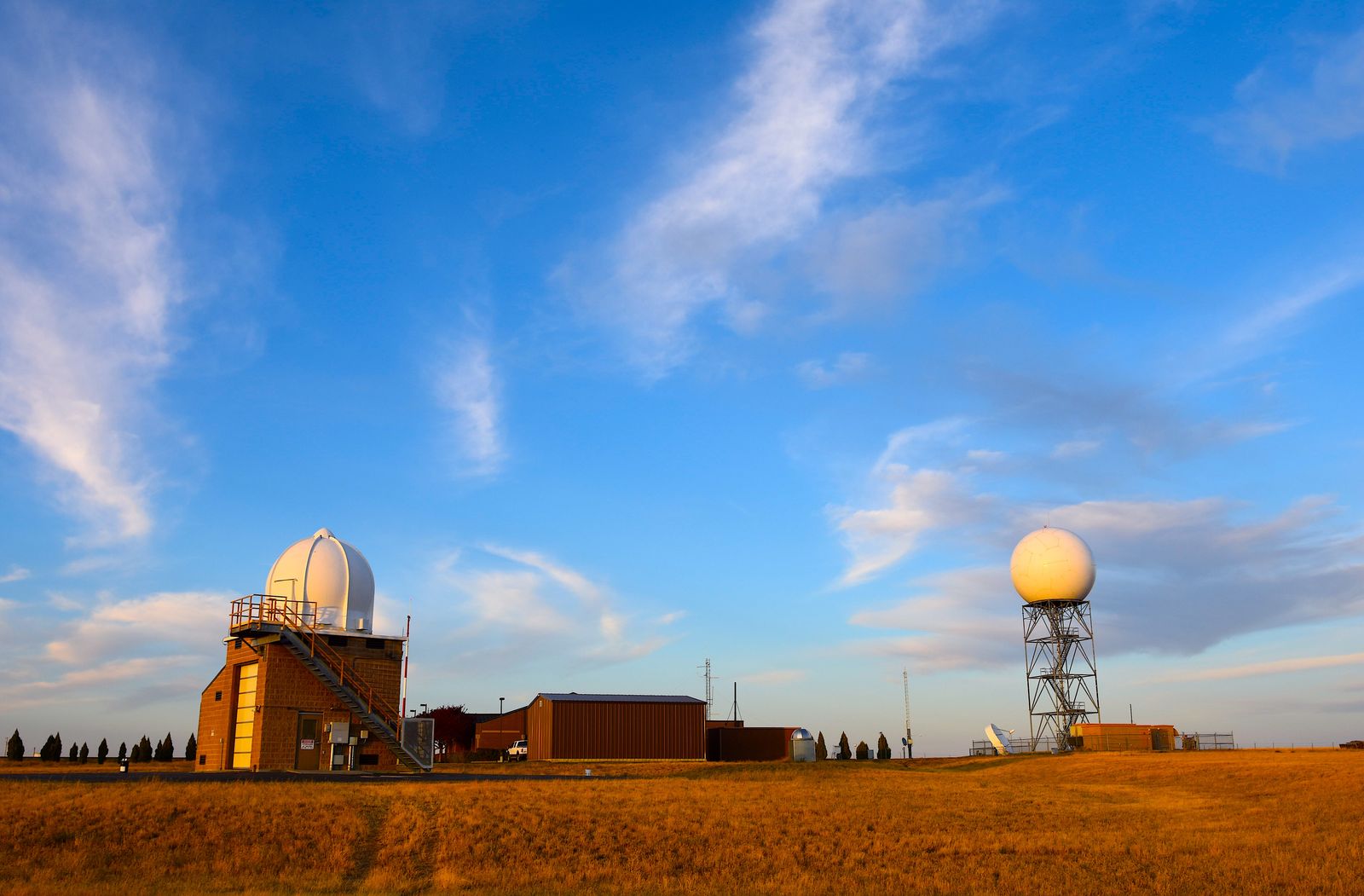
Once storms form, radar, storm reports, spotters, and automated observations can reveal which cells are becoming dangerous. A storm may start under a watch, then trigger a severe thunderstorm warning when winds strengthen or hail grows. If rotation tightens on radar or a tornado is reported, a tornado warning may follow. In rare, especially dangerous situations, the National Weather Service may use stronger wording such as a tornado emergency to emphasize a confirmed or highly likely tornado threatening a populated area.
This is also why alerts can feel uneven from place to place. One town may be under a warning while a nearby town remains under only a watch. That does not mean the forecast is confused. It often means the dangerous part of the storm has a narrower path than the broad region where storms were possible.
Common Mistakes That Make Alerts Less Useful
One common mistake is waiting to see the hazard. Tornadoes can be hidden by rain, darkness, hills, trees, or buildings. Damaging straight-line winds can arrive before a person has time to move patio furniture, gather pets, or reach a safer room. A warning is not a suggestion to start watching the sky. It is a signal that the time for watching has mostly passed.
Another mistake is treating a watch as meaningless because most watches do not produce severe weather at every location inside the shaded area. A watch covers risk, not a promise. Its value is that it gives people time to make small decisions before they become rushed decisions. A canceled practice, a moved picnic, or a charged phone may feel unnecessary if the worst storm misses, but those choices are much easier during a watch than during a warning.
People also confuse thunderstorm warnings with minor rain alerts. A severe thunderstorm warning is not issued for ordinary thunder and heavy rain alone. It points to hazards strong enough to damage property or injure people. Lightning is dangerous in any thunderstorm, but severe thunderstorm warnings add concern about wind, hail, or sometimes tornado potential.
How to Respond Without Overreacting
The easiest way to use alerts well is to connect each word with a decision. During a watch, stay weather-aware. Check the timing, know where alerts will come from, and think through where shelter would be. If traveling, look at the route ahead instead of only the weather at the starting point. If an event is outdoors, identify the sturdy building people would use if storms approach.
During a warning, act on the specific hazard. A tornado warning calls for a safe room immediately. A severe thunderstorm warning calls for moving indoors, avoiding windows, and delaying travel until the storm passes. A flash flood warning calls for staying out of flooded roads and low-water crossings. The alert word matters, but the hazard named in the alert matters just as much.
Reliable alerts should come from more than one place. Wireless Emergency Alerts, NOAA Weather Radio, local National Weather Service messages, trusted local meteorologists, and well-designed weather apps can work together. Outdoor sirens, where they exist, are meant mainly for people outdoors and may not be heard indoors during wind, rain, or sleep. A phone alert is useful, but it should not be the only plan if the battery is low or reception is weak.
The Point Is Time
Severe-weather alerts are really about time. A watch gives time to prepare because the atmosphere is capable of producing trouble. A warning gives less time because trouble is happening or close. An emergency gives the least time because a rare, especially dangerous situation is already threatening lives.
Learning the difference does not make storms less powerful, but it does make the message clearer. A watch asks people to get ready while choices are still calm. A warning asks them to protect themselves before the strongest part of the storm arrives. When those words are understood before severe weather begins, the alert is no longer just a buzz on a phone. It becomes a decision made early enough to matter.





Add comment