
 Akshay Dinesh
A classroom can look perfectly ordinary and still feel strangely hard to think in. The lights are on, the lesson is clear, and everyone has a seat, yet the room may feel heavy, stuffy, warm, dusty, or tiring by the middle of the period. Air quality is one of the quieter parts of learning because students usually notice the result before they notice the cause. They may feel sleepy, distracted, headachy, or restless without realizing that the room itself is part of the problem.
Indoor air quality is not only about whether the air smells bad. It includes how much outdoor air enters the room, how well particles are filtered, whether moisture is controlled, how many pollutant sources are nearby, and whether the heating and cooling system is working as intended. The U.S. Environmental Protection Agency has long treated school indoor air quality as a learning-environment issue, not just a maintenance issue, because poor air can affect comfort, concentration, attendance, and staff performance. That makes classroom air a useful example of how environmental science shows up in an everyday school day.
Why Indoor Air Changes So Quickly in a Classroom
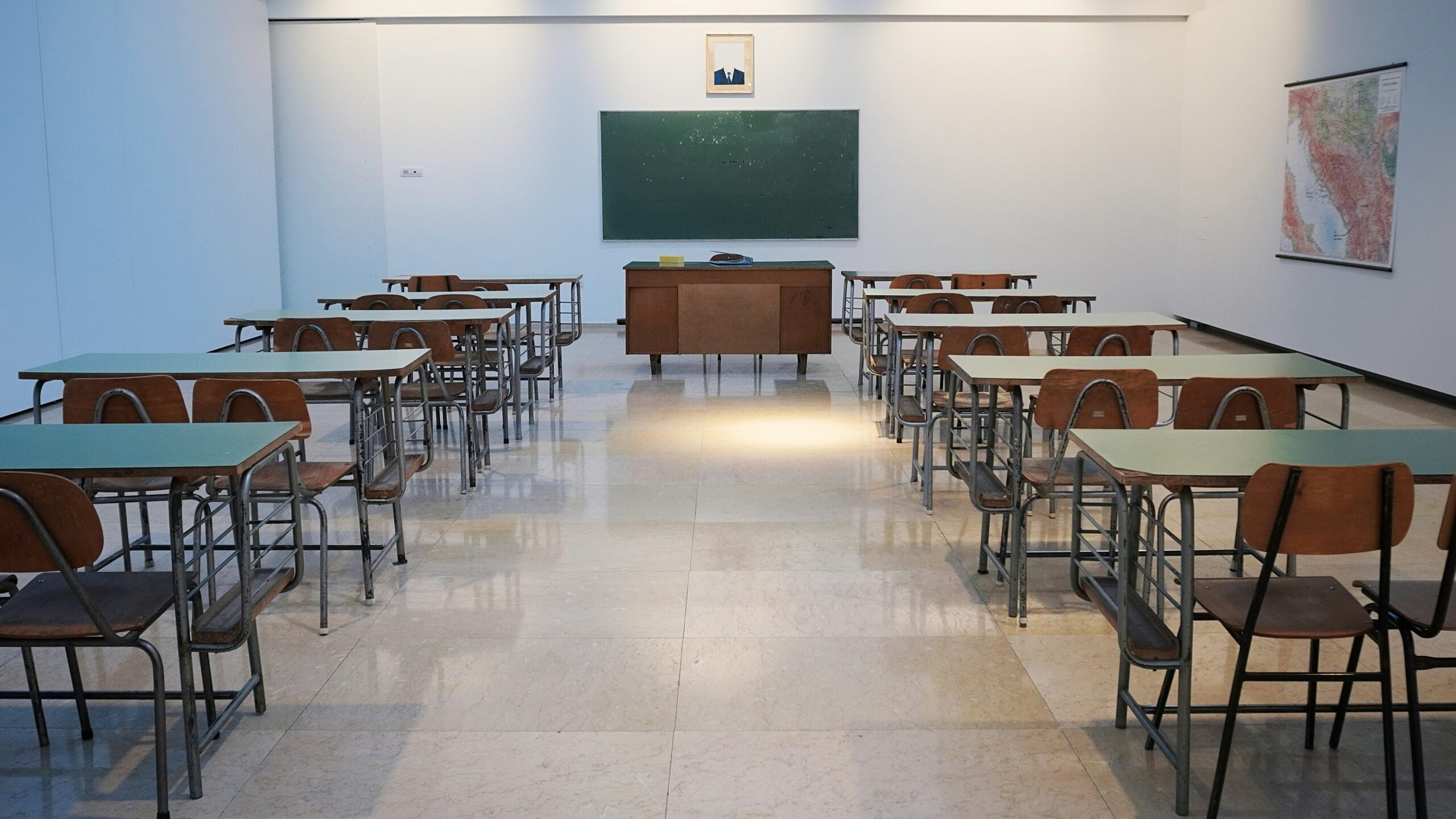
Classrooms are crowded compared with many other indoor spaces. A room may hold twenty-five or thirty students, a teacher, backpacks, books, cleaning products, art supplies, dry-erase markers, computers, dust from floors, and outdoor air brought in through doors, windows, or ventilation systems. Each person in the room breathes in oxygen and breathes out carbon dioxide, heat, and water vapor. Those changes are normal, but they add up quickly when fresh air is limited.
Carbon dioxide is often used as a clue about ventilation because people are the main indoor source of it in ordinary classrooms. A high carbon dioxide reading does not mean carbon dioxide is the only concern. It often means that exhaled air and other indoor pollutants are not being diluted or removed fast enough. When outdoor air supply is low, particles, odors, volatile organic compounds, and moisture can also linger.
The EPA describes good indoor air quality management as a combination of controlling airborne pollutants, bringing in and distributing adequate outdoor air, and keeping temperature and humidity in a comfortable range. Those pieces work together. A room with plenty of fresh air but uncontrolled humidity can still feel uncomfortable or support mold growth. A room with a clean filter but too little outdoor air may still feel stale. A room near idling buses, a busy road, or a poorly placed air intake may pull outdoor pollution indoors unless the system is designed and maintained well.
What Ventilation Has to Do With Focus
Thinking is physical work. The brain depends on steady oxygen, comfortable body temperature, and enough alertness to hold information in mind. When a room is stuffy, too warm, or filled with irritating particles, attention has to fight the environment before it can settle on the lesson. Students may still try hard, but effort gets spent on staying awake, ignoring discomfort, or rereading the same sentence.
Research on school ventilation gives that everyday experience a measurable shape. Lawrence Berkeley National Laboratory summarized a review by William J. Fisk of studies connecting classroom ventilation rates with student performance. In that review, eight of eleven studies found statistically significant gains in at least some performance measures when ventilation rates were higher. The reported improvements ranged from a few percent to more than 15 percent, depending on the study and task.
One reason this matters is that small effects can be large in a school setting. A few percent improvement in speed, accuracy, or reading and math performance may not sound dramatic for one worksheet. Across a whole year, though, classrooms are repeated learning environments. Students return to the same room, breathe the same air, and try to focus through the same conditions again and again. A room that makes attention slightly easier every day gives teaching more room to work.
Carbon Dioxide Is a Signal, Not the Whole Story
Carbon dioxide gets attention because it is easy to measure with a small monitor, but it should be read carefully. In most classrooms, carbon dioxide rises when more people are breathing in a room than the ventilation system can comfortably dilute. That makes it a useful signal that the room may need more outdoor air, better airflow, or a check of the system. It is not a complete report card for air quality.
Harvard’s Healthy Buildings program has studied indoor air and cognitive performance in classrooms and other indoor spaces. In a 2025 classroom study of graduate students, lower carbon dioxide concentrations were associated with higher cognitive test scores, and peak carbon dioxide exposures showed some of the strongest statistical links with performance. The researchers described ventilation as useful beyond reducing infection risk because it can lower indoor exposures that may interfere with thinking.
Still, a carbon dioxide number cannot identify every problem. It will not tell whether a filter is capturing fine particles, whether mold is hidden behind a damp ceiling tile, whether cleaning chemicals are being stored properly, or whether wildfire smoke is slipping indoors on a bad air day. It is more like a warning light than a full diagnosis. When the number rises during a crowded class, it can tell adults that the room deserves attention.

Pollutants Come From More Places Than People Expect
School air is shaped by both indoor and outdoor sources. Indoor sources may include dust, old carpet, moisture-damaged materials, science supplies, art materials, printers, markers, furnishings, cleaning products, and pests. Outdoor sources may include pollen, wildfire smoke, road traffic, buses, lawn equipment, nearby construction, or industrial emissions. The source matters because the solution is different for each problem.
Ventilation helps dilute many indoor pollutants, but it is not always enough by itself. If outdoor air is smoky or polluted, simply opening windows may bring in more of the problem. Filtration becomes more important on those days. If moisture is feeding mold, more airflow may help, but the water source still has to be fixed. If buses idle near air intakes, the building may need different traffic patterns or intake management, not just a stronger fan.
This is why strong indoor air quality work is usually practical and layered. Schools can inspect heating, ventilation, and air-conditioning systems, replace filters on schedule, keep supply and return vents clear, control moisture quickly, store chemicals safely, reduce idling near buildings, and use portable air cleaners where they fit the room and the need. None of those steps is glamorous. Together, they can change how a classroom feels and functions.
What Students and Families Can Notice
Students are not responsible for running school buildings, and they should not be expected to solve ventilation problems on their own. But they can notice patterns that help adults respond. A single sleepy afternoon may just be a late night or a difficult class. A repeated pattern in one room deserves more attention, especially if several people feel the same discomfort.
Useful signs include a room that often feels stuffy, smells musty or chemical, feels much hotter or colder than nearby rooms, has visible water damage, triggers frequent coughing or eye irritation, or seems to make students unusually tired during the same period. These signs do not prove the air is unsafe, but they are worth reporting clearly. Specific details help more than vague complaints: the room, time of day, smell, visible condition, and whether the issue happens only when windows are closed or when equipment is running.
There are also small habits that support better classroom air when they fit school rules. Keep vents and air returns uncovered. Avoid blocking unit ventilators with stacks of books or furniture. Throw away food scraps instead of letting odors build. Treat water leaks as something to report, not something to ignore. When outdoor air is clean and the teacher allows it, opening a window may help; when smoke, pollen, or traffic pollution is high, filtration and closed windows may be the better choice.
Better Air Makes Learning Less Uphill
Good classroom air does not teach the lesson, replace a caring teacher, or remove every distraction. It does something quieter: it lowers the background effort required to be comfortable and alert. That matters because focus is not unlimited. When a room is hot, stale, dusty, or irritating, some of a student’s mental energy goes into coping with the room instead of understanding the work.
The most useful way to think about classroom air quality is as part of the learning environment, right alongside lighting, noise, seating, materials, and routines. Clean, well-managed air gives students a better chance to stay present. It gives teachers a room that supports attention instead of working against it. The science is practical, and the result is easy to recognize: a classroom where breathing, thinking, and learning all feel a little less uphill.