 Akshay Dinesh
Rain can make a dry lawn green in a week. It can lift a small stream overnight, refill puddles by morning, and leave streets shining before the clouds have even moved on. Groundwater works on a much slower clock. The water stored underground may have started as rain or snowmelt, but before it can become part of an aquifer, it has to soak into the ground, pass through soil and rock, avoid being taken up by plants, and move through tiny connected spaces beneath the surface.
That slow movement is why a wet month does not always end a water problem. A reservoir can show visible improvement after a storm, while wells nearby may still sit low. The U.S. Geological Survey notes that shallow water-table wells are often more directly affected by drought than deeper confined wells, because they depend more closely on recent recharge. In places where farms, towns, or industries pump groundwater faster than nature replaces it, an aquifer can fall behind for years, decades, or longer.
Groundwater Is Stored in Spaces, Not Underground Lakes
It is easy to picture groundwater as a hidden lake under the soil, but most aquifers are not open caverns full of water. They are layers of sand, gravel, fractured rock, limestone, or other materials with enough connected pore space for water to move through. The water sits in those small openings, much like water held inside a sponge, except the sponge may stretch for miles underground.
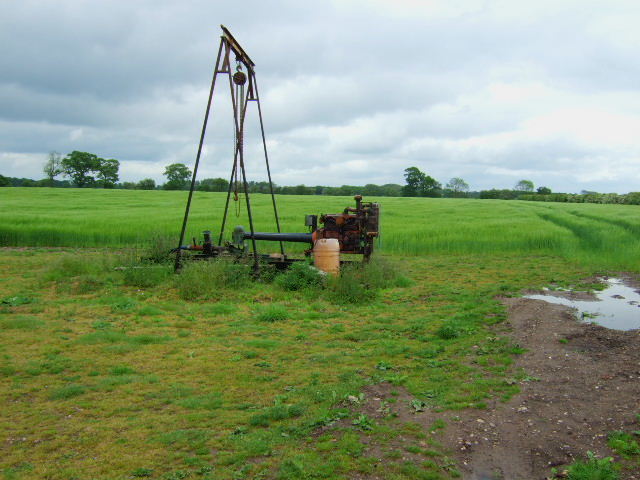
The top of the saturated zone is called the water table. Above it, soil and rock may contain some moisture, but the pore spaces also hold air. Below it, the openings are filled with water. When a well pumps from an unconfined aquifer, the local water table can dip around the well, creating what hydrologists call a cone of depression. If pumping continues faster than nearby water can flow in, that dip can widen and deepen.
Some aquifers are confined beneath layers of clay or rock that slow water movement from above. These deeper systems may be protected from short dry spells, but they can also refill slowly. A confined aquifer might receive recharge miles away where its water-bearing layer reaches the surface. That means a local rainstorm may have little immediate effect on the water level below a particular well.
Recharge Has to Pass Several Tests
For rainfall to become groundwater recharge, it has to do more than land on the ground. Some water runs off into streets, ditches, creeks, and rivers, especially when rain falls hard or the surface is paved. Some evaporates. Some is taken up by grass, crops, trees, and other plants. Only the portion that seeps downward past the root zone can begin the longer trip toward an aquifer.
Soil texture makes a major difference. Sandy soil can let water pass quickly, while clay holds water tightly and slows downward movement. Fractured rock may create pathways that move water faster in some places and barely at all in others. The same storm can recharge one landscape well and barely touch another, depending on slope, soil, land cover, vegetation, and the geology underneath.
Timing matters too. A gentle rain after a long dry stretch may first refill dry soil before much water reaches the saturated zone. Heavy rain can create impressive runoff but limited recharge if it arrives too fast for the ground to absorb. Snowmelt can be especially important in some regions because it may release water gradually, giving it more time to soak in. When warming winters shift snow toward rain or reduce mountain snowpack, recharge patterns can change even if yearly precipitation totals look similar.
Drought Can Reach Wells After the Surface Looks Better
Drought is not one single condition. Soil moisture, streamflow, reservoir storage, groundwater, crops, and ecosystems can each respond on different timelines. A week of rain may improve soil moisture quickly and lift small streams, but groundwater can lag behind because recharge takes time to travel downward. This is one reason the U.S. Drought Monitor may still mention groundwater deficiencies even after parts of a region receive heavy rainfall.
Well depth also shapes how drought feels. A shallow domestic well in an unconfined aquifer may respond quickly when the water table drops. A deeper well may continue working longer, not because the drought is harmless, but because the pump reaches a deeper part of the system. If many users respond to drought by pumping more groundwater because surface water is scarce, the underground supply can be stressed at the exact moment when natural recharge is weak.
The lag can surprise people because groundwater is out of sight. A field may turn green after rain, yet the water level in a monitoring well may remain below its long-term average. A stream may flow again, while baseflow from groundwater stays weak. Recovery depends not only on how much rain falls, but also on how much water is being withdrawn at the same time.
Pumping Can Turn a Slow Problem Into a Long-Term One
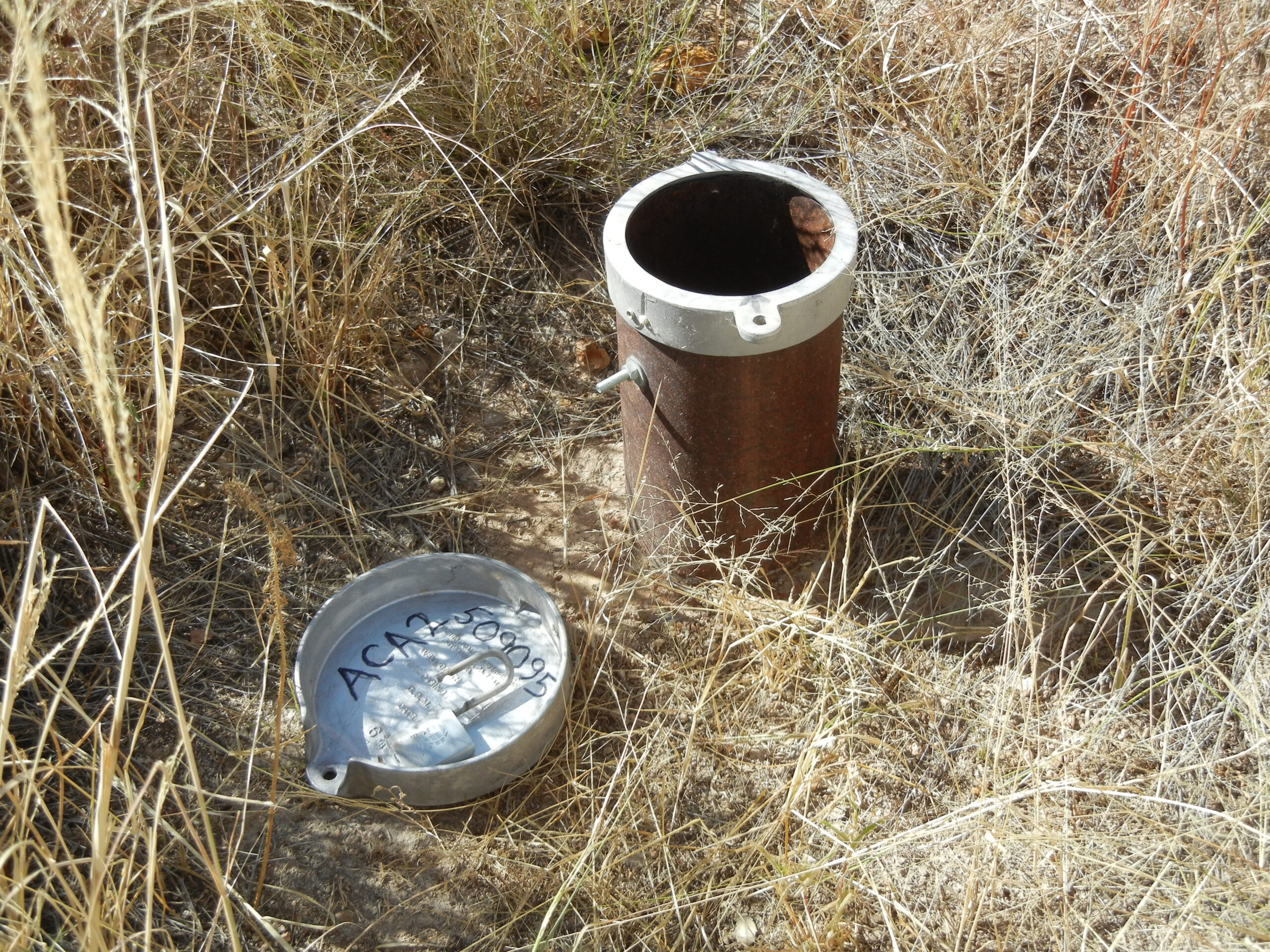
Aquifers can handle pumping when withdrawals stay near the amount that recharge can replace over time. Trouble begins when pumping regularly exceeds recharge. The USGS has documented large groundwater declines in parts of the High Plains aquifer system, including areas where water levels have fallen more than 100 feet since predevelopment and saturated thickness has been reduced by more than half. Those numbers are not just map details. They change pumping costs, crop decisions, community water security, and the future usefulness of the aquifer itself.
When groundwater levels fall, wells may need deeper pumps, more energy, or expensive replacement. Streams and wetlands that depend on groundwater can also suffer because groundwater often supplies baseflow during dry periods. In some coastal aquifers, heavy pumping can pull salty water inland, making fresh groundwater harder to use. In compactable sediments, removing too much water can cause land subsidence, where the ground surface sinks as pore spaces collapse. Once that storage space is crushed, it may not fully recover.
Recent satellite and well-monitoring work has made the hidden loss easier to see. NASA’s GRACE and GRACE-FO missions track changes in Earth’s gravity field that reveal shifts in water storage, including groundwater. Drought.gov uses GRACE-based indicators to monitor groundwater and soil moisture conditions, helping scientists compare what is happening below the surface with what rain gauges and stream gauges show above it.
Refilling an Aquifer Is Not as Simple as Waiting for Rain
A single wet season can help, especially when soils are able to absorb water and pumping is reduced. But many aquifers need repeated recharge opportunities over long periods. The water may have to move through thick layers of soil and sediment before it reaches the saturated zone. In deeper systems, recharge can be separated from local weather by distance as well as time.
Human land use can either help or block that process. Pavement, roofs, compacted soil, and storm drains often send rain away before it can soak in. On the other hand, floodplains, wetlands, open fields, and carefully designed recharge basins can slow water down and give it a chance to move underground. Managed aquifer recharge projects use basins, spreading grounds, injection wells, or restored stream channels to store water below ground during wetter periods for use in drier ones.
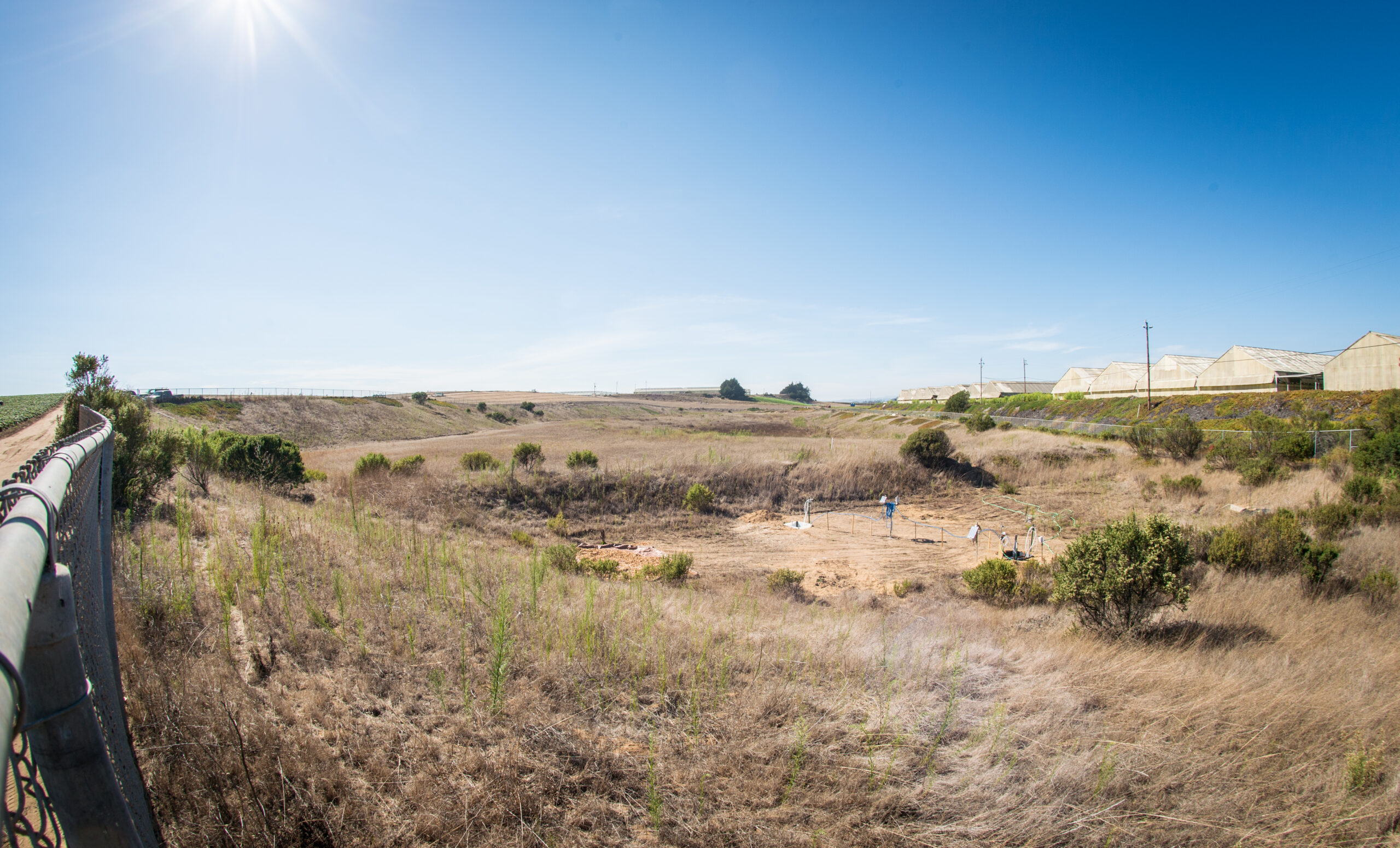
Recharge projects are useful, but they are not magic storage tanks. The water has to be available at the right time, clean enough for the aquifer, and placed where the geology can accept it. Communities also have to decide how stored groundwater will be measured, protected, and shared. Without careful rules, extra recharge can be erased by extra pumping.
Reading Groundwater More Carefully
Groundwater teaches a quiet lesson about delayed consequences. The water coming from a tap or irrigation pump may have entered the ground long before the current weather pattern. A rainy week may not undo years of heavy use. A dry year may not show its full effect until shallow wells begin to fail or springs run weaker than usual.
That is why groundwater monitoring matters. Well measurements, streamflow records, satellite data, and local water-use reports help communities see whether they are spending underground water faster than it is being replaced. The most useful question is not simply whether an aquifer contains water today. It is whether the pattern can continue without leaving future users with deeper wells, higher costs, damaged ecosystems, or less storage than the aquifer once had.
Groundwater can seem dependable because it is hidden from daily weather. In reality, it is dependable only when recharge, pumping, land use, and climate are kept in balance. Rain begins the refill process, but time, geology, and human choices decide whether that water actually reaches the underground supply and whether enough of it remains there for the next dry season.