
 Akshay Dinesh
A tiny number stamped inside a triangle can make a plastic container look simple to sort. A bottle marked 1 feels different from a tub marked 5, and a tray marked 6 may seem to carry a clear instruction. The trouble is that the number is not a promise. It identifies the kind of plastic resin used to make the item, while the real recycling decision depends on local collection rules, sorting equipment, contamination, product shape, and whether there is a buyer for the recovered material.
That distinction matters because many people recycle with good intentions and still send the wrong items into the bin. When a recycling program receives plastic bags, foam trays, dirty containers, or odd-shaped items it cannot process, workers and machines have to remove them. Sometimes those mistakes slow the system. Sometimes they damage equipment. Sometimes they cause otherwise useful material to be rejected. Understanding the numbers helps, but treating them as a complete recycling guide creates confusion.
The numbers identify resin, not recyclability
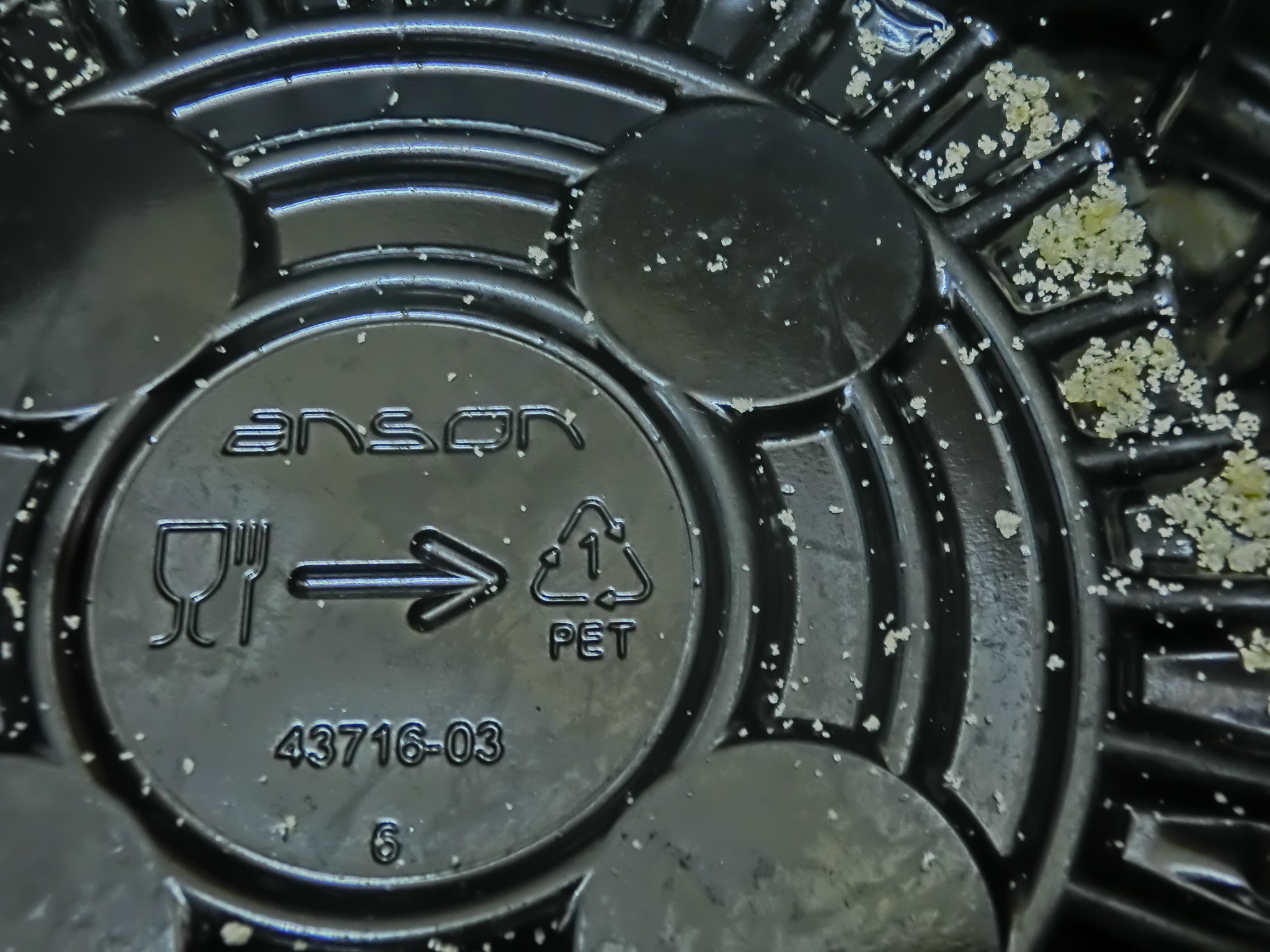
The numbered symbols are called resin identification codes. They were created to give manufacturers and recyclers a standard way to identify plastic types, not to tell every household that an item belongs in the curbside bin. A 1 usually means PET or PETE, the plastic often used for water bottles and soda bottles. A 2 means HDPE, common in milk jugs, detergent bottles, and some shampoo containers. A 5 means polypropylene, often found in yogurt tubs, bottle caps, and some takeout containers.
Those details are useful because different plastics melt, behave, and contaminate one another differently during processing. PET and HDPE are widely recycled in many communities because there are established systems and markets for them. Polypropylene has become more commonly accepted in some places, but not everywhere. Other codes, such as 3 for PVC, 6 for polystyrene, and 7 for mixed or other plastics, are much less likely to be accepted through ordinary curbside programs.
The U.S. Environmental Protection Agency explains the point plainly: the symbol can help determine whether a local program accepts a plastic item, but it does not by itself mean the item can be collected for recycling in a specific community. The Federal Trade Commission’s Green Guides also treat recycling claims carefully, because a symbol that looks like a recycling claim can mislead consumers if the material is not accepted by programs available to most people.
Why the same number can get different answers
A plastic bottle and a plastic clamshell can both carry the number 1, yet a local program may accept the bottle and reject the clamshell. That seems inconsistent until the recycling process is viewed as a chain rather than a label. Collection trucks, sorting facilities, optical scanners, conveyor belts, balers, and buyers all shape what can move through the system successfully.
Shape is one reason. Bottles move through sorting equipment differently from flat lids, thin trays, or flexible packaging. A small plastic cup may be made from a technically recyclable resin, but if it falls through screens, sticks to paper, or is too light for the equipment to sort well, it may not be recoverable in that facility. Color can matter too. Clear or natural-colored plastics often have stronger markets because they can be turned into more kinds of new products. Black plastic can be harder for some optical sorters to detect.
Local economics also matter. Recycling is not just a disposal service; it is a material recovery system. A city or contractor has to collect, sort, clean, bundle, and sell the material. If there is no reliable buyer for a certain plastic in that region, accepting it can make the whole program more expensive and less effective. That is why one town may accept tubs and lids while another asks residents to keep them out, even when the stamped number is the same.
The problem with “wishcycling”
Wishcycling happens when someone puts an item in the recycling bin because it feels like it should be recyclable. The intention is good, but the result can be harmful. A plastic bag, garden hose, greasy container, battery, or foam packaging piece can create problems inside a sorting facility. Bags and film can wrap around machinery. Food residue can contaminate paper and cardboard. Batteries can start fires. Some items simply take time and labor to remove.
The most useful habit is not recycling more at any cost. It is recycling accurately. A clean plastic bottle that a local program accepts is valuable. A mystery item tossed in because it has a triangle symbol may make the stream dirtier. Recycling workers often describe contamination as one of the biggest barriers to turning collected material into usable raw material.
This is also why rinsing and emptying containers still matters. Recyclables do not need to be spotless, but they should be free of heavy food or liquid residue. A jar with a little dryness left inside is different from a yogurt cup half full of food. When a bin carries too much residue, paper can become wet, cardboard can spoil, and plastics may become harder to sell.
How to read the common plastic codes
The codes are still worth knowing. They are a starting point, especially when local guidance refers to accepted plastic numbers. The key is to combine the number with the item’s form and the local recycling rules.
- 1 PET or PETE: Common in water, soda, and many beverage bottles. Often accepted when clean and empty, especially in bottle form.
- 2 HDPE: Common in milk jugs, detergent bottles, and some personal-care containers. Widely accepted in many programs.
- 3 PVC: Used in some packaging and building materials. Rarely accepted in curbside plastic recycling.
- 4 LDPE: Used in bags, wraps, and some squeeze bottles. Plastic film usually needs store drop-off or special collection, not curbside bins.
- 5 PP: Used in tubs, lids, caps, and some food containers. Accepted in some programs, but local rules vary.
- 6 PS: Used in some foam and rigid food-service items. Often excluded from curbside programs.
- 7 Other: A mixed category for plastics that do not fit the first six codes. Usually needs careful local checking.
Two items with the same code can still have different recycling outcomes. A clean PET bottle may be welcome, while a PET thermoform tray may not be. A polypropylene yogurt tub may be accepted in one city and rejected in another. A plastic bag marked 4 may be recyclable through a store drop-off program, but it can still cause trouble if placed loose in a curbside bin.
What actually makes a plastic item recyclable
For a plastic item to be recyclable in practice, several things have to line up. The material has to be identifiable. It has to be collected by the local program. The sorting facility has to separate it successfully. It has to be clean enough to process. Finally, a manufacturer has to be willing to buy the recovered plastic and turn it into something else.
That is why recyclable packaging is partly a design problem. A container made from one common resin, with minimal labels, compatible caps, and a color that sorters can detect, has a better chance than a package made from layers of different materials. Multilayer pouches, black trays, mixed-material containers, and items with heavy food residue can be difficult even when they look ordinary to consumers.
The strongest recycling systems also depend on clear local communication. Some communities list accepted items by shape, such as bottles, jugs, tubs, and jars, because that is more practical than asking residents to memorize seven resin codes. Others list accepted numbers. The best instruction is the one provided by the local hauler, city, county, or campus program that actually collects the material.

Smarter choices before the bin
The most reliable recycling habit begins before anything is thrown away. If a package is not needed, avoiding it beats trying to recycle it later. Reusable bottles, larger containers, refill options, and durable bags can reduce the number of borderline items that enter the waste stream. Recycling helps, but it works best after reduction and reuse have already lowered the load.
When plastic is unavoidable, a few habits make a real difference. Check the local accepted-items list instead of relying only on the number. Empty containers before recycling them. Keep plastic bags, wraps, hoses, cords, and batteries out of the curbside bin unless the program specifically accepts them. Leave caps on bottles if local rules say to do so, because loose caps can be too small for sorting equipment. When a rule is unclear, the local program’s guidance is more reliable than the triangle symbol.
The recycling numbers are not useless. They are technical clues about the material in a plastic item. The mistake is treating them as universal instructions. A better question is not simply, “What number is it?” It is, “Does my local program accept this kind of item, in this condition, through this collection system?” That question turns recycling from a hopeful guess into a practical habit, and practical habits are what keep useful material moving through the system instead of becoming another source of confusion.






Add comment