
Electrolytes help the body balance water, move signals through nerves, power muscles, and replace minerals lost through sweat.
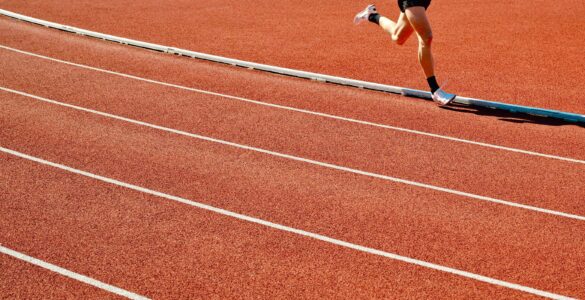
Electrolytes help the body balance water, move signals through nerves, power muscles, and replace minerals lost through sweat.
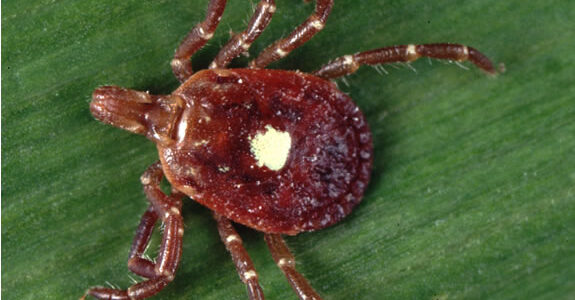
Alpha-gal syndrome can make tick bites lead to delayed allergic reactions after red meat, dairy, or other mammal-derived products.
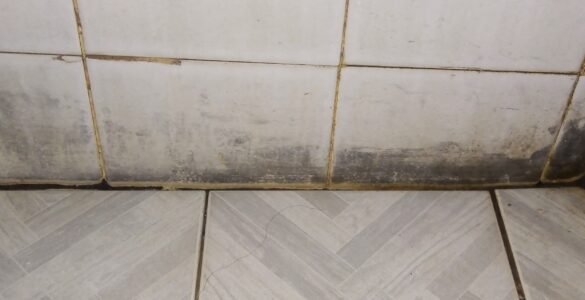
Indoor mold grows when spores, damp surfaces, food sources, and time come together. Humidity control is the key prevention step.
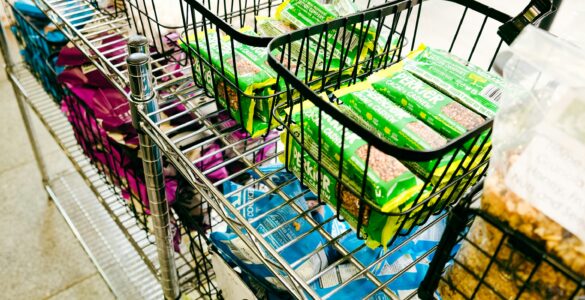
Food recalls remove unsafe or mislabeled products from circulation. Learn how notices work and what details consumers should check.
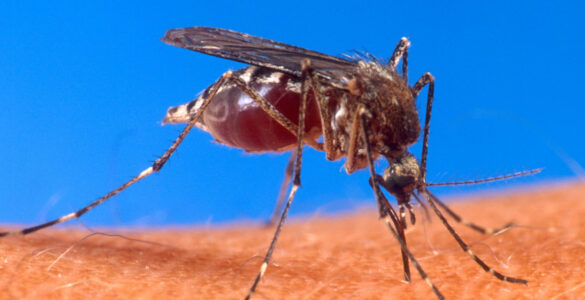
Mosquito bites itch because saliva triggers an immune response, bringing histamine, swelling, and irritated nerves to the skin.

GLP-1 is a gut hormone that helps coordinate digestion, insulin release, appetite signals, and blood sugar after meals.

Rabies post-exposure shots can stop the virus before symptoms begin, but timing, wound care, and risk assessment matter.
Dengue spreads through Aedes mosquitoes, travel, and local conditions. Learn why outbreaks grow and what prevention efforts target.
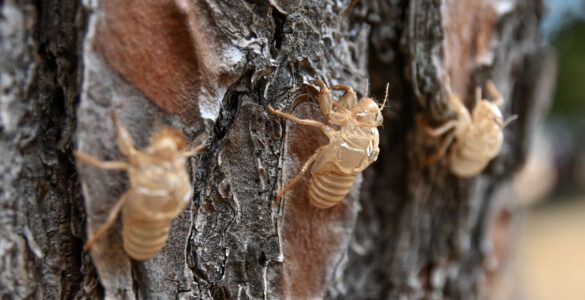
Cicada shells are old exoskeletons left after nymphs climb from the soil, split their outer skin, and emerge as winged adults.
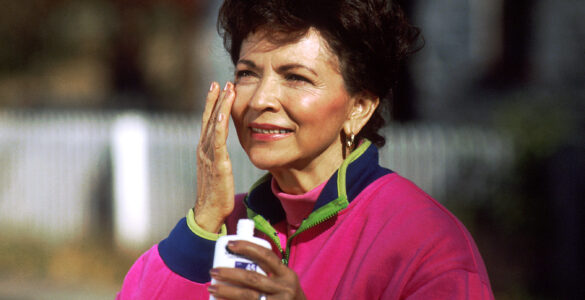
SPF measures sunburn protection, but broad spectrum, water resistance, timing, and reapplication matter just as much.
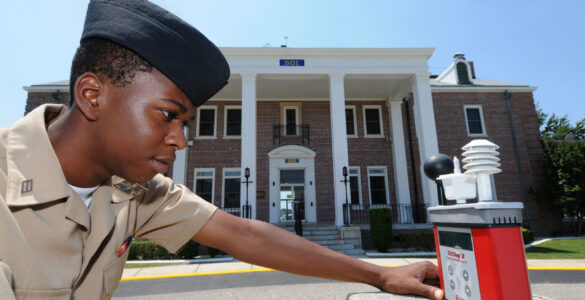
Heat acclimatization helps the body handle hot conditions, but it builds over days of gradual exposure, not one intense afternoon.
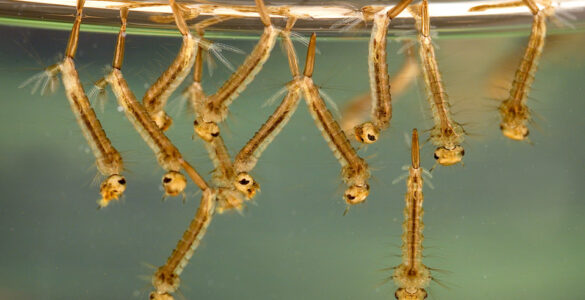
West Nile virus spreads through a bird-mosquito cycle, which is why mosquito control and bite prevention matter most in summer.
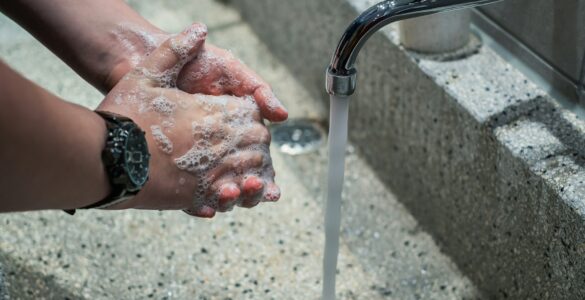
Norovirus spreads through tiny particles, close contact, food, and surfaces, which is why soap-and-water hygiene matters so much.
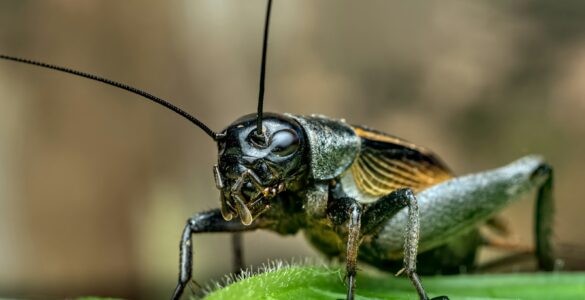
Cricket chirps speed up as warm air changes insect muscle activity, turning a summer sound into a rough natural thermometer.
Warm outdoor meals give bacteria more time in the danger zone, making picnic food spoil faster than it would in the refrigerator.


Copyright © 2026 Novo Learner
 Akshay Dinesh