
 Akshay Dinesh
A tick bite is easy to think of as a short-lived outdoor nuisance: a small mark, some itching, maybe a reminder to check socks and sleeves more carefully next time. Alpha-gal syndrome changes that picture. In some people, a bite from certain ticks can train the immune system to react later to a sugar molecule found in most mammals, turning foods such as beef, pork, lamb, venison, and sometimes dairy or gelatin into possible allergy triggers.
The unusual part is the delay. Many food allergies appear within minutes, but alpha-gal reactions often happen hours after a meal. That timing can make the cause hard to spot. A person might eat a burger at dinner, wake in the middle of the night with hives or stomach pain, and not connect the two events. The Centers for Disease Control and Prevention has described alpha-gal syndrome as a serious, potentially life-threatening allergy that can develop after a tick bite, and its hidden timing is one reason awareness matters.
The Sugar Molecule Behind the Allergy
Alpha-gal is short for galactose-alpha-1,3-galactose, a carbohydrate found in the bodies of most mammals. Cows, pigs, sheep, deer, and rabbits make it. People do not. That difference is usually not a problem, because eating mammal meat does not automatically make the immune system treat alpha-gal as dangerous.
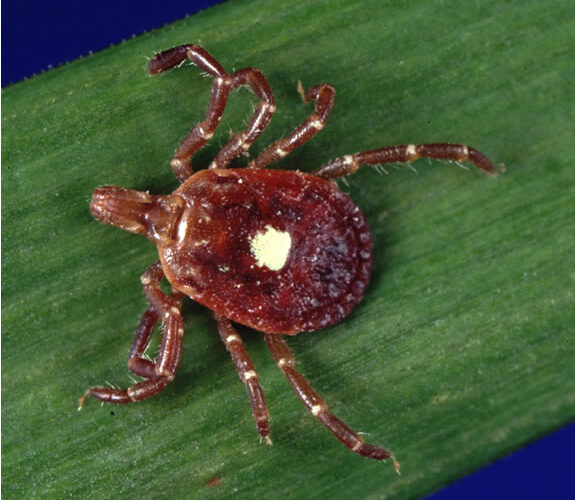
A tick bite can change the immune system’s attention. When a tick feeds, compounds in its saliva can enter the skin and bloodstream. In the United States, the CDC says alpha-gal syndrome is most commonly linked with the lone star tick, although research continues on other tick species and regions. If the immune system begins making IgE antibodies against alpha-gal, later exposure to mammal-derived foods or products can set off an allergic reaction.
This is why alpha-gal syndrome is sometimes called red meat allergy or tick bite meat allergy. Both names are useful, but both are a little too narrow. The reaction is not to meat in the ordinary sense of protein from muscle. It is to a sugar molecule that can also appear in other mammal-derived ingredients. That is why some people with alpha-gal syndrome react to dairy, gelatin, or medical products that contain mammalian components, while others mainly react to meat.
Why Symptoms Can Appear Hours Later
The delay is one of the clearest clues that alpha-gal syndrome works differently from many familiar allergies. The CDC notes that symptoms usually appear two to six hours after exposure to products containing alpha-gal. A peanut allergy, by contrast, often appears quickly because the immune system is reacting to proteins that are processed and recognized rapidly. Alpha-gal is carried in fatty mammal foods and can take longer to move through digestion and into the bloodstream in a way that triggers symptoms.
That delay creates confusing patterns. A reaction after breakfast sausage may be blamed on stress, a stomach bug, or something eaten at lunch. A reaction after a late dinner may happen during sleep. Some people have skin symptoms such as hives or swelling, while others mainly have digestive symptoms such as nausea, abdominal pain, diarrhea, or heartburn. Severe reactions can involve anaphylaxis, which needs emergency care.
The reaction can also vary from one exposure to another. One meal may cause symptoms while another similar meal does not. The amount of alpha-gal, the fat content of the meal, alcohol, exercise, other illness, medications, and new tick bites may all affect how strongly someone reacts. That variability can make the condition feel unpredictable, especially before it is recognized.
Why the Lone Star Tick Matters
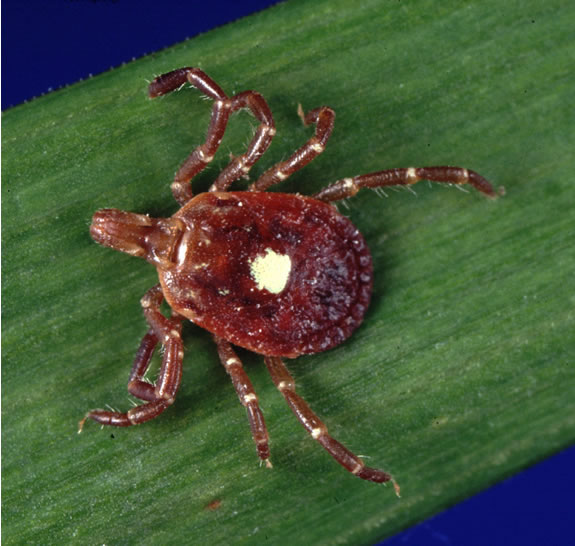
The lone star tick is named for the pale spot on the adult female’s back, not for Texas. Its range includes much of the South, Midwest, and eastern United States, and it has expanded into areas where more people now encounter it during ordinary outdoor activity. Like other ticks, it waits on grasses, leaf litter, low vegetation, and brushy edges where animals and people pass by.
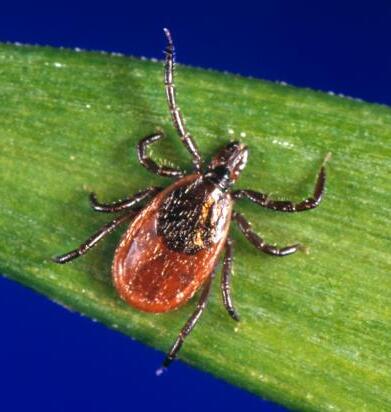
Ticks do not jump or fly. They use a behavior called questing, holding onto vegetation with their back legs while reaching forward with their front legs. Heat, carbon dioxide, vibration, and scent help them detect possible hosts. Once attached, a tick may feed long enough for saliva and other material to interact with the person’s immune system.
Alpha-gal syndrome is not an infection in the same way Lyme disease or ehrlichiosis is. It is an allergy that can follow a tick bite. That distinction matters because antibiotics do not reverse an allergy, and the most useful prevention is avoiding future tick bites in the first place. CDC guidance also notes that new tick bites may reactivate allergic reactions in people who already have the condition.
How Doctors Connect the Pattern
Alpha-gal syndrome can be difficult to diagnose because the story does not always look like a classic food allergy. A person may have years of unexplained night-time hives, stomach problems after certain meals, or severe reactions that do not appear immediately after eating. The CDC estimated in 2023 that as many as 450,000 people in the United States may be affected, and it has warned that diagnosis can take years for some patients.
Clinicians usually look for a combination of clues. A history of tick bites or outdoor exposure matters. So does the delayed timing after eating mammal meat, dairy, gelatin, or other mammal-derived products. A blood test can look for IgE antibodies specific to alpha-gal, but the CDC cautions that a positive test by itself does not prove someone has the syndrome. The result has to fit the symptoms and the exposure pattern.
That careful interpretation helps avoid two mistakes. One is missing the condition because symptoms seem too delayed or too digestive to be an allergy. The other is overreading a lab result in someone who has antibodies but no clear reactions. A useful diagnosis connects the immune signal, the person’s actual symptoms, and the timing of exposure.
What Living With It Can Involve
For many people, the first practical step is learning which foods and products contain mammal-derived ingredients. Beef, pork, lamb, venison, rabbit, and other mammal meats are the clearest concerns. Dairy products may matter for some people but not all. Gelatin, lard, tallow, broth, certain capsules, and other ingredients can be harder to notice because they may appear in foods, supplements, or medications without looking like meat.
The CDC recommends that alpha-gal syndrome be managed with an allergist or another healthcare provider. That matters because sensitivity differs from person to person. Some people may need to avoid only mammal meat. Others may need a broader plan that includes dairy, gelatin, or certain medical products. People at risk for severe reactions may be prescribed emergency medicine and taught when and how to use it.
Good management also includes preventing future tick bites. That means using EPA-registered repellents, wearing treated clothing when appropriate, avoiding brushy tick habitat when possible, showering after outdoor activity, and checking the body carefully for ticks. None of these steps is perfect alone, but together they lower the chances of another bite that could worsen or restart symptoms.

Why This Condition Is Easy to Miss
Alpha-gal syndrome sits at an unusual intersection of ecology, immunology, and everyday eating. A tiny outdoor encounter can change how the immune system responds to a common molecule in familiar foods. The meal that causes symptoms may not be the last thing eaten, the symptoms may look like a stomach problem rather than an allergy, and the tick bite that started the process may have happened weeks or months earlier.
That is what makes the condition worth understanding even for people who never develop it. It shows that allergies are not always immediate, obvious, or lifelong from childhood. They can appear after environmental exposure, depend on geography and outdoor habits, and require careful pattern recognition. For students learning biology, alpha-gal syndrome is a vivid example of how the immune system learns from the world around it, sometimes in ways that protect us and sometimes in ways that create new risks.
The larger lesson is practical as well as scientific. Tick checks, repellents, and protective clothing are not just about avoiding an itchy bite. They can reduce exposure to several tick-associated conditions, including one that may change how a person eats, shops, travels, and plans for emergencies. A small bite can have a long afterlife, which is why prevention deserves more attention than it usually gets.






Add comment