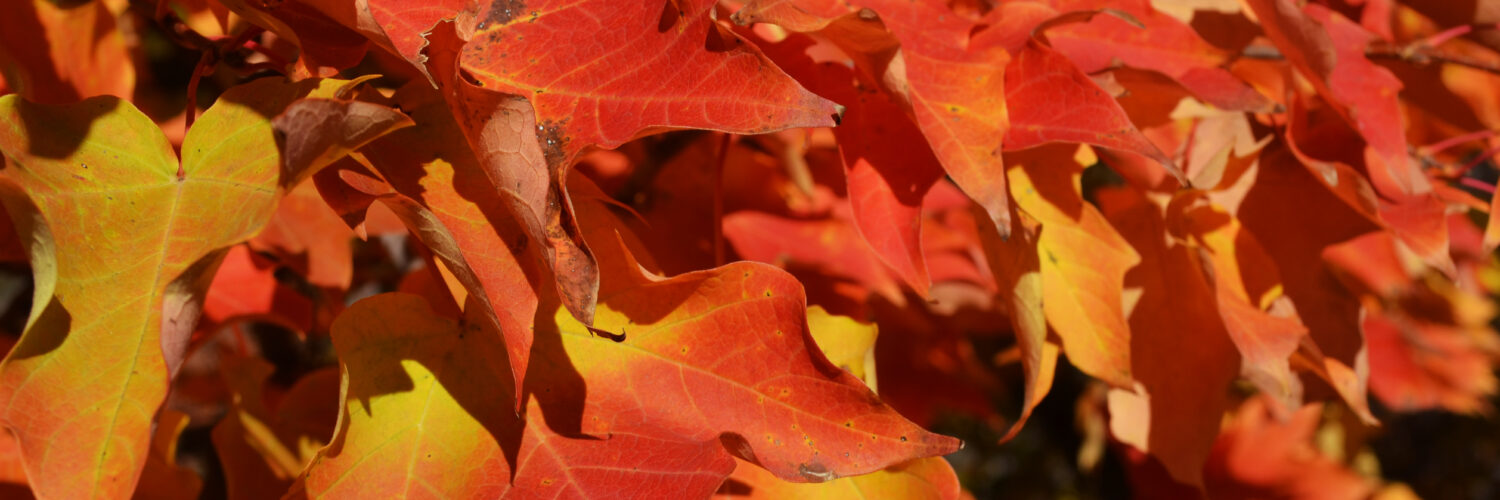
 Akshay Dinesh
A green summer leaf can look simple, but it is running a busy chemical workshop. Inside its cells, chlorophyll captures light energy and helps the leaf make sugars through photosynthesis. That green pigment is so strong visually that it hides many of the other colors already sitting inside the leaf. When autumn approaches, the tree does not suddenly paint the leaf from the outside. Much of the color change begins when the green mask fades and the leaf enters a carefully managed shutdown.
The timing feels sudden because the signal builds quietly. Shorter days, cooler nights, and changes in moisture tell many deciduous trees that the growing season is ending. Instead of spending energy to keep every leaf working through winter, the tree begins taking useful materials back into its branches, trunk, and roots. Nitrogen, phosphorus, and other valuable nutrients are pulled out of the leaf before it drops. The colors people notice are part of that larger transition from active food-making to seasonal storage.
Green Leaves Stay Green Because Chlorophyll Keeps Being Replaced
Chlorophyll is often described as the pigment that makes plants green, but that description misses one useful detail: chlorophyll is not permanent. Sunlight helps it do its job, yet light and oxygen also break it down over time. During spring and summer, a healthy leaf keeps making more chlorophyll, so the green color stays dominant. NASA Earth Observatory explains this autumn change simply: when temperatures drop and days shorten, chlorophyll levels fall because the plant is no longer replacing the pigment at the same pace.
That is why fall color is tied to day length as well as weather. A single cool night may make people think autumn has arrived, but trees respond to the season more reliably through the shrinking amount of daylight. As days get shorter, the leaf’s food-making system slows. The veins that carry water and minerals into the leaf also begin to close off near the leaf stem. Once that connection weakens, chlorophyll production fades, and the colors beneath the green become easier to see.
The process is not the same as a leaf simply dying all at once. For a while, the leaf is still chemically active. It is breaking down parts of its photosynthetic machinery, moving resources back into the tree, and forming the abscission layer that will eventually let the leaf separate. Autumn color appears during this in-between state, when the leaf is no longer acting like a full summer solar panel but has not yet become a dry brown sheet on the ground.
Yellow and Orange Were Hiding in the Leaf All Along
When the green fades, yellow and orange pigments called carotenoids become visible. These pigments are present in many leaves during the growing season, but chlorophyll usually overwhelms them. Carotenoids are not rare chemicals saved only for autumn. They are related to pigments that color carrots, corn, squash, and egg yolks. In leaves, they help with photosynthesis by absorbing light and protecting parts of the photosynthetic system from excess energy.
The U.S. Forest Service has long used familiar tree examples to explain this part of the display. Aspens and yellow-poplars often turn golden. Some maples show orange tones. Birches, hickories, and many other broadleaf trees can shift toward yellow as chlorophyll disappears. These colors may feel like they arrive overnight, but the pigments were part of the leaf’s working equipment before anyone thought of taking a fall walk.
That hidden-pigment idea also explains why not every tree turns red. A leaf does not need to manufacture a new red pigment to show autumn color. If a species has strong carotenoids and little red pigment formation, its fall display may be yellow, gold, or orange. Brown leaves usually mean the colorful pigments have broken down too, leaving tannins and other compounds behind as the leaf dries and ages. The final color depends on the species, the chemistry already present, and how long the leaf stays attached while the change unfolds.
Red Leaves Are Made by a Different Pigment Story
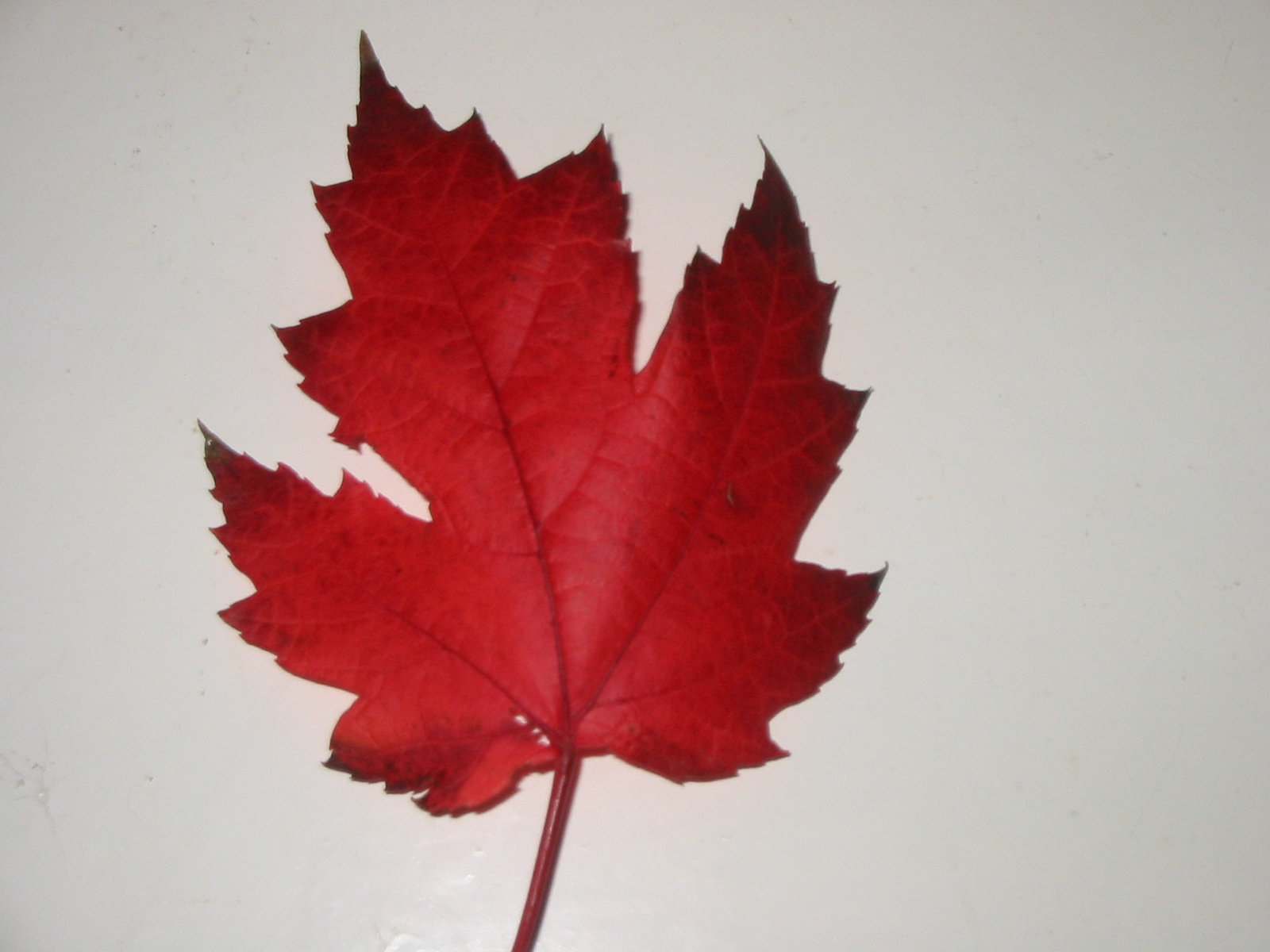
Red and purple leaves usually involve anthocyanins, pigments that also help color foods such as blueberries, cranberries, red apples, and cherries. Unlike carotenoids, anthocyanins are often produced late in the season rather than simply uncovered. As the leaf’s transport system slows, sugars can become trapped inside the leaf. With bright sunlight and cool conditions, some trees use those sugars in chemical pathways that form red and purple pigments.
This is one reason red fall color can vary so much from year to year. A sugar maple may look brilliant one autumn and more muted another. Warm cloudy weather, drought stress, storm damage, or an early hard freeze can shorten the color season or reduce the intensity. The National Weather Service notes that bright sunny days and cool, nonfreezing nights tend to favor strong fall colors. Those conditions allow leaves to make sugars during the day, slow sugar movement at night, and keep the leaf alive long enough for color to develop.
Anthocyanins may do more than make leaves attractive to human eyes. Plant scientists have studied whether red pigments help protect aging leaves from light stress while the tree reclaims nutrients. The idea is that a leaf near the end of its useful life still contains valuable materials, and a red pigment layer may shield the remaining machinery long enough for the tree to recover more of them. Not every species needs or uses that strategy, which is why autumn forests show such a mix of yellow, orange, red, bronze, and brown.
Weather Changes the Color, But It Does Not Start the Season by Itself
People often blame or praise one week of weather for the whole fall display, but weather acts more like an editor than the author. The seasonal script starts with shorter days. Weather then changes the brightness, timing, and durability of the colors. A moderate stretch of sunny days and cool nights can sharpen red and orange tones. A warm, cloudy, rainy pattern can make colors less vivid. A severe freeze can damage leaf tissues before pigments have much chance to develop.
Moisture matters too. A tree that has been under serious drought stress may drop leaves early or show duller colors because the leaves cannot keep functioning long enough for a full display. Mild dryness sometimes concentrates sugars in ways that can support color, but heavy stress is different. It can push a tree toward survival mode. Leaves may brown at the edges, fall early, or skip the slow color-building stage that makes autumn look dramatic.
Local conditions also explain why two trees on the same street can look different. One may get more afternoon sun. Another may sit in compacted soil near pavement. A tree on a windy corner may lose leaves sooner than one sheltered in a yard. Species differences matter even more. Oaks often lean toward russet, red-brown, or deep bronze. Red maples can turn scarlet. Sugar maples often show orange-red color. Elms may become mostly yellow or brown. Autumn is not one chemical reaction repeated everywhere; it is a seasonal pattern filtered through species, sunlight, temperature, soil, and stress.
Falling Leaves Help Trees Survive Winter
Color is only the visible part of a practical survival decision. Broad, thin leaves are excellent for capturing sunlight during the growing season, but they are risky in winter. They lose water, catch snow and ice, and are difficult to keep alive when cold soil makes water harder to move. Many deciduous trees avoid that problem by dropping leaves and waiting out winter with protected buds. Evergreens follow a different strategy, keeping tougher leaves or needles that can survive longer under cold or dry conditions.
Before a deciduous leaf falls, the tree forms a separation zone at the base of the leaf stem. This abscission layer gradually blocks the flow of water and nutrients. Once the connection weakens enough, wind or gravity can finish the job. The small scar left behind helps protect the twig after the leaf is gone. What looks like a messy rain of leaves is actually a controlled exit, timed so the tree loses a temporary organ without leaving open wounds all winter.
The fallen leaves still matter after they leave the tree. On a forest floor, they break down into leaf litter, shelter small organisms, and return nutrients to the soil. Fungi, bacteria, insects, and other decomposers turn last year’s canopy into part of next year’s growing conditions. The color show is brief, but the material cycle is not. A leaf begins as a factory for sugar, becomes a resource bank as autumn arrives, and ends as part of the soil community below.
What to Notice the Next Time Leaves Start Turning
The best way to read fall color is to notice that different colors are telling different parts of the story. Yellow and orange often mean chlorophyll has faded enough for carotenoids to show through. Red suggests anthocyanins have formed under the right mix of light, sugar, temperature, and species chemistry. Brown often means the leaf is drying, pigment chemistry is breaking down, or the tree species simply does not produce a bright display.
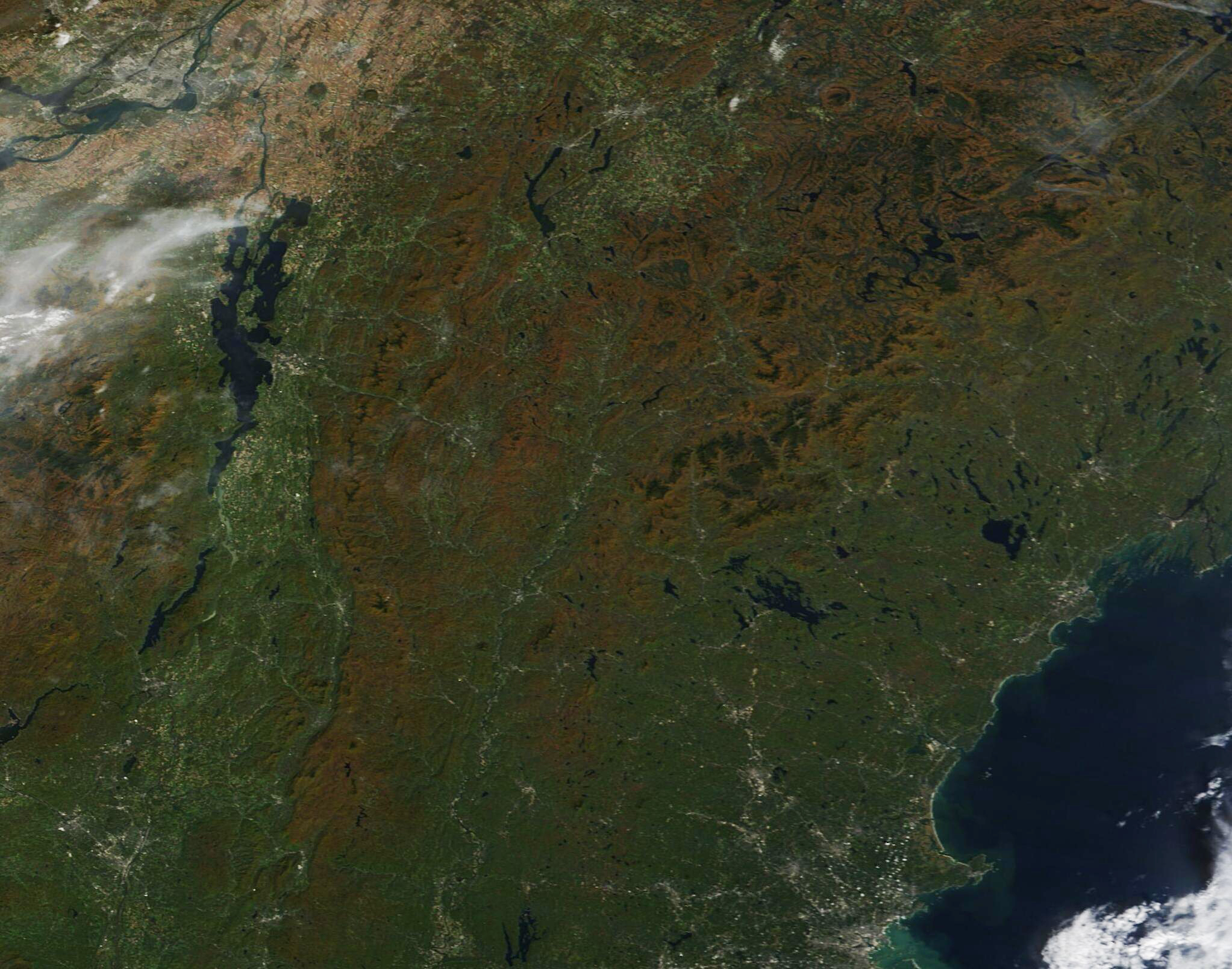
Look at where the color appears first. Higher elevations and cooler northern areas often change before warmer lowlands. Sunny outer branches may redden while shaded inner leaves stay yellow or green. A row of mixed trees can become a quiet field guide: maple, oak, birch, aspen, sweetgum, and poplar each handle autumn in its own way. The show is beautiful because it is not perfectly uniform.
Fall color is easy to admire as scenery, but it becomes even richer when it is seen as biology in motion. The leaf is not performing for a calendar or a holiday. It is responding to light, temperature, water, and the tree’s need to save resources before winter. The colors are signals from pigments, sugars, and cells doing their last seasonal work. By the time a leaf drifts to the ground, most of the important preparation has already happened inside it.