
 Akshay Dinesh
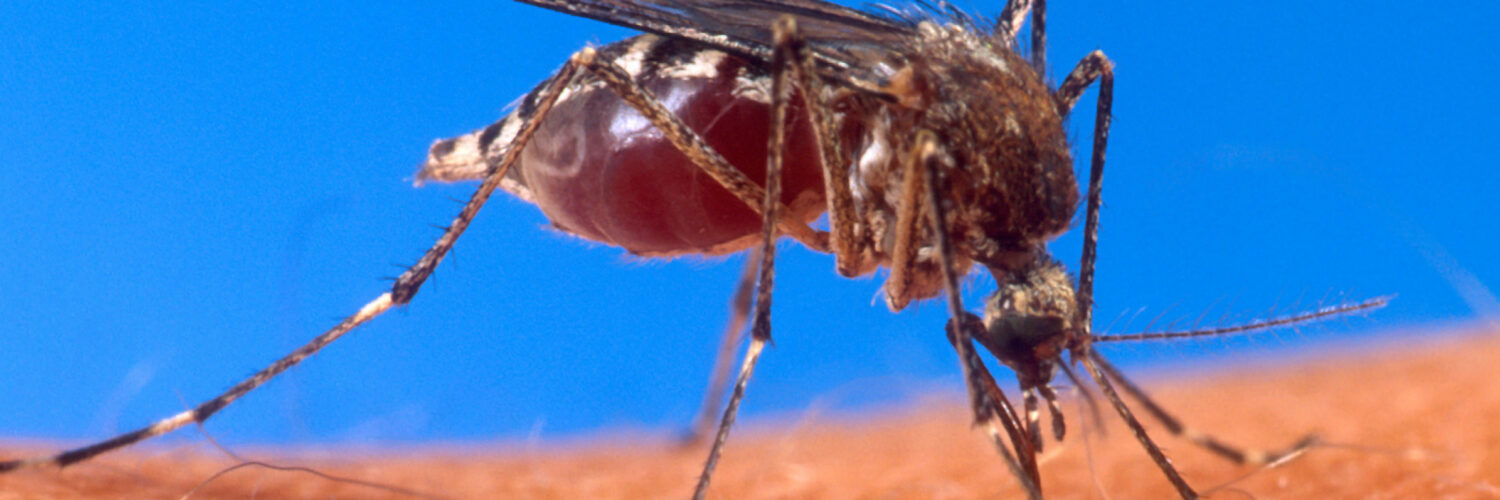
A mosquito bite can feel strangely out of proportion to what actually happened. The insect was tiny, the puncture was brief, and the amount of saliva left behind was microscopic. Yet a few minutes later, the skin may rise into a red bump that itches enough to steal attention from everything else. The bite is small, but the body’s response is loud.
The itch does not come from the mosquito “poisoning” the skin or from the blood being removed. It comes from the immune system reacting to mosquito saliva. As a female mosquito feeds, she releases saliva that helps keep blood flowing. The body recognizes proteins and other substances in that saliva as foreign, then sends chemical signals to the area. The familiar bump, redness, warmth, and itch are signs of that local defense system at work.
The Bite Starts With Saliva, Not the Needle
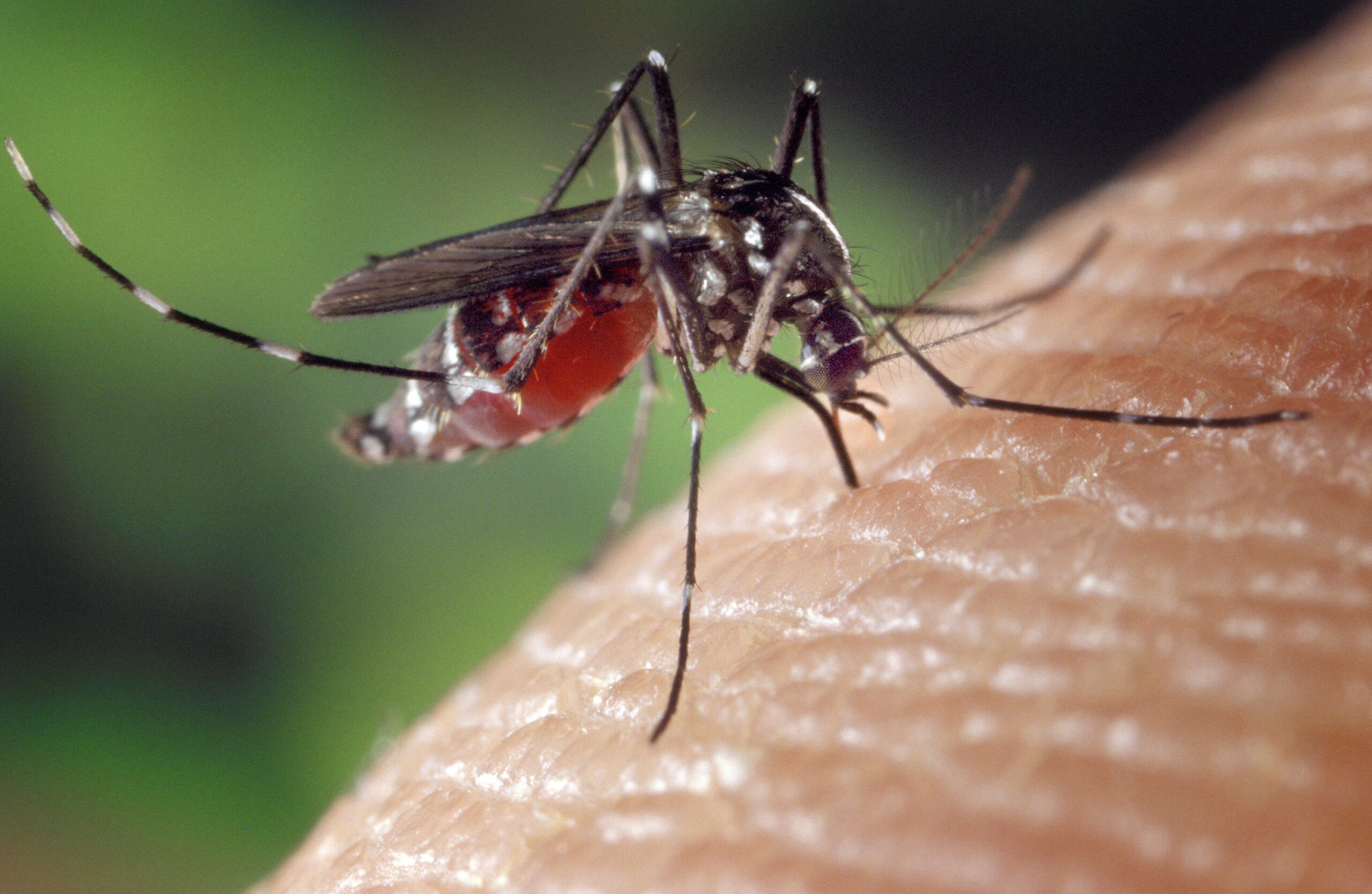
A mosquito feeds with a slender mouthpart called a proboscis. It does not work like one simple needle. The mouthpart includes structures that help pierce the skin, search for a tiny blood vessel, draw blood, and deliver saliva. That saliva is important for the mosquito because blood naturally clots when vessels are damaged. If the blood clotted immediately, feeding would be much harder.
The Centers for Disease Control and Prevention explains that while a mosquito is feeding, it injects saliva into the skin, and the body reacts to that saliva with a bump and itching. That simple description captures the key point: the bite mark is mostly a reaction site. The skin is not only showing where the mosquito pierced it. It is showing where immune cells and chemical messengers have gathered after noticing something unfamiliar.
That is why two bites on the same person can look different. The reaction depends on the amount of saliva, the mosquito species, the skin location, previous exposure, and how strongly the immune system responds in that moment. A bite on thin, sensitive skin may feel worse than one on tougher skin. A person who has been bitten many times may react differently from someone encountering a new mosquito species while traveling.
Histamine Helps Create the Itchy Bump
One of the most important chemical messengers in a mosquito-bite reaction is histamine. Histamine is released by immune cells during many allergic and inflammatory responses. Near a mosquito bite, it helps widen small blood vessels and makes them leakier, allowing fluid and immune cells to move into the surrounding tissue. That extra fluid contributes to the raised bump, or wheal, around the bite.
Histamine also affects nearby nerves. It can make itch-sensing nerve endings more active, which is why the bump feels irritating instead of merely visible. Cleveland Clinic describes histamine as a major reason mosquito bites itch and swell, and clinical guidance often points to antihistamines because they reduce the effect of histamine in mild bite reactions. The chemistry is ordinary immune biology, but it feels personal when the signal is coming from a tiny spot on the ankle.
Researchers have also found that mosquito-bite itch is not always only a histamine story. A 2022 review in Frontiers in Immunology described histamine as a key player, but noted that other mosquito salivary proteins and inflammatory pathways may contribute to itch as well. That helps explain why some bites keep itching even after the first wave of swelling fades, and why different people do not get the same amount of relief from the same treatment.
Why Scratching Makes the Signal Stronger
Scratching feels satisfying because it briefly competes with the itch signal. Pressure and mild pain can distract the nervous system from the original irritation. The relief is usually temporary, though, because scratching also stresses the skin. It can break tiny surface layers, increase inflammation, and make the area feel even more sensitive once the brief distraction fades.
The problem is not weakness or lack of willpower. Itch is designed to demand attention. In evolutionary terms, an itchy feeling can push an animal to notice parasites, irritating substances, or small injuries on the skin. With mosquito bites, that warning system becomes frustrating because the mosquito is long gone by the time the itch begins. The body is reacting to what was left behind, not to a threat still sitting on the skin.
Scratching can also introduce bacteria from fingernails or surrounding skin into tiny breaks. Most mosquito bites remain minor, but broken skin can become more irritated or infected. Mayo Clinic’s general care guidance for mosquito bites emphasizes avoiding scratching when possible and using simple comfort measures such as cold, calamine lotion, or nonprescription anti-itch products for typical mild reactions. The goal is not to erase the immune response completely, but to keep a small reaction from becoming a larger skin problem.
Why Some People React More Than Others
Mosquito-bite reactions vary widely. One person may get a small dot that disappears quickly, while another develops large, hot, swollen welts. Part of the difference comes from immune sensitivity. The body has to learn to recognize mosquito saliva, so reactions can change with age, repeated exposure, or contact with a mosquito species the body has not encountered before.
Children often show stronger visible reactions than adults because their immune systems may still be learning how to respond to common local mosquitoes. Travelers can also notice dramatic bites in a new place, not necessarily because the mosquitoes are more aggressive, but because the saliva proteins are unfamiliar to that person’s immune system. Over time, repeated exposure may reduce reactions for some people, though not everyone follows the same pattern.
A much stronger local reaction is sometimes called skeeter syndrome. Cleveland Clinic describes it as a large inflammatory reaction to proteins in mosquito saliva, with swelling and redness that go beyond an ordinary small bump. Severe swelling, fever, spreading redness, pus, breathing trouble, or symptoms that seem unusual for a typical bite are reasons to seek medical help rather than treating the bite as a routine annoyance. Most bites are mild, but the range of possible responses is real.
Why Prevention Works Better Than Chasing the Itch
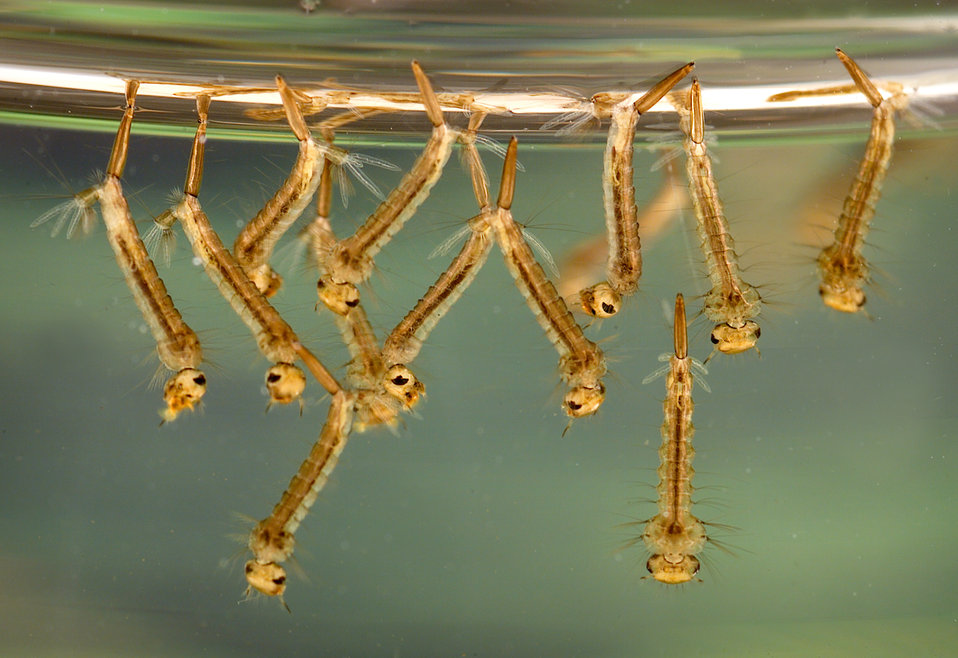
Once a bite has happened, the immune response has already begun. That is why prevention is often more effective than trying to calm every bump afterward. EPA-registered repellents, long sleeves, long pants, window screens, and moving air from fans all reduce the chance that mosquitoes will land and feed. Removing standing water also matters because mosquito larvae develop in water before becoming adults.
Prevention does not need to be dramatic. A weekly check for water in buckets, plant saucers, gutters, toys, tarps, birdbaths, and trash lids can reduce breeding spots near a home. For personal protection, the most useful repellent is one that is proven, appropriate for the setting, and used according to the label. The best choice for a short evening walk may differ from the best choice for camping or traveling in a place where mosquito-borne disease is a concern.
The science behind the itch makes the practical steps easier to understand. A mosquito bite is not just a tiny puncture. It is a tiny chemical event that the immune system notices quickly. Saliva starts the reaction, histamine and other signals bring swelling and itch, nerves carry the irritation, and scratching can keep the loop going. Avoiding bites in the first place means the body never has to start that itchy conversation at all.






Add comment