 Akshay Dinesh
An opioid overdose becomes life-threatening when drugs such as fentanyl, heroin, oxycodone, or morphine slow the body’s breathing system so much that the brain and organs no longer get enough oxygen. Naloxone is one of the rare medicines that can interrupt that crisis quickly. It does not treat addiction, remove all risk, or replace emergency care, but it can buy the minutes that matter most when breathing has slowed or stopped.
The Centers for Disease Control and Prevention describes naloxone as a medication that can reverse an opioid overdose by blocking the effects of opioids. The National Institute on Drug Abuse calls it an opioid antagonist, which means it attaches to opioid receptors without activating them in the same way. The U.S. Food and Drug Administration approved the first over-the-counter naloxone nasal spray in 2023, making the medicine easier for families, schools, libraries, community groups, and bystanders to keep nearby. Understanding how it works also explains why speed, breathing support, and follow-up care are still so important.
What opioids do inside the nervous system
Opioids affect the body by binding to specific receptor proteins found in the brain, spinal cord, gut, and other tissues. These receptors are part of the body’s normal pain-control system. When an opioid molecule fits into one of them, it can reduce pain signals, create a feeling of calm or euphoria, and slow several automatic body functions.
The most dangerous slowdown happens in breathing. A region of the brainstem helps monitor carbon dioxide in the blood and keeps breathing going even when a person is asleep or unconscious. Strong opioid effects can make that system less responsive. Breaths may become shallow, irregular, or far too slow to move enough oxygen into the bloodstream.
That is why an opioid overdose is not simply a person being deeply asleep. The body can lose the steady breathing rhythm that keeps oxygen moving to the brain. Blue or gray lips, limpness, choking or gurgling sounds, and failure to wake up can all appear when oxygen is running low. The biology is urgent because brain cells are sensitive to oxygen loss.
How naloxone competes for the same receptor sites
Naloxone works because it has a stronger short-term pull for many opioid receptor sites than the opioid molecules causing the overdose. When naloxone reaches those receptors, it can push opioids away or block them from continuing to activate the receptor. The effect is not subtle: if the overdose is opioid-driven and enough naloxone reaches the bloodstream, breathing can improve within minutes.
This is often described as “reversing” an overdose, but the word can sound more complete than the biology really is. Naloxone does not destroy fentanyl, heroin, or prescription opioids. It does not remove them from the body. It temporarily blocks their effect at receptor sites, giving the breathing system a chance to restart more normally.
The CDC notes that naloxone can restore normal breathing within about two to three minutes when breathing has slowed or stopped because of an opioid overdose. That rapid effect is the reason the medicine is carried by emergency responders and increasingly by ordinary people. A person who is not breathing well may not have time to wait for perfect information about which drug is involved.
Why breathing can return before the danger is over
Naloxone’s speed is one of its strengths, but its temporary action is also one of its limits. Some opioids can last longer in the body than naloxone does. Fentanyl and other potent opioids may also be involved in very small amounts that are hard for a bystander to identify. If the opioid effect returns after naloxone starts wearing off, breathing can become dangerous again.
That is why official guidance consistently treats naloxone as part of emergency response, not the entire response. The medicine can improve breathing, but the person still needs monitoring and medical help. Oxygen levels, airway problems, vomiting, injuries, or additional substances may complicate what looks at first like a straightforward overdose.
There is another reason follow-up matters: naloxone can trigger sudden opioid withdrawal in someone whose body is physically dependent on opioids. Withdrawal is usually not the same danger as oxygen loss, but it can be intensely uncomfortable and disorienting. A person may wake up confused, frightened, nauseated, sweating, shaking, or in pain. Calm reassurance and medical support can matter almost as much as the medication itself.
Why nasal spray changed access
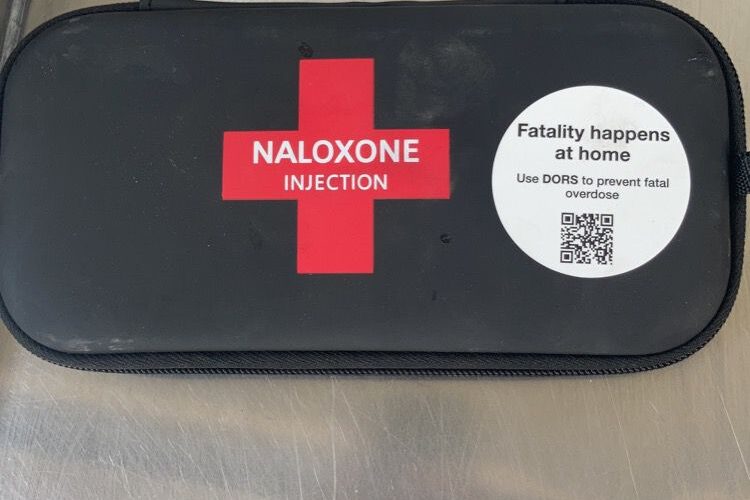
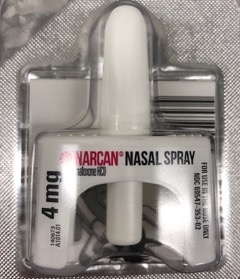
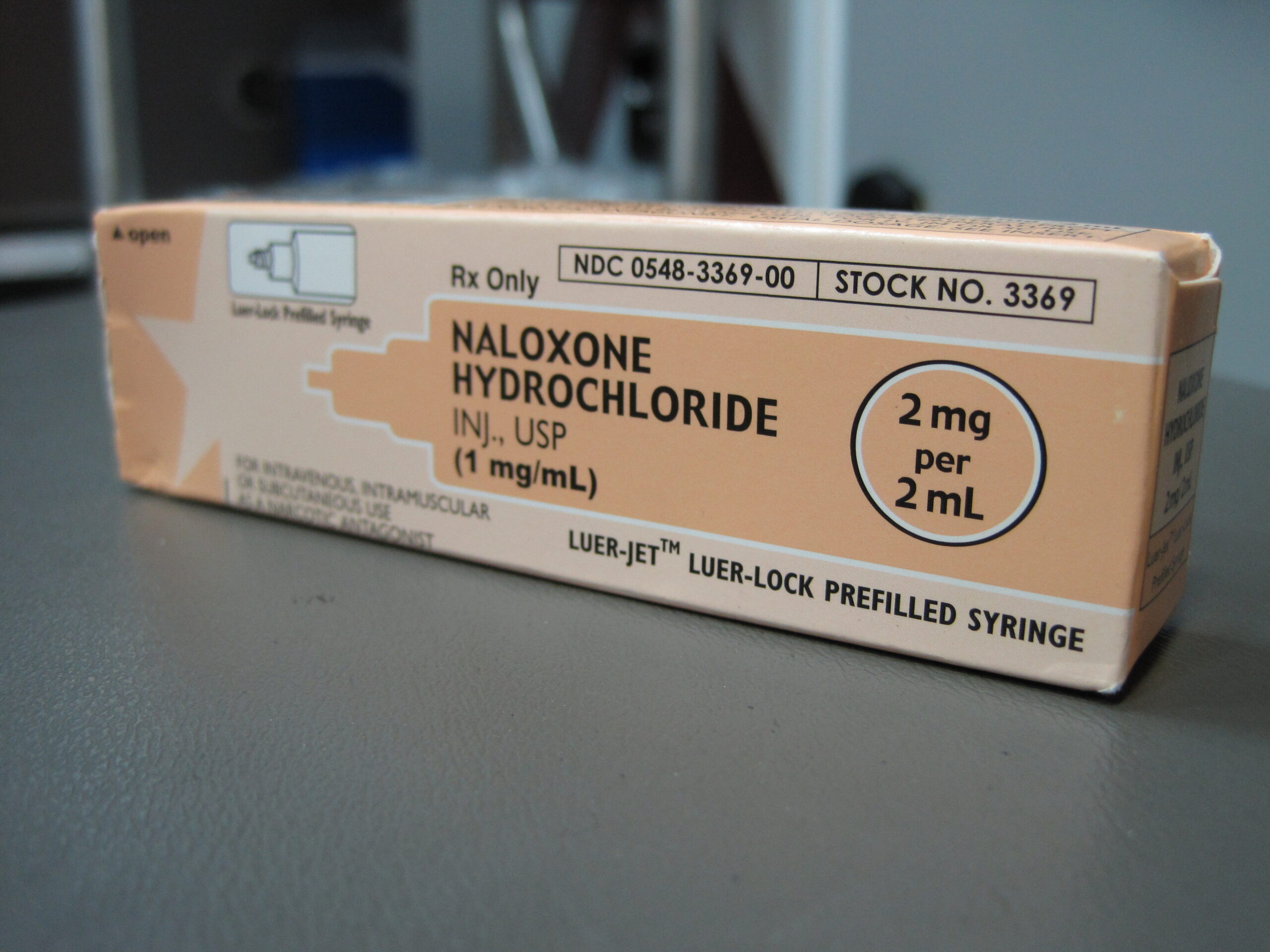
Older naloxone response often depended on trained responders using injections or assembled devices. Injectable forms are still used in medical settings, but nasal spray changed the public-access picture. A prefilled nasal spray is easier to store, easier to recognize, and easier for nonmedical bystanders to use under stress.
The FDA’s 2023 approval of over-the-counter Narcan nasal spray was important because it moved one naloxone product out from behind the prescription barrier. Other naloxone products and state access rules also helped expand availability, but over-the-counter approval gave the issue a national signal: opioid overdose reversal is not only a hospital or ambulance tool. It can be part of ordinary emergency readiness.
That access matters because many overdoses happen before a professional responder is present. A roommate, friend, relative, teacher, librarian, shelter worker, or passerby may be the first person close enough to act. The public-health logic is similar to automated external defibrillators in airports or epinephrine auto-injectors in schools: a medicine or device is more useful when it can reach the emergency before the emergency reaches a hospital.
What naloxone can and cannot do
Naloxone is specific to opioids. It can reverse breathing suppression caused by opioid receptor activation, but it does not reverse alcohol poisoning, benzodiazepine overdose, stimulant toxicity, stroke, seizure, diabetic emergencies, or every cause of unconsciousness. That specificity is why responders still have to treat the whole situation rather than assuming one medicine has solved everything.
At the same time, naloxone’s safety profile is a major reason public-health agencies encourage wider availability. If someone is unconscious from a non-opioid cause, naloxone usually will not produce the dramatic breathing improvement seen in an opioid overdose, but it is not expected to create an opioid-like high or worsen the original intoxication. The greater danger in a suspected opioid emergency is usually waiting too long while breathing remains poor.
Naloxone also does not address the longer story behind overdose risk. It cannot change the unpredictable strength of illicit fentanyl, treat substance use disorder, stabilize housing, provide mental health care, or make drug supplies safer. Those are larger public-health problems. Naloxone is a rescue medicine, not a complete prevention system.
Why the science matters beyond the medicine cabinet
The biology of naloxone is a clear example of how receptor competition can change the body quickly. Two molecules can aim for the same docking sites, but produce very different results. One can slow breathing dangerously; the other can block that signal long enough for breathing to return.
That same mechanism also shows why overdose response is time-sensitive. The problem is not a moral failure occurring somewhere far away from biology. It is a physical crisis in which receptor activity, brainstem breathing control, oxygen levels, and minutes all line up. The more clearly people understand that chain, the easier it is to see why stigma is so costly. A delayed response can mean more oxygen loss. A fast response can mean survival.
Naloxone’s wider availability has changed what ordinary emergency preparedness can include. A small nasal spray or kit cannot solve the opioid crisis, but it can turn a bystander into someone with a real tool while help is on the way. That is the practical power of the medicine: not magic, not a cure, but a temporary biological block strong enough to reopen the narrow window between overdose and recovery.