
 Akshay Dinesh
A garden can feel quiet from the outside, but every plant in it is keeping time. As summer days stretch long and then slowly shorten, many plants read the changing balance of light and darkness with surprising precision. They are not simply waiting until they are tall enough or warm enough. For many species, flowering begins only when the season sends the right timing signal.
That response is called photoperiodism. The word sounds technical, but the idea is familiar to anyone who has wondered why some flowers appear in spring, others in midsummer, and others near fall even when they all receive water, soil, and sun. Plants need energy from light for photosynthesis, but they also use light as information. Day length tells them where they are in the year, and that helps them decide when reproduction has the best chance of success.
Flowering Is a Timing Problem
For a plant, flowering too early can be costly. A late frost can damage delicate flower parts before seeds have a chance to form. Flowering too late can be just as risky if cold weather, drought, or the end of the growing season arrives before seeds mature. A plant also needs its flowers to appear when pollinators, wind conditions, or neighboring plants make reproduction more likely.
Temperature matters, but temperature alone can be unreliable. A warm spell in late winter does not always mean spring has truly arrived. Day length changes in a steady yearly pattern, so it gives plants a more dependable calendar. At the same latitude, a given date brings roughly the same length of daylight every year, even if the weather feels unusual.
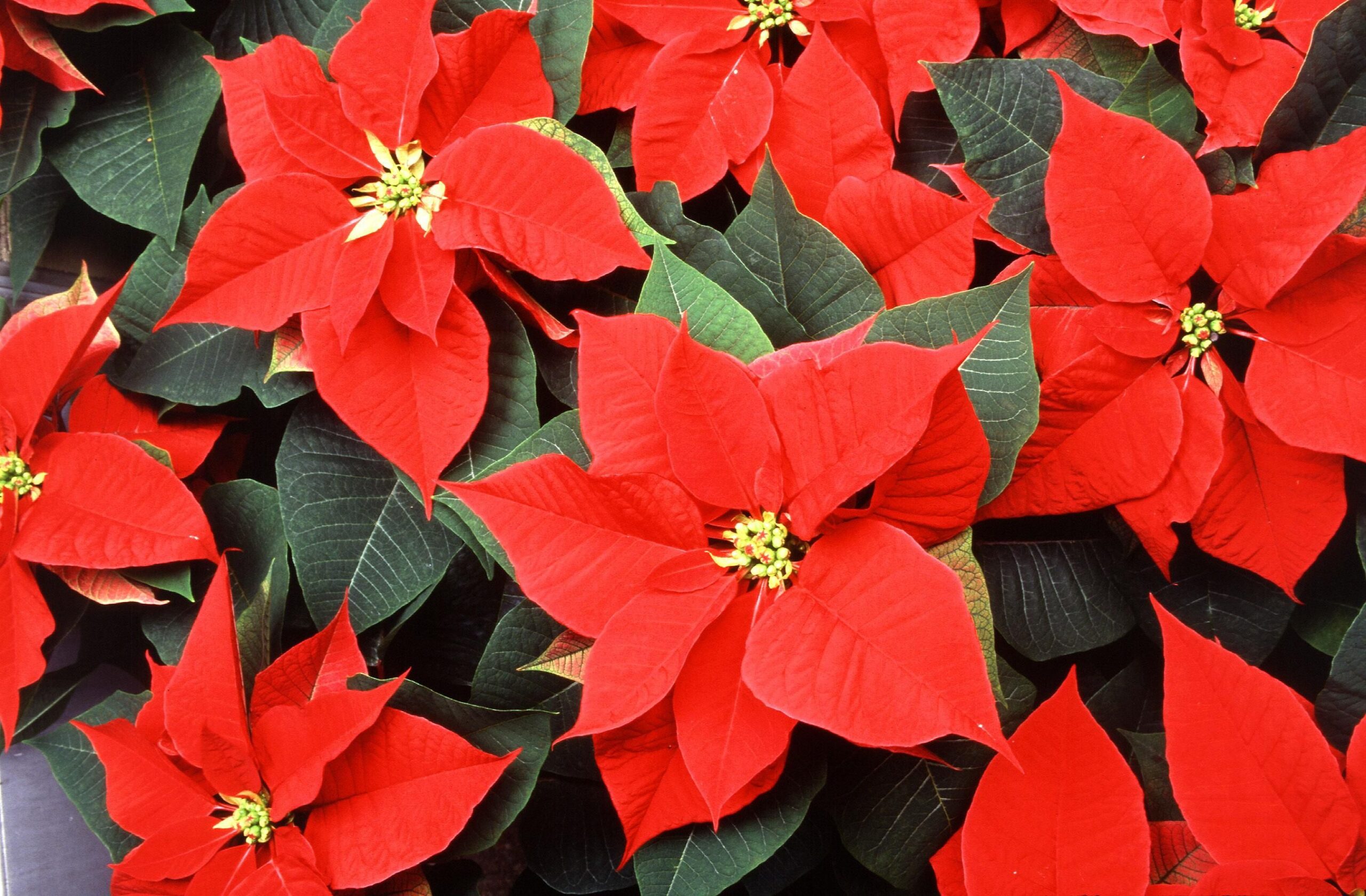
Oregon State University Extension explains this in a practical gardening way: some plants bloom when days are longer, while others bloom when days are shorter. That pattern helps gardeners understand why lettuce may bolt in long summer light, why chrysanthemums bloom as days shorten, and why poinsettias need carefully managed darkness to color up for winter displays.
The Plant Is Often Measuring Night, Not Day
The names long-day and short-day can be slightly misleading. In many classic examples, what matters most is the length of the uninterrupted dark period. A short-day plant is often better understood as a long-night plant. It flowers when the night lasts long enough. A long-day plant is often responding to nights that have become short enough.
This distinction explains why a brief burst of light at night can change a plant’s behavior. If a plant needs one long, continuous night to begin flowering, a flash of light can break that darkness into two shorter periods. To the plant, the season may no longer look right, even though the total number of daylight hours has barely changed.
University of Florida IFAS teaching materials describe photoperiod as the duration of light a plant perceives and connect that perception to phytochrome, a light-sensitive plant pigment. Phytochrome changes form depending on exposure to red and far-red light. Over hours of light and darkness, those changes help the plant interpret whether it is living through long days, short days, long nights, or short nights.
The system is not a tiny stopwatch sitting in one leaf. It is a chain of signals. Leaves detect the light pattern, internal rhythms help interpret the timing, and chemical messages move through the plant. When conditions fit the plant’s requirements, growth at the shoot tip can shift from producing leaves to producing flowers.
Short-Day, Long-Day, and Day-Neutral Plants
Plants are often grouped by how flowering responds to day length. Short-day plants flower when nights become long enough. Poinsettias, chrysanthemums, and some varieties of soybean are common examples. In many of these plants, unwanted nighttime light can delay flowering because it interrupts the long dark period they need.
Long-day plants flower when days are long or, more precisely, when nights are short. Spinach, radishes, many lettuces, and some grain crops respond this way. This is why certain cool-season crops may suddenly send up flower stalks as late spring turns into summer. The plant has moved from leaf growth toward reproduction, even if a gardener would rather keep harvesting tender leaves.
Day-neutral plants are less tied to day length. Tomatoes, cucumbers, and many beans can flower across a wider range of daylight conditions as long as temperature, nutrition, water, and plant maturity are suitable. Day-neutral does not mean the plant ignores its environment. It means day length is not the main switch for flowering.
Even these categories are simplified. Some plants are obligate, meaning they require a certain photoperiod before flowering. Others are facultative, meaning the right day length speeds flowering but is not absolutely required. Breeders and growers pay close attention to those differences because a crop that flowers beautifully in one latitude or season may behave very differently somewhere else.
How Light Becomes a Biological Signal
Phytochrome gives plants a way to sense more than brightness. It helps them detect the color balance of light, especially red and far-red wavelengths. Sunlight shifts phytochrome into one form, while darkness gradually shifts it back. Because that change takes time, the amount of each form can carry information about how long the plant has been in the dark.
The U.S. Department of Agriculture’s Agricultural Research Service has described phytochrome as a switch-like plant protein that responds to red and far-red light. That image is useful as long as the switch is not imagined as simple on and off machinery. In a living plant, phytochrome works with internal clocks, hormones, genes, and environmental cues. The result is a flexible timing system rather than a single button.
One important part of flowering research involves a signal often called florigen. Scientists use that name for a mobile flowering signal produced in leaves and sent toward growing tips. In many plants, genes activated under the right photoperiod help start this signal, telling the shoot to change its developmental program. Instead of making only leaves and stems, the plant begins building the structures that become flowers.
This is why light perceived by leaves can affect flowers that form elsewhere. The leaf acts like a seasonal sensor. The growing tip acts on the message. That division of labor makes sense because leaves are already positioned to sample light while the shoot tip is the place where future growth decisions are made.
Why Growers Manipulate Light
Photoperiodism is not just a textbook topic. Greenhouse growers use it every day. By covering plants, adding low-intensity night lighting, or controlling the length of artificial days, they can schedule crops for holidays, markets, and transplant dates. The light used for photoperiod control does not need to be strong enough to drive photosynthesis. It only needs to be strong enough for the plant to perceive the timing signal.
That is why poinsettias are such a useful example. Their red display depends on bracts, which are modified leaves, forming and coloring under the right seasonal conditions. Growers can create long nights by keeping plants in darkness for carefully timed periods. A poorly timed light leak can disrupt the schedule, while a well-managed dark period can make the crop ready when people expect to see it.
Outdoor lighting can also matter. Streetlights, porch lights, security lamps, and greenhouse light pollution may be enough to affect sensitive plants growing nearby. The effect depends on the species, the intensity of the light, the color of the light, and how long the interruption lasts. A plant sitting under a bright lamp may experience a different biological night from a plant only a few feet away in darkness.
A Seasonal Calendar Written in Light
Photoperiodism shows how deeply plants are connected to the rhythm of Earth. A plant cannot check a calendar, but it can measure repeated patterns of light and darkness. Those patterns help it match flowering to the season, the local climate, and the needs of its own life cycle.
The idea also changes the way ordinary gardens look. A flower opening in late summer is not just reacting to yesterday’s weather. It may be responding to weeks of lengthening nights, signals inside its leaves, and genetic instructions shaped by generations of survival. A crop that bolts, a poinsettia that colors, or a chrysanthemum that waits for fall is showing a kind of biological timing hidden in plain sight.
Once that timing becomes visible, day length feels less like background scenery and more like part of the living system. Light feeds plants, but it also tells them when to change. In that sense, every season is written twice: once in the sky, and again inside the plants that know how to read it.





Add comment