

 Akshay Dinesh
Rabies is one of the few infections where the most important clock starts before a person feels sick. A bite, scratch, or bat contact may look small at first, but if the animal was carrying rabies, the virus can begin moving from the wound toward the nervous system. That movement is usually slow enough for medical care to work, but only if care begins before symptoms appear. Once rabies reaches the brain and symptoms start, the disease is almost always fatal.
That is why rabies prevention after a possible exposure is treated so seriously. The goal is not to wait and see whether someone becomes ill. The goal is to wash the wound, judge the exposure risk, and, when needed, start post-exposure prophylaxis, often shortened to PEP. The Centers for Disease Control and Prevention describes rabies PEP as a combination of wound care, human rabies immune globulin for people who have not been vaccinated before, and a series of rabies vaccine doses that help the immune system block the virus before it can cause disease.
Why rabies has to be handled before symptoms appear
Rabies is caused by a virus that infects mammals. It is usually spread through saliva when an infected animal bites another animal or a person. Scratches can also matter if saliva gets into broken skin, and contact with mucous membranes can be risky in certain situations. The virus does not behave like a cold virus that spreads through the air during ordinary conversation. The concern is direct exposure to infected saliva or nervous tissue.
After exposure, the virus may remain near the wound for a time before traveling along nerves toward the spinal cord and brain. That delay creates the window in which prevention can work. The incubation period can last weeks or months, depending on factors such as the wound location, how much virus entered, and how close the exposure was to the head or neck. A hand bite, for example, may be treated seriously because hands have many nerves and small wounds can be difficult to clean completely.
The danger is that early rabies symptoms can look vague: fever, weakness, headache, or unusual discomfort near the bite. By the time the classic signs appear, such as confusion, agitation, difficulty swallowing, or fear of water, the infection has already reached the central nervous system. At that stage, treatment cannot reliably reverse the disease. Rabies prevention is built around acting during the quiet period, when the person may feel completely normal.
What post-exposure prophylaxis actually does
Rabies PEP is not a single shot. For someone who has never been vaccinated against rabies, CDC guidance describes three main parts: immediate wound care, human rabies immune globulin, and rabies vaccine doses on a schedule. Each part has a different job. Wound washing reduces the amount of virus and bacteria at the site. Immune globulin provides ready-made antibodies right away. The vaccine teaches the person’s own immune system to make longer-lasting protection.
Thorough wound cleaning is the first step because it can lower risk before any injection is given. Soap and running water matter more than many people realize. Medical providers may also irrigate the wound and decide whether antibiotics, tetanus protection, or repair of torn tissue is needed. Even when rabies turns out not to be the main concern, animal bites can still cause infections, tendon injury, or nerve damage that deserve prompt care.
Human rabies immune globulin, often called HRIG, is used for people who have not previously received rabies vaccination. It supplies immediate antibodies while the vaccine series is still teaching the immune system to respond. Whenever possible, the dose is placed around and into the wound area, with any remaining amount given at a separate muscle site. It is given only once, at the start of PEP, because its purpose is to bridge the gap until the vaccine response develops.
The vaccine series then builds active immunity. For people who have never been vaccinated against rabies and are not immunocompromised, CDC guidance lists doses on days 0, 3, 7, and 14, with day 0 meaning the day treatment begins. People with immune system problems may need an additional dose and follow-up testing. Someone who was previously vaccinated follows a different schedule and does not receive HRIG. Those details are exactly why possible exposures should be handled with a clinician and public health guidance rather than guessed at from memory.
How doctors and health departments judge the risk
Not every animal bite leads to rabies shots. A healthy, vaccinated pet dog that can be observed is a different situation from a bite by a wild animal that disappears. Local rabies patterns also matter. Public health workers consider the animal species, the animal’s behavior, whether the contact was a bite or scratch, whether saliva may have entered broken skin, whether the animal can be tested or observed, and where the exposure happened.
In the United States, rabies in people is rare, but rabies in wildlife remains a serious public health issue. CDC materials identify bats, raccoons, skunks, and foxes as the animals most often found with rabies in the country. Domestic dogs with rabies are uncommon in the United States because of vaccination and animal-control programs, but dog rabies remains a major cause of human rabies deaths globally. Travel history can therefore change the risk picture, especially if a bite happened in a place where canine rabies is still common or where prompt PEP may be hard to obtain.
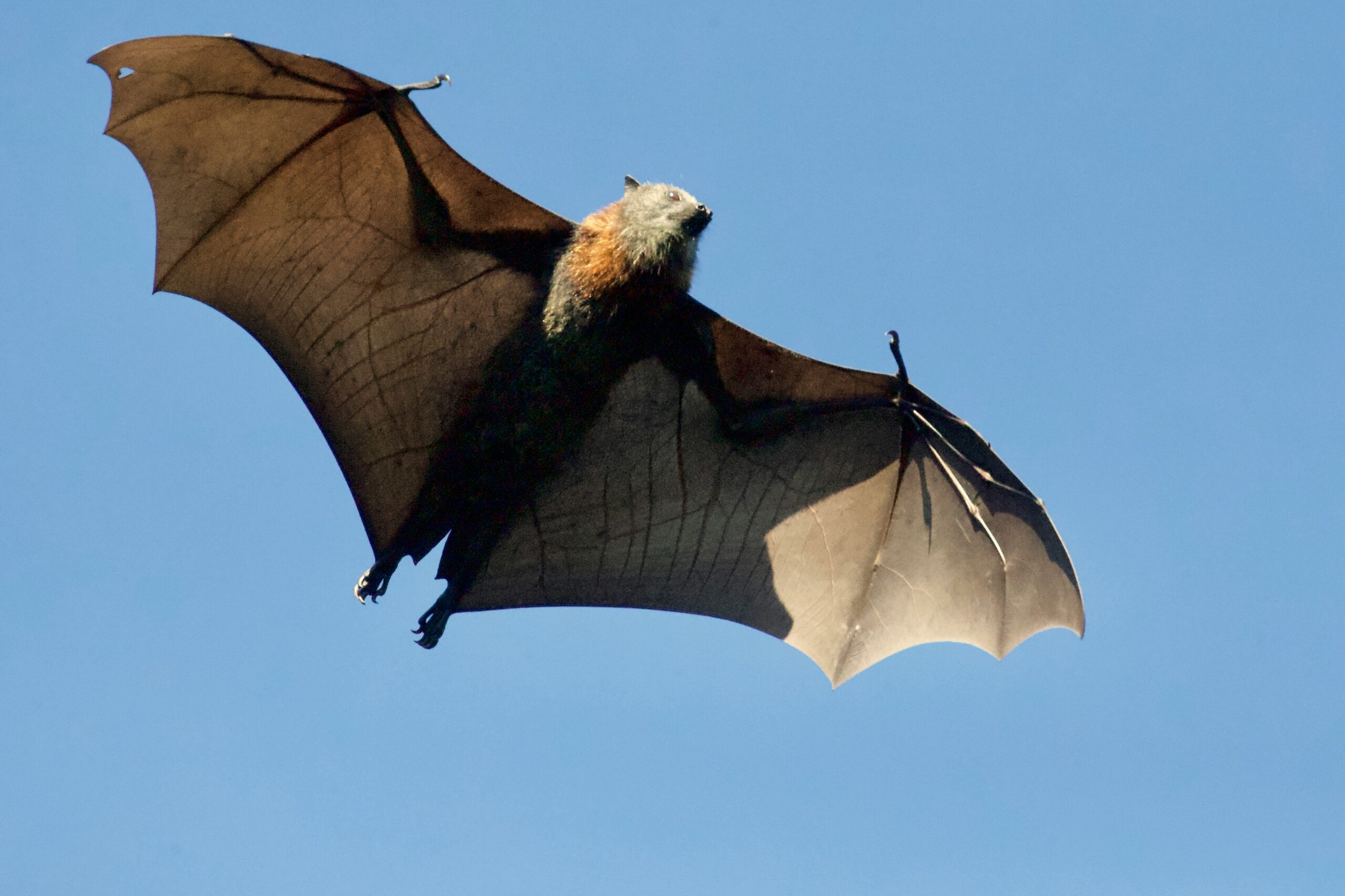
Bats deserve special attention because their teeth can make tiny marks, and people may not always know whether contact included a bite. A person who wakes up with a bat in the room, finds a bat near a child, or has direct bare-skin contact with a bat should contact medical or public health professionals for advice. The point is not to panic every time a bat is seen outdoors. The point is that direct contact with a bat is different from simply watching one fly across the evening sky.

What to do right after a possible exposure
The first useful action after a bite or scratch is simple: wash the area well with soap and water. Cleaning should not replace medical care, but it is one of the few steps that can begin immediately. If the wound is serious, bleeding heavily, on the face or hand, or caused by an unfamiliar animal, urgent care is especially important. People should also avoid trying to capture a wild animal by hand, because that can create another exposure.
Next comes information. If the animal is a pet, details such as the owner’s contact information, vaccination status, and whether the animal can be observed are useful. If the animal is wild, stray, acting strangely, or unavailable, the risk assessment changes. A local health department or animal-control office may be able to advise whether the animal should be tested, quarantined, or observed. These steps help prevent unnecessary treatment while also making sure high-risk exposures are not missed.
It is also important not to let a small wound create false reassurance. Rabies risk is not measured only by how dramatic the injury looks. A deep bite from a healthy, observable vaccinated pet may be less concerning for rabies than a barely visible bat bite that cannot be ruled out. The animal, location, exposure type, and ability to test or observe the animal all matter together.
Why pet vaccination protects more than pets
Rabies prevention is a public health system, not only an emergency-room decision. Pet vaccination keeps dogs, cats, and ferrets from becoming a bridge between wildlife and people. When pets are vaccinated, an encounter with a rabid wild animal is less likely to become a household emergency. It also makes bite investigations clearer, because a documented vaccination history gives health officials better information when they decide what should happen next.
Wildlife vaccination programs also play a role. In some regions, public health and wildlife agencies distribute oral vaccine baits to reduce rabies in animals such as raccoons, foxes, or coyotes. These programs do not remove all risk, but they show why rabies control works best when human medicine, veterinary care, animal control, and wildlife management all support one another. The reason human rabies deaths are uncommon in the United States is not luck. It is the result of vaccination, surveillance, testing, public reporting, and fast access to PEP.
Everyday prevention still matters. Avoid feeding or handling wild animals. Keep pets’ rabies vaccinations current. Teach children not to touch unfamiliar animals, even if the animal looks friendly, sick, or hurt. If a pet fights with a wild animal, use gloves or tools rather than bare hands when separating or handling anything contaminated with saliva, and contact a veterinarian or local authority for next steps.
The main idea: do not wait for symptoms
Rabies prevention can feel unusual because the best time to act is when nothing seems wrong yet. That is exactly the point. Post-exposure care is designed to stop the virus before symptoms start, while there is still time for wound cleaning, immune globulin, and vaccine to work. Waiting for fever, pain, or unusual behavior defeats the purpose of PEP.
A possible rabies exposure does not mean a person will definitely get rabies, and it does not always mean shots are needed. It does mean the situation deserves quick attention from people who know how to judge the risk. A prompt call, a careful wound cleaning, and a public health assessment can separate low-risk scares from exposures that need immediate protection. With rabies, calm speed is the safest habit: clean the wound, get advice, and act before the disease has a chance to begin.






Add comment