
 Akshay Dinesh
A clear summer afternoon can look like perfect weather: bright sky, warm pavement, and enough sunlight to make every shadow sharp. Yet those same conditions can help create one of the least obvious forms of air pollution. Ground-level ozone is not released from a tailpipe or smokestack the way smoke or soot is. It forms in the air when sunlight drives chemical reactions between pollutants from vehicles, power plants, industrial facilities, paints, solvents, gasoline vapors, and other sources.
That is why ozone pollution often becomes a summer problem. Heat, strong sunlight, and slow-moving air can turn ordinary emissions into a breathing risk, especially during the afternoon and early evening. The U.S. Environmental Protection Agency treats ozone as one of the six common air pollutants limited under the Clean Air Act, and AirNow reports ozone as one of the pollutants used in daily Air Quality Index forecasts. The science is not only about chemistry. It is about how weather, transportation, energy use, and daily choices meet in the same air people breathe.
Ozone Is Helpful High Above Us but Harmful Nearby
Ozone is a molecule made of three oxygen atoms, written as O3. Its effect depends strongly on where it is. High in the stratosphere, ozone helps absorb much of the Sun’s harmful ultraviolet radiation before it reaches the ground. That upper layer is the reason people often hear ozone described as protective.
Near the ground, the story changes. In the lower atmosphere, ozone is a pollutant and a major part of photochemical smog. It can irritate airways, aggravate asthma, reduce lung function during outdoor activity, and stress some plants during the growing season. The same molecule that is useful far overhead becomes harmful when it collects around streets, neighborhoods, parks, and school fields.
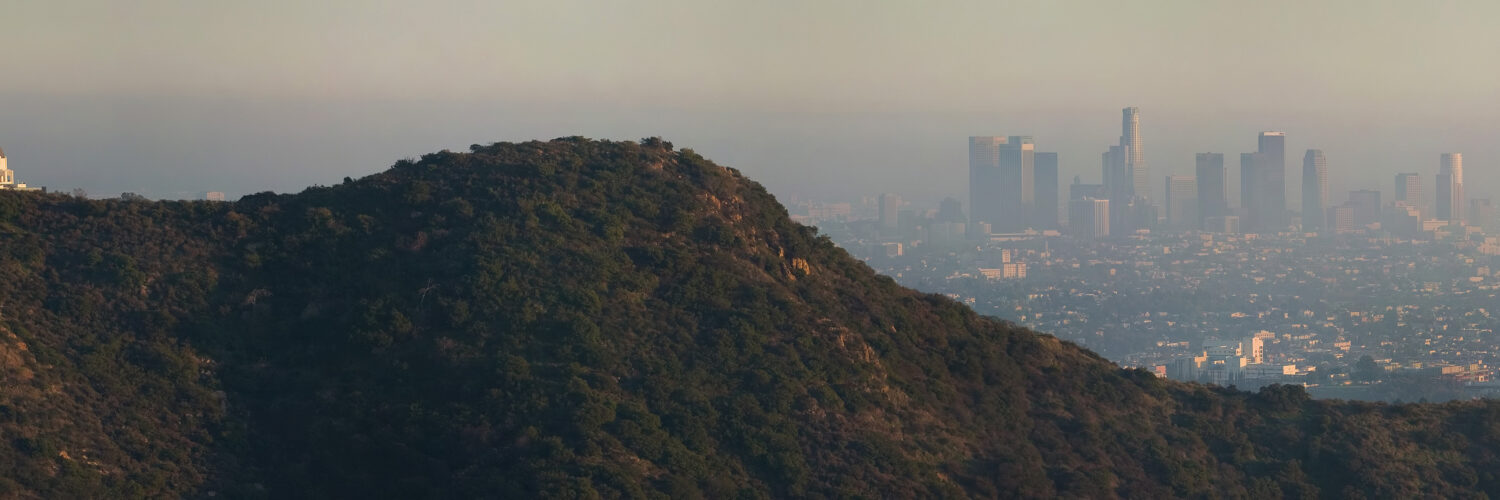
This difference can be confusing because ozone itself is invisible. A smoky sky, dusty horizon, or hazy skyline may signal polluted air, but ozone does not need to look dramatic to matter. A day can seem bright and clean while ozone levels are rising. That is one reason forecasts and measurements are so important: our eyes are poor ozone detectors.
Sunlight Turns Other Pollutants Into Ozone
Ground-level ozone is called a secondary pollutant because it is formed from other pollutants after they enter the air. Two major ingredients are nitrogen oxides, often shortened to NOx, and volatile organic compounds, often shortened to VOCs. NOx comes from combustion sources such as cars, trucks, buses, power plants, boilers, and some industrial processes. VOCs can come from gasoline vapors, chemical solvents, oil and gas operations, consumer products, vegetation, and fires.
When these pollutants mix under strong sunlight, they go through a chain of reactions that can create ozone. The process is not instant in the way lighting a match is instant. It can build through the day as emissions collect, sunlight remains strong, and air moves slowly enough for chemistry to continue. That is why ozone often peaks later in the day instead of during the morning commute itself.
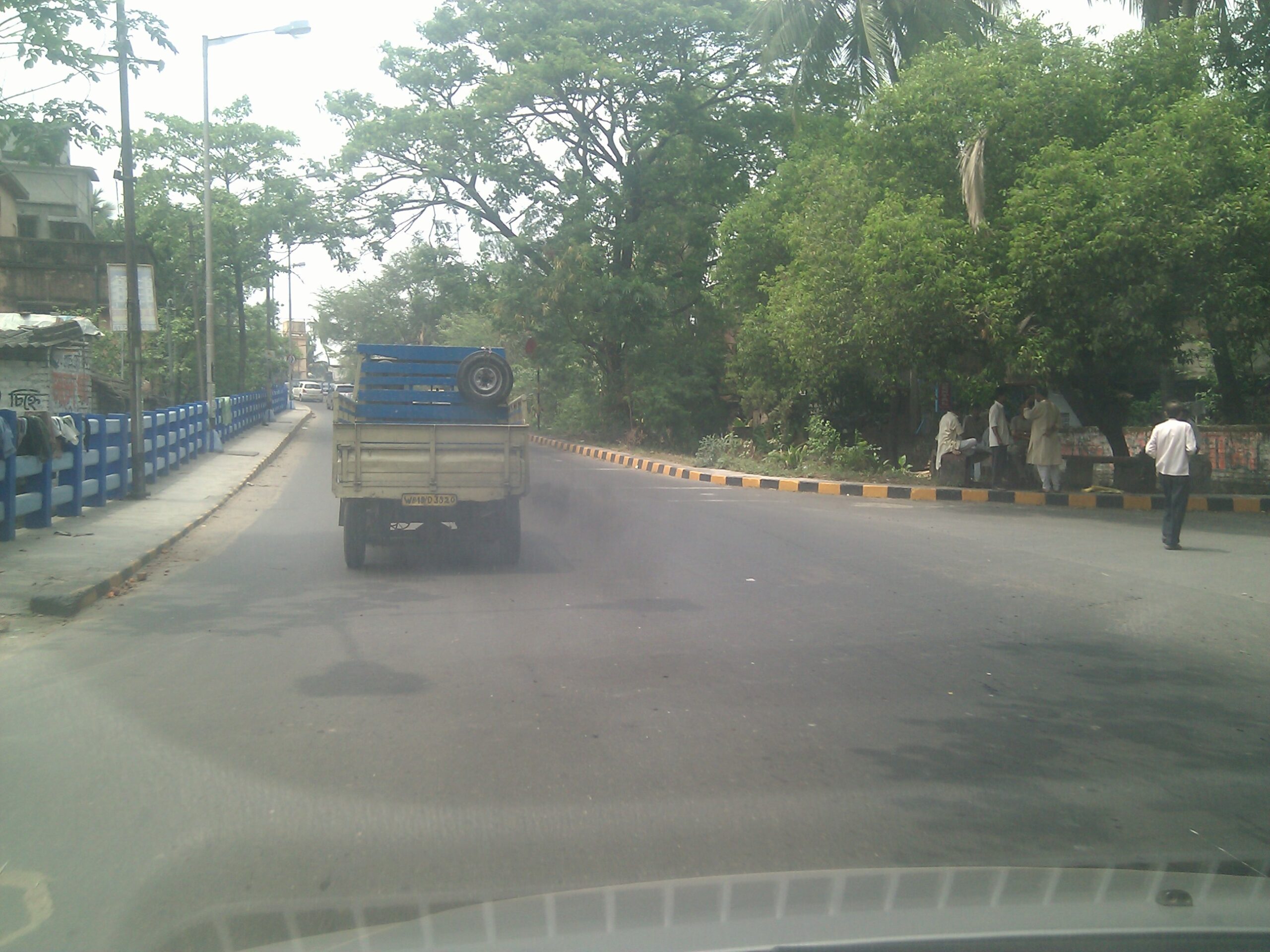
Weather shapes the reaction. Hot, sunny days are especially favorable because sunlight powers the chemistry and heat can speed reactions. Stagnant air can make the problem worse by keeping pollutants from dispersing. Wind can either clear local pollution or carry ozone and its ingredients downwind, which is why rural areas can sometimes experience unhealthy ozone even when the largest emission sources are miles away.
Why Ozone Often Rises on Summer Afternoons
Summer gives ozone several advantages at once. The Sun is high, daylight lasts longer, and many regions have stretches of hot, dry, settled weather. Those conditions can create what air-quality forecasters sometimes call ozone season. The exact timing varies by region, but the pattern is familiar: a warm morning may begin with modest readings, then ozone rises as sunlight strengthens and chemical reactions continue.
Afternoon timing matters for daily life. A student walking home after practice, a worker exercising after a shift, or a family heading to a park may be outside at the same time ozone levels are near their daily high. The air may not smell unusual. The sky may not look smoky. Still, the chemistry can be active enough for an Air Quality Index alert, especially for sensitive groups.
Wildfire smoke can complicate the picture. Smoke is often discussed because of fine particles, but fires can also release VOCs and nitrogen oxides that participate in ozone formation. Dense smoke may block some sunlight, which can limit ozone production in certain situations, but transported smoke plumes can still add ingredients to the atmosphere. Air pollution rarely follows one simple rule.
Recent air-quality reports have kept ozone in the public conversation because extreme heat, drought, and wildfire activity can make clean-air progress harder to protect. The American Lung Association’s State of the Air 2026 report found that many people in the United States lived in counties with failing ozone grades, with western states and parts of the Midwest facing serious challenges. That kind of finding does not mean every hot day is dangerous, but it does show why ozone remains a major summer air-quality issue.
How Ozone Affects People and Plants
Ozone is irritating because it is chemically reactive. When breathed in, it can inflame the lining of the respiratory tract. Some people may notice coughing, throat irritation, chest tightness, or unusual shortness of breath during outdoor exercise. People with asthma, children, older adults, outdoor workers, and anyone active outside for long periods can be more vulnerable when levels are elevated.
Children deserve special attention because they often breathe more air per pound of body weight than adults and may spend summer afternoons running, practicing sports, or playing outside. Their lungs are also still developing. For a child with asthma, a high-ozone day can make ordinary activity feel harder than it did the day before.
Plants are affected too. Ozone can enter leaves through tiny openings called stomata, the same openings plants use to exchange gases. Once inside, it can interfere with photosynthesis and damage leaf tissue. Sensitive crops, forests, and natural areas may show reduced growth or visible leaf injury after repeated exposure. This is one reason ozone pollution is not only a city problem or a health topic. It is also part of environmental science and agriculture.
How to Read an Ozone Alert Without Panicking
An ozone alert is not a command to be afraid of the outdoors. It is a signal to use timing and intensity wisely. AirNow and many local agencies report ozone through the Air Quality Index, which translates pollutant levels into familiar categories such as Good, Moderate, Unhealthy for Sensitive Groups, Unhealthy, Very Unhealthy, and Hazardous. The higher the category, the more people should adjust outdoor activity.
On a day when ozone is expected to rise, the most useful adjustment is often scheduling. Outdoor exercise may be easier on the lungs in the morning, before ozone has had hours to build. Long, intense activity during the hottest afternoon hours may be worth shortening, moving indoors, or replacing with something lighter. People with asthma or other breathing conditions should follow their health plans and pay attention to symptoms, not only the number on a screen.
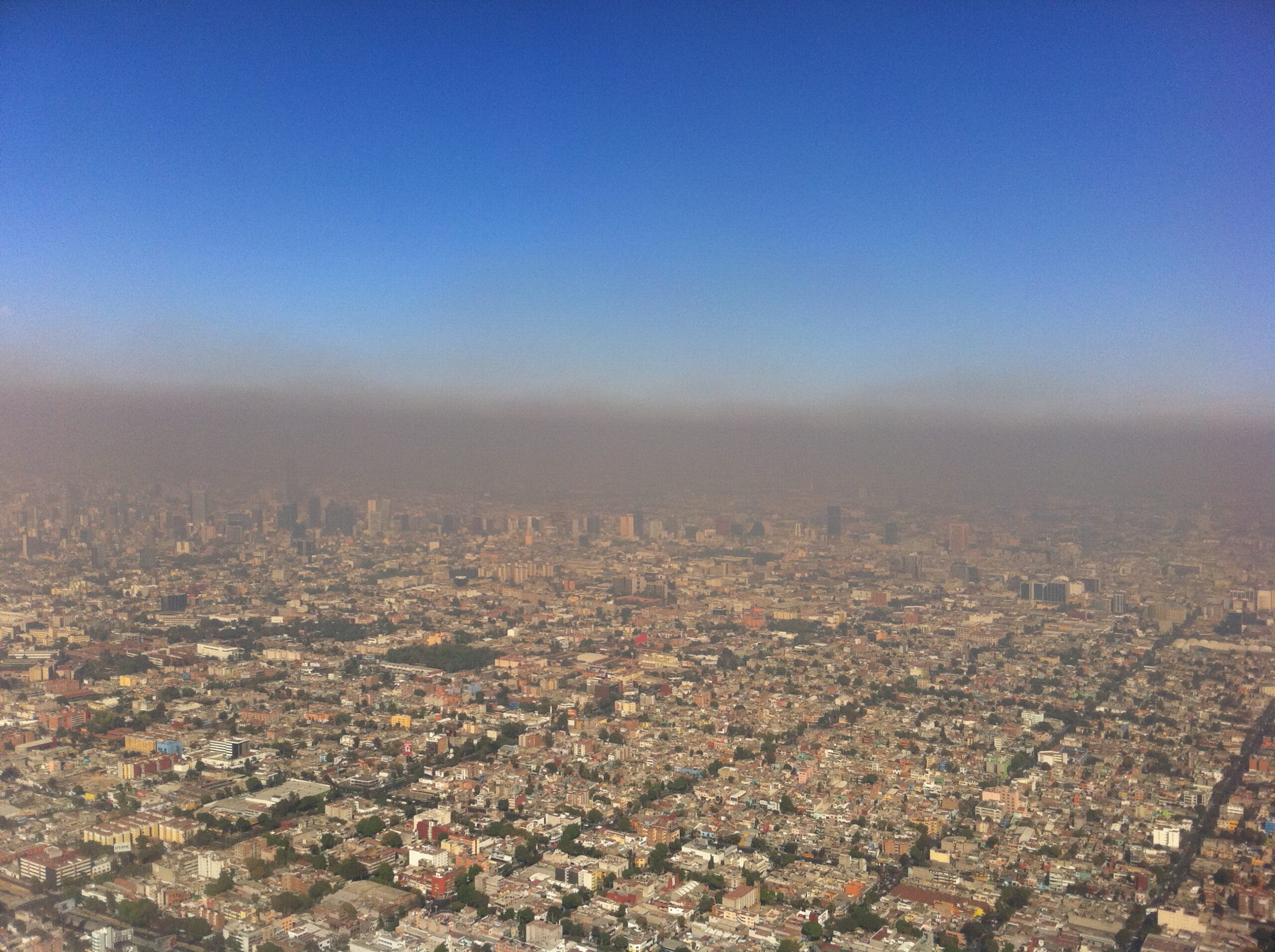
It also helps to know that ozone and particle pollution are different. Wildfire smoke alerts often focus on fine particles, while hot sunny urban air may bring ozone concerns. Sometimes both can matter on the same day. The AQI is useful because it identifies the pollutant driving the risk, not just whether the air feels unpleasant.
Cleaner Air Depends on Chemistry and Choices
Because ground-level ozone forms from other pollutants, reducing it usually means reducing the ingredients that make it. Cleaner vehicles, better industrial controls, lower-emission power generation, leak prevention at fuel and chemical facilities, and careful regulation of solvents and coatings can all reduce ozone-forming emissions. These are not quick fixes for a single afternoon, but they shape the air people breathe over many summers.
Individual choices can also help on high-ozone days, especially when many people make them at once. Driving less, avoiding unnecessary idling, refueling vehicles in the evening when local guidance recommends it, postponing gasoline-powered yard work, and using paints or solvents carefully can reduce the pollutants that feed ozone formation. The effect of one person is small, but air pollution is built from many small sources added together.
The most important lesson is that summer air quality is not measured only by temperature, blue sky, or whether the air smells smoky. Ozone is a chemistry problem hidden inside weather. Sunlight, heat, emissions, wind, and time decide how much of it forms near the ground. Learning that pattern makes air-quality alerts easier to understand and turns a vague warning into a practical piece of daily science.




Add comment