
 Akshay Dinesh
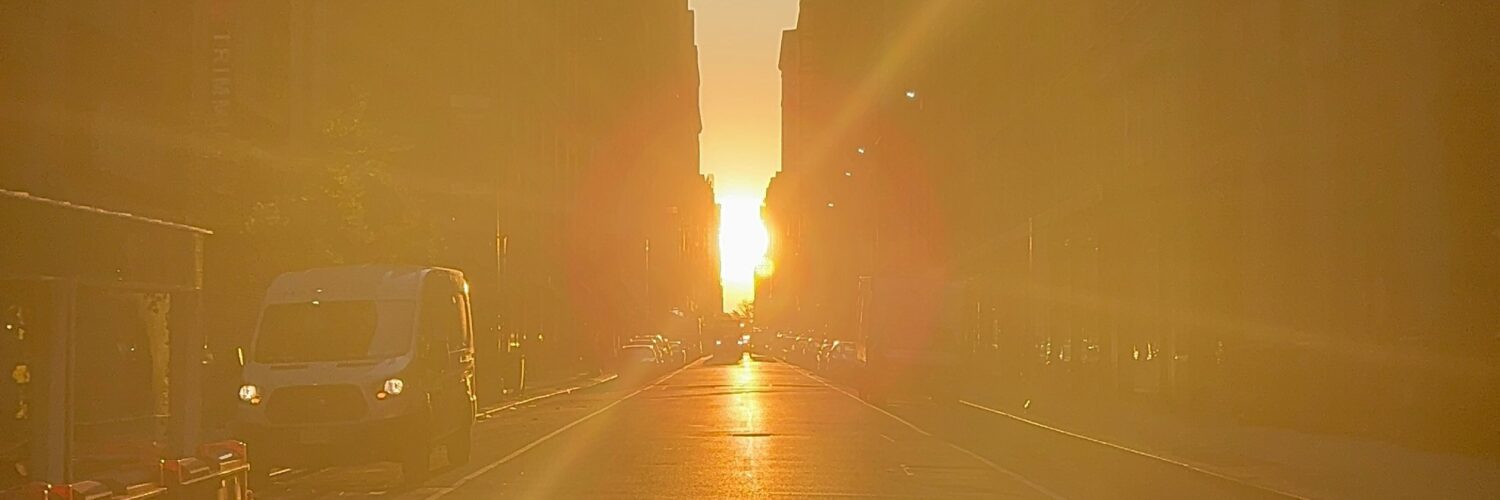
Walk through a city on a summer evening and the heat can seem to rise from every direction. The sun may be low, but the sidewalk is still warm, the road gives off a stored-up glare, and the air between buildings feels heavy. A park or tree-lined street a few blocks away can feel noticeably cooler, even when the official forecast gives one temperature for the whole city.
That difference is the urban heat island effect. It happens when built-up areas absorb, hold, and release more heat than nearby places with more soil, grass, trees, and open water. The idea is simple enough to notice on a walk, but it has serious consequences for comfort, health, energy use, and city planning. It also explains why the most uncomfortable part of a hot day is not always the afternoon peak. In many neighborhoods, the real problem is that the city does not cool down quickly at night.
What an urban heat island is
The U.S. Environmental Protection Agency describes heat islands as developed areas that are hotter than nearby rural areas, or hotter pockets within the same city. NASA explains the same pattern by comparing the surfaces found in cities with those found in less-developed landscapes. A field, a shaded yard, and a wooded streambank handle sunlight differently from a parking lot, a flat roof, and a wall of brick or concrete.
Sunlight brings energy to every surface it touches. Some surfaces reflect a large share of that energy. Others absorb it and warm up. Dark pavement, roofing material, masonry, and concrete are especially good at storing heat because they often have low reflectivity and a lot of thermal mass. Thermal mass means a material can take in heat during the day and release it slowly later.
That is why urban heat islands are not only about the air temperature on a weather app. A person standing near a sun-baked road feels heat from the air, from direct sunlight, and from the hot surface radiating energy back toward the body. Two neighborhoods can share the same official temperature but feel different because one has more shade, more moving air, lighter surfaces, and more plant life.
Why pavement and buildings hold heat
Natural landscapes usually mix several cooling processes at once. Plants shade the ground. Soil can hold moisture. Leaves release water vapor through evapotranspiration, a process that uses heat energy as water changes from liquid to vapor. In a city block dominated by asphalt, roofs, walls, and parking lots, much of that cooling machinery has been removed.
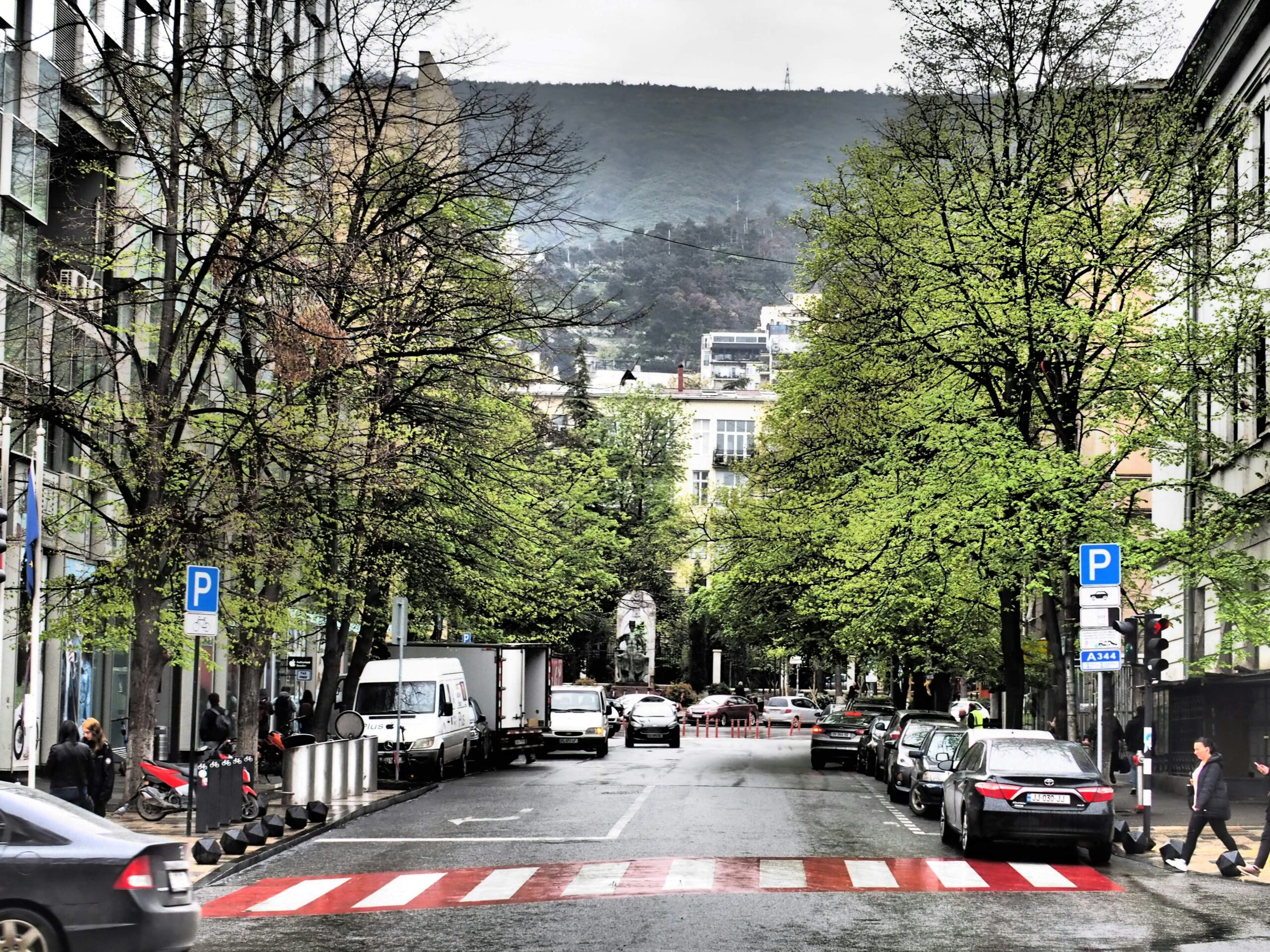
Asphalt is a useful example because it is so familiar. A road has to be tough enough for traffic, but its dark surface absorbs plenty of sunlight. After hours of summer sun, it can become much hotter than the air above it. Concrete, brick, and stone also store heat, especially when they are exposed for long periods and surrounded by other hard surfaces. Buildings can create deep shade in some places, but they can also trap warm air in street canyons where wind has a harder time mixing the air.
Cars, buses, air conditioners, factories, and other machines add another layer. They release waste heat while doing work. One vehicle does not change a city by itself, but millions of engines, compressors, and electrical systems create a steady background of human-made heat. During a heat wave, air conditioning can save lives indoors while also releasing heat outdoors, which adds stress to already hot streets.
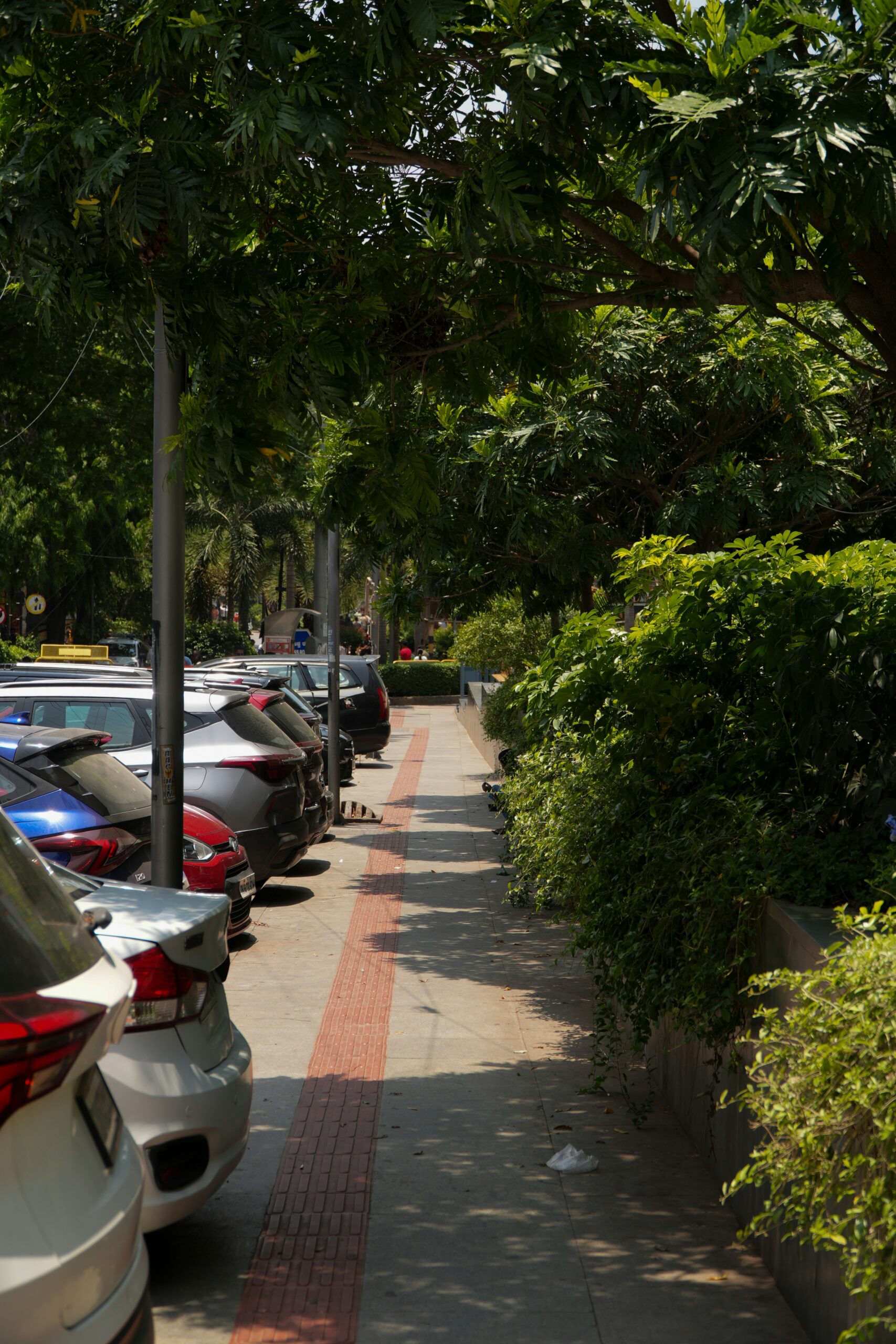
Urban form matters too. A wide road, a dark roof, and a treeless parking lot create one kind of heat environment. A narrow shaded street with mature trees, lighter pavement, and planted areas creates another. The difference can be local enough that a person feels it while crossing from one block to the next.
Why nights can stay so warm
The nighttime part of the urban heat island effect is especially important. In open rural areas, surfaces often lose heat more quickly after sunset. Soil, vegetation, and open space cool as the ground radiates heat away and cooler air settles. In a dense city, heat stored in roads, walls, and roofs keeps leaking back into the air. The day has ended, but the materials are still giving back what they absorbed.
This is one reason overnight lows matter during heat waves. A hot afternoon is stressful, but the body also needs chances to recover. When nights stay warm, apartments without good cooling remain uncomfortable, sleep becomes harder, and people who work outdoors or move through the city the next day may begin with less relief. NOAA’s urban heat mapping work has focused on these neighborhood differences because heat risk is not evenly spread across a city.
The pattern can also affect schools. Climate Central’s 2025 analysis of public schools in large U.S. cities found that many students attend schools in areas exposed to strong urban heat island effects. That does not mean every school has the same risk or the same building conditions, but it shows why city heat is an education issue as well as an environmental one. A playground, bus stop, athletic field, or classroom without reliable cooling can become part of a student’s daily experience of summer heat.
How trees, roofs, and pavement can cool a block
Urban heat islands are not mysterious once the causes are visible, and that is what makes them teachable. A city cannot remove every road or building, but it can change how much heat those surfaces absorb and how quickly people can find shade, water, and cooler spaces. Good heat planning usually combines several smaller fixes rather than relying on one dramatic solution.
Trees are one of the clearest examples. They shade pavement and walls before those surfaces can heat up as much. They also cool the air through evapotranspiration. The effect is not magic; it depends on tree health, canopy size, soil space, water, and where the trees are planted. A row of young trees in tiny pits will not cool a block the same way a mature canopy can. Still, well-placed urban trees can change both surface temperature and the way a street feels to pedestrians.
Roofs are another target because they cover so much city surface. A dark roof can absorb a great deal of heat. A cool roof uses lighter-colored or reflective materials to send more sunlight back instead of storing it. Green roofs add vegetation, which can help manage heat and stormwater when the building can support them. These choices are not only about the building owner. Across many roofs, they can influence neighborhood heat and energy demand.
Pavement can be changed too. Some cities test lighter or more reflective pavement, shaded parking lots, permeable surfaces, and designs that reduce large unbroken stretches of heat-absorbing material. Each choice has tradeoffs involving cost, durability, glare, maintenance, drainage, and local climate. That is why the best answer for one neighborhood may not be the best answer for another.
Reading heat in your own neighborhood
Urban heat islands become easier to understand when the city is treated like a map of surfaces. Look for dark pavement, wide roads, large roofs, few trees, little grass, and places where air seems trapped between buildings. Then compare those places with shaded streets, parks, schoolyards with tree cover, or blocks near water. The difference is not just scenery. It is physics, biology, and design meeting in the same place.
This also helps explain why heat solutions should be local. A citywide forecast is useful, but it cannot show every hot bus stop, every shaded route, or every apartment building that holds heat overnight. NOAA’s heat mapping campaigns use community measurements to reveal those differences, helping cities see where heat is concentrated. The most useful maps often show that heat follows patterns of pavement, vegetation, building density, and past planning decisions.
For learners, the urban heat island effect is a strong example of environmental science at street level. It connects sunlight, materials, water, plants, human activity, public health, and city design. It also shows that small observations can lead to bigger questions. Why does one side of the street feel cooler? Why does a parking lot stay warm after sunset? Why does a park change the feeling of a block?
The answers point to a practical idea: cities are not fixed heat machines. They are built environments, and built environments can be redesigned. More shade, smarter surfaces, thoughtful schoolyards, cooler roofs, and better heat maps cannot make summer disappear, but they can change how much heat people have to carry through an ordinary day and a long, hot night.




Add comment