 Akshay Dinesh
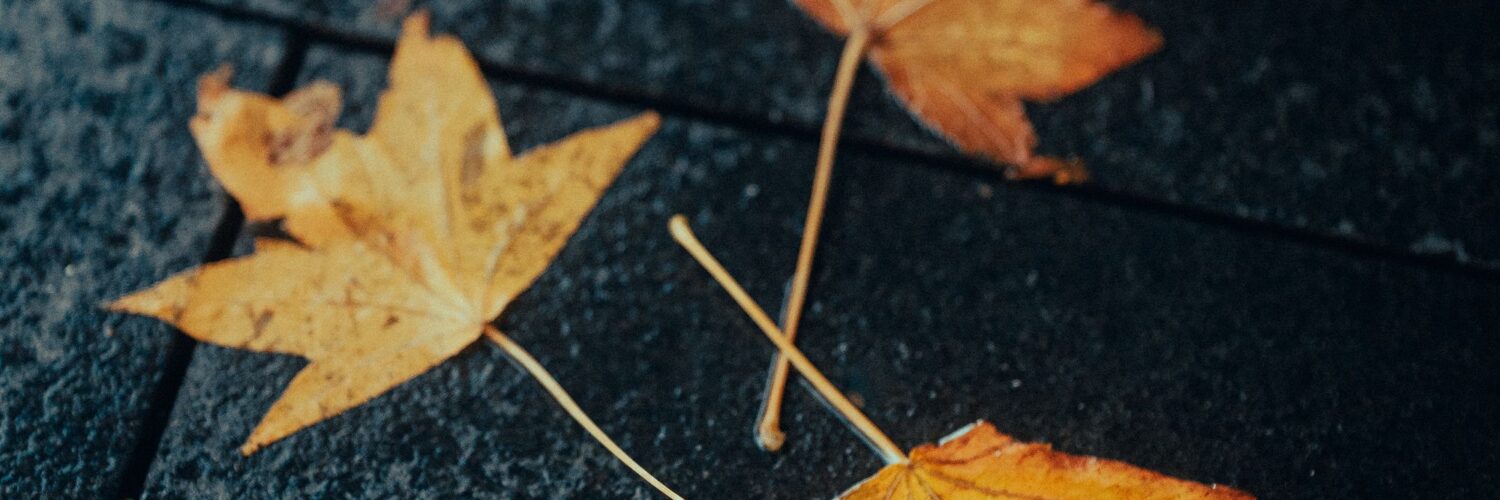
A layer of wet leaves can turn an ordinary sidewalk, bike lane, or road into a surprisingly slick surface. The danger is not simply that rain makes everything slippery. A fallen leaf can cover the rough texture that normally gives shoes and tires grip, while several leaves can slide across one another like a shifting deck of cards. Once traffic crushes them and decay begins, the mixture can become a smooth film of water and plant material. That combination explains why a patch of leaves may feel secure under one step or wheel and then suddenly let go under the next.
Grip depends on contact with a rough surface
Friction is the force that resists sliding between two surfaces. On pavement, a shoe sole or rubber tire bends around tiny bumps and presses into larger pieces of stone. Those points of contact help the rubber resist motion, which is what allows a person to push backward and walk forward, a bicycle to lean through a turn, or a car to slow under braking. Engineers often call this useful grip traction.
Traction has a limited budget. A tire uses some of its available grip to accelerate or brake and some to turn. If the tire is already close to its limit while cornering, a sudden brake input can ask for more grip than the surface can provide. The tire then slides instead of following the intended path. This is why a contaminated curve can be more troublesome than the same patch on a straight, level road.
Dry pavement has visible and microscopic texture. Rain can reduce grip by filling small spaces and interfering with close contact between rubber and stone, but a tire can still press against much of the pavement. Leaves add a separate material between the two. The shoe or tire is no longer gripping the road directly; it is gripping a leaf that may itself be resting on water, another leaf, or a hard surface.
Wet leaves create more than one sliding surface
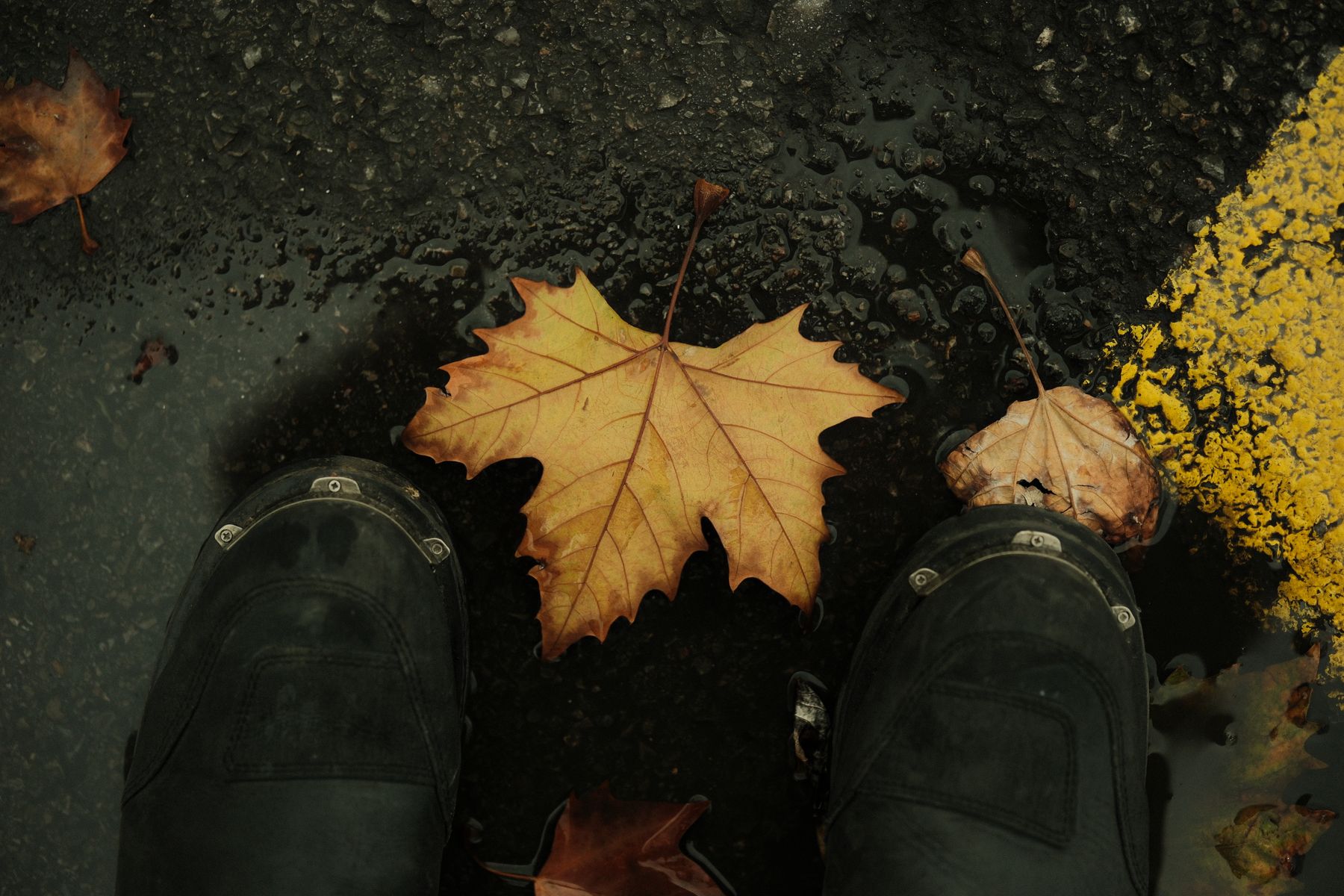
A single dry leaf can be loose enough to move underfoot, but a damp layer creates several ways to lose traction at once. Water makes leaves adhere to pavement, so they stay in traffic paths rather than blowing away. At the same time, water can act as a thin lubricant between the leaf and the road or between neighboring leaves. The leaf’s broad, relatively smooth surface also hides the pavement texture beneath it.
Fresh leaves contain flexible tissues, veins, waxes, and water. As vehicles, bicycles, and feet repeatedly press them against a hard surface, the leaves flatten and tear. Cell contents mix with rainwater, dirt, and fragments of plant tissue. Older leaves begin to decompose, producing a soft paste that can spread into low spots and grooves. A patch that looks like colorful litter may therefore contain loose pieces on top, a compressed layer below, and a wet organic film at the bottom.
That layered structure matters because sliding can occur at different boundaries. A shoe may slide across the top leaf. Two leaves may shear past each other. The bottom layer may move across asphalt or concrete. Deep tread cannot guarantee grip when the entire layer beneath it shifts, just as a boot with a rugged sole can still slip on loose gravel.
Not every leaf patch is equally slick. Species, moisture, freshness, pavement texture, temperature, and the amount of crushing all change the result. A few crisp leaves on rough, dry concrete behave differently from a dark mat that has been pressed into a shaded bike lane after several days of drizzle. The uncertain, patchy nature of the surface is part of the hazard: grip can change within a single stride or wheel rotation.
Railways reveal how extreme leaf films can become
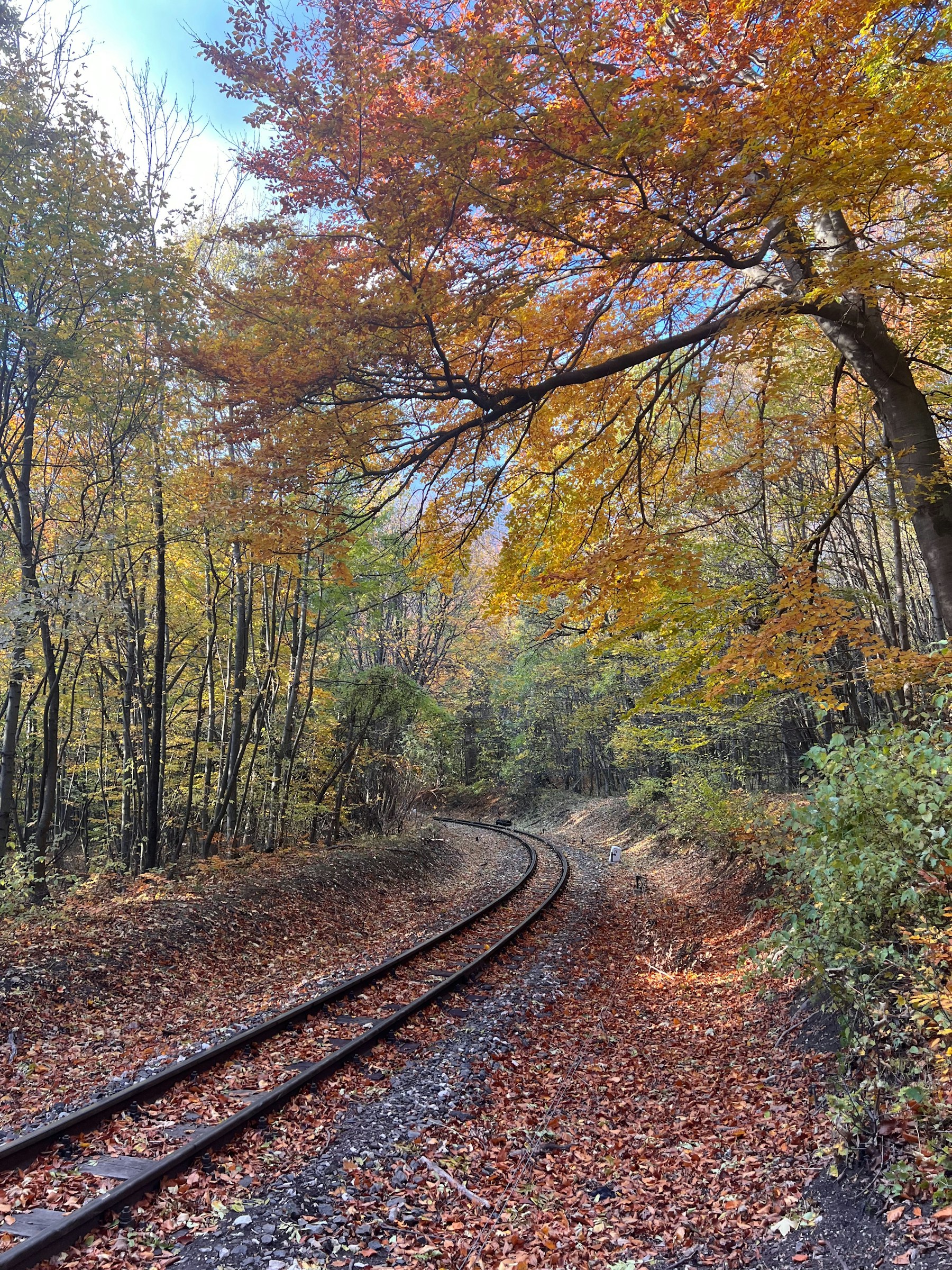
The most carefully studied version of the problem occurs on railways. Steel train wheels and steel rails already have a much smaller contact area than rubber tires on pavement. In autumn, passing trains compress leaves onto the railhead under enormous pressure. The resulting dark layer is not just recognizable leaf pulp. Tannins and other plant compounds can react with iron, helping form a hard, polished contamination film.
A 2020 study in Royal Society Open Science, titled The Composition and Friction-Reducing Properties of Leaf Layers, examined the chemistry and tribology of these deposits. The researchers reported that wet leaf layers on rail steel can reduce the maximum friction coefficient to about 0.01 under some test conditions. That figure belongs to the specific steel wheel-and-rail problem and should not be treated as a measurement for sidewalks or car tires, but it shows how powerful a thin organic film can be.
Low rail adhesion makes acceleration and braking harder and can prevent train wheels from making reliable electrical contact with track circuits. Network Rail responds with high-pressure water jets, adhesion modifiers, sand, vegetation management, and adjusted driving practices. Its Water-Trak trials found another useful complication: under certain low-adhesion rail conditions, applying a controlled amount of water helped disrupt contamination and shortened stopping distances. That does not mean rain makes leafy roads safer. Rail films, steel contacts, and treatment systems are specialized, and light moisture can help leaves stick and compact before heavier water has any cleaning effect.
Why the risk changes for walkers, bikes, and cars
For a person walking, the critical moment often comes when body weight lands on one foot at an angle. A long stride places the leading foot farther ahead, creating a larger horizontal force that can start a slide. Stairs, slopes, painted markings, smooth stone, and metal covers can be especially unforgiving when leaves hide their edges or hold water against them. The safest-looking route may also conceal a curb, hole, root, or patch of ice.
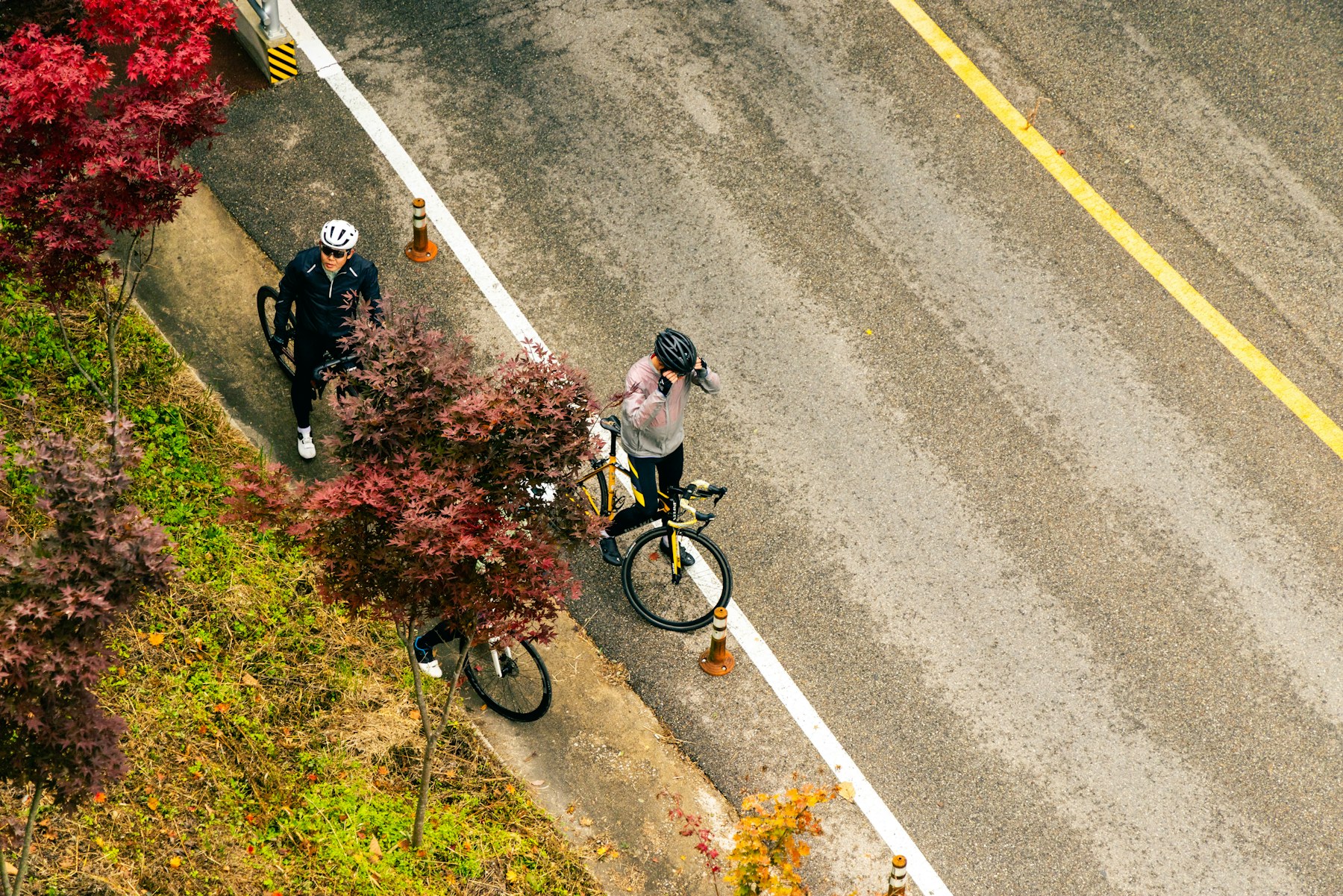
Bicycles and motorcycles are more sensitive because balance depends on small contact patches. When a rider turns, the tire must supply the sideways force that bends the path. Braking at the same time demands still more traction. If the front tire slides, the rider may have little time to recover. Cycling UK advises riders to watch for wet leaf litter, reduce speed, and choose cleaner, well-maintained routes when conditions are poor. The broader physics is simple: make major speed changes before the contaminated patch, then cross it as smoothly and upright as conditions allow.
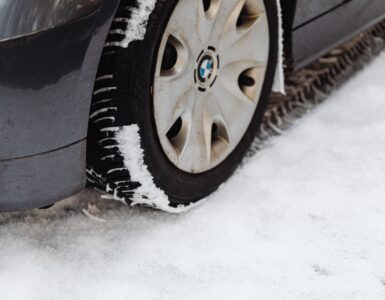
Cars have four contact patches and stability systems, but they cannot create friction that is not available. Anti-lock brakes can prevent a wheel from remaining locked, and electronic stability control can reduce skids by braking individual wheels, yet both systems still depend on tire-road grip. A layer of leaves can also hide standing water, road markings, potholes, or ice. Michelin’s September 2026 autumn guidance for motorcyclists emphasizes earlier braking, longer stopping space, smooth control inputs, and choosing the cleanest line through contaminated pavement.
Leaves on rails behave differently again. A train cannot steer around a small patch, its steel wheels offer less adhesion than rubber, and its mass gives it a long stopping distance. This is why railway operators monitor leaf-fall conditions and treat track on a scale that may seem surprising for such a lightweight material. The issue is not the weight of one leaf but what thousands of leaves become after water, pressure, and repeated wheel passes transform them.
How to move across leaf-covered ground more safely
The practical response begins before contact. Look farther ahead for dark, flattened patches, especially in shaded bends, at the bottoms of slopes, beside curbs, and under dense trees. Slow down while still on clean pavement. Sudden braking, acceleration, or sharp steering after entering the leaves asks the surface for the most grip at the moment when it has the least to give.
- On foot: shorten your stride, keep your center of mass over your feet, use a handrail when one is available, and avoid stepping on leaf-covered edges you cannot see.
- On a bicycle or motorcycle: approach at a manageable speed, keep the machine as upright as possible, and avoid abrupt braking or turning on the patch. Give painted lines and metal covers extra space.
- In a car: increase following distance, brake earlier, and make smooth steering inputs. Do not assume driver-assistance systems can restore missing traction.
- Around railways: expect autumn delays to reflect a real adhesion problem, and never enter tracks or treatment areas to inspect leaves.
Tires and shoes still matter. Sound tread can channel some water and conform to surface texture, while worn or hardened rubber generally offers less help. Yet equipment cannot turn a moving mat of leaves into solid pavement. Clearing leaves from steps, ramps, school approaches, driveways, and cycle routes is often more effective than trying to overcome the layer with deeper tread alone. Drainage matters too, because a damp pile left in shade can remain slippery long after open pavement has dried.
Wet leaves are hazardous because they replace one dependable contact with several uncertain ones. Water interferes with grip, the leaves conceal pavement texture, stacked layers shift, and crushed plant material can form a low-friction film. The colors may signal autumn, but the sheen and flattened shape signal something more practical: slow down before the patch, stay smooth while crossing it, and let clear pavement do the hard work of braking and turning.