
 Akshay Dinesh
An insulation label can look reassuringly simple: R-13, R-30, R-60. The larger number promises more protection from heat moving through a ceiling, wall, or floor. That basic comparison is useful, but it leaves out the difference between a laboratory rating and the way an entire building actually behaves. R-value measures resistance to heat flow through a material or assembly; it does not automatically account for gaps, air leaks, dampness, framing, or poor installation. Reading the number well means knowing both what it says and what it cannot say.
R-value is resistance to heat flow
Heat naturally moves from a warmer place toward a cooler one. In winter, that usually means heat moving from a heated room toward the outdoors. In summer, outdoor heat may move inward toward an air-conditioned room. Insulation slows that movement by trapping pockets of air and interrupting the paths through which thermal energy can travel.
R-value describes thermal resistance: how strongly a layer resists heat flowing through it. In U.S. building measurements, the number combines area, temperature difference, and time. The exact units matter to engineers, but the practical relationship is easier to remember: when two products are tested under comparable conditions, the one with the higher R-value allows less conductive heat flow. Doubling R-value roughly halves that part of the heat transfer when the temperature difference and area stay the same.
The related term U-factor approaches the same question from the opposite direction. U-factor measures how readily heat passes through an assembly, so lower is better. For a simple assembly, U is approximately the reciprocal of R: an R-20 assembly has a U-factor near 0.05. Window labels commonly use U-factor because windows are complete products made of glass, frames, spacers, and seals rather than a single layer of insulation.
Why thickness and material both matter
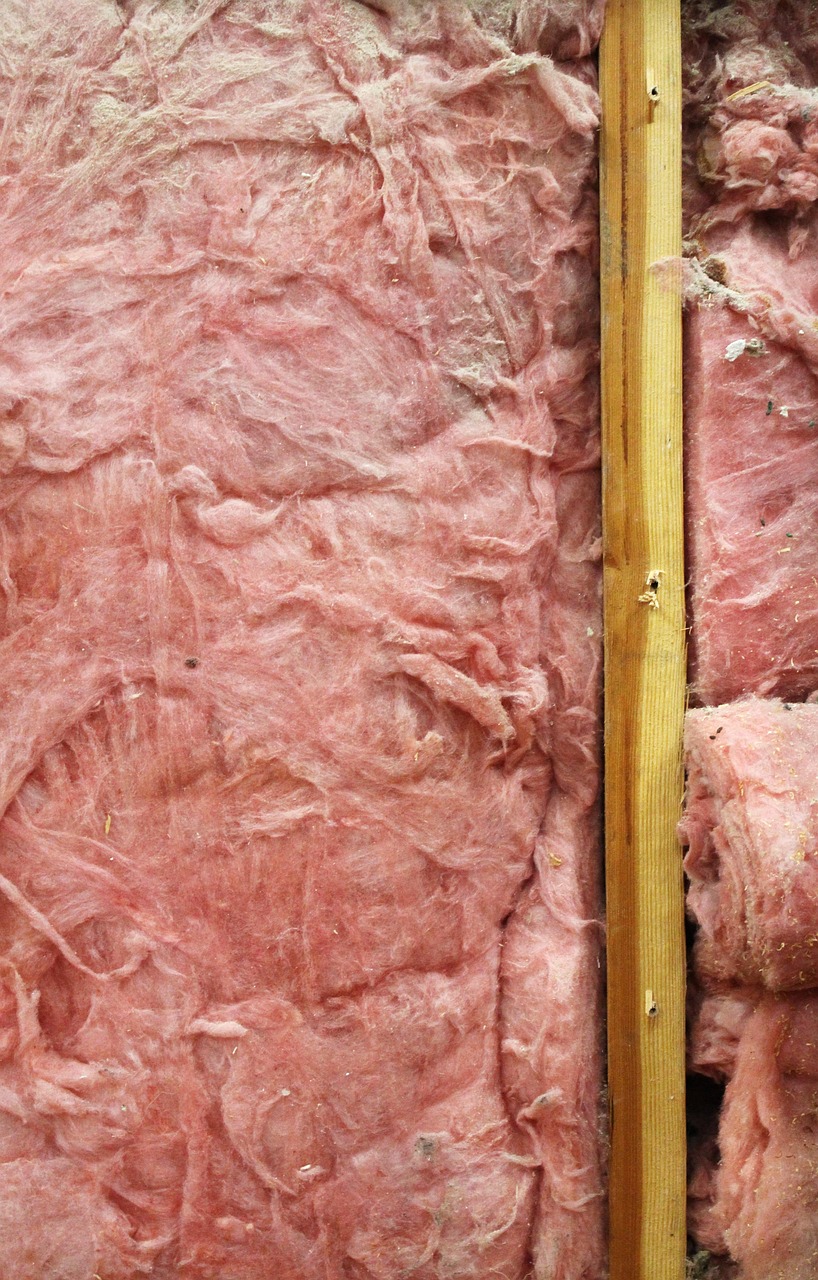
An R-value belongs to a particular thickness of a particular material. A thicker layer usually has a higher R-value because heat must cross more resistant material. Six inches of one product, however, may not match six inches of another. Fiberglass, cellulose, mineral wool, and rigid foam have different structures, densities, and amounts of trapped gas, so their resistance per inch differs.
That is why “Which insulation is best?” cannot be answered by material name alone. A builder working inside a shallow wall cavity may care about resistance per inch. An attic with generous space may make a lower-cost, deeper layer more practical. Fire behavior, moisture exposure, pest resistance, embodied environmental impact, installation method, and local code requirements also belong in the decision. R-value is a comparison tool, not a complete product score.
For layers placed one after another across the direction of heat flow, R-values can usually be added. An R-13 cavity layer plus R-5 continuous insulation gives a nominal R-18 path through those layers. Real assemblies also contain drywall, sheathing, siding, air films, and connections, each with its own effect. The arithmetic is useful, but only if the layers cover the area as assumed and the calculation describes the same heat path all the way through.
A wall can perform below the number on the bag
A package rating is determined under controlled test conditions. A finished wall is less tidy. Batts may be compressed behind wiring, cut too loosely around outlets, or leave narrow gaps at corners. Blown insulation may settle or be installed at an uneven depth. Some foam products can pull away from framing if mixing or application conditions are wrong. These defects create easier routes for heat, so the installed result can fall short of the labeled value.
Framing creates another route called a thermal bridge. Wooden studs conduct heat more readily than the insulation placed between them, while metal framing can be an even stronger bridge. A wall advertised by its cavity insulation might therefore have a lower whole-wall R-value once studs, headers, plates, fasteners, and window edges are included. Continuous insulation placed across the exterior or interior face of framing helps interrupt those repeating bridges.
Moisture can also change performance. Many fibrous insulations depend on still air trapped between fibers; when water occupies that space or changes the material’s shape, heat can move differently. Persistent dampness brings a larger building problem as well, including possible decay or mold. The solution is not simply to chase a higher R-number. Roof leaks, bulk water, drainage, indoor humidity, and vapor control have to be handled as parts of the same enclosure.
R-value does not measure air leakage
Conduction through a solid assembly is only one way a building gains or loses heat. Moving air can carry heat through cracks around pipes, attic hatches, recessed lights, wiring penetrations, and wall-to-floor joints. A thick blanket of insulation may slow conduction while air slips around or through it. That is why the U.S. Department of Energy regularly pairs air sealing with insulation in home-efficiency guidance.
The distinction is easy to picture with clothing. A thick sweater slows heat moving through its fibers, but a cold wind can push air through openings and strip warmth away. A wind-resistant outer layer changes the result without necessarily adding much thickness. Buildings likewise need a continuous air barrier, carefully sealed penetrations, and insulation that stays in contact with the intended surface. Some insulation products can contribute to air control when installed correctly, but an R-value by itself does not certify airtightness.
R-value also does not directly rate sound control, structural strength, fire resistance, or vapor permeability. A product may help with one or more of those jobs, yet each property has its own test methods and tradeoffs. Treating one number as proof of total performance invites expensive mistakes. Good enclosure design assigns each layer a job and checks how the layers work together.
How to read an insulation plan intelligently
The Federal Trade Commission’s R-value Rule requires manufacturers and sellers covered by the rule to support home-insulation claims with standard tests and disclose R-value information. That common yardstick makes products easier to compare. The FTC also recognizes the rating’s boundary: standard tests do not capture every effect of building design, location, air and moisture movement, or installation quality.
Climate and location within the building determine how much resistance is appropriate. Department of Energy guidance based on the 2021 International Energy Conservation Code, for example, shows different minimum ceiling and wall values across U.S. climate zones. Attics often call for higher nominal R-values than wall cavities because their construction and heat exposure differ. Those tables are useful starting points, but local codes, an existing building’s construction, and moisture conditions still matter.
When comparing a proposal, ask what the quoted number describes. Is it the insulation material, the cavity, or the entire wall or roof? Is the R-value for the installed thickness rather than the product’s maximum possible thickness? How will gaps, compression, attic access, framing, and penetrations be handled? Does the plan include air sealing, and how will the installer verify depth or coverage? These questions turn a label into a building strategy.
R-value remains valuable precisely because it measures one important thing consistently. Higher resistance can reduce conductive heat flow, improve surface temperatures, and help heating and cooling equipment maintain comfort. The number becomes misleading only when it is asked to stand in for craftsmanship and whole-building design. Read it as the beginning of the conversation: resistance on paper, then continuity, air control, moisture management, and careful installation in the real structure.