
 Akshay Dinesh
A single chirp from the ceiling at 3 a.m. can feel almost calculated. In many homes, though, the timing has a physical explanation: the house is coolest before dawn, and a nearly depleted battery may cross the alarm’s low-power threshold only when its temperature falls. The sound can disappear after the room warms, but the underlying battery problem has not repaired itself.
That explanation applies to one common pattern, not every sound an alarm can make. A brief chirp spaced many seconds apart may signal a low battery, an aging unit, or a fault. A loud repeating alarm may mean smoke or carbon monoxide is being detected. Because manufacturers use different patterns, the label and manual for the exact device are more trustworthy than any universal “number of beeps” rule.
A Cool Room Can Expose a Weak Battery
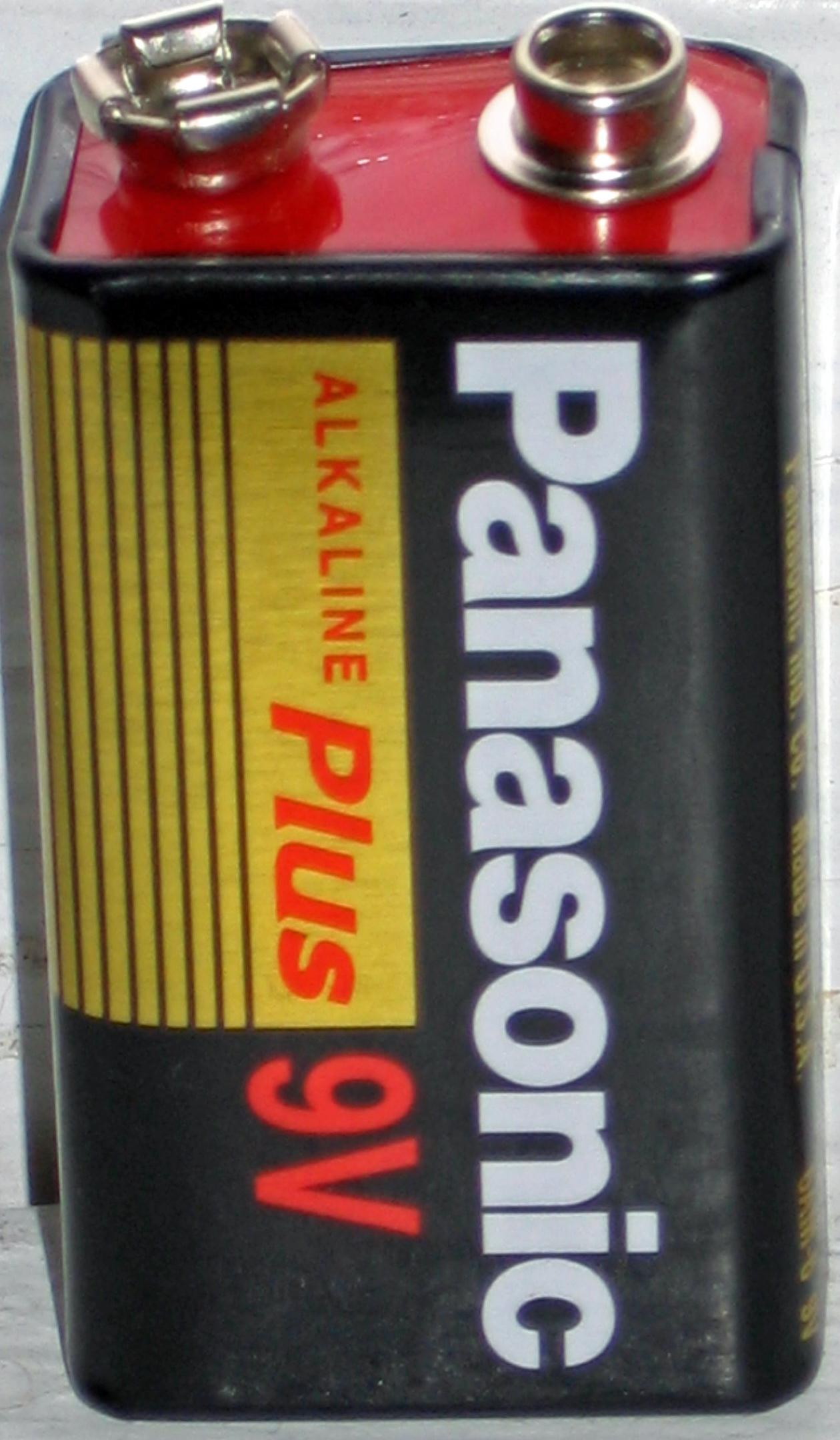
A battery turns stored chemical energy into electric current. As a battery ages, its useful chemicals are consumed and its internal resistance rises. Cooler temperatures can slow the chemical reactions and increase that resistance further. The battery may still show some voltage when little current is being drawn, yet its voltage can dip when the alarm’s electronics briefly place it under load.
Smoke alarms monitor their power supply because they must remain capable of producing a loud warning. When the measured power falls below a programmed threshold, the alarm begins a periodic chirp. Kidde, a major alarm manufacturer, explains that a battery near the end of its life can enter low-battery mode as indoor temperature drops. Since many homes reach their lowest temperature between roughly 2 a.m. and 6 a.m., the warning often starts while everyone is trying to sleep.
The change does not need to be dramatic. A ceiling near an attic, an exterior wall, an open window, or an air-conditioning register can be cooler than the thermostat reading in the center of the house. During fall, a warm afternoon followed by a chilly night can reveal a marginal battery that seemed fine hours earlier. The chirp may then stop in daylight when the room and battery warm enough to rise above the threshold again.
That silence is misleading. Temperature did not recharge the battery; it only changed how well the weakened battery could deliver power at that moment. Replacing the correct battery, or replacing the entire alarm if it has a sealed power source, addresses the warning. Waiting for another cold night leaves the device closer to failure.
A Chirp Is Not the Same as an Emergency Alarm
People often use beep, chirp, and alarm for any noise from the ceiling, but the distinction can guide the response. A maintenance chirp is commonly a short sound repeated at a regular interval, often every 30 to 60 seconds. A fire alarm is usually much louder and follows a repeating temporal pattern. A combination smoke and carbon monoxide unit may use another pattern, a spoken message, colored lights, or a display to identify the hazard.
Do not assume a sound is “only the battery” when its source or pattern is uncertain. If there is smoke, a burning odor, visible fire, a carbon monoxide warning, or symptoms such as headache, dizziness, nausea, or confusion, leave the building and contact emergency services from outside. Finding the instruction label can wait until everyone is safe.
When there is no sign of an emergency and the sound is clearly an occasional chirp, identify which device is making it. Sound reflects from walls and hallways, so the alarm directly overhead may not be the source. Watch for a synchronized status light, listen through a full interval, and remember that carbon monoxide alarms, security panels, leak detectors, battery backups, and other household devices can make similar noises.
Once the device is located, check the pattern printed on its label or in its manual. One chirp may mean low battery on one model and end of service life on another. Some alarms deliberately use different sequences for sensor trouble, lost electrical power, or a failed self-test. The device’s own code is the safest translation.
Other Reasons an Alarm May Chirp
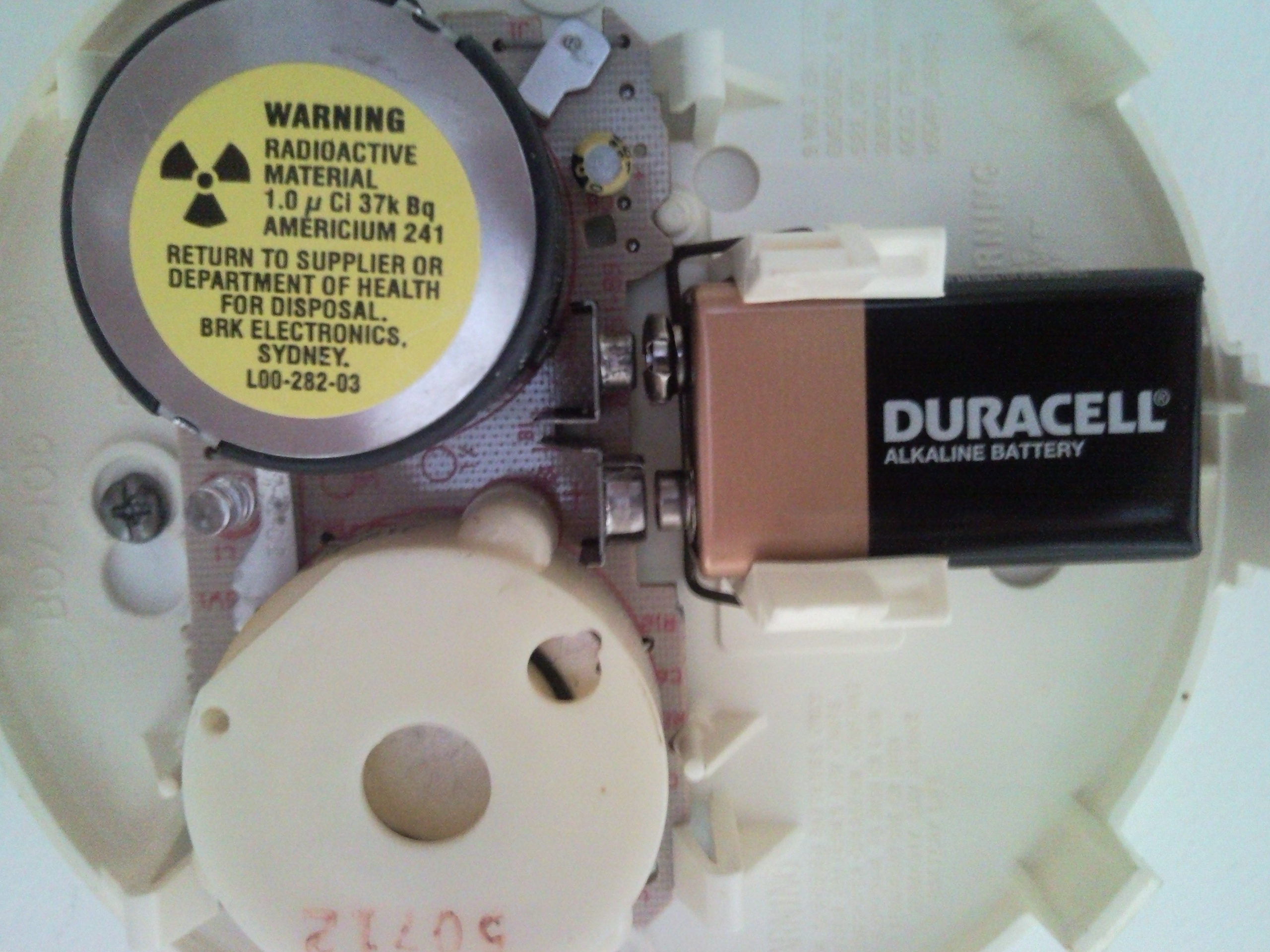
A fresh battery does not solve every intermittent warning. A replaceable battery may be loose, installed backward, the wrong type, or unable to make clean contact with the terminals. A battery drawer that is not fully closed can also keep some models in trouble mode. Hardwired alarms still commonly contain a backup battery, so connection to household electricity does not rule out a low-battery warning.
Age is another frequent cause. The U.S. Fire Administration advises replacing smoke alarms 10 years from the manufacture date. That date is usually printed on the back or side of the unit and is more useful than remembering when someone moved into the home. Sealed 10-year alarms are designed for replacement as a whole; their batteries are not meant to be opened or exchanged.
Dust, insects, moisture, and condensation can interfere with vents, sensors, or electronics. Extreme temperatures and strong airflow near heating or cooling registers may also cause trouble. Manufacturer operating ranges vary, and an alarm placed in an attic, garage, or other unusually hot or cold area may be outside the conditions for which it was designed. Relocation should follow the model’s placement instructions and local fire-code requirements.
Hardwired units add a few possibilities: a brief power interruption, a loose connection, or a residual fault stored by the electronics. Interconnected alarms can make the source difficult to locate because several devices may signal together. Electrical wiring is not a do-it-yourself troubleshooting step for an unqualified person; persistent hardwired faults call for the manufacturer’s support line, a qualified electrician, or the local fire department’s nonemergency guidance.
A Safe Order for Tracking Down the Sound
The goal is to restore dependable protection, not merely silence an irritating noise. Start by treating any uncertain alarm as real. After confirming that there is no immediate hazard and locating the chirping device, use a stable step stool only if it can be reached safely. Never stand on furniture or climb while groggy.
- Read the signal. Note the chirp interval, indicator light, spoken message, brand, and model. Compare them with the label or manual.
- Check the date. If the smoke alarm is about 10 years old, or the model reports end of life, replace the entire unit with an appropriate current alarm.
- Use the specified battery. For a model with a replaceable battery, install a fresh battery of the exact type recommended by the manufacturer and close the compartment completely. Do not try to open a sealed-battery alarm.
- Clean only as directed. Dust the outside or use a vacuum attachment if the manual permits it. Do not spray cleaners, paint the alarm, or push objects into its vents.
- Reset and test by the manual. Some models retain a low-power condition until a reset procedure is completed. Use the test button afterward; never test an alarm with a flame or by deliberately filling the room with smoke.
The U.S. Fire Administration recommends testing smoke alarms monthly. It also advises replacing the entire alarm every 10 years, while following the manufacturer’s directions for battery care. Homes should have alarms inside and outside sleeping areas and on every level; interconnected units provide broader warning because one sensing danger can alert the whole home.
If a new, correctly installed battery does not stop the chirp, do not remove it and leave the alarm disabled. Recheck the date and signal code, then replace the unit or seek model-specific help. A recurring chirp after troubleshooting may indicate a device fault rather than stubborn battery behavior.
The Return of Silence Should Mean the Alarm Is Ready
A nighttime chirp is annoying by design. It is meant to be difficult to ignore before the power source becomes too weak for reliable warning. Cooler air often determines when a marginal battery first crosses the alert threshold, which explains the hour without making the warning less urgent.
The useful response is simple: verify that the sound is not an emergency, identify the exact device and pattern, replace the battery or expired unit as directed, and test the result. Do not let morning warmth make the problem seem solved. An alarm that has stopped chirping but still has a weak battery is merely quiet, not restored.
Once the warning is resolved, check the other alarms too. Units installed together may carry batteries and manufacture dates of similar age. A few minutes of coordinated maintenance can prevent the next predawn chirp and, far more importantly, keep every alarm ready for the sound that truly matters.