Akshay Dinesh
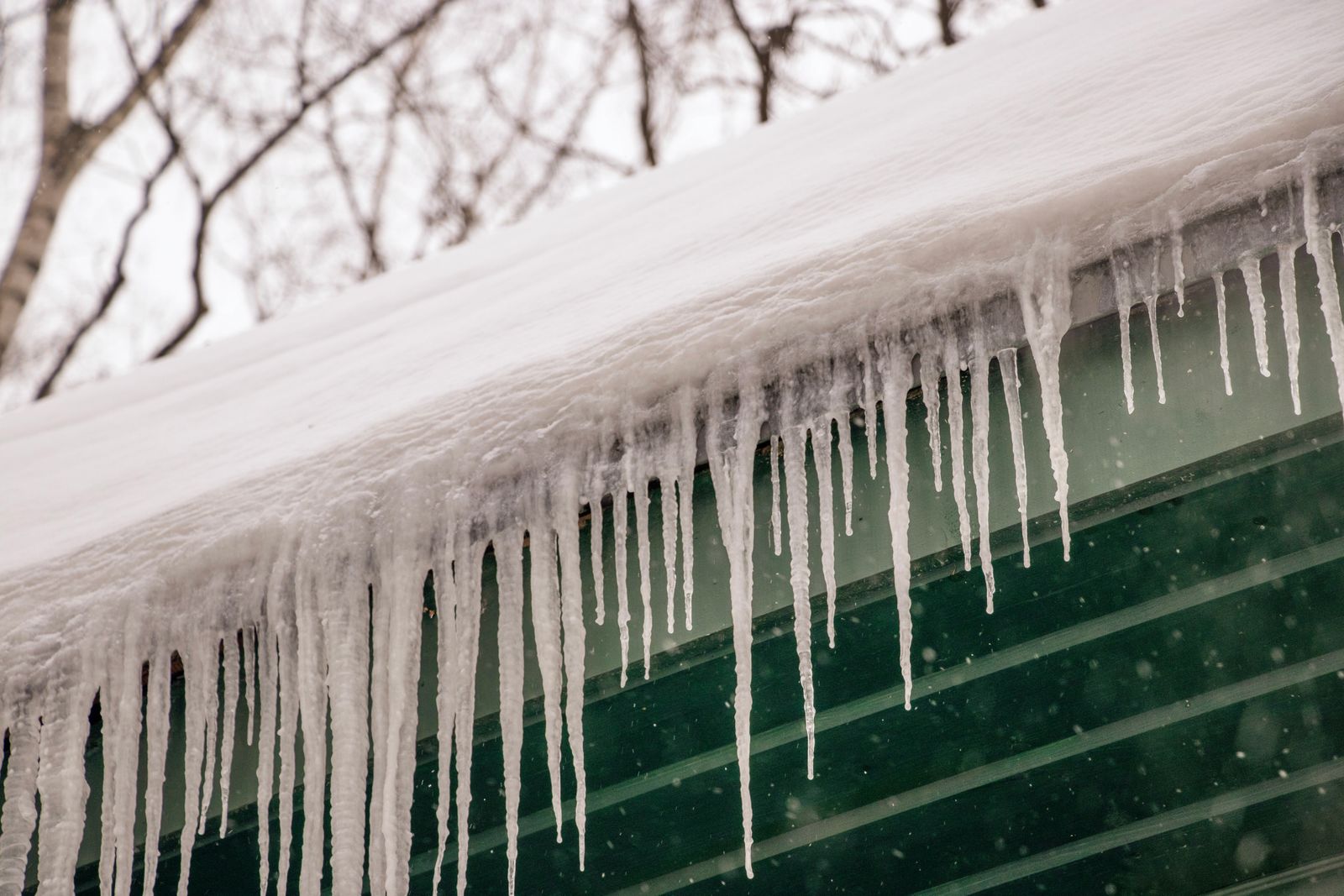
A row of icicles can make a snowy roof look picturesque, but a ridge of ice at the roof edge can hide a less welcome problem. An ice dam forms when snow melts on a warmer part of a roof and the water refreezes on a colder section below. As the ridge grows, it can hold back meltwater, allowing water to work beneath roofing and into the building.
The puzzle is that melting and freezing happen on the same roof at the same time. The explanation lies in uneven roof temperatures, the movement of heat from the house, and the insulating layer of snow overhead. Understanding that sequence also explains why cleaning gutters alone cannot reliably prevent an ice dam.
How an ice dam forms
Imagine a snow-covered roof after several days of freezing weather. The roof over a heated attic becomes warm enough to melt snow where it touches the roof. Water trickles downhill beneath the snow until it reaches a colder edge, often the overhang beyond the heated walls. There it freezes. More meltwater follows the same route, feeding a ridge that grows across the drainage path.
According to the University of Minnesota Extension, the process requires snow and a sustained temperature difference: an upper roof surface above 32°F (0°C) while a lower area remains below freezing. The air outdoors can be below freezing while part of the roof is warmer than that. A thermometer in the yard does not tell the whole story of the roof surface.
The ridge does not have to cover the entire eave. Roof valleys, dormers and other complicated intersections can create places where snow collects and meltwater meets a colder surface. Once water is trapped, it can remain liquid behind the ice as long as the adjacent roof area is warm enough.
Why one part of the roof is warmer
In many houses, heat escapes from the living space into the attic. Some passes through the ceiling and insulation; warm indoor air can also move through gaps around attic hatches, pipes, wiring and other openings. Once in the attic, that heat can reach the roof deck and warm the underside of the snow. The University of Minnesota identifies air leakage as a major route of heat transfer in many homes.
Snow itself helps sustain the temperature difference. Its trapped air slows heat loss from the roof to the cold outdoors, so the roof-snow boundary can warm even while the snow’s upper surface stays cold. The exposed eave, meanwhile, often lacks the same source of heat from the rooms below. Meltwater reaching that colder edge can freeze instead of draining away.
Household heat is not the only possible influence. Sunlight, roof shape and changing outdoor temperatures can also affect melting and freezing. An ice dam is therefore evidence worth investigating, not proof that one particular defect caused it. Different roof designs and local conditions call for different solutions.
How trapped water gets indoors
Roof shingles are arranged to shed water flowing downhill. They are not designed to hold back a pool indefinitely. When an ice ridge blocks drainage, water can rise behind it and find openings beneath the roofing. From there it may reach the roof deck, attic, insulation, wall cavities or ceiling below.
A stain near an outside wall, damp insulation or peeling paint can be a sign of a leak, though none identifies its cause on its own. Water can travel some distance before it becomes visible. Persistent moisture can damage materials and support mold growth, so a suspected leak deserves prompt attention and wet areas need to be dried.
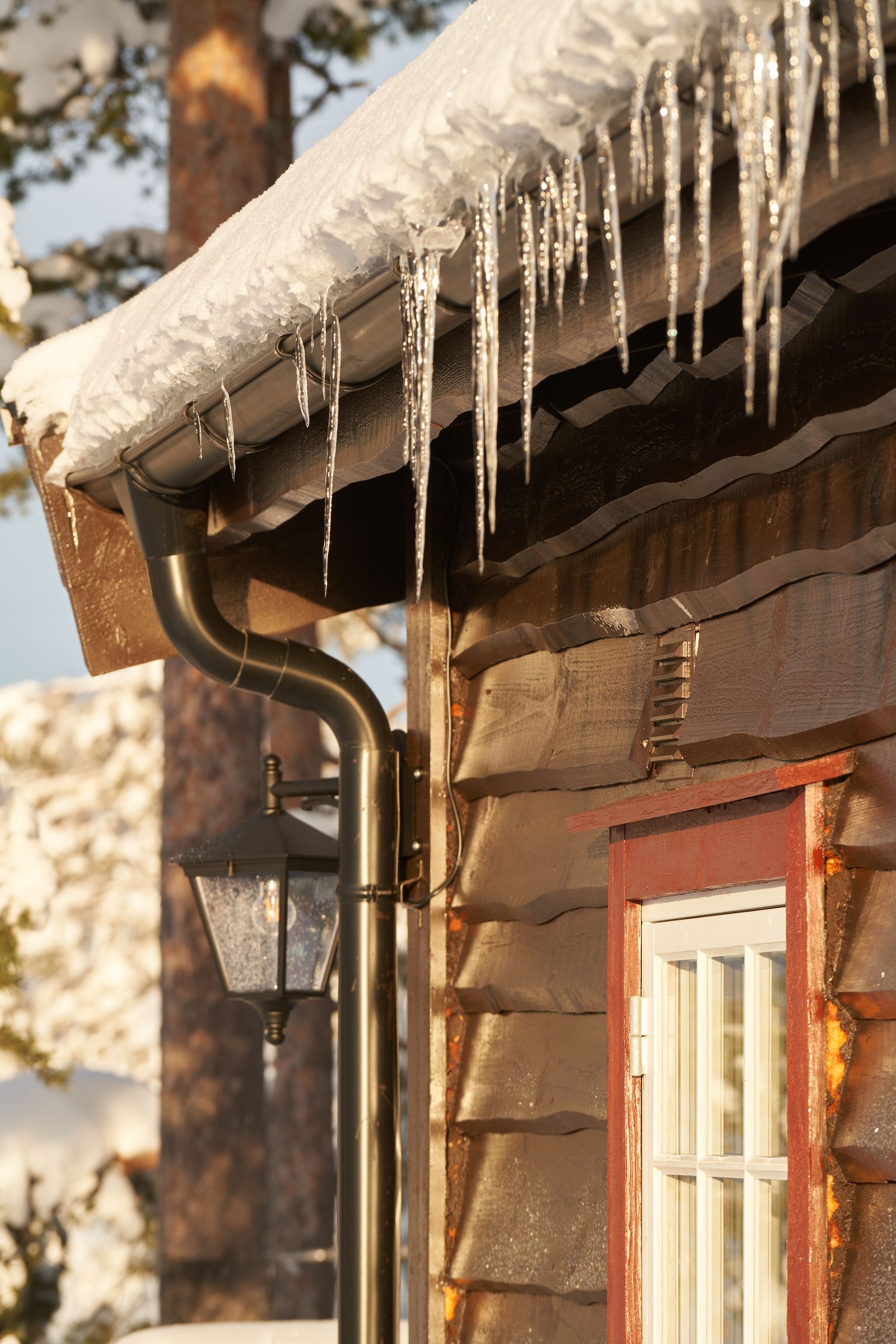
Icicles and ice dams are related but not interchangeable. An icicle can form when dripping water freezes at an edge without a pool forming behind it. Conversely, a ridge that blocks water may not be obvious from the ground. Treat long or heavy icicles as a falling hazard, and keep people away from the area underneath.
Why gutters are only part of the picture
Clear gutters and downspouts help water drain when conditions allow, and maintaining them is sensible. But removing a blockage from a gutter does not eliminate the warmer roof surface, the snow or the freezing edge. Ice dams can form without gutters at all. Likewise, removing an icicle may deal with a visible hazard without removing a ridge of ice or fixing the heat loss behind it.
Longer-term prevention focuses on limiting unwanted heat movement into the roof assembly. Depending on the building, that can mean sealing air leaks between the living space and attic and adding or improving insulation. Appropriate attic ventilation can help manage roof temperatures, but vents alone do not substitute for air sealing and insulation. A qualified building professional can assess the whole assembly, including safe clearances around heat-producing equipment and the home’s ventilation needs.
Roof design matters too. A low-slope intersection, a vaulted ceiling or a duct running through an attic may need a different approach from a simple attic floor. No single product guarantees an ice-dam-free roof in every storm. The goal is to reduce the conditions that repeatedly create uneven melting, while preserving safe moisture management.
What to do when a dam appears
If water is entering the house, protect people and belongings, collect water where practical, and arrange prompt help from a qualified roofing or ice-dam professional. Stay clear of falling ice and snow. Climbing onto a snowy roof, standing on a ladder beneath an icy eave, or chopping ice can cause injury and damage the roofing. Electrical hazards are another reason to avoid working near overhead lines.
Removing snow can reduce the supply of meltwater, but the University of Minnesota cautions that roof rakes can damage roofing. If removal is needed, professional help is the safer choice, especially on steep roofs or near power lines. Avoid treating salt, heat cables or a quick clearing of the eave as a complete cure; each has limitations, and some products or methods can damage building materials.
An ice dam is a small demonstration of a much larger principle: heat moves through a building even when the weather feels uniformly cold. Snow, a warm roof surface and a freezing edge can turn that invisible movement into a visible ridge. Following the path of both heat and water makes the problem easier to recognize and gives a repair professional a better starting point.
Sources: University of Minnesota Extension, “Dealing with and preventing ice dams”; National Weather Service, “Preventing Roof Ice Dams.” National Weather Service guidance.