
 Akshay Dinesh
A summer forecast can look confusing when the air temperature says one thing, the heat index says another, and a weather office starts talking about wet-bulb globe temperature. The numbers are not competing versions of the same fact. They are different ways of describing how heat reaches the body, how easily sweat can evaporate, and how much strain a person may face outdoors.
Wet-bulb temperature matters because the human body does not cool itself by reading a thermometer. It cools itself by moving heat away from the skin, especially through sweat evaporation. When the air is humid, evaporation slows down. When the sun is strong and the wind is weak, the body may gain heat faster than it can release it. That is why two days with the same air temperature can feel completely different.
Air temperature is only the starting point
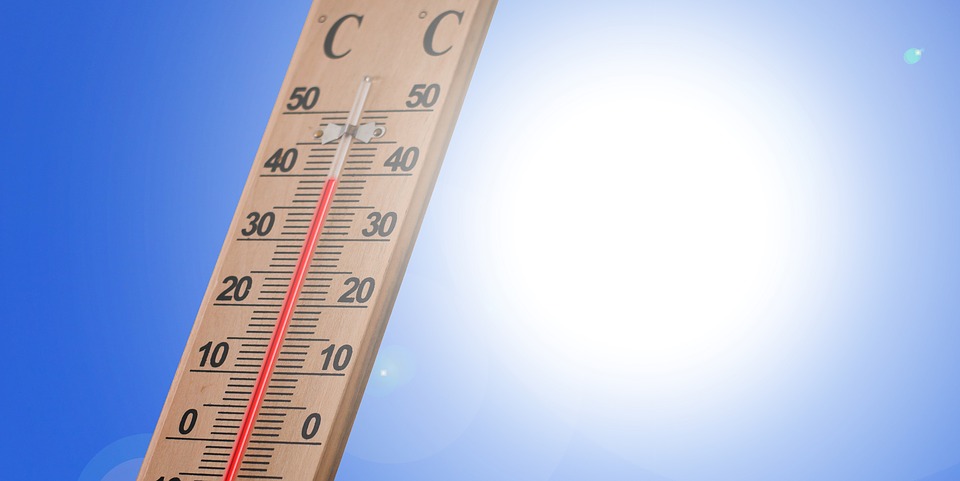
Air temperature, sometimes called dry-bulb temperature, is the number most people notice first. It is measured in shaded air and tells us how warm the surrounding air is. That is useful, but it leaves out several conditions that shape heat stress: humidity, sunlight, wind, clothing, activity level, and whether a person has had time to adjust to hot weather.
A 92-degree afternoon with low humidity and a breeze can feel uncomfortable but manageable for many people in shade. A 92-degree afternoon with heavy humidity, still air, and direct sun can feel far more stressful. The difference is not imagination. In dry air, sweat evaporates more readily, carrying heat away from the skin. In humid air, the air is already holding a lot of water vapor, so sweat lingers and cooling becomes less efficient.
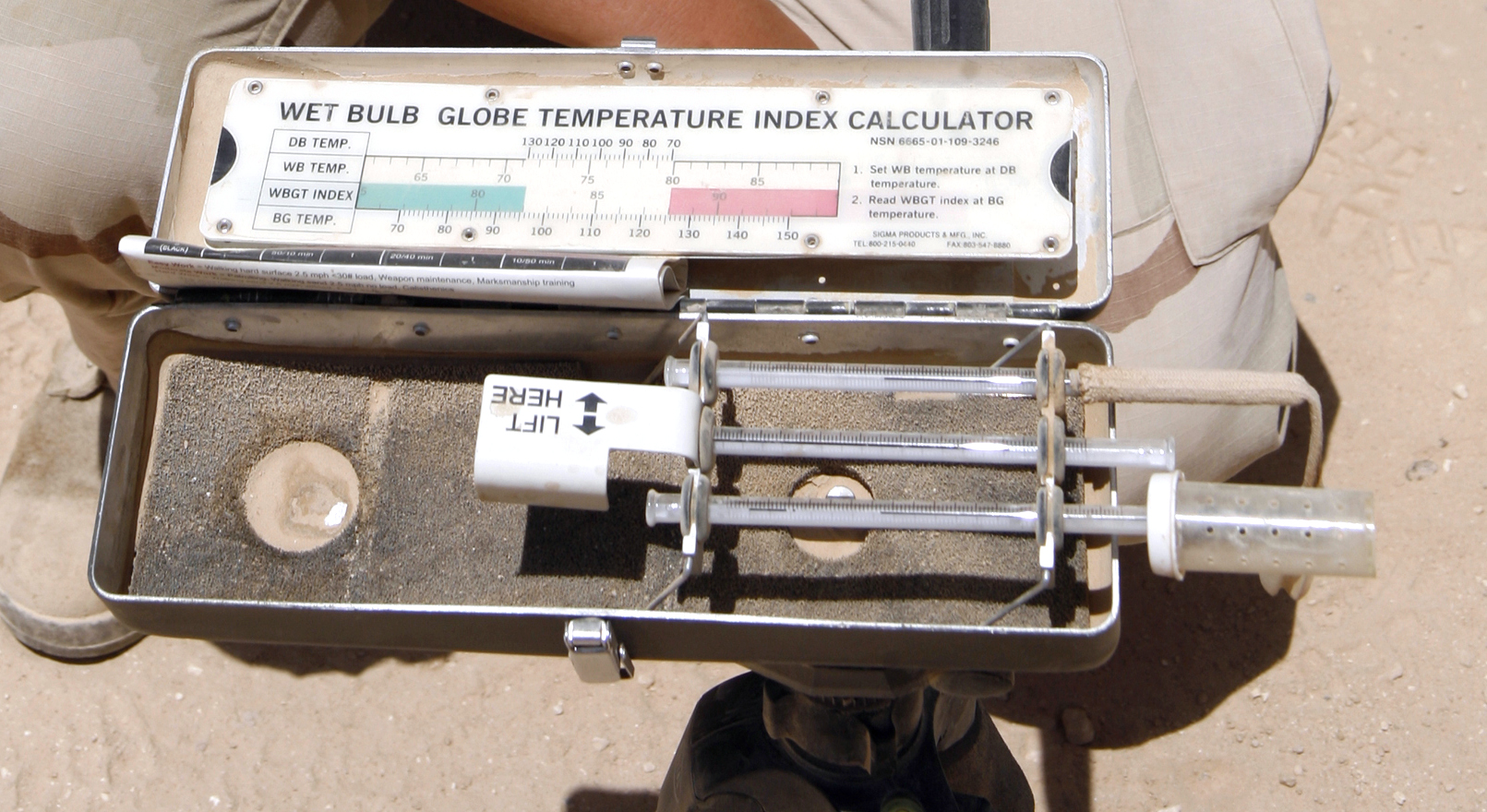
This is where wet-bulb temperature becomes useful. A wet-bulb thermometer is covered with a wet cloth. As water evaporates from the cloth, the thermometer cools, much like skin cools when sweat evaporates. If the air is dry, evaporation is strong and the wet-bulb reading sits well below the normal air temperature. If the air is humid, evaporation weakens and the wet-bulb reading moves closer to the air temperature.
What wet-bulb temperature really shows
Wet-bulb temperature is not simply another way to say humidity. It combines temperature and moisture into a single clue about evaporative cooling. High humidity on a mild day is not the same as high humidity on a very hot day. The danger rises when the air is both warm enough to add heat to the body and humid enough to block efficient cooling.
Think of a wet towel hanging outside. On a dry, breezy day, it dries quickly because water molecules leave the cloth and enter the air. On a muggy day, the towel stays damp for much longer. Sweat behaves in a similar way. If sweat cannot evaporate, it may still drip from the skin, but dripping sweat does not cool the body nearly as effectively as evaporating sweat.
That explains why wet-bulb temperature is often discussed during extreme heat events. It helps reveal a hidden risk that the regular thermometer can miss. A forecast temperature may not look record-breaking, but if overnight humidity stays high and the air remains heavy, people may have less chance to recover between hot afternoons. Heat stress can build over time, especially for people doing physical work, playing sports, or spending long hours in places without reliable cooling.
Why WBGT adds sunlight and wind
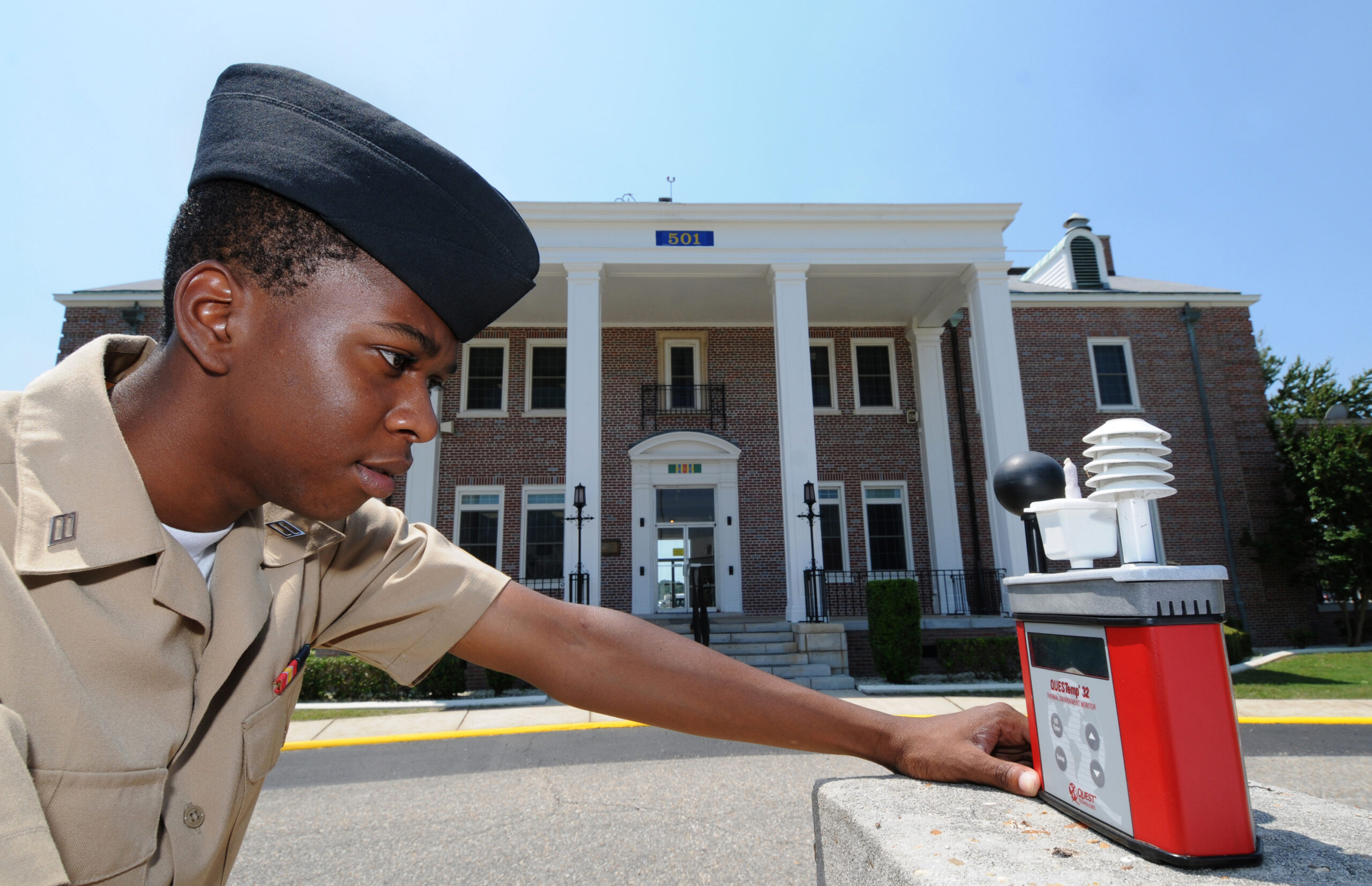
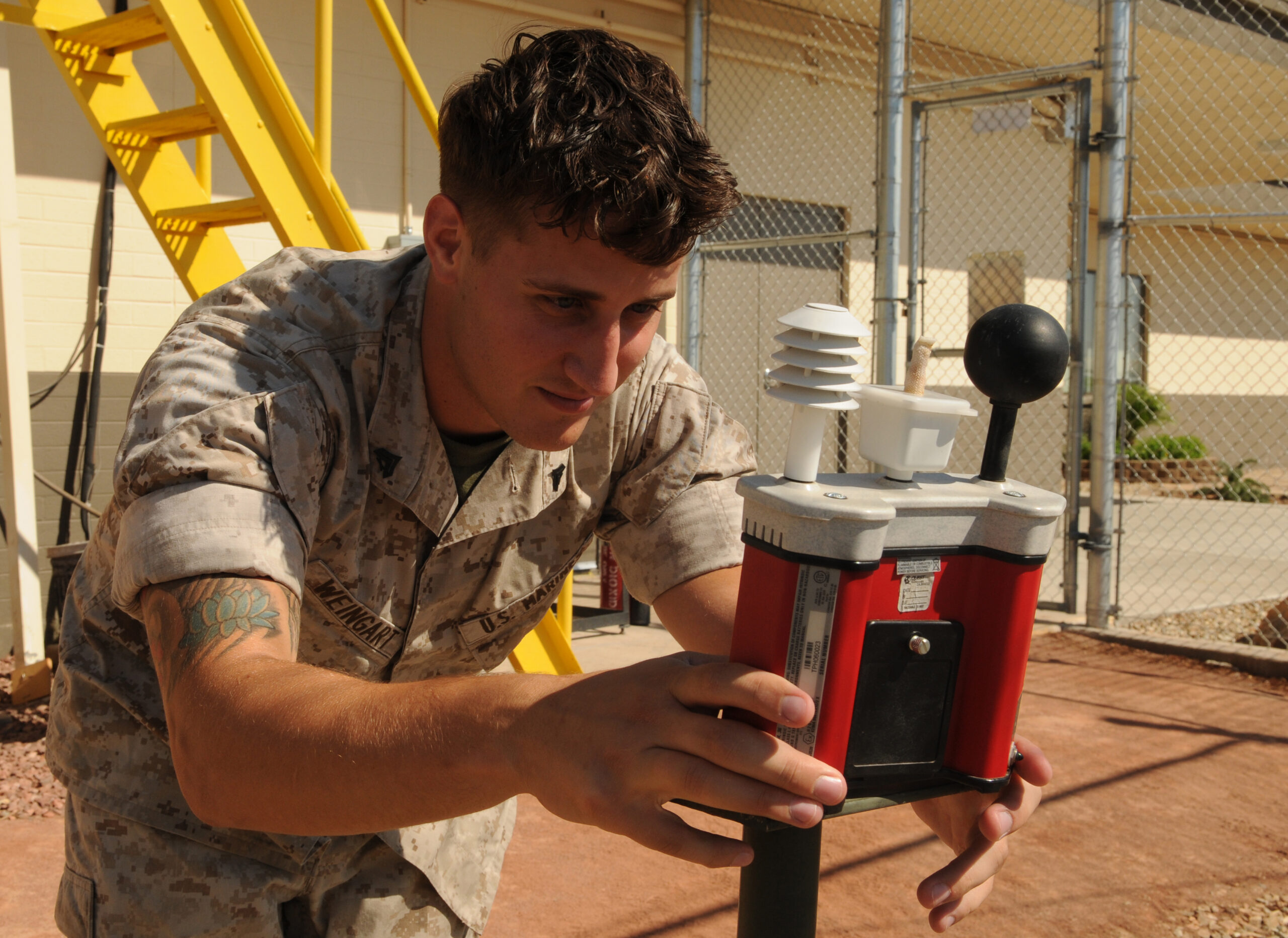
Wet-bulb globe temperature, usually shortened to WBGT, goes a step further. The National Weather Service describes WBGT as a heat-stress tool for direct sunlight. It uses temperature, humidity, wind, solar radiation, and related weather conditions to estimate how hard the environment may be on the body. That makes it especially useful for outdoor workers, athletes, marching bands, military training, and other activities where people are moving in the sun.
The name sounds technical because the measurement brings together three ideas. A wet-bulb reading reflects evaporative cooling. A dry-bulb reading reflects shaded air temperature. A black globe measurement reflects radiant heat from sunlight, nearby surfaces, and the surrounding environment. Wind matters too because moving air can help carry heat and moisture away from the skin, while still air makes cooling harder.
This is also why WBGT can be more useful than heat index for a soccer practice, road crew, outdoor ceremony, or summer camp field day. The heat index was designed for shaded conditions with light wind. CDC and NIOSH explain that full sunshine can make heat index conditions feel up to 15 degrees Fahrenheit hotter. WBGT is built to pay attention to that kind of direct-sun exposure.
Heat index, WBGT, and HeatRisk answer different questions
The heat index is still valuable. It is easy to understand, widely reported, and helpful for many everyday decisions. It answers a familiar question: how hot does the air feel when humidity is included? For many people checking a local forecast before errands, commuting, or outdoor chores, the heat index gives a quick warning that the day may be harder on the body than the air temperature suggests.
WBGT answers a narrower but important question: how stressful might this environment be for physical activity in the sun? That is why NWS materials point to athletes and outdoor workers as major users. It can help coaches, supervisors, and event organizers adjust practice length, rest breaks, work schedules, equipment, and shade access before conditions become dangerous.
HeatRisk answers a broader planning question. The National Weather Service HeatRisk forecast uses a color and number scale to show potential heat-related impacts over the next several days. It considers how unusual the heat is for a location, the time of year, the duration of the heat, whether nights stay warm, and CDC heat-health thresholds. In other words, HeatRisk is not just about one hot afternoon. It helps show whether a stretch of heat may affect people, health systems, industries, and infrastructure.
Why the same heat affects people differently
Heat stress is not only a weather problem. It is a body-and-environment problem. The same WBGT reading can affect people differently depending on their workload, fitness, hydration, clothing, medical conditions, sleep, access to shade, and whether they have become acclimatized to hot weather. Acclimatization means the body has gradually adjusted to working or exercising in heat, which can take time and can fade after a break from hot conditions.
That is why workplace and sports guidance often treats early-season heat with special care. A warm day in June can be harder than a similar day in August if people have not yet adjusted. A humid morning practice can be risky even before the afternoon high arrives. A worker wearing protective gear may face more heat strain than someone standing nearby in light clothing.
CDC and NIOSH stress that no single number can prevent heat illness on its own. A forecast tool should lead to decisions: slowing the pace, adding water and rest breaks, moving strenuous activity earlier or later, rotating tasks, using shade, and watching for signs that someone is not recovering well. The number is a warning system, not a shield.
How to read heat forecasts more intelligently
A useful habit is to read heat forecasts in layers. Start with the air temperature to understand the basic warmth of the day. Look at the heat index to see how humidity changes the feel of the air, especially in shade. Check WBGT when the plan involves outdoor work, sports, marching, training, or other activity in direct sun. Use HeatRisk when a heat spell may last several days or when people in the area may be sensitive to heat.
The most dangerous mistake is treating heat as a simple comfort issue. Heat is a physical load on the body. Humidity can reduce sweat evaporation. Sunlight can add radiant heat. Still air can slow cooling. Warm nights can reduce recovery. Exertion can generate heat from inside the body even when the weather number does not look extreme.
Wet-bulb temperature gives readers a clearer way to understand that hidden load. It explains why a muggy 90-degree day may feel more punishing than a drier hotter day, why shade and wind can change conditions quickly, and why active people need more than the regular thermometer. Once those pieces fit together, heat forecasts become less like a jumble of numbers and more like a practical map of how the body handles summer air.





Add comment