
 Akshay Dinesh
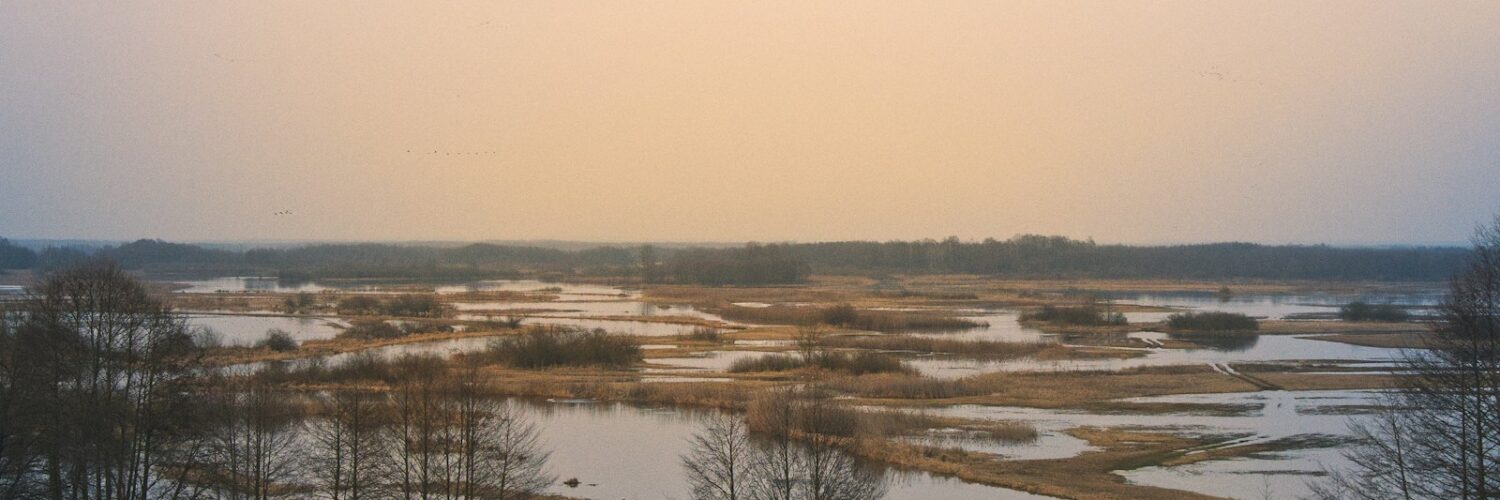
Flooding often looks sudden from the ground. A street fills with water, a creek rises over its banks, or a storm surge pushes inland faster than people expected. Yet long before the water reaches a neighborhood, the landscape has already been deciding where that water can go. Some surfaces shed rain quickly. Others hold it, slow it, and spread it out. Wetlands are among the most important places in that second group.
A wetland is an area where water covers the soil or stays close enough to the surface to shape the plants, soil, and wildlife that live there. Marshes, swamps, bogs, floodplain forests, mangrove coasts, and wet meadows can all be wetlands. They do not prevent every flood, and they are not a substitute for careful planning, strong drainage systems, or safe building rules. But when they are healthy and in the right location, wetlands can reduce flood risk in ways that concrete channels and pipes cannot fully copy.
Wetlands Store Water When the Landscape Is Under Pressure
The simplest way wetlands help is by giving water somewhere to pause. During heavy rain, water runs downhill toward streams, rivers, low streets, and drainage systems. If the land is covered with pavement, compacted soil, or roofs, much of that water moves quickly because it cannot soak in. A wetland works differently. Its low ground, spongy soil, pools, and dense vegetation create temporary storage space.
That storage can be surprisingly large. A single acre of wetland can hold a very large volume of water under the right conditions, sometimes on the scale of hundreds of thousands to about a million gallons. The exact amount depends on the wetland’s depth, soil, vegetation, and how saturated it already is before a storm. Even when a wetland is not completely empty at the start of a storm, it can still spread water across a wider area instead of forcing it into one fast-moving channel.
This matters because flood damage often depends on timing as much as total rainfall. If a large amount of rain reaches a stream all at once, the stream may rise sharply and spill over its banks. If some of that rain is held back and released slowly, the peak water level may be lower. The same storm can have a different impact depending on whether the surrounding landscape gives water room to wait.
Plants and Soil Slow the Speed of Runoff
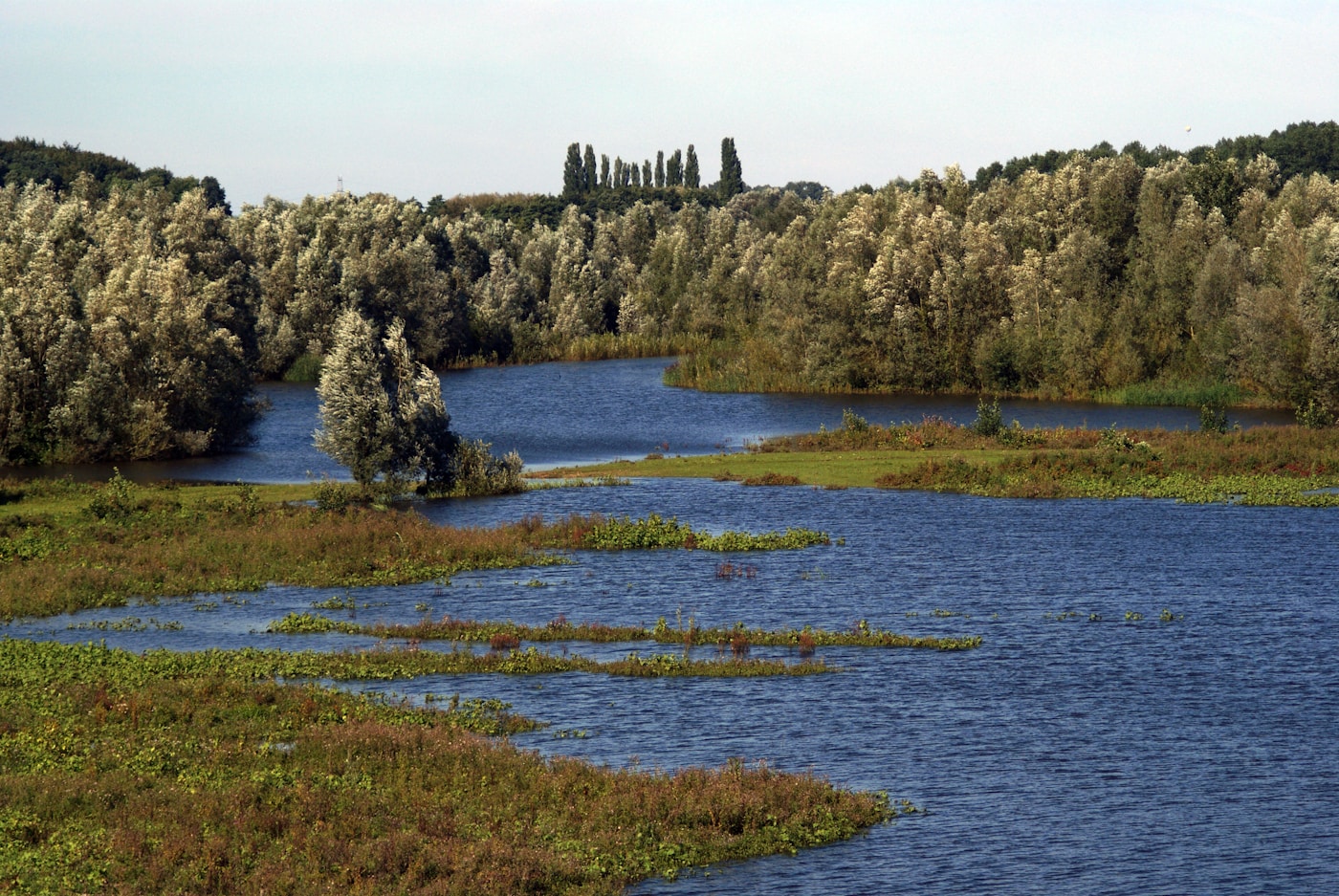
Water moving across bare ground or pavement can gather speed quickly. Fast runoff erodes soil, carries debris, and sends a sudden rush of water into drainage systems. Wetlands interrupt that movement. Grasses, reeds, shrubs, tree roots, fallen leaves, and uneven ground all create friction. Instead of racing across a smooth surface, water has to weave through stems, roots, pools, and small changes in elevation.
That slowing effect is easy to underestimate. A shallow sheet of water moving through a marsh may not look powerful, but every extra minute it spends in the wetland reduces pressure downstream. Slower water has more time to sink into soil, evaporate, or be taken up by plants. It also has less energy to tear away streambanks or carve deeper channels.
Wetland soils add another layer of protection. Many wetlands contain organic-rich soil built from partly decomposed plants. This soil can act like a sponge, holding water in tiny spaces between particles and roots. Sandy or loose wetland soils may allow some water to infiltrate downward and recharge groundwater. Clay-heavy soils may drain more slowly, but even then, the wetland can still store water on the surface and release it gradually.
Floodplains Work Best When Rivers Have Room
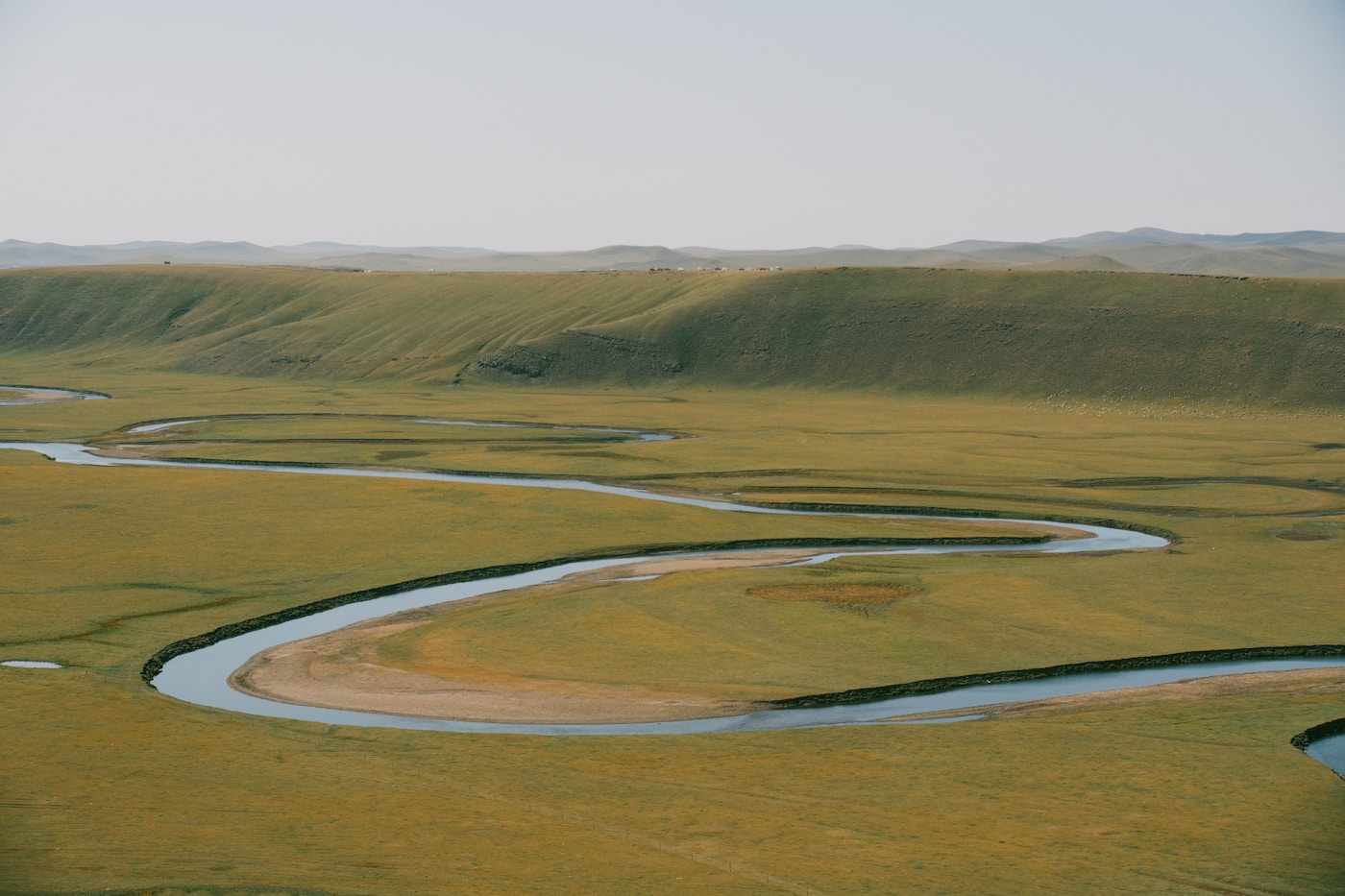
Many wetlands form beside rivers, where water naturally spreads during high flows. These floodplain wetlands are part of the river system, not separate from it. A river that can spill safely into a floodplain has more room to expand. A river trapped between levees, walls, or tightly built neighborhoods has fewer options, so water may rise higher and move faster.
This does not mean every floodplain should be left untouched in every place. People need homes, roads, farms, and businesses. But it does mean that building directly on low, flood-prone land carries a cost. When wetlands are drained or filled, the water they once stored does not disappear. It usually moves somewhere else, often toward people who may not realize that a missing wetland upstream has changed their flood risk.
Restoring floodplain wetlands can help reverse some of that pressure. In some places, communities reconnect rivers to old side channels, remove unnecessary barriers, or turn frequently flooded land back into open space. These projects can reduce damage while creating habitat, improving water quality, and giving people parks or natural areas that are useful even when there is no flood.
Coastal Wetlands Buffer Storm Surge and Waves
Wetlands also protect coastlines. Salt marshes, mangroves, and tidal wetlands sit between open water and inland communities. During coastal storms, they can reduce wave energy, slow storm surge, and help hold shorelines together. The plants above ground break up moving water, while roots below ground help bind sediment in place.
Mangroves are especially important in tropical and subtropical regions because their tangled root systems stand directly in the path of waves. Salt marshes provide similar protection in cooler coastal areas, where dense grasses and tidal channels create a flexible buffer. These wetlands cannot stop a major hurricane or cyclone by themselves, but they can lower the force that reaches roads, farms, buildings, and freshwater supplies.
Coastal wetlands face their own pressures. Sea level rise, erosion, dredging, pollution, and development can squeeze them from both sides. A healthy marsh may need space to shift inland over time, but seawalls, roads, or buildings can block that movement. When a coastal wetland disappears, a community may lose not only wildlife habitat but also a layer of protection that quietly worked during every high tide and storm.
Wetlands Clean Water as They Control It
Flood protection is not only about the height of the water. It is also about what the water carries. Stormwater often picks up oil, fertilizer, soil, trash, bacteria, and metals as it moves over streets, lawns, farms, and construction sites. If that runoff reaches rivers and lakes too quickly, it can damage ecosystems and make water treatment harder.
Wetlands slow runoff long enough for some sediment to settle out. Plants and microbes can also help process certain nutrients, especially nitrogen and phosphorus, which can feed harmful algal blooms when they enter waterways in large amounts. This filtering role is one reason constructed wetlands, rain gardens, and bioswales are used in some communities as part of stormwater design.
Still, wetlands should not be treated as dumping grounds. Too much pollution can overwhelm them. Excess sediment can bury plants, nutrients can change the balance of species, and toxic substances can harm wildlife. A wetland protects water best when the land around it is managed wisely too.
Why Wetland Protection Is a Practical Climate Strategy
Heavy rainfall events are becoming a larger concern in many regions, and more people are living in places where flood risk is already high. That makes wetlands a practical part of climate adaptation. They are not a perfect shield, but they reduce risk while offering benefits that single-purpose infrastructure often does not. A restored wetland can store floodwater, support fish and birds, improve water quality, cool nearby areas, and create open space at the same time.
The best flood planning usually combines natural and engineered solutions. Drainage pipes, pumps, levees, floodwalls, warning systems, and building codes all have important roles. Wetlands add a different kind of strength because they work with the water cycle instead of only trying to push water away. They give water space, time, and friction.
That is why protecting wetlands is not only a wildlife issue. It is a community safety issue, a planning issue, and a long-term cost issue. When a wetland is filled, the loss may not be obvious on a dry day. The difference appears when rain falls hard, rivers rise, and the landscape needs somewhere for the water to go. Healthy wetlands do not make storms harmless, but they can make the difference between water that rushes destructively through a community and water that has room to slow down before it gets there.




Add comment