
 Akshay Dinesh
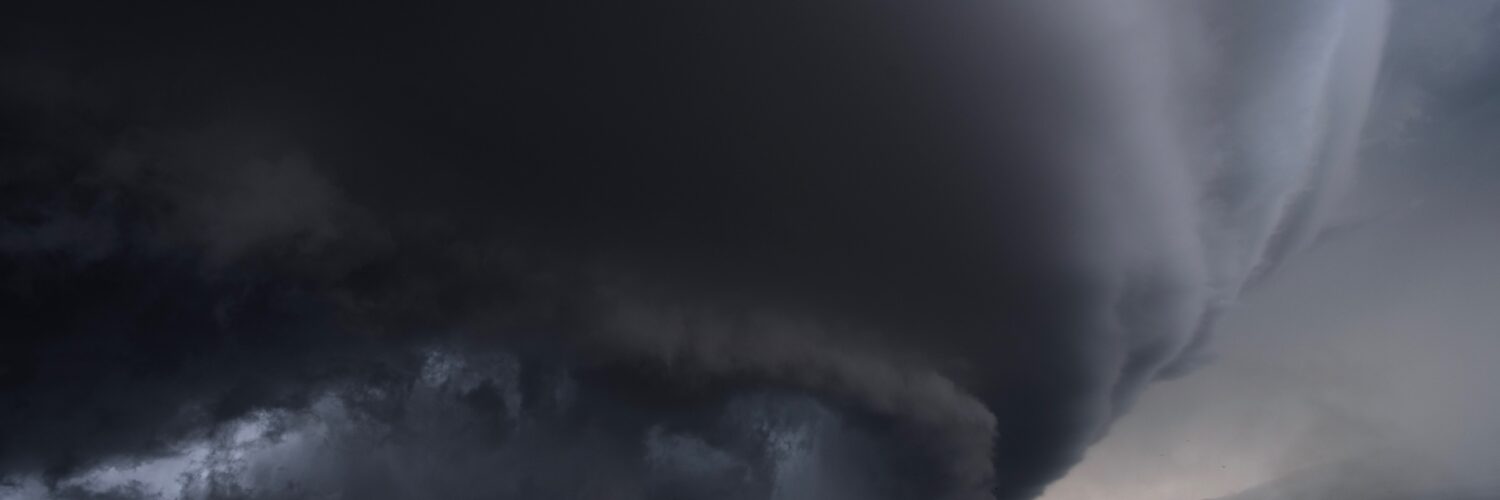
Hail looks simple once it is scattered across a lawn or bouncing off a windshield: hard pieces of ice falling from the sky. Inside a thunderstorm, though, each hailstone is part of a fast-moving vertical weather machine. Warm, humid air rises, water droplets climb into freezing levels of the cloud, and powerful updrafts can keep growing ice suspended long enough for it to become heavy and dangerous.
That is why hail is more than just frozen rain. Ordinary raindrops fall when gravity wins. Hail forms when a thunderstorm is strong enough to lift water and ice upward again and again, letting a small ice particle collect layers before it finally drops. The National Severe Storms Laboratory describes the mature stage of a thunderstorm as the time when hazards such as hail, heavy rain, lightning, strong winds, and tornadoes are most likely. Hail is one sign that a storm has vigorous motion inside it, not just dark clouds on the outside.
The Storm Engine That Makes Hail Possible
A thunderstorm begins with rising air. Sun-warmed ground, humid air, a passing front, or a boundary between air masses can help air near the surface become buoyant. As that air rises, it cools, and water vapor condenses into cloud droplets. If the updraft keeps building, the cloud can tower high into colder parts of the atmosphere where temperatures fall below freezing.
That height matters. A shallow cloud may make rain, but hail needs a deep storm with a region cold enough for ice and energetic enough to keep particles moving. In the strongest storms, the updraft is not a gentle elevator. It can push droplets and bits of ice upward while other parts of the storm are pulling rain-cooled air downward. The mature thunderstorm becomes a busy system of rising air, falling precipitation, electrical charge, and shifting wind.

Hail usually starts with a tiny embryo, such as a frozen droplet, graupel, or a small ice pellet. Graupel forms when supercooled water droplets freeze onto a snow crystal, making a soft pellet. The National Severe Storms Laboratory distinguishes graupel from hail partly by size and strength: graupel is fragile and small, while hail can grow larger and harder as more water freezes onto it. Once an embryo enters the right part of a strong thunderstorm, it can begin collecting new ice.
Why Supercooled Water Is the Key Ingredient
The phrase supercooled water sounds impossible at first. Water normally freezes at 32 F, or 0 C, but tiny droplets in clouds can remain liquid below that temperature if they have not yet attached to a particle that triggers freezing. A thunderstorm can contain many of these droplets in its cold upper regions.
When a hail embryo collides with supercooled droplets, the droplets freeze onto its surface. This process is called riming. Each collision adds a little more ice. If the hailstone passes through a region packed with liquid droplets, it can gain mass quickly. If it moves through a drier or icier part of the cloud, growth slows.
The layers inside a hailstone often record those changing conditions. Some layers look cloudy or white because water froze quickly and trapped air bubbles. Other layers look clearer because water froze more slowly and allowed fewer bubbles to remain. A large hailstone can therefore act like a rough diary of its path through the storm, although that diary is messy because the stone may tumble, melt slightly, refreeze, and collide with other particles.
Not every thunderstorm has the right mix. Hail needs cold air aloft, enough liquid water, and an updraft strong enough to keep ice from falling too soon. A storm can produce heavy rain and lightning without making large hail. On the other hand, a storm with an intense updraft and abundant supercooled water can grow hailstones large enough to damage crops, roofs, cars, windows, and aircraft.
How Hailstones Get Large Enough to Fall
A hailstone grows only while the storm can keep it in the growth zone. If it is too small, it may melt before reaching the ground. If it becomes too heavy, it falls out of the updraft. The balance between upward-moving air and gravity helps determine how large the hail can become.
Older explanations sometimes picture a hailstone moving up and down through the cloud in many neat cycles, like a ball repeatedly tossed into the air. That can happen in some cases, but modern storm science is more careful. Hailstone paths can be complicated. Wind shear, rotating updrafts, changing liquid water content, and the stone’s own mass all shape where it travels. In a supercell thunderstorm, a strong, organized updraft may keep hail embryos in a favorable growth region for longer than a short-lived storm can.
Size is why hail warnings matter. The National Weather Service considers a thunderstorm severe when it produces hail at least 1 inch in diameter, winds of at least 58 miles per hour, or a tornado. One-inch hail is often compared with a quarter. Larger stones can reach golf-ball size, baseball size, or even bigger in extreme storms. The bigger the stone, the faster and harder it can hit, especially when strong winds are also pushing precipitation sideways.
Hail does not need to be record-breaking to cause problems. Small hail can shred tender plants, clog drains, make roads slick, and startle drivers. Larger hail can break glass, dent vehicles, injure animals, and damage roofs in ways that are not always visible from the ground. A storm that drops hail also tells forecasters that the cloud has strong vertical motion, which may come with other hazards nearby.
Why Radar and Warnings Look for More Than Rain
Weather radar helps forecasters see inside storms, but radar does not simply take a photograph of hail. It sends out pulses of energy and measures what comes back from raindrops, ice, and other particles. Dual-polarization radar, now used across the National Weather Service radar network, sends and receives energy in both horizontal and vertical orientations. That helps meteorologists distinguish between shapes and types of precipitation, including rain, hail, snow, and ice pellets.
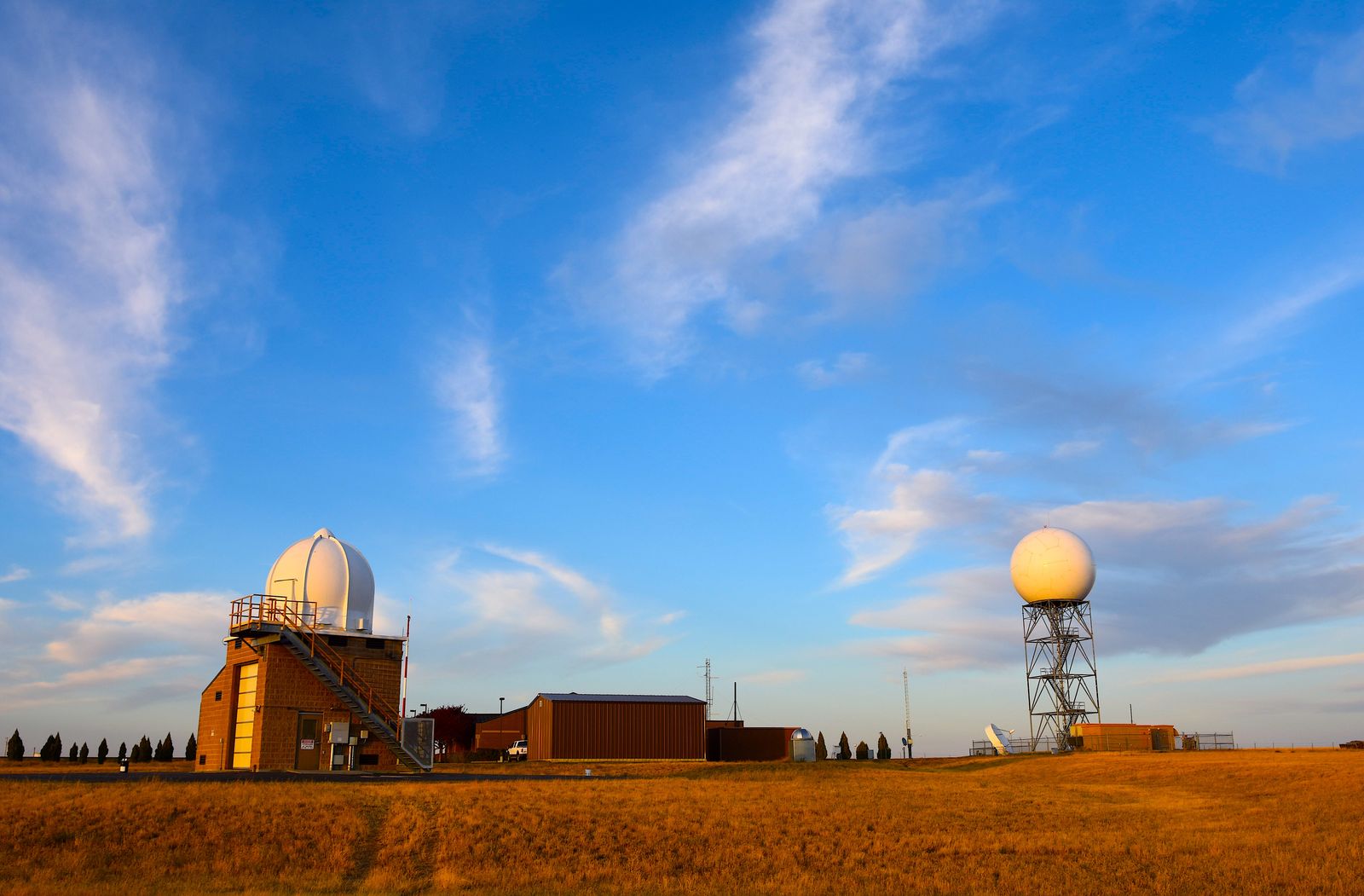
Radar clues are useful because hail can be highly local. One neighborhood may get only heavy rain while another, a few miles away, receives damaging hail. The strongest updraft, the storm track, and the height of the freezing level all affect where hail reaches the ground. A slight change in a storm’s structure can change the size and location of the hail core.
That local nature can make hail feel surprising. A sky may look dark and threatening, but the most important details are hidden inside the cloud. Forecasters combine radar, storm reports, atmospheric measurements, and computer guidance to decide when a severe thunderstorm warning is needed. Spotter reports still matter because measured hail size on the ground helps confirm what radar suggested from above.
What Hail Teaches About Severe Storms
Hail is a small object with a large lesson inside it. It shows that thunderstorms are not just rain producers; they are vertical engines that move heat, moisture, wind, and ice through several miles of atmosphere. A hailstone forms because different parts of that engine line up: warm rising air near the ground, freezing temperatures aloft, liquid droplets that remain unfrozen below 32 F, and an updraft strong enough to hold growing ice in place.
For readers watching a forecast, hail risk is a reason to take severe thunderstorm alerts seriously. Moving indoors, protecting pets, avoiding windows, and waiting to drive until the storm has passed are simple choices that match the physics. The ice falling from the sky may have started as a tiny cloud particle, but by the time it reaches the ground, it carries the force of the storm that built it.





Add comment