
 Akshay Dinesh
A lake can look quiet even when a biological change has already begun. A young population of invasive mussels may be attached to rocks below the surface. A few fish may be moving through a river before anyone catches one in a net. A plant pathogen may be present in wet soil before visible damage appears. By the time a problem species is easy to see, managers may already be facing a larger and more expensive challenge.
Environmental DNA, often shortened to eDNA, gives scientists another way to look for life. Instead of finding the organism itself, researchers collect traces of genetic material that organisms leave behind in water, soil, air, or sediment. A water sample from a lake may contain DNA from fish skin cells, mussel larvae, bits of plant tissue, feces, mucus, or microscopic fragments too small to notice. When those traces are filtered, extracted, and tested, they can reveal whether a target species has recently been in the area.
That does not make eDNA a magic detector. A positive result needs careful interpretation, and a negative result does not prove a species is absent forever. Still, the approach has become one of the most useful tools in modern invasive species monitoring because it can find warning signs early, especially in places where traditional surveys are slow, expensive, or easy to miss.
What Environmental DNA Actually Detects
DNA is the instruction-carrying molecule found in living things, and organisms shed it constantly. A fish swimming through a river leaves behind cells from its skin and waste. A mussel releases genetic material into the water around it. A frog, insect, or plant can leave traces in a pond even if no person sees it directly. Environmental DNA is the genetic material collected from those surroundings rather than from a captured organism.
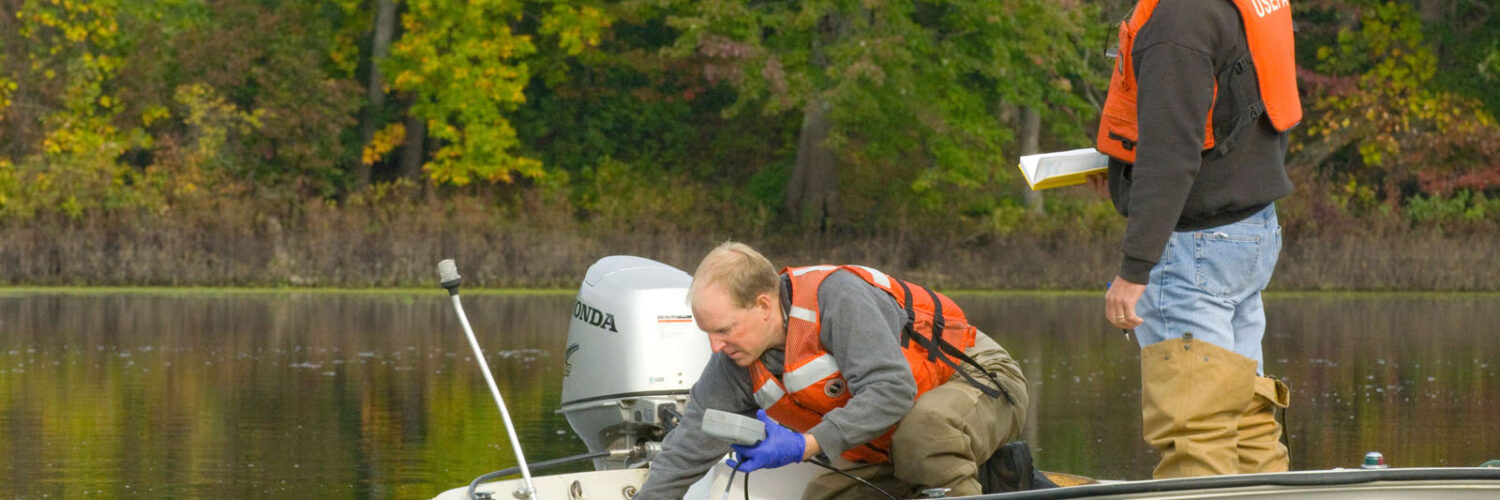
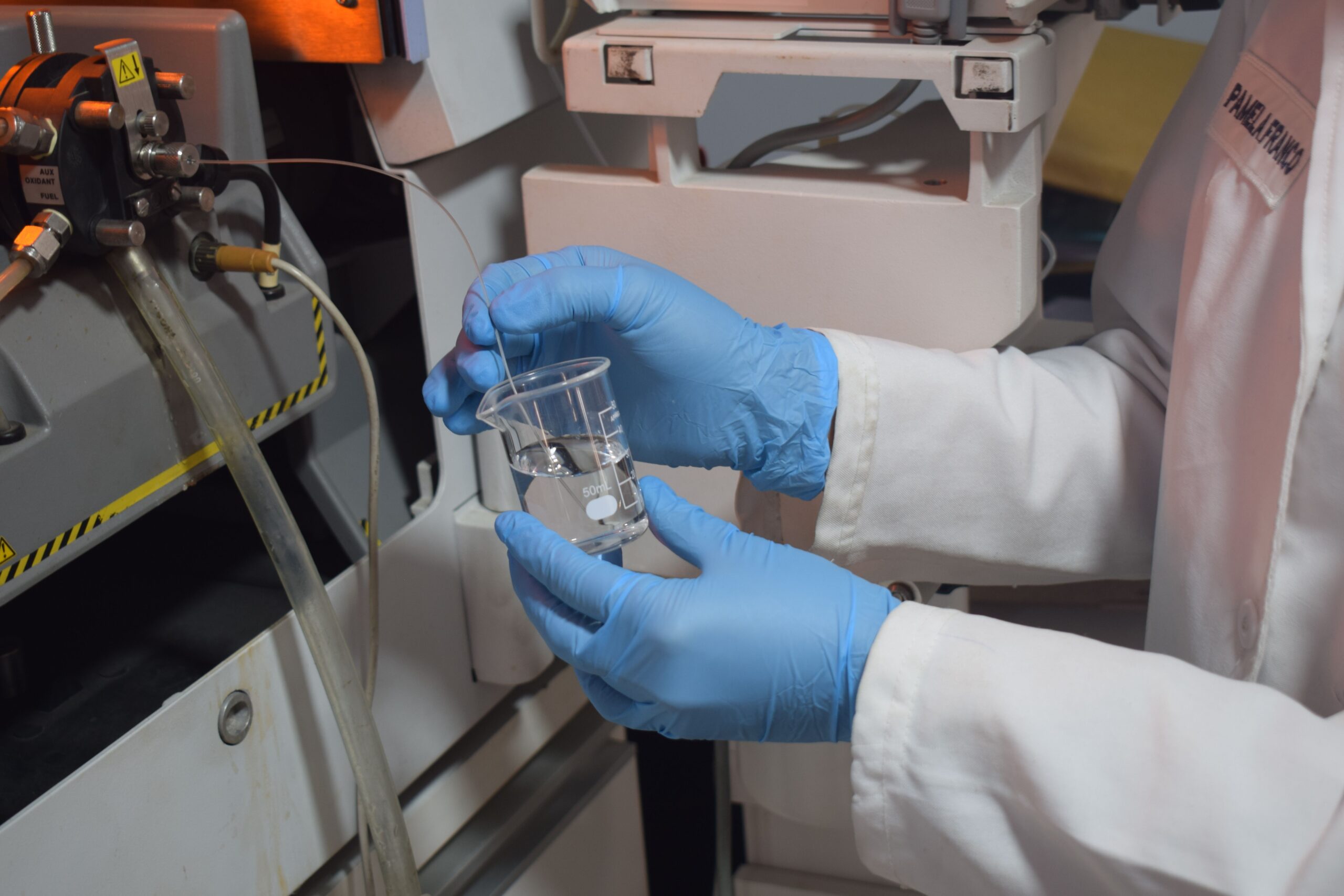
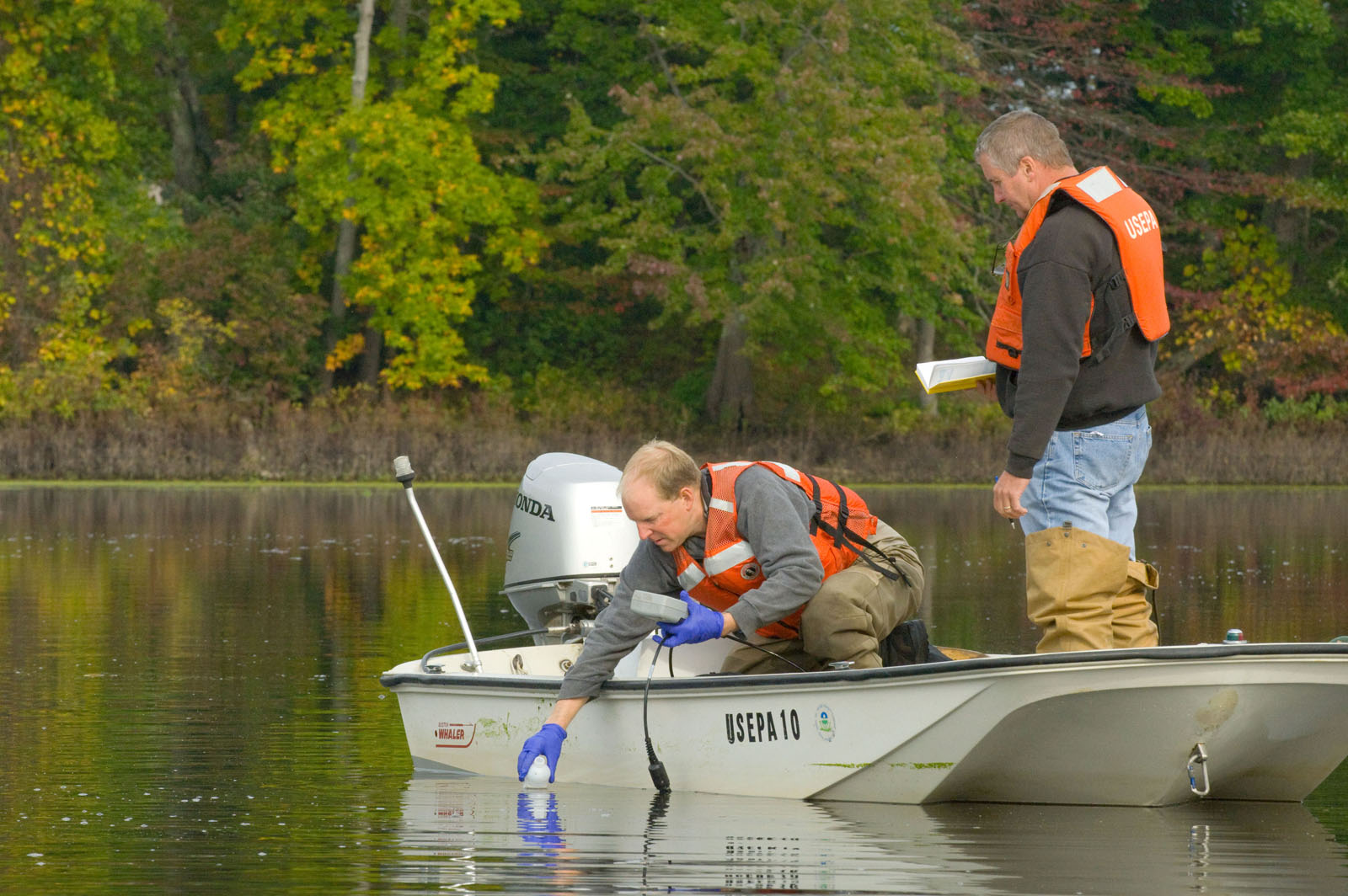
The basic workflow is simple in outline. Researchers collect a sample, often water for aquatic species. They filter the sample so tiny biological particles are trapped. In a laboratory, they extract DNA from the filter and use genetic tests to look for sequences that match a particular species or group of species. Some tests ask a narrow question, such as whether zebra mussel DNA is present. Others use metabarcoding, which can identify many organisms in a sample by comparing short DNA markers against reference libraries.
NOAA Ocean Exploration describes eDNA as genetic material shed into the water column through mucus, feces, tissue particles, and other biological traces. That framing is helpful because it shows why eDNA works best as evidence of contact with an environment, not as a photograph of an animal. The sample does not say, by itself, exactly how many organisms were present or whether one is still alive at the sampling location.
For invasive species work, the target is often a nonnative organism that can damage ecosystems, water systems, agriculture, or recreation. Early detection matters because a small population may still be contained or managed. Once an invasive species spreads widely, managers may shift from prevention to long-term control, which is usually harder and more costly.
Why Early Detection Changes the Stakes
Traditional monitoring has real strengths. Nets, traps, visual surveys, scuba inspections, and shoreline searches can produce direct evidence. They can show life stage, size, health, abundance, and habitat use. But they also have limits. A rare organism may avoid a net. Mussel larvae can be microscopic. A species may be active at night, hidden under vegetation, or present only in a few corners of a large water body. Searching every promising location by hand is rarely practical.
Environmental DNA helps by widening the search. A small number of water samples can screen places that would be difficult to inspect directly. The U.S. Geological Survey has highlighted eDNA as a tool for detecting invasive species that are present in low numbers or difficult to observe, including aquatic species that may leave genetic traces before they are easy to find physically. In one USGS line of work, researchers tested eDNA methods for zebra mussel monitoring in Minnesota lakes and found that DNA signals varied by depth and substrate, with stronger clues near lake bottoms and softer sediments in some conditions.
Zebra mussels are a useful example because the danger is not abstract. These small freshwater mussels attach to hard surfaces, clog water intake pipes, compete with native species, and alter food webs by filtering plankton from the water. When a lake has only a small or newly established population, early evidence can guide boat inspections, public alerts, targeted surveys, and prevention work before the species becomes entrenched.
Early detection also helps managers choose where to spend limited time and money. A regional agency might need to monitor dozens of lakes, boat launches, wetlands, or stream crossings. eDNA can help rank where follow-up surveys are most urgent. It can also support repeated monitoring over time, showing whether signals appear, disappear, or intensify across seasons.
How Scientists Keep eDNA From Misleading Them
The power of eDNA comes with a serious challenge: DNA can move, break down, contaminate, or persist in ways that complicate the story. A positive signal in a stream might mean the target species is nearby, but flowing water can carry DNA from upstream. A sample from a boat launch might contain DNA moved on equipment, mud, or bilge water. DNA can also degrade faster or slower depending on sunlight, temperature, water chemistry, microbes, and sediment conditions.
That is why good eDNA work depends on controls and careful sampling design. Field crews use clean equipment, blanks, and repeated samples to reduce the chance that DNA from one place contaminates another. Laboratories use controls to check whether the test is working and whether contamination appeared during processing. Scientists also choose genetic markers carefully so the test detects the target organism without confusing it with a close relative.
A 2017 PLOS ONE study by Katy Klymus, Nathaniel Marshall, Carol Stepien, and colleagues developed eDNA metabarcoding assays for invasive invertebrates in the Great Lakes. Their work emphasized that marker design affects sensitivity and resolution, which means the genetic target chosen for a test can determine whether the method is useful for a particular management question. A tool that works for one group of organisms may not automatically work for another.
The National Invasive Species Council’s 2022 white paper on eDNA for invasive species detection made a similar point from a management perspective. It described eDNA as a powerful and evolving tool, but one that requires appropriate laboratories, quality controls, and expert interpretation. In plain language, eDNA can raise a strong signal, but it should not be treated as a shortcut around scientific judgment.
What an eDNA Result Can and Cannot Prove
An eDNA test can often answer a focused question: was DNA matching this organism detected in this sample? That answer can be extremely useful. It can tell managers where to look next, whether a species may have reached a new site, or whether a restoration project is seeing signs of returning native life. It can also reduce harm to sensitive species because researchers may not need to capture or disturb them to know they are present.
What eDNA usually cannot do on its own is give a complete census. More DNA does not always mean more organisms in a simple one-to-one way. A large animal may shed differently than a small one. Water movement can concentrate or dilute DNA. Sediments can store traces. Seasonal behavior, reproduction, and temperature can all change how much DNA enters a sample. For some questions, scientists can estimate patterns in relative abundance, but those estimates need careful validation.
That is why eDNA is often paired with other evidence. A positive eDNA result may lead to targeted netting, visual searches, diver surveys, or repeated sampling. A series of negative results may lower concern, especially when sampling is well designed, but managers still consider the species’ biology and the limits of detection. The strongest decisions usually come from combining genetic evidence with ecology, geography, and direct observation.
Why This Tool Is Becoming More Important
Environmental monitoring is getting harder as trade, travel, climate shifts, and habitat disturbance change where species can survive. Invasive species can move through ballast water, bait buckets, nursery plants, shipping materials, aquarium releases, and recreational equipment. Climate change can also make some areas more suitable for organisms that previously struggled there. Earlier warning systems matter because biological invasions are often easier to slow than to reverse.
eDNA also helps people think about ecosystems in a more connected way. A water sample is not just a chemical snapshot. It can carry clues about fish, mussels, amphibians, microbes, plants, and unseen changes in a community. NOAA Fisheries has described eDNA as a noninvasive tool that can support biodiversity assessment and management decisions. That broader use matters because the same method that helps find an invasive species can also help track endangered species, monitor restoration, or compare how ecosystems change over time.
The best future for eDNA is not replacing every older method. It is building a stronger monitoring system. Nets and field surveys show bodies, behaviors, and habitats. Remote sensors show temperature, oxygen, and water conditions. Satellite and map data show landscape patterns. Environmental DNA adds a sensitive biological signal that can be collected before many organisms are visible. Together, those tools help managers respond sooner and with more confidence.
For learners, eDNA is a reminder that modern biology often begins with traces. A few molecules in a bottle of water can point toward hidden life, ecological risk, and better questions. The real skill is not only detecting the signal, but knowing what that signal means, what it does not mean, and what evidence should come next.




Add comment