
 Akshay Dinesh
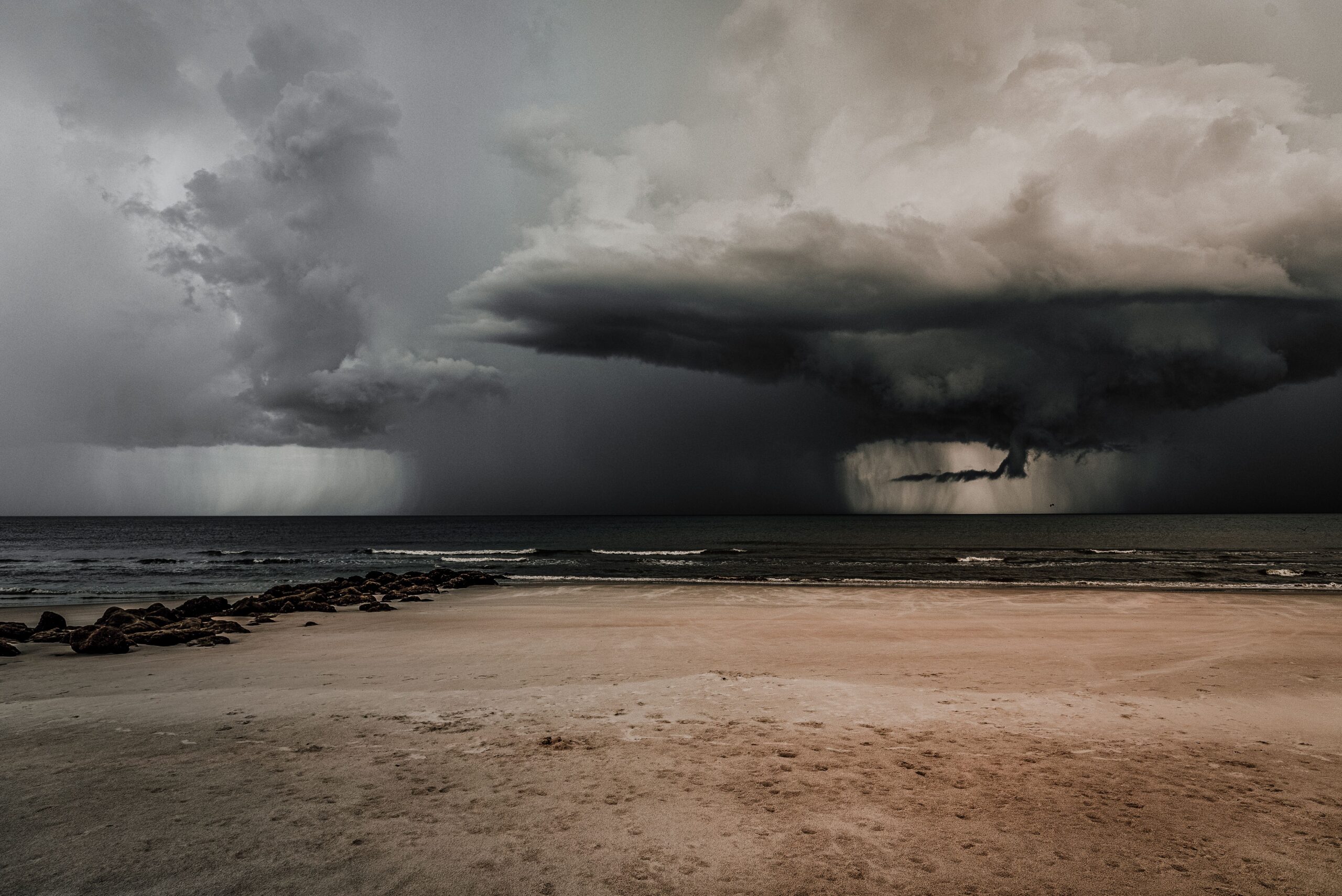
A beach can look calm and inviting the morning after a storm. The waves may be smaller, the sky may be clear again, and the sand may already be filling with footprints. But the water can still carry something hard to see: runoff from streets, yards, storm drains, creeks, rivers, and overloaded drainage systems. That is why many beach advisories appear after heavy rain, even when the ocean, lake, or bay does not look obviously dirty.
The risk is not that rain itself makes swimming water unsafe. Rain becomes a problem because it moves whatever is on land into the water. Bacteria from animal waste, leaking sewage systems, flooded streets, trash, soil, and decaying organic matter can be swept quickly toward the shore. Local health departments do not close or post beaches because the water is unattractive. They do it because testing or recent conditions suggest that swimmers could be exposed to contamination.
How Rain Turns Land Pollution Into Water Pollution
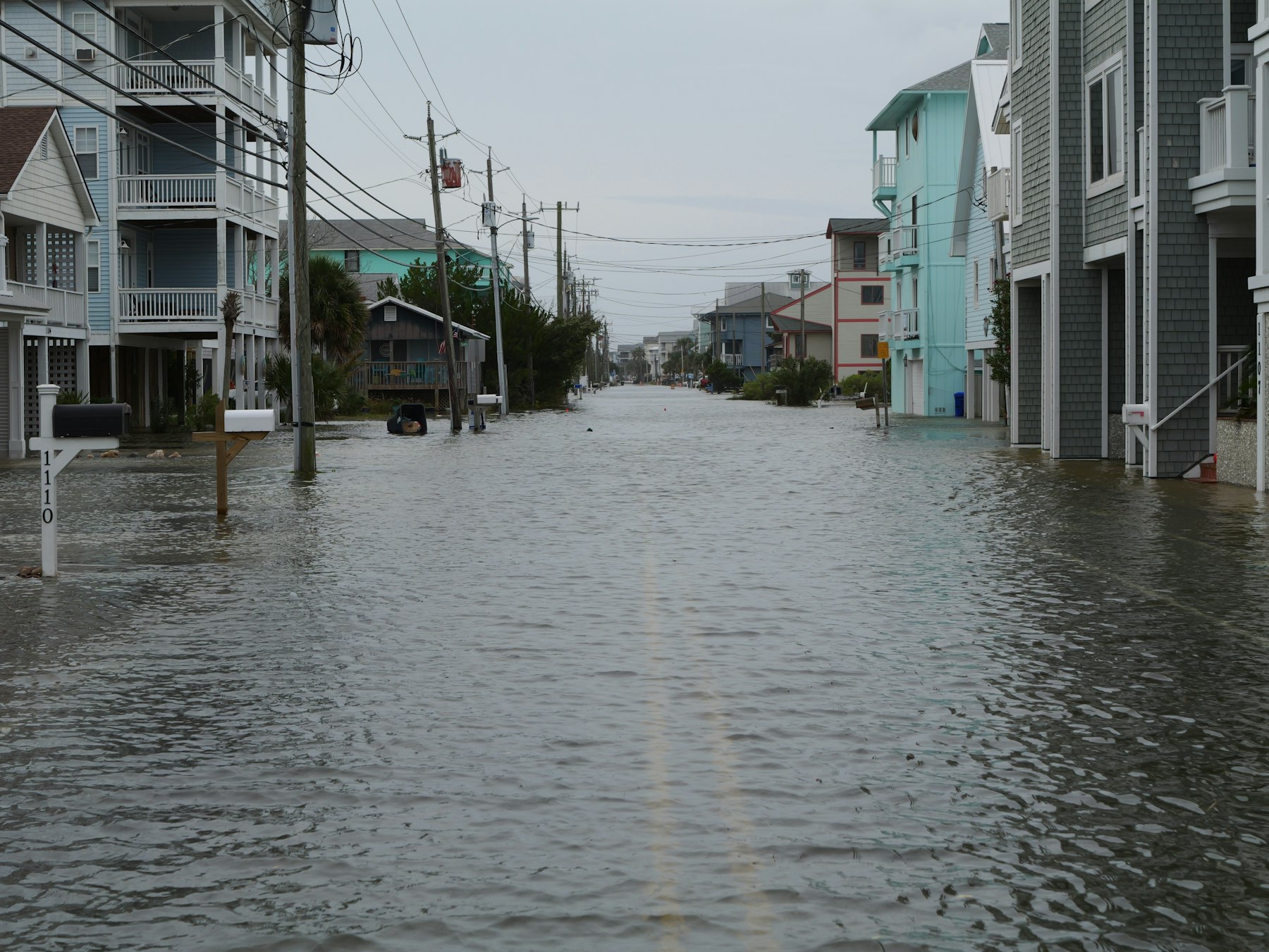
In a natural landscape, some rainfall soaks into soil, moves through plants, or filters slowly through the ground. In a city or busy beach town, much of it lands on roofs, pavement, parking lots, sidewalks, compacted lawns, and roads. Those hard surfaces do not absorb water well. Instead, rain gathers speed and becomes stormwater runoff.
Runoff acts like a moving broom. It can pick up pet waste from sidewalks, bird droppings from parking lots, fertilizer from lawns, oil and tire residue from streets, litter, soil, and other materials left behind during dry weather. If a community has storm drains near the coast, the runoff may travel through pipes and discharge near a beach. If creeks or rivers empty nearby, they can carry the same mix from a wider watershed.
Heavy rain can also stress sewage systems. In some places, old combined sewer systems carry both stormwater and sewage in the same pipes. During intense rain, the volume can exceed capacity, causing combined sewer overflows. Even where stormwater and sewage systems are separate, broken lines, failing septic systems, and flooded infrastructure can add contamination. The result is a short-term pulse of polluted water that may arrive quickly and linger after the weather improves.
Why Beach Tests Look for Indicator Bacteria
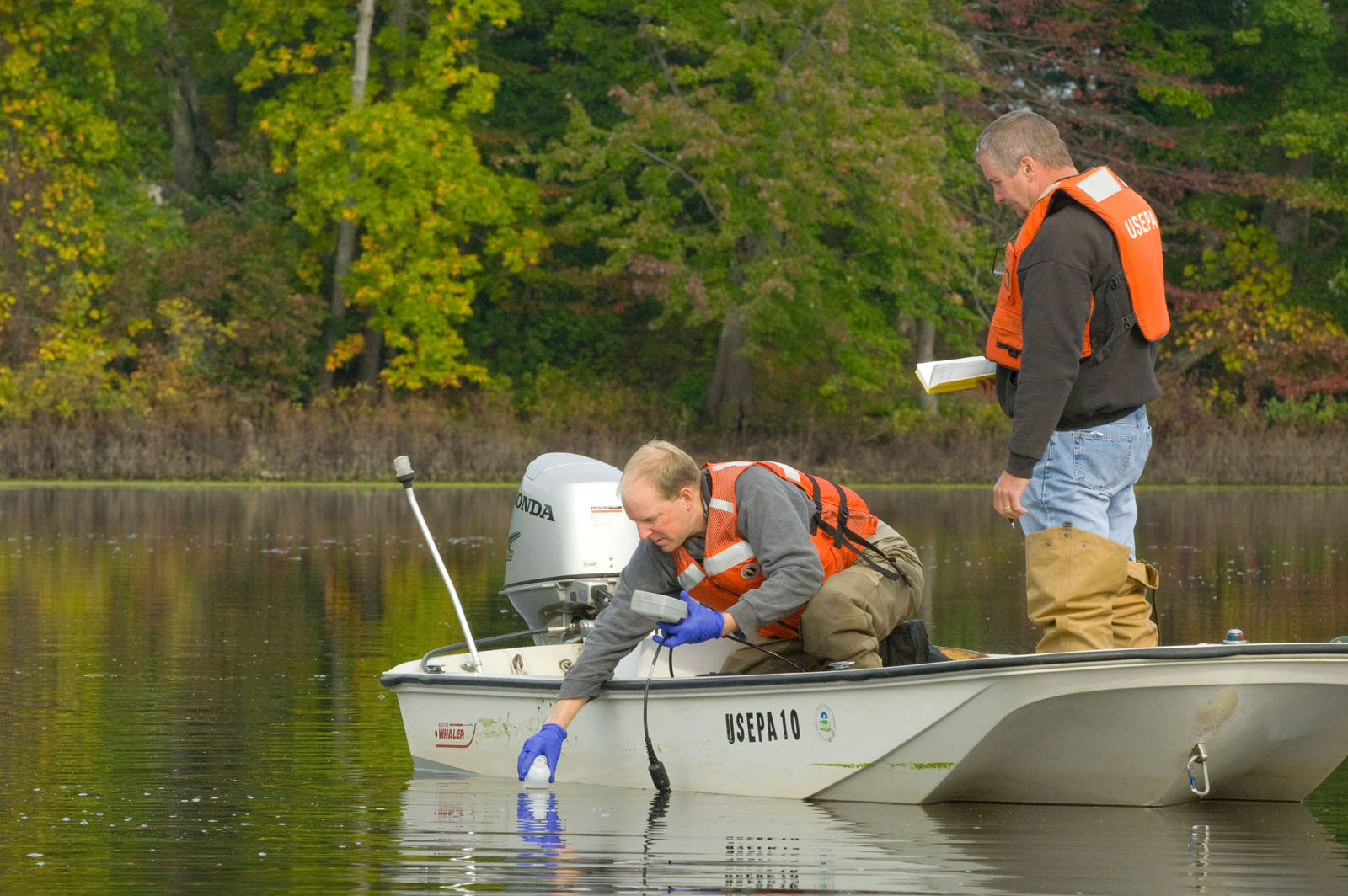
Beach water testing usually does not search for every possible germ. That would take too long and cost too much, especially when water conditions can change from day to day. Instead, monitoring programs often test for indicator bacteria. These organisms suggest that fecal contamination may be present and that other pathogens could be present too.
The U.S. Environmental Protection Agency’s recreational water quality criteria use enterococci and E. coli as important indicators. Enterococci are commonly used for marine waters and can also be used in fresh water. E. coli is especially common in freshwater monitoring. The point is not that every detected indicator bacterium will make someone sick. The point is that higher levels are associated with a higher chance that disease-causing organisms from fecal pollution may also be in the water.
This is why a beach advisory may mention bacteria even when the actual concern is broader. Fecal contamination can come from many sources: sewage, wildlife, pets, livestock, stormwater, or sediments stirred up near shore. Florida’s beach-water program, for example, explains that enteric bacteria can indicate fecal pollution from stormwater runoff, pets and wildlife, or human sewage. The exact source may differ from one beach to another, but the testing logic is similar.
Water samples are only a snapshot. A sample collected at 8 a.m. reflects the conditions at that place and moment. Wind, tides, waves, sunlight, streamflow, and new runoff can change conditions later. That is one reason beach managers combine testing with rainfall history, storm-drain locations, known sewer problems, and local patterns. A beach that often tests high after storms may receive quicker warnings than a beach with fewer runoff pathways.
Why the Problem Is Often Worst Near Drains, Creeks, and Rivers
Not every part of a beach has the same risk after rain. Water near storm-drain outlets, creek mouths, river mouths, and enclosed bays can receive more concentrated runoff than open shoreline areas. These places act like delivery points. Pollution gathered across a neighborhood or watershed can arrive at one visible spot, then spread with currents, waves, and tides.
Local advisories often tell people to avoid water near flowing drains, discharging creeks, or areas where runoff ponds on sand. Los Angeles County public health guidance, for example, commonly warns that ocean and bay waters near storm drains, creeks, and rivers can be contaminated after rainfall with bacteria, chemicals, debris, and trash. The same principle applies beyond California, although the exact warning language varies by local health department.
Freshwater beaches can have their own patterns. A lake beach near a shallow cove, bird gathering area, marina, or stream outlet may behave differently from a beach on the same lake with better circulation. Recent U.S. Geological Survey work at Lake St. Clair Metropark Beach in Michigan shows how specific local factors can matter: E. coli levels there were studied in surface water, groundwater, sediment, and nearby areas, with attention to waterfowl, sediment, turbidity, and other site conditions. The broader lesson is that beach-water quality is local, not just regional.
Turbidity, or cloudiness, can also be a clue. USGS bacterial monitoring work has connected higher E. coli estimates with higher streamflow and turbidity in some river settings because bacteria can be attached to suspended sediment. Cloudy water does not prove a dangerous bacteria level by itself, and clear water does not prove safety. Still, water that is muddy, smelly, foamy, scummy, or visibly affected by runoff deserves extra caution.
Why Advisories Can Last After the Sun Comes Back
One confusing part of beach advisories is timing. A storm may end at night, the next day may look beautiful, and the advisory may remain. That does not mean officials are ignoring the improved weather. It means the water may not have mixed, diluted, flushed, or tested clean yet.
Bacteria levels can rise quickly after a storm and then fall as sunlight, dilution, settling, and circulation change the water. But the speed of that recovery depends on the beach. A windy open coast may clear differently from a sheltered bay. A river mouth after days of rain may keep delivering runoff even after the sky over the beach clears. A sewer spill or failing septic source may create a longer problem than ordinary street runoff.
Testing also takes time. Many beach programs collect samples and wait for laboratory results before changing an advisory. Some programs use models that estimate bacteria risk from rainfall, waves, tides, turbidity, and other measurements. Real-time or predictive systems can make warnings faster, but they still depend on local data and careful calibration. The goal is to avoid both missed risks and unnecessary closures.
How to Read a Beach Advisory Wisely
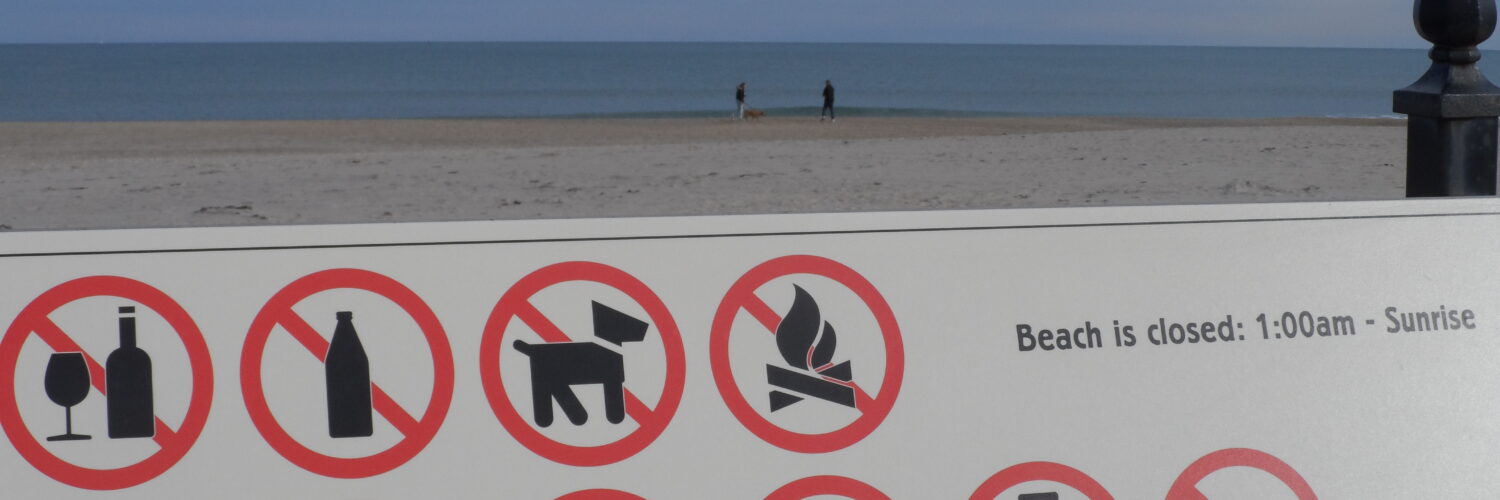
A beach advisory is not always the same as a beach closure. An advisory often means swimming is not recommended because bacteria levels or recent conditions suggest increased risk. A closure may mean officials have stronger evidence of unsafe conditions, a sewage spill, harmful algal bloom, dangerous debris, or another hazard. The exact terms vary by state and local program, so the safest move is to read the posted notice rather than assume every sign means the same thing.
The Centers for Disease Control and Prevention advises people to stay out of untreated recreational water when a beach is closed or an advisory is posted, after recent heavy rain, near visible discharge pipes, around dead fish or animals, or when the water is discolored, smelly, foamy, or scummy. That guidance is simple because swimmers cannot judge bacteria levels by sight. A beach can be beautiful and still have elevated indicator bacteria after runoff.
People can lower risk by checking local beach status pages before swimming, especially after storms. They can also avoid swallowing water, keep children away from runoff channels on sand, rinse off after swimming, cover open cuts, and choose another beach or activity when an advisory is active. These habits are most important for young children, older adults, pregnant people, and anyone with a weakened immune system, but they are sensible for everyone.
The bigger lesson is that beach water is connected to everything uphill and upstream. A storm does not stop at the shoreline. It carries traces of streets, yards, drains, animals, soil, and infrastructure into the places people swim. Beach advisories are reminders of that connection. They can be inconvenient, but they are meant to translate hidden water-quality changes into a clear public message: wait until the water has had time, testing, or both to become safer again.






Add comment