
 Akshay Dinesh
A bottle of lemon juice, a glass of water, and a small amount of drain cleaner can all be placed somewhere on the same pH scale. That can make pH look like a simple rating system: low numbers are acidic, 7 is neutral, and high numbers are basic. The tricky part is that the numbers do not rise in ordinary one-step amounts. A solution with pH 3 is not just a little more acidic than a solution with pH 4. It has ten times the hydronium ion concentration.
That hidden tenfold jump is the reason pH can feel confusing at first. The scale is compact because chemistry often deals with extremely small concentrations. Instead of writing long strings of zeros every time scientists describe acidity, pH turns those tiny values into manageable numbers. Once the scale is understood as a shortcut for powers of ten, the numbers begin to make much more sense.
What pH Is Actually Measuring
pH measures how acidic or basic a water-based solution is by focusing on hydronium ions, written as H3O+. In everyday language, people often talk about hydrogen ions, but in water those protons are commonly represented as hydronium because they are associated with water molecules. More hydronium means a more acidic solution. Less hydronium, along with relatively more hydroxide ions, means a more basic solution.
Pure water at room temperature sits near pH 7 because the amounts of hydronium and hydroxide are balanced. A solution below 7 is acidic, while a solution above 7 is basic or alkaline. The U.S. Geological Survey describes pH as an important indicator of chemical change in water because pH shifts can signal dissolved substances, pollution, biological activity, or reactions taking place. That is why pH shows up in chemistry labs, swimming pools, aquariums, soil tests, drinking-water discussions, and environmental monitoring.
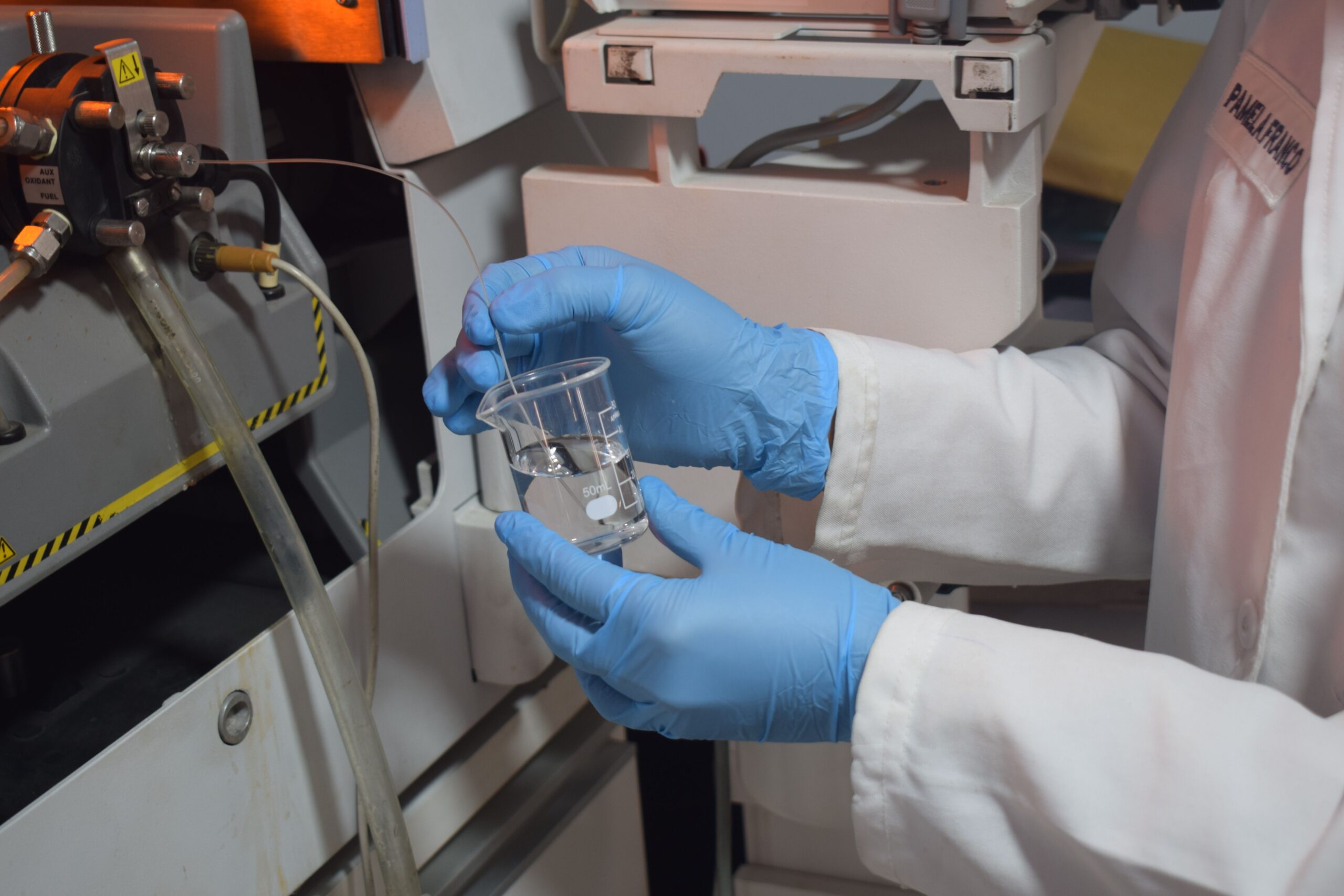
The scale usually runs from 0 to 14 in school examples, but that range is not a hard wall in all advanced chemistry. Very concentrated acids or bases can fall outside the familiar range. For most introductory and everyday uses, though, the 0-to-14 scale gives a useful map: battery acid and lemon juice fall on the acidic side, pure water sits near the middle, and substances such as baking-soda solution or household ammonia move toward the basic side.
Why the Scale Uses Logarithms
The formula behind pH is pH = -log10[H3O+]. The brackets mean concentration, and the negative logarithm turns very small hydronium concentrations into friendlier numbers. A hydronium concentration of 10^-3 moles per liter gives a pH of 3. A concentration of 10^-4 moles per liter gives a pH of 4. The written concentrations are close in appearance, but they differ by a factor of ten.
That is the key: each whole pH step represents a tenfold change in hydronium concentration. Moving from pH 5 to pH 4 means the solution has ten times as much hydronium. Moving from pH 5 to pH 3 means one hundred times as much hydronium. A two-point pH difference is not twice as acidic; it is 10 x 10, or 100 times the hydronium concentration.
Logarithmic scales are useful whenever the real values cover a wide range. Sound intensity, earthquake energy, and acidity can all vary so dramatically that ordinary counting would become awkward. pH compresses the range while keeping the chemical meaning. The price of that convenience is that readers have to remember that nearby numbers may hide large differences.
Why a One-Point Difference Can Be Large
The difference between pH 6 and pH 5 may look small on a chart. In water chemistry, it is a tenfold difference in hydronium concentration. That matters because many living systems and chemical reactions are sensitive to small-looking pH shifts. Enzymes, fish, shell-building organisms, soil microbes, and corrosion processes often respond strongly when acidity changes beyond their normal range.
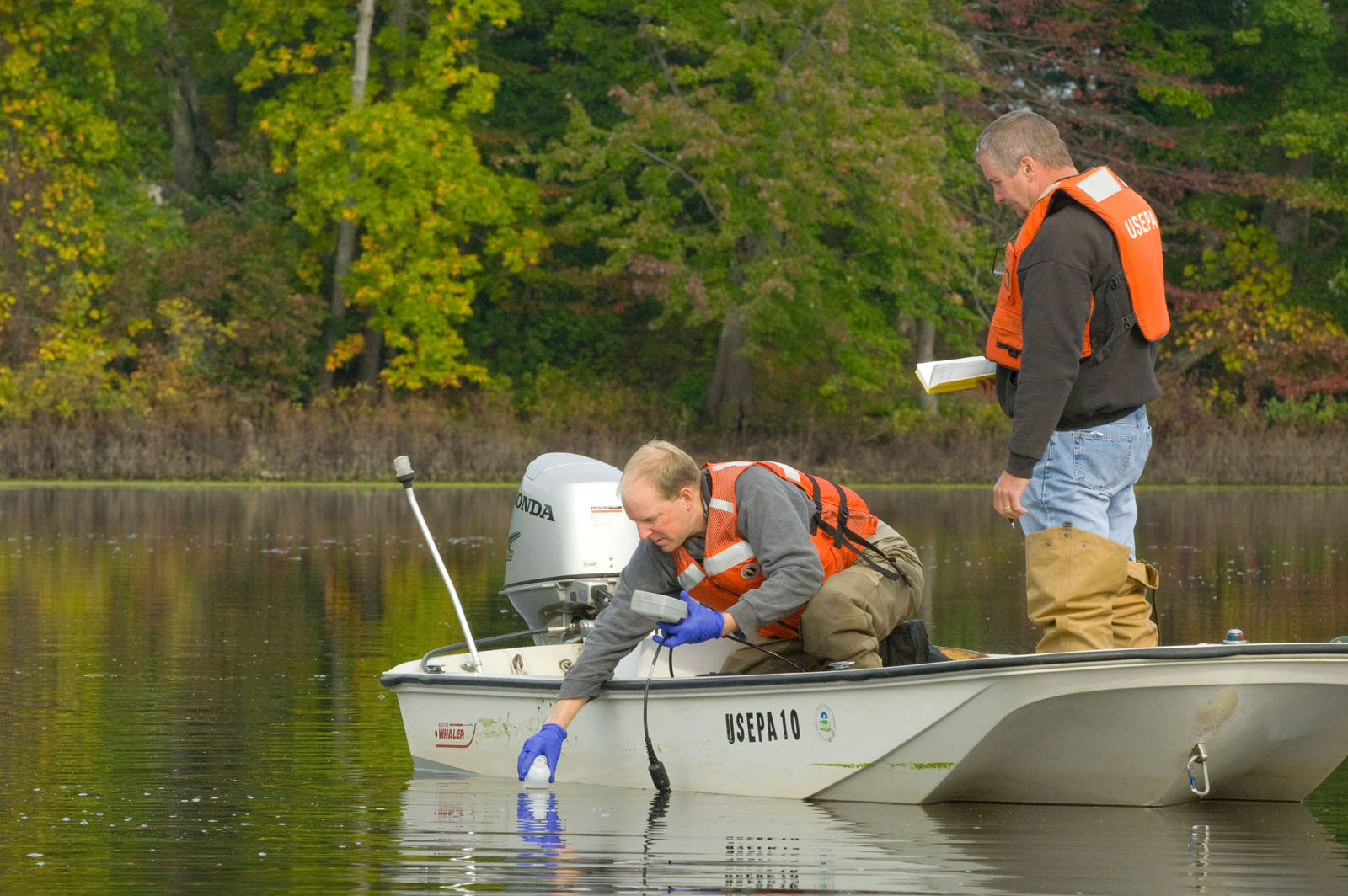
The Environmental Protection Agency notes that pH affects many chemical and biological processes in water, and that many aquatic organisms do best within a fairly limited pH range. Freshwater criteria often use ranges such as 6.5 to 9 as a general reference point, depending on the system. A stream does not need to become as acidic as vinegar before pH becomes important. A smaller change can still alter what dissolves, what precipitates, which organisms thrive, and how stressful the environment becomes.
This is also why pH is not just a school-lab number. In a pool, pH affects comfort, sanitation, and how chlorine behaves. In soil, pH affects which nutrients plants can access. In natural waters, pH helps scientists understand acid rain, mine drainage, ocean acidification, algal activity, and chemical runoff. The number is short, but it carries a lot of information.
How to Read Examples Without Getting Fooled
Suppose one sample has pH 4 and another has pH 6. It is tempting to say the first sample is two units more acidic. That wording is technically true, but it hides the real size of the change. Because each step is a factor of ten, pH 4 has 100 times the hydronium concentration of pH 6. The distance on the number line is two, but the chemical difference is much larger.
A few comparisons make the pattern clearer:
- pH 6 to pH 5: ten times more hydronium.
- pH 6 to pH 4: one hundred times more hydronium.
- pH 6 to pH 3: one thousand times more hydronium.
The same logic works in the other direction. If pH rises from 6 to 7, the hydronium concentration drops by a factor of ten. If it rises from 6 to 8, it drops by a factor of one hundred. Higher pH does not mean no acidity exists at all; it means the balance has shifted so that hydronium is much less concentrated compared with neutral or acidic solutions.
This is where the negative sign in the pH formula earns its keep. More hydronium produces a lower pH number. Less hydronium produces a higher pH number. The scale runs opposite to what many students expect at first, so it helps to connect the number to the particle picture: more H3O+ means lower pH, and less H3O+ means higher pH.
Why pH Is Useful Beyond the Lab
pH is valuable because it turns invisible chemistry into a readable signal. A clear glass of water can look normal even when its chemistry has changed. Measuring pH gives scientists, farmers, pool operators, aquarium keepers, and public-health workers a quick clue about whether a system is staying within a safe or expected range. It does not explain everything by itself, but it tells people where to look next.
OpenStax chemistry materials connect pH with the broader balance between hydronium and hydroxide ions. That balance helps explain why acids and bases react, why neutralization changes a solution, and why pOH is sometimes used alongside pH. The same basic idea also connects to titrations, buffers, antacids, ocean chemistry, and biological fluids. A single scale becomes a doorway into many parts of chemistry.
For learners, the most useful habit is to slow down whenever pH numbers are compared. Ask whether the difference is one pH unit, two pH units, or more. Then translate that difference into powers of ten. A small-looking shift may be chemically large, especially when living organisms, water quality, or sensitive reactions are involved.
The Main Idea to Remember
The pH scale is not ordinary counting. It is a logarithmic shortcut for hydronium ion concentration. A one-unit change means a tenfold change, a two-unit change means a hundredfold change, and a three-unit change means a thousandfold change. That is why pH 3 is far more acidic than pH 6, even though the numbers sit only three spaces apart.
Once that pattern clicks, pH becomes much less mysterious. The scale is compact because chemistry needs a compact way to describe tiny concentrations and huge differences. It lets a simple number carry information about acids, bases, reactions, and water quality. Reading pH well means seeing both the number on the scale and the powers of ten underneath it.




Add comment