
 Akshay Dinesh
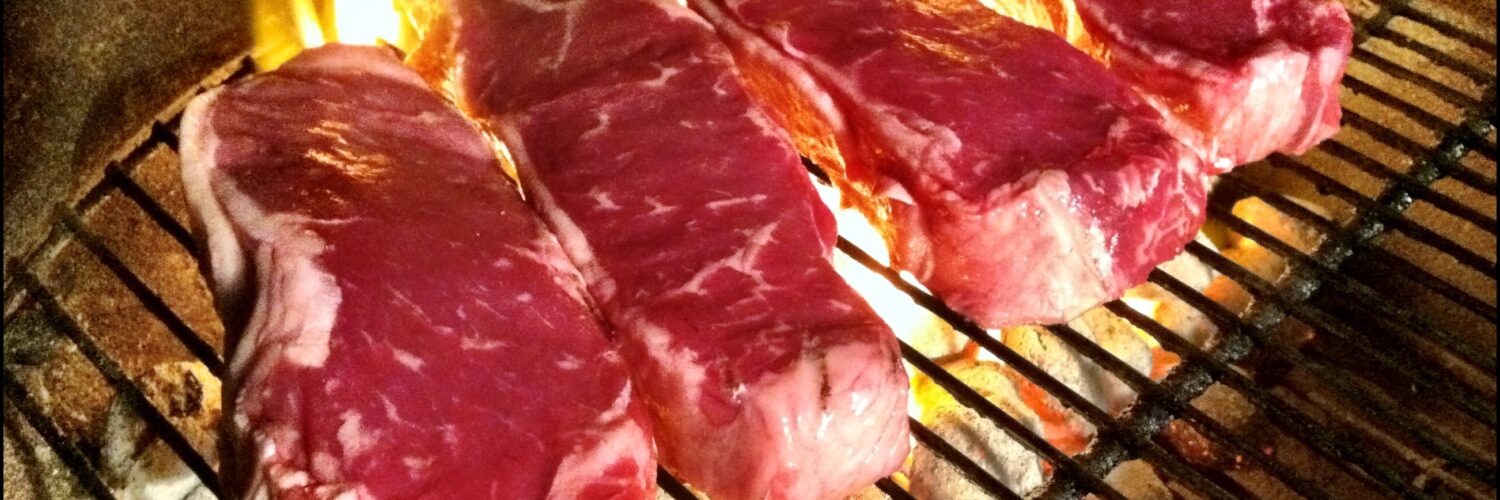
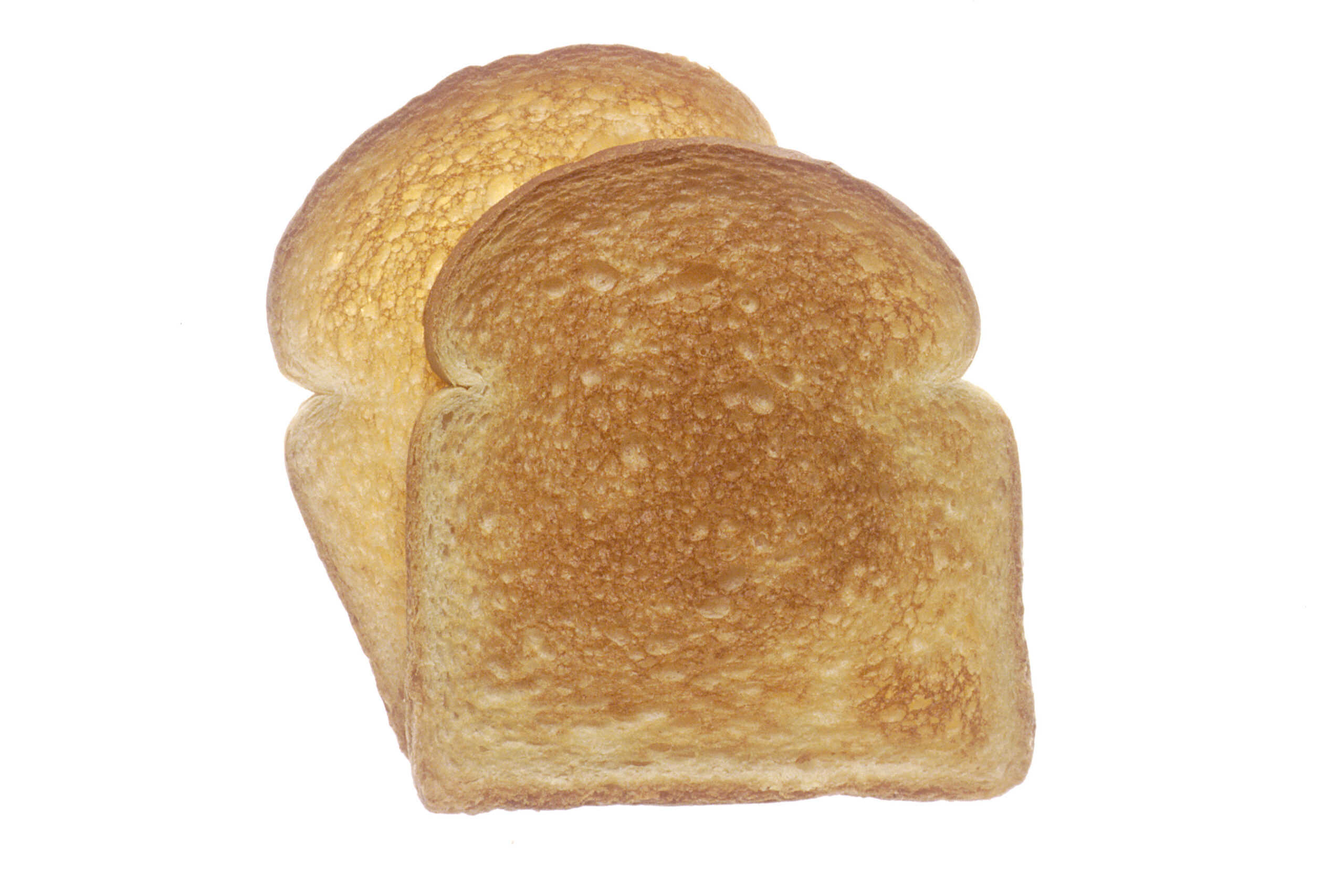
The difference between pale food and deeply browned food can feel almost magical. A slice of bread becomes toast. A plain onion turns sweet and savory. A steak, mushroom, potato, or Brussels sprout gains a browned edge that smells richer than the raw ingredient ever could. The change is not just drying, burning, or adding seasoning. Much of that new aroma and color comes from a set of chemical reactions known as the Maillard reaction.
The Maillard reaction happens when amino acids, which are the building blocks of proteins, react with certain sugars under heat. It is one reason grilled, baked, roasted, fried, and toasted foods develop complex flavors. The reaction was first described in 1912 by French chemist Louis-Camille Maillard, and food chemists later showed why it matters so much in everyday cooking. Chemical & Engineering News has described it as a foundation of modern food science because it helped explain how heat changes flavor, aroma, and color at the molecular level.
What Actually Changes When Food Browns
Raw foods already contain many flavor molecules, but heating can create new ones. In the Maillard reaction, a reducing sugar reacts with an amino group from an amino acid, peptide, or protein. That first contact begins a chain of rearrangements. The early molecules are not especially exciting to smell or taste, but they keep breaking apart and recombining into many smaller aroma compounds and larger brown pigments.
Those brown pigments are often called melanoidins. They help give browned bread crust, roasted coffee, grilled meat, baked cookies, and toasted nuts their darker color. At the same time, smaller compounds can carry roasted, nutty, malty, meaty, or bready aromas. That is why the smell of toast is not just warm bread, and the smell of roasted vegetables is not just hot vegetables. Heat has built new chemistry on the surface.
The reaction does not produce one universal flavor. Bread crust, seared meat, roasted peanuts, and baked potatoes all brown partly through Maillard chemistry, but they do not taste the same. Different foods contain different amino acids, sugars, fats, moisture levels, and minerals. A food chemist named John E. Hodge, working with the U.S. Department of Agriculture, helped describe a widely used reaction scheme in 1953, and later research showed how many paths the chemistry can take. A small change in ingredient or cooking condition can push the flavor in a different direction.
Why Dry Heat Matters So Much
The Maillard reaction needs heat, but the surface of the food matters as much as the oven, pan, or grill. Water is a quiet obstacle. As long as a wet surface is busy turning liquid water into steam, that surface struggles to climb much above the boiling point of water. Browning speeds up when the surface dries enough to get hotter.
This is why boiled foods usually stay pale. A potato simmering in water can become soft, but it will not form the same browned crust as a roasted potato. The water around it holds the cooking environment near 212 degrees Fahrenheit at ordinary pressure. A hot oven, skillet, fryer, or grill can push the outside of food much hotter once excess surface moisture has escaped.
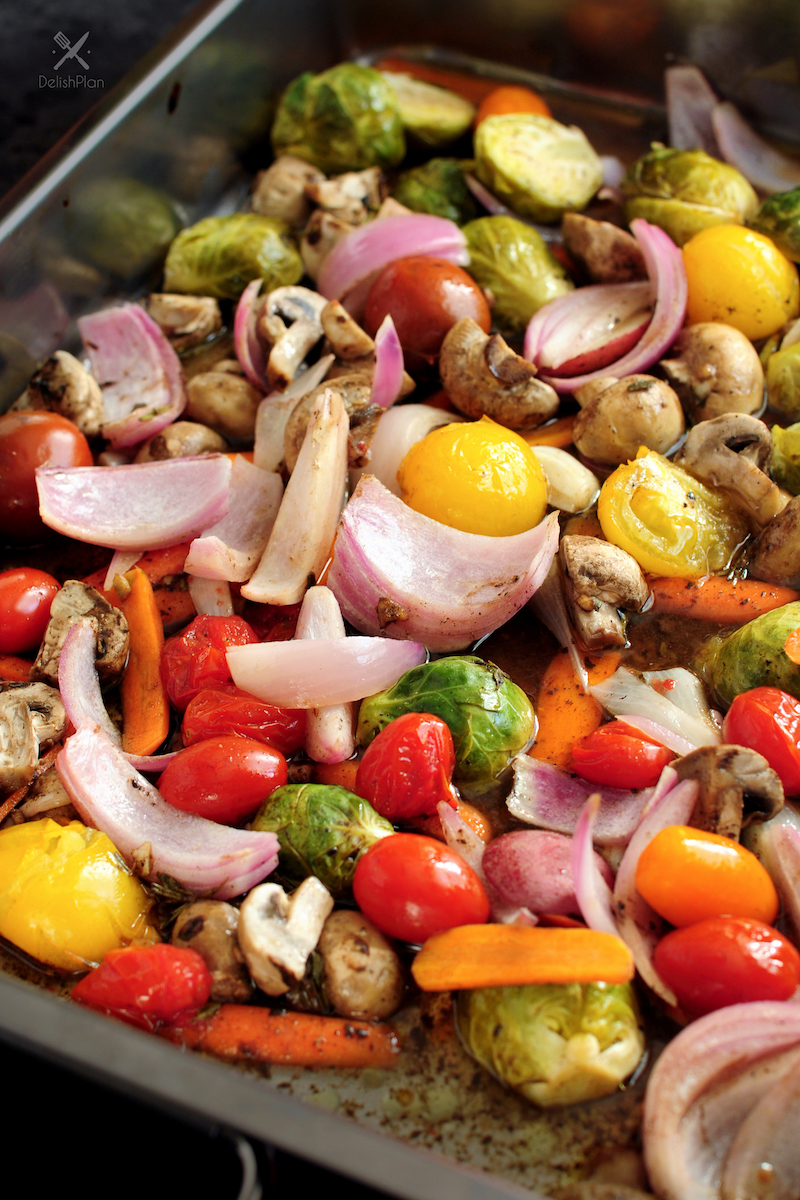
The same idea explains several familiar kitchen failures. Meat placed in a cold pan may leak moisture and turn gray before it browns. Vegetables piled too closely on a sheet pan may steam one another instead of roasting. Bread that is only warmed will stay pale, while bread that spends enough time near dry heat turns golden. Browning often begins with a simple physical step: letting water get out of the way.
That does not mean food must be completely dry inside. A good sear can happen while the center remains juicy. The key is the surface. Patting food dry, leaving space between pieces, preheating the pan, and using enough heat for evaporation all help the outer layer cross into browning conditions before the inside overcooks.
Maillard Browning Is Not the Same as Caramelization
People often use the word caramelized for anything brown and delicious, but caramelization and the Maillard reaction are different processes. Caramelization mainly involves sugars breaking down under heat. The Maillard reaction needs both amino compounds and reducing sugars. That difference matters because it explains why a steak crust, a pretzel crust, and caramel sauce do not develop flavor in the same way.
Caramelization tends to produce sweet, toffee-like, nutty, or slightly bitter notes as sugars heat and break apart. Maillard browning can lean more savory, roasted, meaty, malty, or bready because nitrogen-containing amino compounds are involved. In real cooking, both processes can happen in the same food. Onions, for example, contain sugars and amino compounds, so their deep flavor comes from overlapping browning reactions rather than one neat chemical lane.
There is also a third kind of browning that has little to do with high heat: enzymatic browning. A cut apple or banana turns brown when enzymes react with oxygen and plant compounds. Lemon juice slows that process because acid interferes with the enzyme activity. That is a different problem from getting a good crust on roasted food. The word brown describes the appearance, but the chemistry behind it changes from case to case.
Heat, Time, Moisture, and pH Shape the Flavor
The Maillard reaction is sensitive to conditions. Heat speeds it up, which is why a hot skillet can create a crust in minutes. Time also matters, which is why slow roasting can gradually deepen flavor even when the process is less dramatic than searing. Moisture controls whether the surface can get hot enough. pH, which measures acidity or alkalinity, can also shift the reaction speed.
Slightly alkaline conditions can encourage Maillard browning. Pretzels are a classic example: an alkaline bath helps produce their dark, glossy crust. Some cooks use a tiny amount of baking soda to speed browning in onions or other foods, though too much can create an unpleasant taste or texture. Acidic marinades can slow browning because acid changes how available some amino groups are for reaction.
The kind of food also matters. Meat has abundant protein, bread has starches and some protein, dairy foods contain lactose and proteins, and vegetables have their own mixtures of sugars and amino compounds. A food rich in reducing sugars may brown differently from one with mostly sucrose, which must break down before it reacts in the same way. That is why honey, milk powder, and certain marinades can change how fast a surface colors.
There is a useful limit to all of this. Brown is not the same as burned. Gentle golden browning can create desirable aroma, while heavy black charring means the food has moved into more destructive heat chemistry. At that point, pleasant roasted notes can give way to harsh, bitter flavors. FoodSafety.gov also makes a separate point that matters for grilling: color alone does not prove food is safely cooked. A browned outside may still hide an undercooked center, so foods that require safe internal temperatures should be checked with a thermometer.
Why the Same Reaction Shows Up in So Many Foods
The Maillard reaction is everywhere because amino acids and sugars are everywhere in food. Bread crust browns as dough bakes. Coffee beans darken as they roast. Milk solids brown in butter. Potatoes and onions develop deeper flavor when roasted or fried. Meat and mushrooms gain savory complexity as their surfaces dry and heat. Even foods that seem very different can share the same broad reaction family.
That shared chemistry also explains why browned food often feels more layered than pale food. A boiled onion may taste sharp and sweet. A slowly browned onion can taste sweet, savory, earthy, and almost meaty because heat has created new aroma compounds. A pale pancake may be cooked through, but a golden pancake carries a warmer flavor because its surface spent time in browning conditions.
Food scientists care about this reaction for reasons beyond home cooking. The Maillard reaction affects packaged foods, roasted coffee, chocolate, baked goods, dried milk, soy sauce, and many processed products. It can improve flavor and appearance, but it can also create unwanted compounds if heat is too intense or storage is too long. That is why researchers study how temperature, moisture, pH, ingredients, and processing time influence both good and unwanted results.
Reading Browning Like a Science Clue
Once the Maillard reaction is visible, ordinary cooking starts to look more scientific. A quiet pan with wet food is telling you that steam is stealing heat from the surface. A crowded tray of vegetables is showing why moisture cannot escape. Toast that browns unevenly is revealing uneven heat. A deep brown crust is not just decoration; it is evidence that enough heat, time, and dryness came together at the surface.
The most useful lesson is not that browned food is always better. It is that browning carries information. Pale food may need more surface heat, more time, or less moisture. Bitter black edges may mean the temperature ran too high or the food stayed under heat too long. A well-browned surface sits between those extremes, where chemical change has built flavor without crossing into burning.
That is why the Maillard reaction is such a good example of chemistry hiding in plain sight. It connects molecules to meals, laboratory history to kitchen habits, and small surface changes to the smell that tells people food is almost ready. The brown edge on toast or a roasted potato is not just a color. It is a record of heat rearranging sugar and protein into something new.



Add comment