

 Akshay Dinesh
A sunscreen label can look simple at first: one big SPF number, a few bold claims, and maybe the words broad spectrum or water resistant. But those terms are doing more work than many people realize. SPF does not tell you how many hours you can stay outside, broad spectrum does not mean the same thing as a higher SPF number, and water resistance is not a promise that sunscreen stays put all afternoon.
The chemistry matters because sunlight is not just brightness and warmth. It carries ultraviolet radiation that can damage skin before a person feels hot or uncomfortable. The Food and Drug Administration regulates sunscreens in the United States as nonprescription drug products, which means the label is supposed to communicate tested protection, not just marketing language. Reading that label well can turn a quick purchase into a better sun-protection decision.
SPF measures sunburn protection, not time outside
SPF stands for sun protection factor. In the simplest terms, it compares how much ultraviolet exposure it takes to cause sunburn on protected skin with how much exposure it takes on unprotected skin under test conditions. That is why the number is tied most closely to UVB rays, the part of ultraviolet radiation that is especially associated with sunburn.
A common misunderstanding is that SPF works like a clock. If someone burns after 20 minutes without sunscreen, it is tempting to think SPF 30 automatically means 30 times as long outside. The FDA specifically warns against reading SPF that way because sun exposure changes with the hour of the day, cloud cover, latitude, altitude, reflection from water or pavement, and how evenly the product was applied. Noon sun is not the same as late-afternoon sun, and a beach day is not the same as walking under trees.
The number still matters. A higher SPF means stronger tested sunburn protection when the product is used correctly, but it does not make sunscreen last longer on the skin. Sweat, swimming, towel drying, rubbing, missed spots, and thin application all reduce real-world protection. That is why reapplication is part of the label directions rather than an optional extra.
There is another practical detail hidden behind the testing: sunscreen is tested at a fairly generous amount. The FDA describes an average adult or child as needing at least one ounce, roughly the amount that fills a shot glass, to cover the body from head to toe. Many people use far less than that, which means the protection they actually get may be lower than the number printed on the bottle.
Broad spectrum means UVA and UVB are both part of the picture
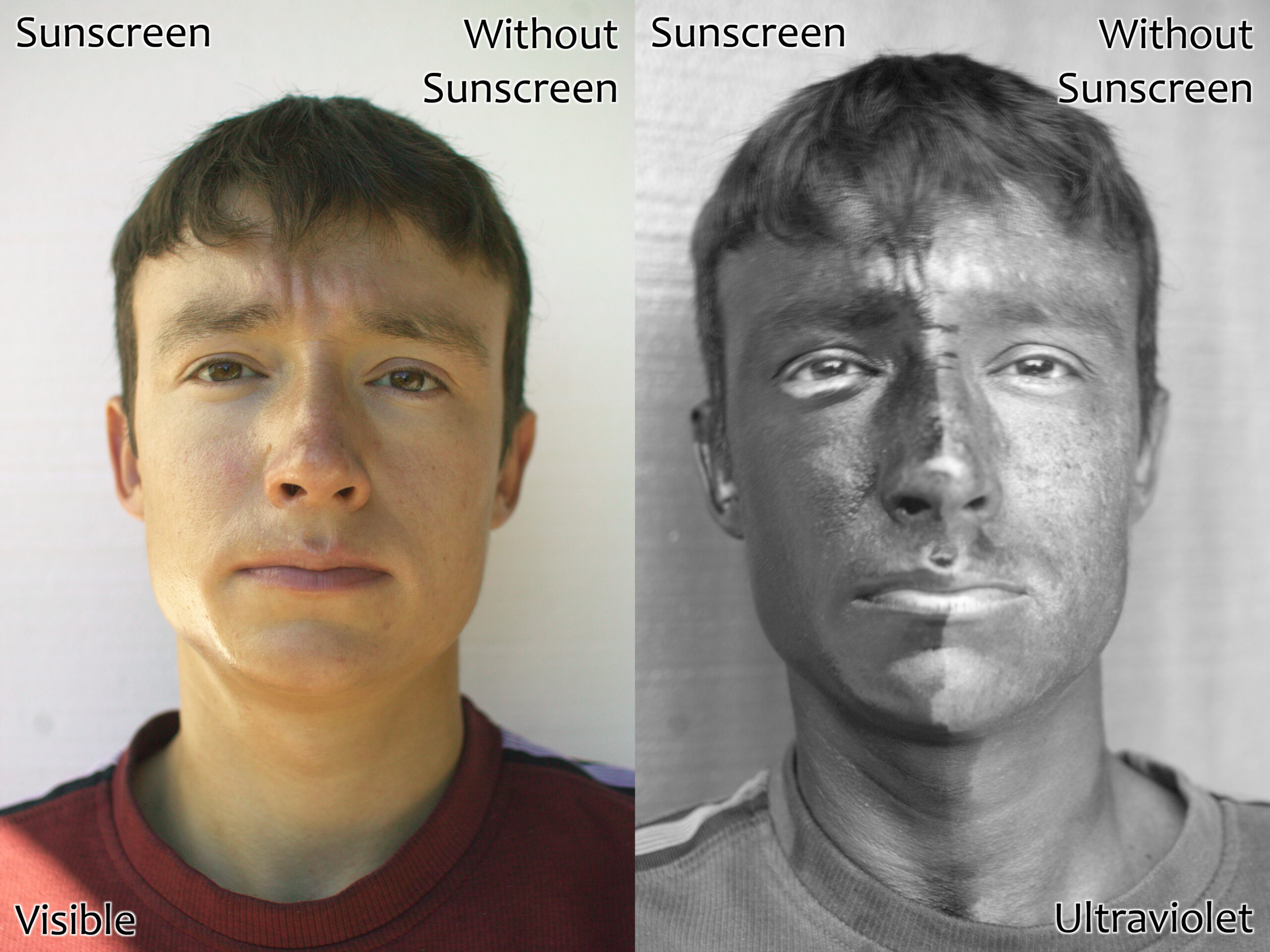
SPF is important, but it is not the whole label. Ultraviolet radiation includes both UVA and UVB. UVB is strongly linked with sunburn, while UVA penetrates more deeply into the skin and is associated with long-term skin aging and damage. A sunscreen can have an SPF number because it helps prevent sunburn, yet still may not offer the broader protection a reader might assume.
That is where broad spectrum matters. A broad-spectrum sunscreen is tested to help protect against both UVA and UVB radiation. The FDA notes that products that are not broad spectrum, or that are broad spectrum but below SPF 15, must carry a warning explaining that they have been shown only to help prevent sunburn, not skin cancer or early skin aging. That warning is easy to miss, but it is one of the most meaningful parts of the label.
The American Academy of Dermatology recommends choosing sunscreen that says broad spectrum, has SPF 30 or higher, and is water resistant when swimming or sweating is likely. That combination is not a magic shield, but it lines up the label with how people actually spend time outdoors: moving, sweating, touching their faces, going in and out of water, and forgetting small areas like ears and the backs of hands.
Broad spectrum is also a useful reminder that sunlight can affect skin even when the day does not feel brutally hot. Temperature and ultraviolet intensity are different things. A cool, breezy day can still bring strong UV exposure, especially near reflective surfaces or at higher elevations. That is why sunscreen belongs in a broader sun-protection plan, not only in the hottest part of summer.
What sunscreen ingredients are trying to do
Sunscreen ingredients work by reducing how much ultraviolet radiation reaches living skin cells. Some ingredients absorb UV energy and convert it into less harmful forms of energy, mostly heat. Mineral ingredients such as zinc oxide and titanium dioxide also scatter and reflect some light, though modern explanations usually describe their protection as a mix of absorption, scattering, and reflection rather than a simple white wall on the skin.
The active ingredients are the protective part of the formula. The other ingredients help the product spread, feel comfortable, stay mixed, resist water for a tested period, or suit a particular form such as lotion, stick, gel, or spray. This is why two sunscreens with similar SPF numbers can feel very different. One may be a thick cream, another a clear gel, and another a spray that dries quickly.
Those differences can influence whether people use enough. A sunscreen that feels unpleasant may stay in the cabinet, while one that spreads easily may be used more consistently. Still, comfort should not replace the key label checks. A nice texture does not matter much if the product is not broad spectrum, has too low an SPF for the situation, or is not used as directed.
The FDA also continues to review sunscreen active ingredients. In June 2026, the agency added bemotrizinol as a permitted active ingredient for use in sunscreens, expanding the list of ingredients manufacturers may use in products that meet U.S. requirements. That kind of update shows that sunscreen labels are part of a regulated system that changes as evidence and product technology develop.
Water resistant does not mean waterproof
The words water resistant are useful, but they are narrower than they sound. In the United States, sunscreens cannot honestly promise to be waterproof. The FDA states plainly that all sunscreens eventually wash off, and products labeled water resistant must say whether they remain effective for 40 minutes or 80 minutes while swimming or sweating.
That number is not a suggestion that the product is done forever after the time passes. It means the sunscreen met a specific test for that period under wet conditions. After swimming, heavy sweating, or towel drying, reapplication becomes especially important because the protective layer may be thinner, patchier, or partly removed. A towel can wipe away protection even if the sunscreen performed well in water.
This is why the most useful label-reading question is not just “What SPF is it?” A better set of questions is:
- Does it say broad spectrum?
- Is the SPF high enough for the planned exposure?
- Does it say water resistant if swimming or sweating is likely?
- Does the label say 40 minutes or 80 minutes?
- Are there directions about when and how much to reapply?
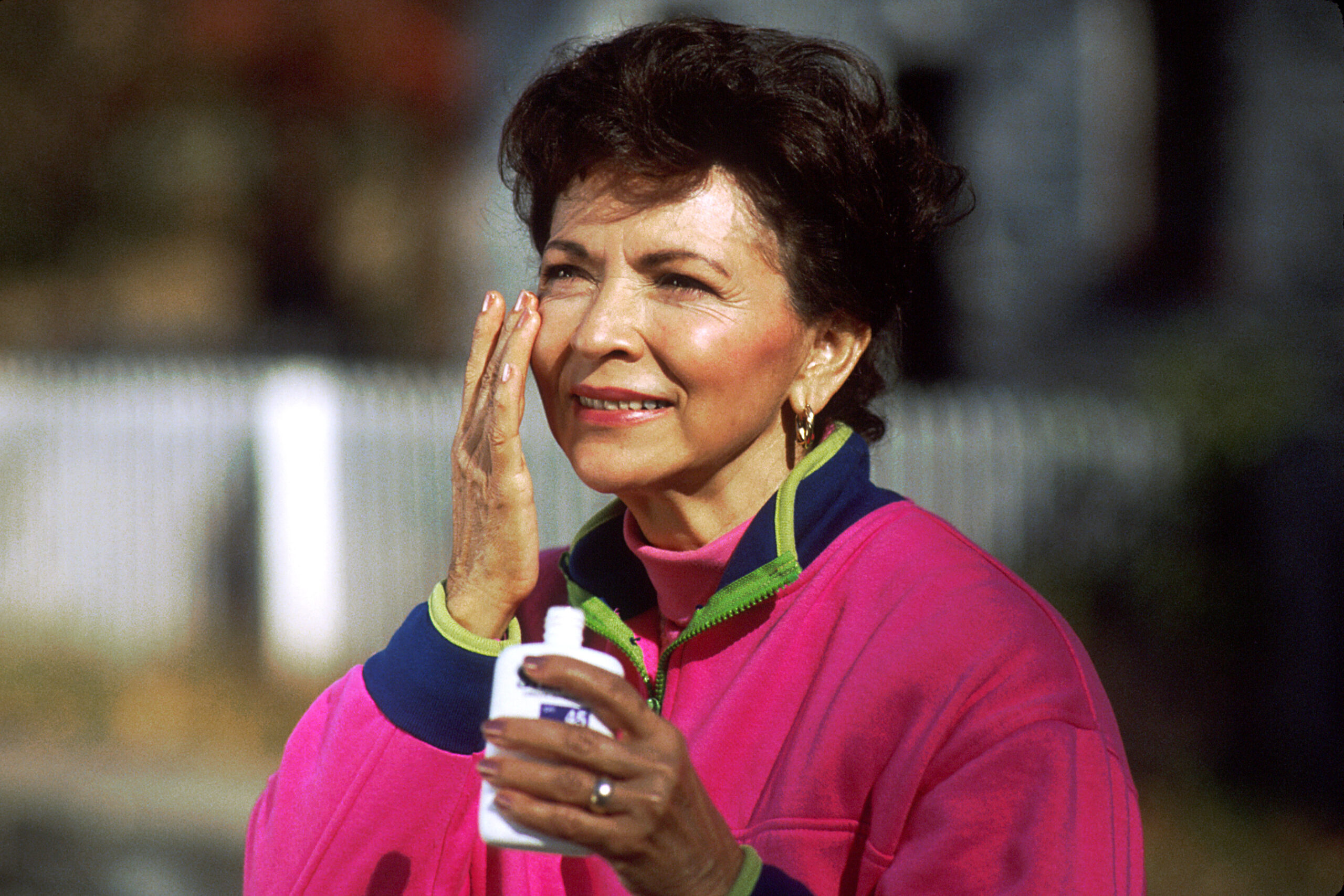
These details help turn sunscreen from a one-time morning habit into something that actually matches the day. A short walk to school, a soccer tournament, an outdoor job, and a day at the pool all put different demands on the same label.
The label works best with shade, clothing, and timing
Sunscreen is valuable, but it is not meant to carry the entire job alone. The CDC recommends using broad-spectrum sunscreen along with other protection, including shade, protective clothing, hats, and sunglasses. The FDA gives similar advice and points out that the sun’s rays are often strongest between 10 a.m. and 2 p.m. A label can help, but it cannot change the strength of the midday sun.
Thinking in layers makes sun protection more realistic. A hat protects places people often miss with sunscreen, such as the scalp and ears. A long-sleeved shirt does not need reapplication. Shade reduces direct exposure, though reflected UV can still reach the skin. Sunglasses protect the eyes and the delicate skin around them. Each layer reduces the pressure on the others.
Storage is another overlooked part of the label story. Sunscreen can sit in hot cars, beach bags, and direct sunlight for hours. The FDA says sunscreen containers should be protected from excessive heat and direct sun because heat can affect product quality. Keeping the bottle in a bag, under a towel, or in the shade is a small step, but it helps the product remain closer to what the label promises.
Expiration dates matter too. Sunscreen is a drug product in U.S. regulation, and expired products may no longer provide the expected protection. If a sunscreen has no expiration date, FDA guidance says it should be considered expired three years after purchase unless the manufacturer has shown longer stability. A forgotten bottle from several summers ago is not the best tool for a long day outdoors.
A smarter way to read the bottle
The most useful sunscreen label is not necessarily the one with the biggest number on the front. It is the one that matches the actual exposure: broad spectrum for UVA and UVB, an appropriate SPF, water resistance when water or sweat is part of the day, and directions that people are willing to follow. The label is less like a permission slip to stay outside indefinitely and more like a set of conditions for protection.
That shift makes sunscreen easier to understand. SPF tells part of the story, broad spectrum widens the story, water resistance adds a time limit for wet conditions, and reapplication keeps the protection from fading quietly. When those pieces work together with shade, clothing, and smart timing, sunscreen becomes more than a summer bottle. It becomes a practical lesson in how chemistry, sunlight, and everyday choices meet on the surface of the skin.





Add comment