

 Akshay Dinesh
A jar of sourdough starter can rise to twice its height, then sink again, even though no packaged yeast has been added. The bubbles are evidence of a living community: yeasts and lactic acid bacteria use nutrients from flour, producing gas and acids as they grow. The gas helps dough rise; the acids contribute to sourdough’s characteristic flavor.
That community is not a single ingredient with a fixed identity. Flour, temperature, water and feeding habits all influence how it behaves. Understanding those influences makes the familiar rise-and-fall cycle less mysterious and helps explain why a starter that looks lively on one day may move slowly on another.
What grows in flour and water?
Flour carries microorganisms, including wild yeasts and bacteria. Once flour is mixed with water, some of those organisms can become active and multiply. There is no need to leave a jar uncovered to catch yeast from the air: the flour already supplies microorganisms, although the surrounding environment can contribute to the community too.
As the mixture is refreshed over days, conditions change. Acids produced by lactic acid bacteria lower the pH, making the mixture less hospitable to many other organisms. A mature starter is a community shaped by repeated feeding and its increasingly acidic environment, not simply flour that has been left out. A study of sourdough starter microbiomes found considerable variation among starters, including differences in their yeasts and bacteria.
Those microbes do not all have identical jobs. Yeasts are major producers of the carbon dioxide that leavens dough; certain bacteria can produce carbon dioxide too. Lactic acid bacteria also generate acids and other compounds that influence aroma and flavor. The balance depends on the particular culture and how it is maintained, so two starters need not smell or behave exactly alike.
Why the starter rises, peaks and falls
Flour supplies starch, and enzymes help break some of it down into sugars that microbes can use. During fermentation, microorganisms convert available nutrients into products that include carbon dioxide. The gas collects in bubbles throughout the wet mixture. If the mixture can hold those bubbles, its volume increases and a line marked on the jar will show the rise.
Eventually the rise slows and reverses. Nutrients become less available, acids accumulate, and the structure holding the gas weakens. Bubbles escape or collapse, leaving streaks on the jar above the current level. A fallen starter is not automatically dead; it may simply have passed its most expanded stage and need another feeding.
A few bubbles alone do not tell the whole story. An established starter that rises predictably after feeding gives more useful evidence of leavening activity than one that produced a brief burst of bubbles. Temperature and the amount of fresh flour relative to retained starter affect the timing, so a recipe’s clock is a guide, not a universal deadline.
Why feeding and discarding work together
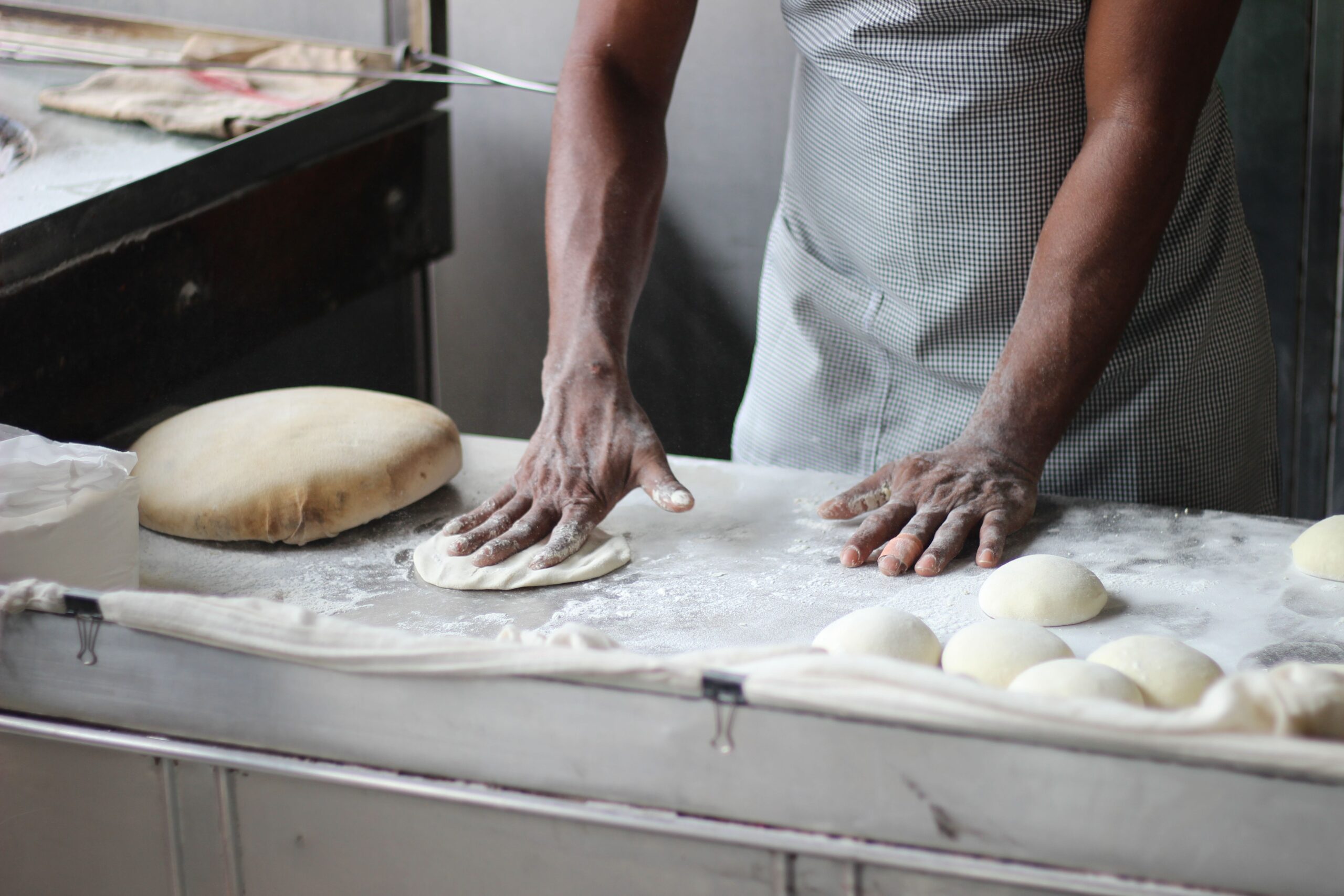
Feeding adds fresh flour and water. Keeping a portion of the old mixture carries the established community into that new food supply, a process often called backslopping. Removing some first controls the amount in the jar and changes the proportion of old, acidic starter to fresh flour. Without removal, maintaining a generous feeding ratio would require rapidly increasing quantities of flour and a much larger container.
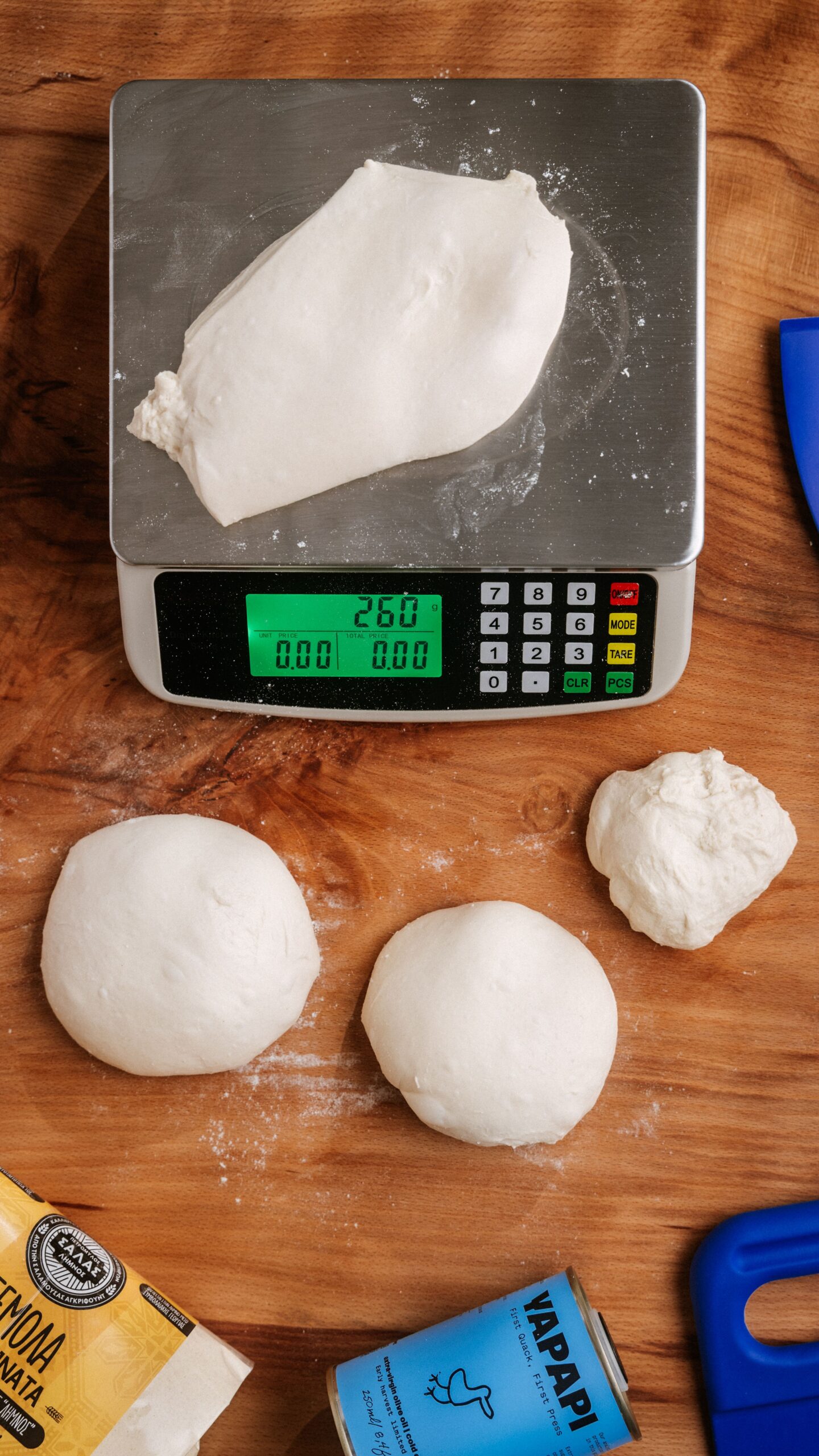
For example, keeping 20 grams of starter and adding 40 grams each of flour and water is a 1:2:2 feeding by weight. The final mixture weighs 100 grams. That ratio is one possible routine, not a requirement for every starter. A different ratio or warmer room can change how quickly the culture reaches its peak, so observe the pattern across several feedings before changing everything at once.
Refrigeration slows activity and can lengthen the interval between feedings once the culture is established. Cold does not eliminate the need for care, and a refrigerated starter may need feeding and time at room temperature before it is active enough for a particular recipe. Colorado State University Extension’s starter guidance explains feeding, storage and signs of contamination.
From a jar of starter to a loaf
When active starter is mixed into bread dough, it brings its microorganisms into a much larger supply of flour and water. Fermentation continues, and gas expands the dough. In wheat dough, the protein network commonly called gluten helps retain that gas. Mixing, folding, hydration and fermentation time all influence how well the dough holds its shape; a vigorous starter cannot compensate for every problem in the dough.
The acids formed during fermentation contribute tartness, but “sourdough” does not guarantee a sharply sour loaf. The culture, ingredients and process all affect the result. A longer fermentation or a warmer kitchen can change the balance of activity, but neither provides a simple guarantee of a particular flavor. The dough itself is a better guide than the jar alone: look for the changes in volume and texture described by a reliable recipe.
Baking expands gases and water vapor as the loaf heats, then sets its structure. The finished crumb preserves some of the spaces created during fermentation. Unlike the raw starter, baked bread has been heated; a starter should never be tasted raw.
Read the signs without guessing about safety
A pleasantly tangy smell and visible bubbles are normal signs of an active starter, but appearance and smell cannot prove that any raw food is safe. Clean utensils and containers, regular feeding and a loosely fitted cover are sensible starting points. A cover protects the mixture while allowing fermentation gas to escape.
Discard the whole starter if you see mold or unusual pink or orange discoloration, and clean the container before starting again. A thin liquid layer with an alcohol-like smell can occur in a neglected starter and is not the same thing as visible mold, according to Colorado State University Extension. When the signs are uncertain, do not scrape off a suspicious patch and continue using the rest. Raw flour can carry harmful germs, so avoid tasting the mixture and wash hands and surfaces after handling it.
The jar’s changing level is a useful record of fermentation, not a pass-or-fail test. With consistent feeding and a little observation, the rise, peak and fall reveal how a small culture turns ordinary flour and water into a powerful leaven for bread.




Add comment