
 Akshay Dinesh
A monsoon is often pictured as heavy rain, but rain is only the most visible part of a much larger seasonal pattern. At its core, a monsoon is a change in the direction of winds as land and nearby oceans warm and cool at different speeds. When that wind shift pulls moist air inland, clouds can build day after day and a dry season can turn into a rainy one.
That is why monsoons matter far beyond a weather forecast. They help fill reservoirs, support crops, cool overheated landscapes, and recharge rivers and groundwater. They can also bring flash floods, landslides, travel delays, and dangerous lightning. Understanding a monsoon means looking at wind, heat, moisture, terrain, and timing all at once.
A monsoon is a seasonal wind pattern, not just a rainstorm
NOAA’s National Environmental Satellite, Data, and Information Service defines a monsoon as a shift in winds that often causes a rainy season or a dry season. That wording matters because a monsoon is not one storm moving across a map. It is a seasonal rearrangement of air flow, usually tied to the way land and ocean trade heat through the year.
Land heats up faster than water when stronger summer sunlight arrives. Warm air over land rises, creating lower pressure near the surface. Air from surrounding seas then moves toward that lower pressure, carrying water vapor picked up from warm ocean surfaces. When the moist air reaches land, rises, and cools, the water vapor condenses into clouds and rain.
The opposite pattern can happen during cooler months. Land loses heat faster than the ocean, so winds may reverse and blow drier air from land toward the sea. In South Asia, this seasonal flip helps explain why the summer monsoon is wet while the winter monsoon is often much drier over many inland areas.
Why warm land pulls moist air inland
The basic engine begins with unequal heating. A continent does not warm like an ocean. Soil, rock, city pavement, and dry plains can heat quickly, while the ocean absorbs and mixes heat through a deeper layer of water. By early summer, that contrast can create a pressure difference large enough to reorganize regional winds.
Once the winds shift, the water cycle becomes part of the pattern. Evaporation over warm seas loads the air with moisture. The wind carries that moisture toward land. Rising air cools, and cooler air cannot hold as much water vapor, so droplets form. Those droplets grow into clouds, showers, and sometimes strong thunderstorms.
Mountains can make the process stronger. When moist air is forced up a slope, it cools more quickly and can drop heavy rain on the windward side. The Indian monsoon is especially powerful partly because of the geography around the Indian Ocean and the high terrain to the north, including the Tibetan Plateau. The National Weather Service notes that large elevated landmasses can strengthen the temperature and pressure contrasts that support major monsoon systems.
That does not mean every monsoon day is rainy everywhere. Rain arrives in bursts, bands, breaks, and local storms. A place can be inside a monsoon season and still have dry hours or dry days. The seasonal wind pattern raises the odds of moisture and rain, but local weather still depends on daily changes in pressure, wind, terrain, and storm development.
Where monsoons shape daily life
The South Asian monsoon is the best-known example because it affects hundreds of millions of people and a large share of the world’s agriculture. In India, the southwest monsoon typically begins near the southern state of Kerala and then advances across the country in stages. The India Meteorological Department tracks that advance closely because farmers, water managers, transportation planners, and local governments all depend on the timing and strength of the rains.
In June 2026, IMD monsoon updates were already tracking the southwest monsoon’s progress into parts of eastern India, including areas of West Bengal and Bihar. That kind of daily monitoring shows how a monsoon is both a broad climate pattern and a practical public concern. A delayed or uneven advance can affect planting decisions, while a sudden burst of heavy rain can create flood and landslide risk.
Monsoons also occur outside Asia. The North American monsoon affects northwestern Mexico and parts of the U.S. Southwest, including Arizona and New Mexico. NOAA explains that the region’s usual dry westerly winds can give way in summer to southerly winds that bring moisture from the Pacific Ocean and the Gulf of California. The result is a sharp seasonal increase in thunderstorms, especially from July into September.
Why monsoon rain can help and harm at the same time
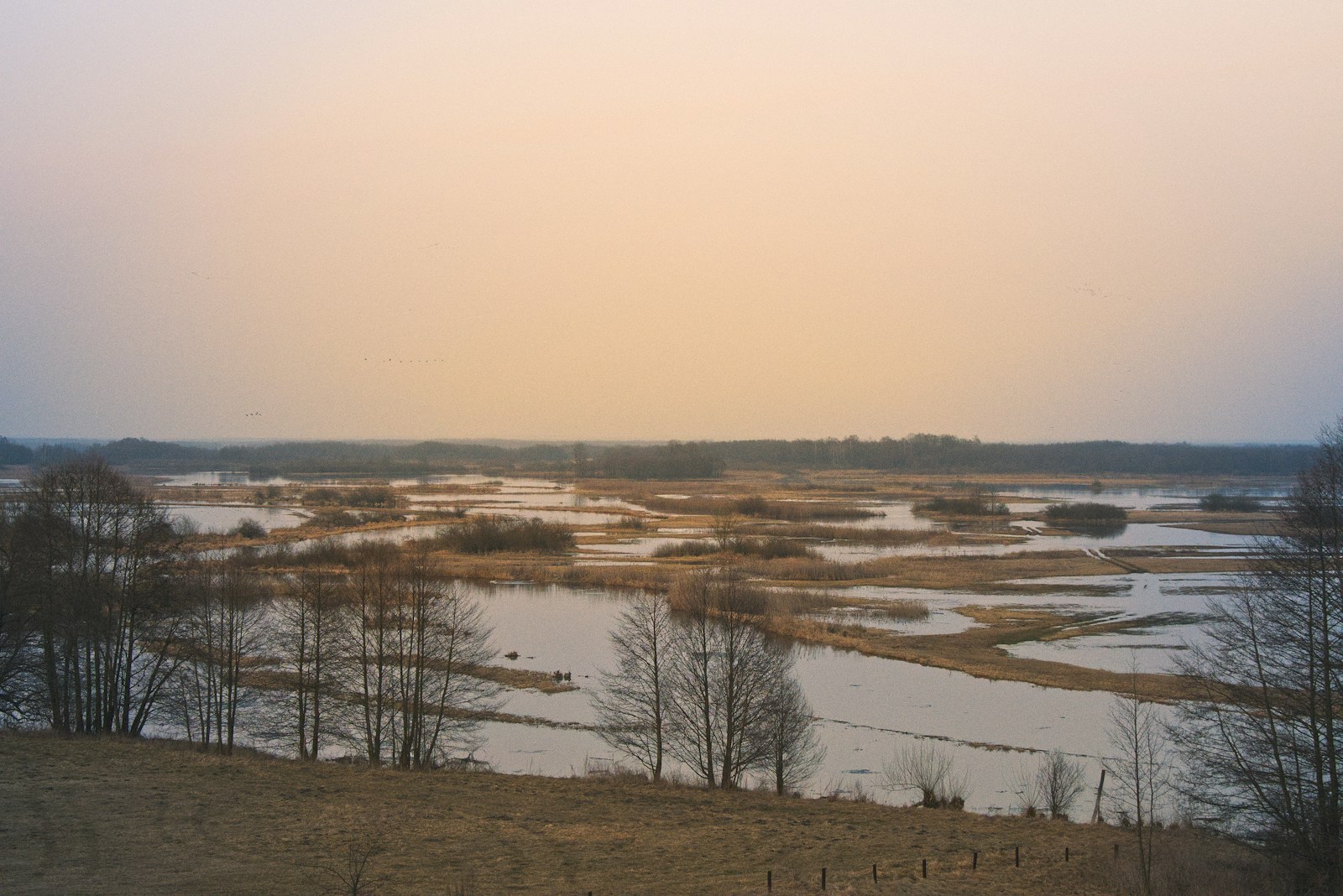
Monsoon rain can be a lifeline. Reservoirs refill, wells recover, rivers rise, and soil moisture improves after dry months. The UCAR Center for Science Education notes that monsoon rains can support hydropower by filling reservoirs that later release water through turbines. In farming regions, the arrival of reliable rain can decide when fields are planted and how well crops begin the season.
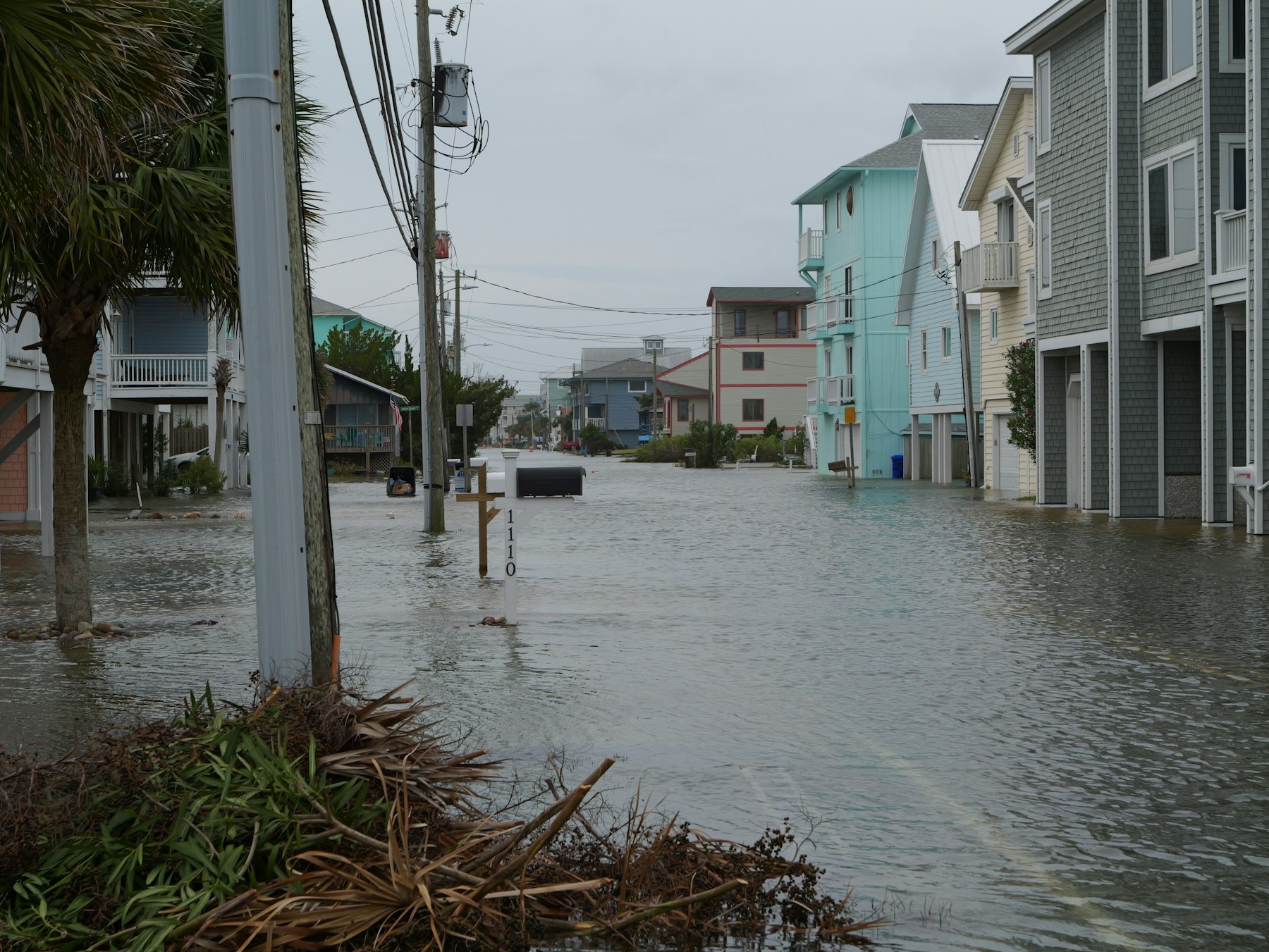
The same rain can become dangerous when it falls too fast or lands on steep slopes, saturated soil, or crowded cities. Monsoon thunderstorms can produce intense downpours in a short time, overwhelming drains and small streams. Dry ground can be surprisingly poor at absorbing sudden rain, especially after heat has hardened the surface. In mountainous areas, heavy bursts of rain can loosen soil and trigger landslides.
Urban landscapes add another complication. Roads, rooftops, parking lots, and compacted ground stop water from soaking in. When a strong monsoon storm hits a city, water can rush across hard surfaces into underpasses, low streets, and drainage channels. A storm that would be manageable over open land can become a flash-flood problem in a built environment.
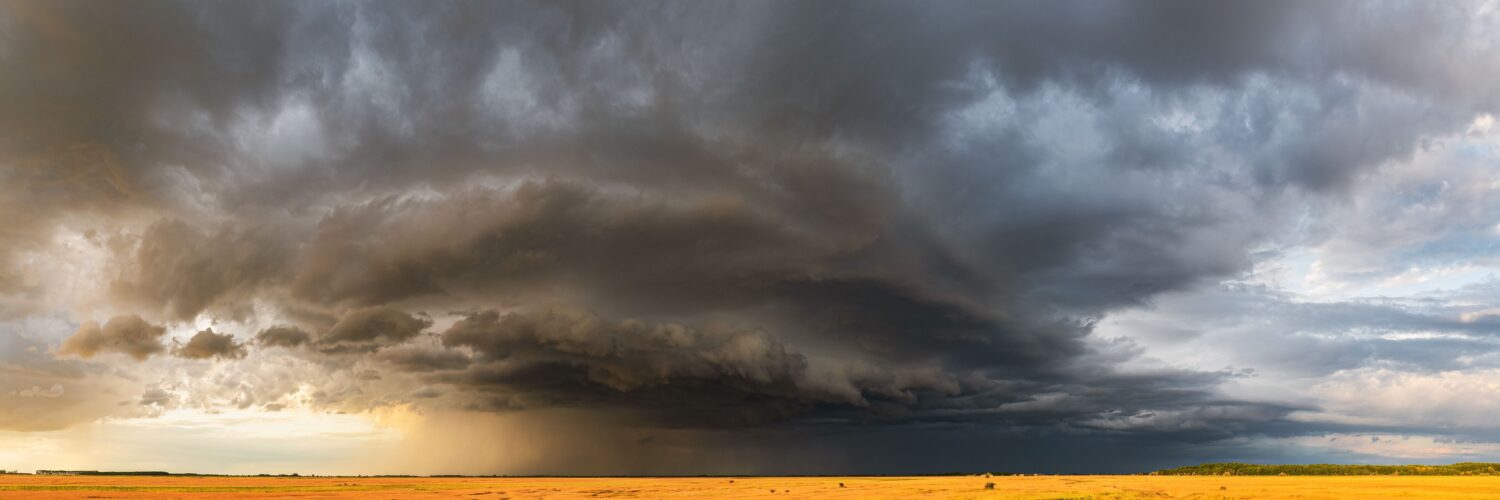
Lightning and dust can also be part of the season. In the U.S. Southwest, monsoon thunderstorms may bring powerful outflow winds that lift dust into walls of low visibility. In other regions, the first storms after a dry spell can be intense because heat, instability, and moisture meet suddenly. The useful rain is real, but so are the hazards that come with concentrated energy in the atmosphere.
How forecasters watch a monsoon build
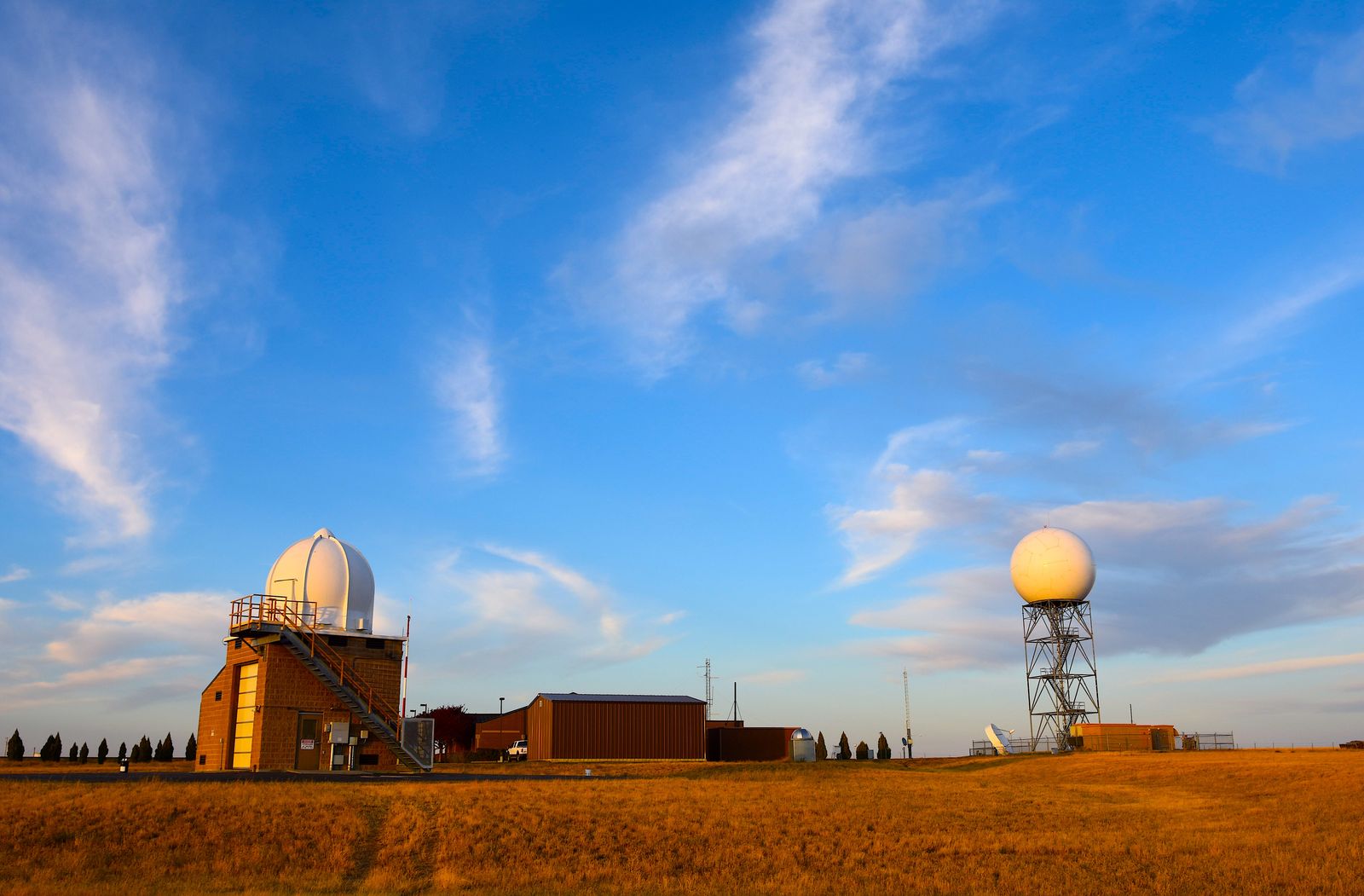
Forecasters do not watch monsoons by looking for one single signal. They study wind direction, pressure patterns, humidity, sea-surface temperatures, satellite water-vapor imagery, radar, and rainfall measurements. Satellites are especially useful because they show moisture moving across large regions before rain reaches the ground.
NOAA’s monsoon education materials point to the role of GOES weather satellites in tracking water vapor moving into the U.S. Southwest. That is important because the visible storm often appears late in the process. Moisture transport, upper-level winds, and daytime heating may already be setting up thunderstorms hours before rain begins.
Forecasting the strength of a monsoon season is harder than explaining the basic mechanism. Large-scale patterns such as El Nino or La Nina can tilt the odds, but they do not control every local outcome. A season can be below normal in one region and dangerously wet in another. Even within a strong monsoon, long dry breaks can interrupt the rains.
Reading a monsoon forecast with care
A good monsoon forecast is not just a yes-or-no answer about rain. It is a guide to timing, location, intensity, and risk. A forecast may say that monsoon moisture is increasing, but that does not mean every neighborhood will get rain. It may also warn of heavy rainfall, but the worst flooding may depend on where storms stall, how wet the soil already is, and whether drainage systems can keep up.
For learners, the most useful mental picture is a seasonal breathing pattern between land and sea. In summer, hot land helps draw moist air inward. In winter, the contrast often weakens or reverses. The rain that people notice at street level begins with that larger movement of heat and air.
Monsoons show why weather is never only about what falls from the sky. A rainy season can be shaped by ocean temperatures, mountain ranges, farm calendars, city pavement, satellite observations, and public safety decisions. The same pattern that brings water to fields and reservoirs can also test roads, hillsides, and communities. That tension is what makes monsoons so important: they are both a climate rhythm and a daily human event.




Add comment