 Akshay Dinesh
The Harvest Moon is not brighter, larger, or closer to Earth simply because it has a famous name. Its real trick is timing. Around the start of autumn in the Northern Hemisphere, the full Moon can rise near sunset for several evenings in a row, giving the impression of a string of bright early-evening moons rather than one ordinary full Moon followed by later and later moonrises. That timing mattered before electric lighting, when extra moonlight after sunset could stretch the workday during harvest season. It still matters now because it turns a familiar full Moon into a visible example of how Earth’s tilt, the Moon’s orbit, and the horizon work together.
The Harvest Moon Is Tied to the September Equinox
The Harvest Moon is the full Moon closest to the September equinox, the point in the year when the Sun crosses the celestial equator and day and night are roughly balanced in many places. In 2026, the Harvest Moon falls on September 26 for New York time, according to Timeanddate’s lunar calendar. That is only a few days after the September equinox, which makes it the full Moon most closely connected with the beginning of Northern Hemisphere autumn.
That definition is more precise than the usual shortcut of calling it “the September full Moon.” Most years, the Harvest Moon does happen in September, but not always. If the October full Moon is closer to the equinox than the September one, October gets the name instead. The name follows the equinox, not the calendar page.
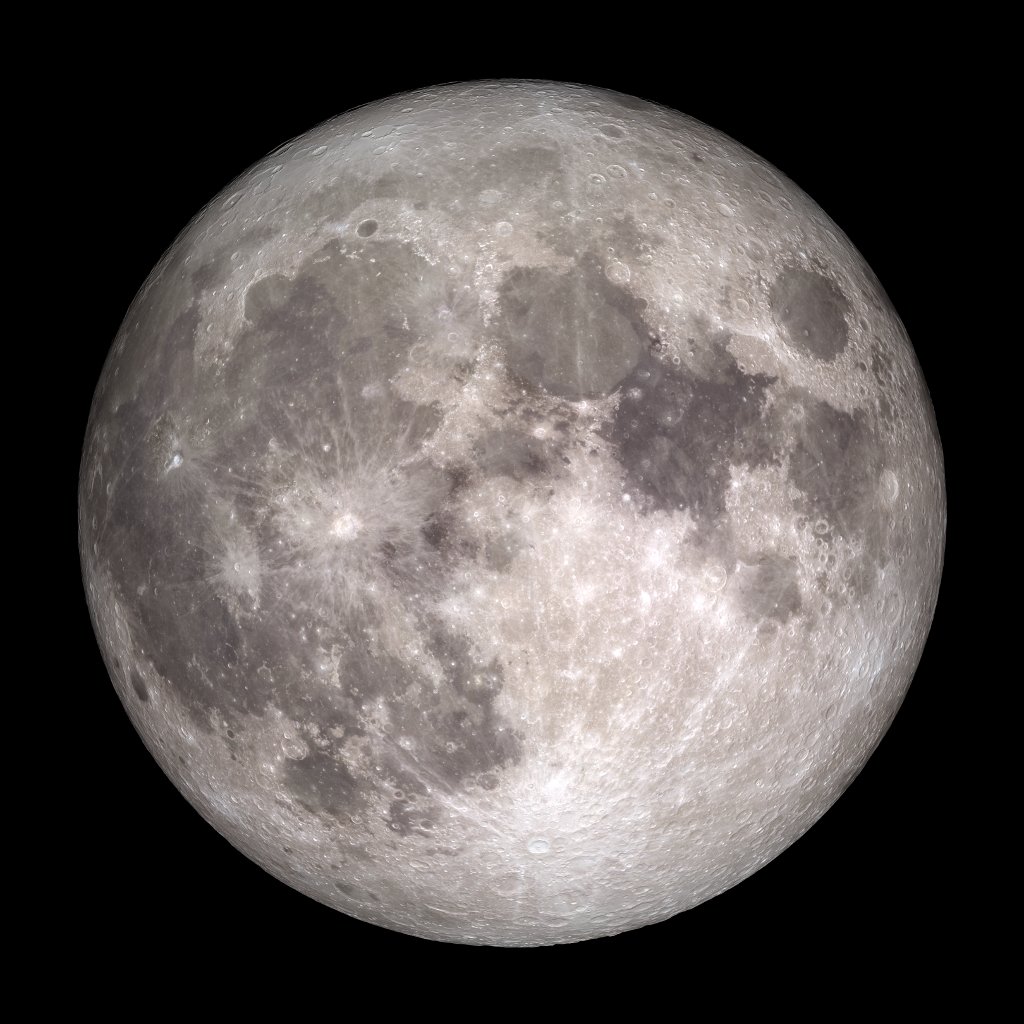
Like every full Moon, the Harvest Moon appears full because the Moon is on the opposite side of Earth from the Sun. Sunlight falls on the face of the Moon that points toward us, so the disk looks round and bright. NASA’s Scientific Visualization Studio describes the simple observing pattern this way: a full Moon rises around sunset, reaches its highest point near midnight, and sets around sunrise. That is true for full Moons in general, but the Harvest Moon adds an extra pattern that most full Moons do not make so obvious.
Most Moonrises Drift Later Each Night
On an average night-to-night basis, the Moon rises about 50 minutes later each day. The reason is orbital motion. As Earth rotates, the Moon is also moving eastward in its orbit, so Earth has to turn a little farther before the Moon appears above the same horizon again. That extra turning takes time, which is why moonrise does not happen at the same clock time every night.
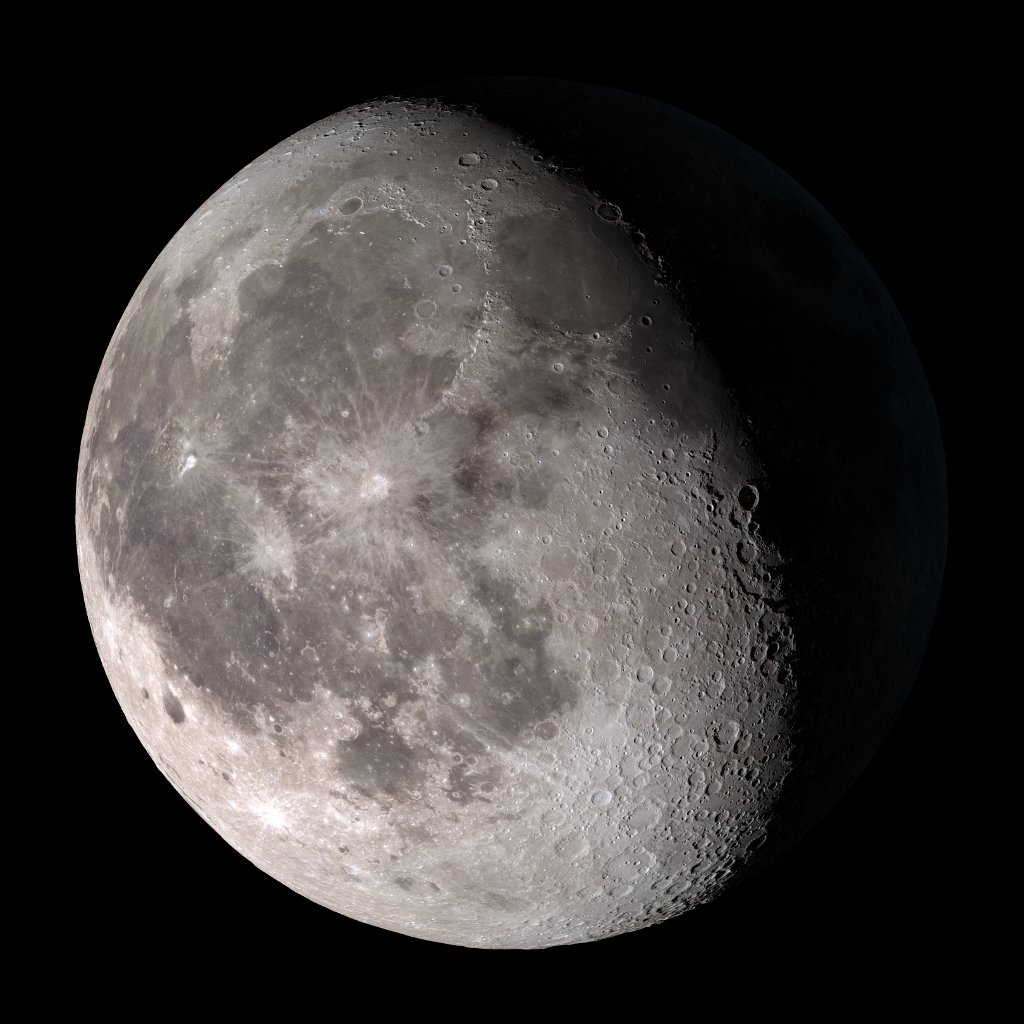
You can see the effect by watching the Moon over several evenings. A first quarter Moon is high in the sky around sunset. A full Moon rises near sunset. A waning gibbous Moon rises after sunset, then later after that, until the Moon eventually becomes a late-night and morning object. The whole pattern is a monthly clock, but it is not a clock that keeps the same hour from day to day.
That average delay is why most full Moons do not create several evenings of early moonlight. If tonight’s full Moon rises at 7:15 p.m., tomorrow’s moonrise might be closer to 8:05 p.m., and the next one closer to 8:55 p.m., depending on the location and season. By then, the extra moonlight no longer arrives right after sunset. It belongs more to the night than to twilight.
Autumn Changes the Moon’s Path Near the Horizon
The Harvest Moon behaves differently because of the angle at which the Moon’s path meets the eastern horizon on autumn evenings. The Moon travels near the ecliptic, the same broad path followed by the Sun and planets across the sky. Near the September equinox in the Northern Hemisphere, that path sits at a shallow angle to the horizon during the evening hours.
A shallow path changes how quickly the Moon climbs into view from one evening to the next. The Moon is still moving eastward in its orbit. Nothing magical happens to its speed. But because its path lies more nearly along the horizon, much of that eastward shift does not push moonrise far later on the clock. Instead, the Moon’s position changes in a way that keeps it rising at roughly similar evening times for several nights.
This is the heart of the Harvest Moon effect. The Moon is not stuck in place, and the full phase does not last for several nights in the strict astronomical sense. The disk simply remains nearly full to the eye, while moonrise times are unusually close together. Timeanddate gives a helpful example: around the Harvest Moon, the delay between moonrises can be much less than the usual 50 minutes, with about 25 minutes per day near New York and even shorter gaps at higher northern latitudes such as Edinburgh.
Latitude matters because the horizon is local. The same Moon is moving through the same sky, but observers in different places see that path meet their horizon at different angles. That is why the Harvest Moon effect can feel especially strong in some northern locations and less dramatic closer to the tropics. The phrase names one full Moon, but the experience depends partly on where a person is standing.
The “Extra Light” Was Really Better Timing
The old agricultural meaning of the Harvest Moon makes more sense once the timing is clear. The Moon was not providing a new kind of light. It was providing light at a useful hour. When the full Moon and the evenings immediately after it rise close to sunset, there is less dark gap between the end of daylight and the arrival of moonlight.
Before electric lights were common, that mattered. A field that became too dark soon after sunset could gain a usable stretch of visibility when a bright Moon rose during twilight. The name “Harvest Moon” reflects that practical value: a full Moon near the harvest season that helped people keep working after the Sun went down. NASA’s Space Place gives the same basic historical reason, connecting the name to the time before electricity when farmers depended on moonlight during large fall harvests.
It is easy to turn that story into folklore and stop there, but the astronomy is what makes the folklore last. The September equinox places the Sun, the full Moon, Earth’s tilt, and the evening horizon in a geometry that produces repeated early moonrises. The name survived because people could notice the pattern directly, year after year, without needing a telescope or a table of numbers.
Why the Moon Can Look Orange or Huge
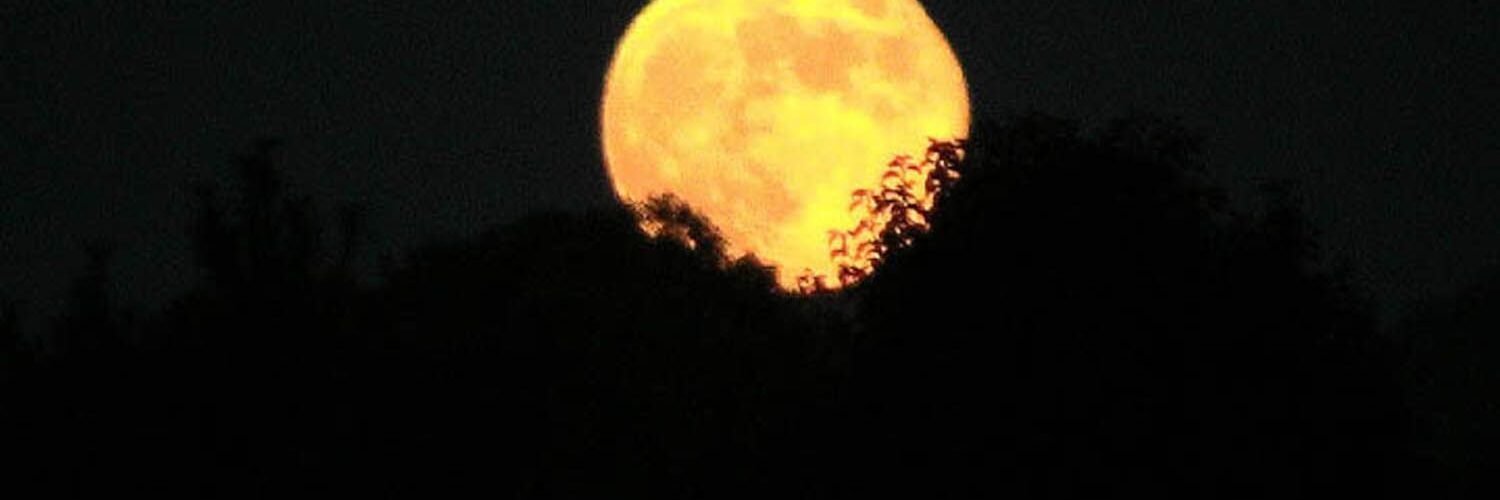
Many people remember the Harvest Moon as orange, gold, or unusually large. Those impressions are real observations, but they are not what defines the Harvest Moon. They come from other effects that often happen when the Moon is low in the sky.
A low Moon is seen through more of Earth’s atmosphere than a Moon high overhead. Shorter blue wavelengths scatter more strongly, while more red and orange light can reach the eye, so the Moon may look warmer in color near the horizon. Dust, smoke, humidity, or haze can deepen the color, which is why a rising full Moon may look especially dramatic in late summer or early fall.
The large-looking Moon near the horizon is a separate perception effect often called the Moon illusion. The Moon is not actually swelling as it rises. Its physical size in the sky changes only slightly with distance, and that change is not what makes the low Moon look so striking. Near trees, buildings, hills, or distant fields, the brain reads the Moon in relation to familiar objects, which can make it appear larger than it does when it floats higher in an empty sky.
Those visual effects can make the Harvest Moon memorable, but they can also blur the main idea. The Harvest Moon is not special because it is always orange or always enormous. It is special because, near the September equinox, the Moon’s evening path causes successive moonrises to bunch closer together than usual.
How to Watch the Pattern
The best way to understand the Harvest Moon is to watch more than one night. Pick an open eastern horizon if possible: a park, field, waterfront, hill, or street with a clear view can work. Note when the Moon first appears on the full Moon night, then check again the next evening and the evening after that. The times will still shift, but the delay may be surprisingly small compared with other parts of the year.
For the 2026 Harvest Moon, the full phase arrives on September 26 in New York time. The most interesting observing window is not only that one date, but the evenings around it, when the nearly full Moon rises close to sunset. Local moonrise times vary by location, so a local almanac or astronomy app can give the most accurate clock times. The larger lesson does not require perfect timing: the pattern is visible when the eastern horizon is clear and clouds stay away.
Watching the Harvest Moon also makes a useful habit of separating appearance from cause. The warm color comes from low-angle atmosphere. The big look comes from perception near the horizon. The repeated early evening moonrises come from the seasonal angle of the Moon’s path. Put together, those effects make one of the easiest sky patterns to notice with the naked eye: a full Moon that seems to return at just the right time, evening after evening, as summer gives way to autumn.