 Akshay Dinesh
A mini fridge looks like one of the simplest dorm-room appliances: plug it in, turn the dial, and wait for drinks or leftovers to get cold. The physics is less obvious. A refrigerator does not create cold the way a lamp creates light. It moves heat from inside the cabinet to the room outside, which means the space around the fridge matters almost as much as the space inside it.
That small distinction explains many of the annoyances people notice with compact refrigerators. A mini fridge may run loudly, build frost, chill unevenly, warm up after being packed too tightly, or struggle when it is wedged under a desk with books, boxes, or bedding pressed around it. Those problems are not random. They happen when heat has a hard time leaving, air has a hard time circulating, or the thermostat setting is treated as a guess instead of something to check.
A fridge is a heat mover, not a cold maker
The inside of a refrigerator feels cold because heat is being pulled out of the food, shelves, and air. In most compact refrigerators, a refrigerant moves through a closed loop. It absorbs heat from inside the fridge, carries that energy through the system, and releases it outside the cabinet. The compressor, coils, and expansion point all help the refrigerant change pressure and temperature at the right moments.
The easiest way to picture this is to think about two sides of the same job. Inside the fridge, heat needs a place to go. Outside the fridge, that heat needs room to escape into the surrounding air. If the outside air around the appliance is already warm or trapped in a tight space, the fridge has to work harder to push heat out.
This is why the back, sides, or bottom of a compact refrigerator can feel warm while the inside feels cold. The warmth is not a defect by itself. It is evidence that heat removed from the cabinet is being dumped into the room. A working refrigerator always has a warm side somewhere.
Why airflow around the fridge matters
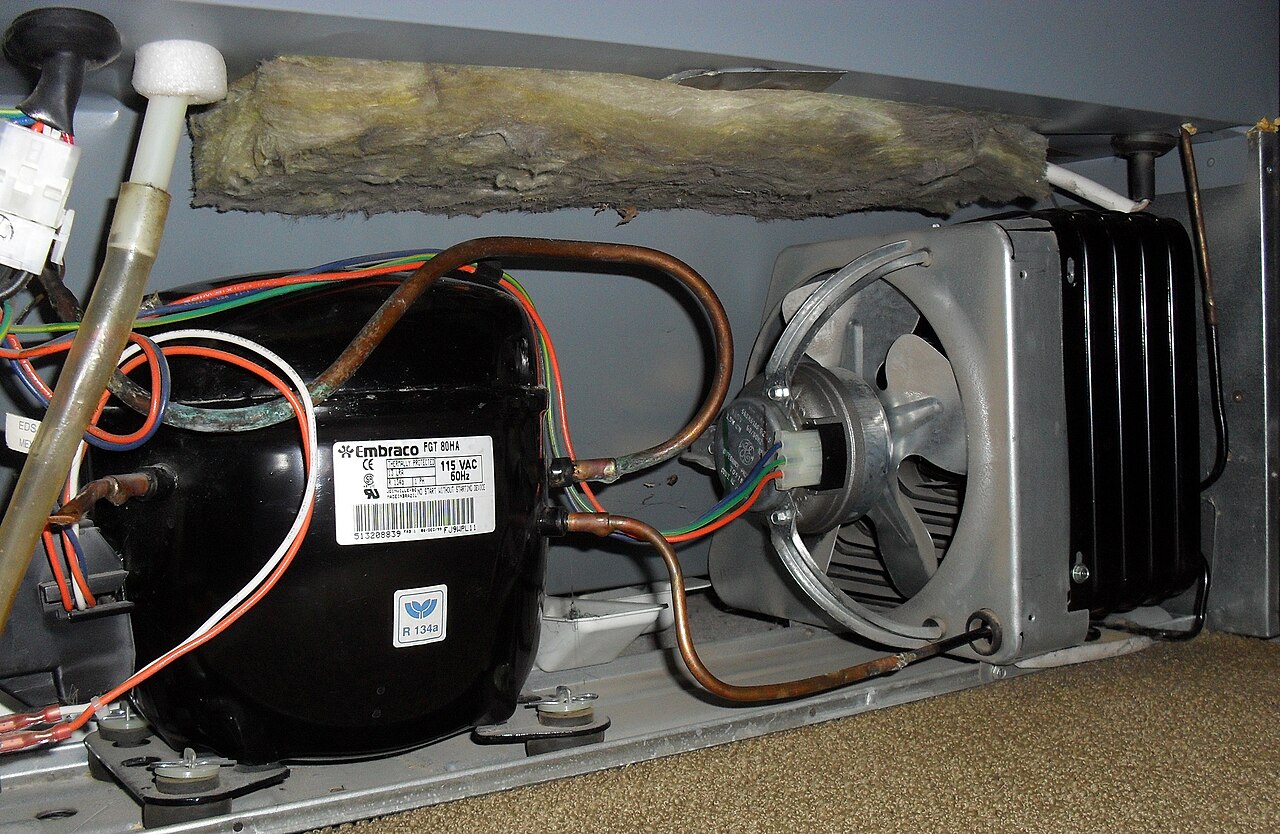
The coils on a refrigerator release heat to nearby air. That works best when fresh room air can reach the warm parts of the appliance and carry heat away. If a mini fridge is pushed tightly against a wall or packed into a cubby with little clearance, the same pocket of warm air can linger around the coils. The fridge then tries to cool its inside while surrounded by heat it has already removed.
That trapped warmth can lead to longer run times. The compressor may switch on more often, stay on longer, or sound louder because the system is fighting a poorer heat-transfer environment. In a tiny room, this can also add a little more warmth to the surrounding space, especially if the fridge is already working hard.
Manufacturers usually specify clearance distances in the manual because compact refrigerators are not all built the same way. Some release heat mainly through the back. Others use side panels, bottom vents, or fan-assisted airflow. The safe general habit is to avoid treating a mini fridge like a storage shelf that can be boxed in on every side.
Good placement is simple: keep vents uncovered, leave breathing room where the manual calls for it, and avoid putting the appliance next to heaters, sunny windows, or electronics that also release heat. The refrigerator will still have to move heat, but it will not be trying to throw that heat into a pocket where it cannot easily leave.
The thermostat dial is not the same as the real temperature
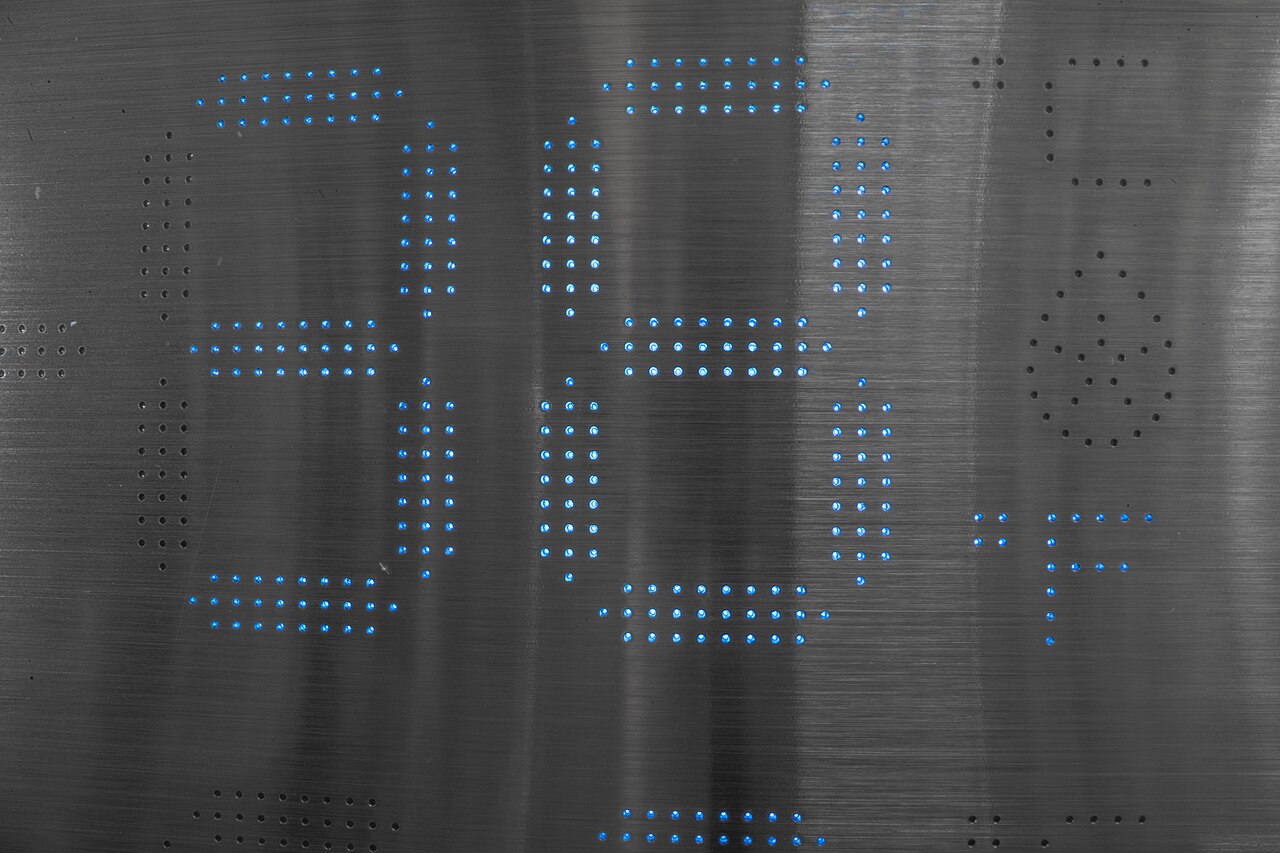
Many compact refrigerators have a dial marked with numbers rather than exact temperatures. A higher number might mean colder, but it does not prove that milk, leftovers, or cut fruit are being held at a safe temperature. The dial only tells the appliance what setting to aim for. The real temperature depends on room conditions, door openings, food load, airflow, and how well the fridge is working.
For food safety, the important number is the actual temperature inside the refrigerator. The FDA advises keeping refrigerator temperature at or below 40°F, with freezers at 0°F. USDA Food Safety and Inspection Service guidance gives the same practical warning: food held above 40°F for too long can enter conditions where bacteria grow more quickly. A simple appliance thermometer is often more trustworthy than the built-in dial.
Mini fridges can be especially uneven because they are small and often have tight storage spaces. Items near a tiny freezer compartment may get too cold, while food in the door or front area may warm more quickly when the door opens. If the fridge is used mostly for sealed drinks, the risk is lower. If it stores leftovers, dairy, deli meat, cooked rice, cut fruit, or other perishable foods, temperature matters more.
Packing changes how well cold air moves
A refrigerator cools food partly by moving heat from the food into cold air and then from that air into the cooling surfaces. When a mini fridge is packed so tightly that air cannot move, cooling becomes less even. The back may be very cold while items near the front or door stay warmer. The fridge may also recover more slowly after the door has been open.
This does not mean an empty refrigerator works best. A moderate amount of cold food and drink can help stabilize temperature because those items hold thermal energy and warm slowly. The problem is overpacking, especially when containers block vents, press directly against the cooling plate, or leave no space between items. Cold storage works better when air can move around the food instead of being trapped in separate little pockets.
Door habits matter too. Each opening lets warm, moist room air enter. The warm air adds heat. The moisture can freeze on cold surfaces, especially in compact models with small freezer sections or manual defrost designs. More frost can act like an insulating layer, making heat transfer worse and reducing usable space.
The practical fix is not fussy. Keep the door closed when possible, let hot food cool safely before storing it, avoid blocking vents or cooling plates, and defrost when the manual says frost has built up too far. A mini fridge is small, so small habits make a visible difference.
Efficiency is really about reducing extra work
ENERGY STAR notes that certified refrigerators are more efficient than models that merely meet the federal minimum standard, but product choice is only one part of the story. Even an efficient refrigerator can waste energy if it is placed poorly, set colder than needed, loaded awkwardly, or forced to cool warm air again and again. Efficiency is not magic inside the compressor. It is the result of reducing unnecessary work.
A colder setting may seem safer, but colder is not always better. If drinks freeze, lettuce wilts from cold damage, or the tiny freezer crusts over quickly, the fridge may be overcorrecting. If the thermometer shows temperatures above 40°F, the setting, placement, or appliance condition needs attention. The goal is not the coldest possible box. It is steady, safe cooling without making the system fight its surroundings.
Cleaning also matters when coils are accessible. Dust acts like a blanket over the part of the appliance that is supposed to release heat. Before cleaning, the refrigerator should be unplugged and the manual should be checked, because designs vary. The physics, though, is straightforward: cleaner heat-release surfaces transfer heat more easily.
The small-room lesson hidden in a small appliance
A mini fridge is a compact lesson in thermodynamics. It cools the inside by warming the outside. It depends on pressure changes, phase changes, airflow, insulation, and temperature measurement. It also shows why everyday devices behave differently when real rooms, real habits, and tight spaces enter the picture.
That is why a good setup is not just about finding an outlet and a flat surface. Leave the fridge room to breathe. Keep the door gasket clean and closed. Give cold air a path inside. Check the temperature with a thermometer instead of trusting a vague dial. Store perishable foods only when the fridge can hold them safely.
The appliance may be small, but the idea behind it is big: cooling is never just about what happens inside the box. Heat always has to go somewhere. A mini fridge works best when that somewhere is not blocked by a wall, a blanket, a stack of supplies, or a room setup that leaves the warm side with nowhere to send its heat.