 Akshay Dinesh
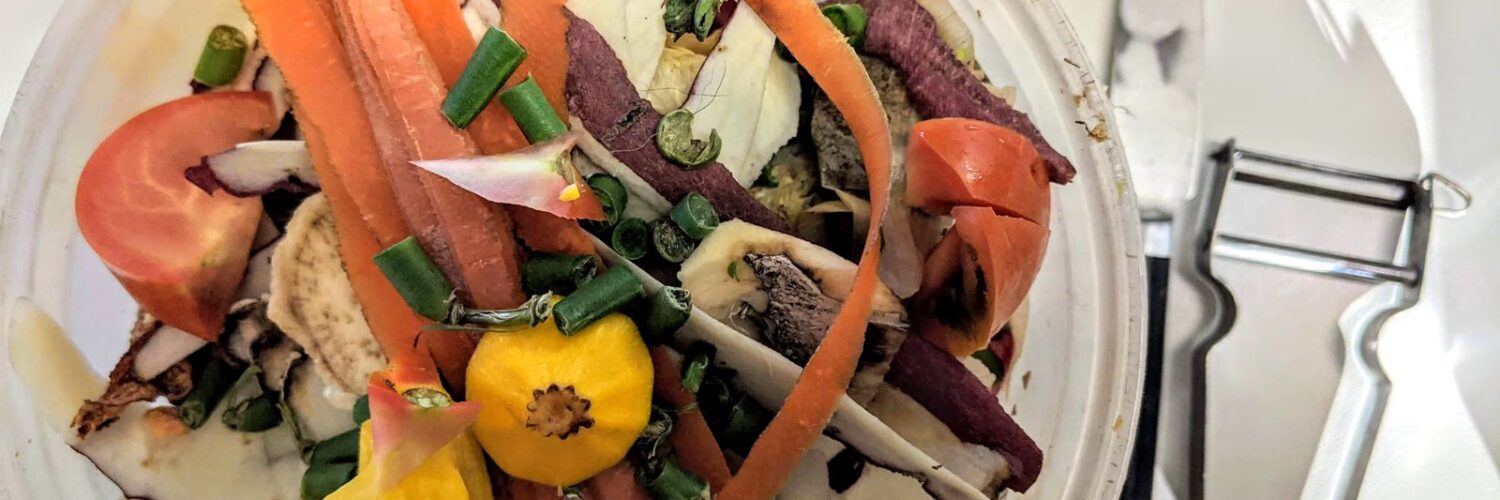
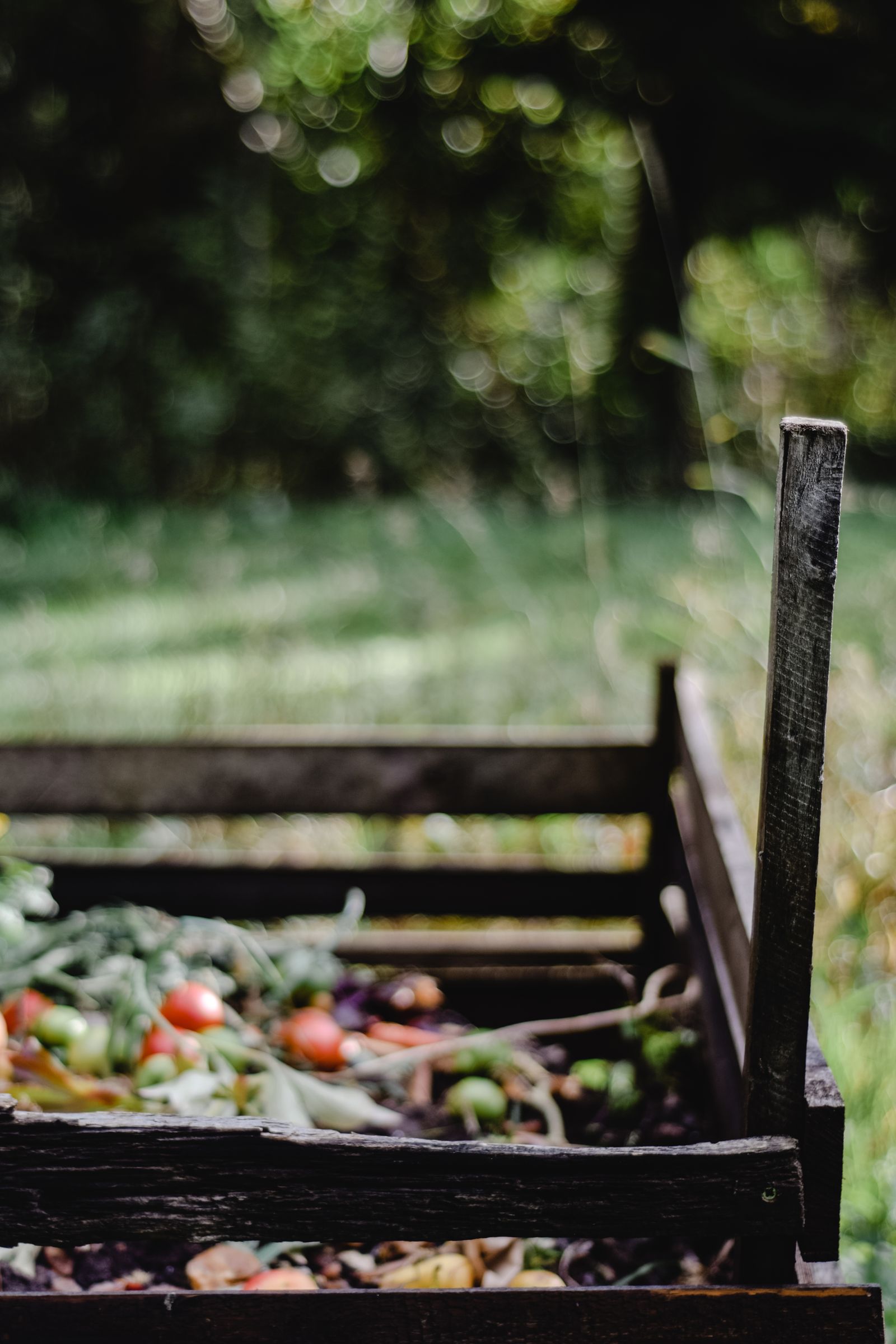
A banana peel, a handful of coffee grounds, and a pile of dry leaves can look like ordinary waste. Given the right conditions, though, they become part of a living process. Composting turns organic material into a dark, crumbly soil amendment by giving decomposers the air, water, and food balance they need to work steadily.
The idea is simple, but the science is richer than it first appears. A compost pile is not just a trash heap outdoors. It is a managed habitat for bacteria, fungi, and other decomposers that break large pieces of plant and food material into smaller compounds. When the process works well, nutrients that might have been buried in a landfill return to soil where plants, microbes, and garden ecosystems can use them again.
Composting Is Controlled Decomposition
All organic matter decomposes eventually. Fallen leaves soften, fruit collapses, and dead roots disappear into the ground because living organisms take them apart. Composting speeds up and organizes that natural recycling process instead of leaving it entirely to chance.
The U.S. Environmental Protection Agency defines composting as managed aerobic biological decomposition. The word aerobic matters because it means oxygen is present. In a healthy compost pile, air spaces let oxygen reach the microbes doing most of the work. Those microbes use carbon-rich and nitrogen-rich material as food, release heat as they grow, and gradually transform the pile into a more stable material.
Fresh scraps are still biologically active. They may be wet, smelly, recognizable, and attractive to pests. Finished compost is different. It is more stable, usually darker, and closer to an earthy texture than to the original banana peels, vegetable stems, or dry leaves that went into the pile.
The Pile Needs Food, Air, and Moisture
Compost piles work best when they have a useful balance of materials. Gardeners often describe this as a mix of browns and greens. Browns are carbon-rich materials such as dry leaves, straw, shredded plain paper, cardboard, or small wood chips. Greens are nitrogen-rich materials such as fruit scraps, vegetable peels, coffee grounds, tea leaves, fresh grass clippings, and many plant trimmings.
That balance gives microbes both energy and building material. Too many wet food scraps can make a pile dense and sour because air cannot move through it easily. Too many dry leaves can slow the process because microbes need enough nitrogen and moisture to grow. The pile does not need perfect measuring, but it does need enough dry, airy material to keep fresh scraps from becoming a wet mat.
Moisture is just as important. A bone-dry pile slows down because decomposers need water. A soaking pile can lose oxygen and start smelling rotten. A good working pile often feels like a wrung-out sponge: damp enough for microbial activity, but not dripping. Turning or loosening the pile helps restore air spaces, especially when the center becomes compacted.
Temperature can also reveal what is happening. In larger or well-balanced piles, microbial activity can warm the center. Commercial composting often uses high-temperature, or thermophilic, conditions that help reduce pathogens and weed seeds. Backyard compost piles may not always heat as dramatically, but they still rely on the same basic relationships among food, air, moisture, and decomposer activity.
Landfills Change the Chemistry
Food scraps do not stop decomposing when they are thrown away. The difference is what surrounds them. In a landfill, organic material can be buried under layers of trash where oxygen is limited. Under those anaerobic conditions, bacteria break down food and yard waste in ways that generate methane.
That is one reason composting has become part of many waste-reduction plans. EPA data show that food is the single most common material sent to U.S. landfills, and wasted food is responsible for a large share of landfill methane emissions. The agency reported that municipal solid waste landfills were the third-largest human-related methane source in the United States in 2022, and that wasted food accounted for 58 percent of landfill methane emissions.
Composting is not magic, and preventing food waste comes first. A vegetable that is eaten does more good than one that is composted. Still, some scraps are unavoidable: peels, cores, stems, coffee grounds, and spoiled leftovers that cannot safely be eaten. Composting gives those leftovers a better ending than being sealed into a low-oxygen landfill cell.
Compost Feeds Soil, Not Just Plants
Compost is often described as fertilizer, but that can be misleading. Fertilizer usually means a product added mainly for plant nutrients such as nitrogen, phosphorus, and potassium. Compost can add nutrients too, but its bigger value is what it does for soil structure and soil life.
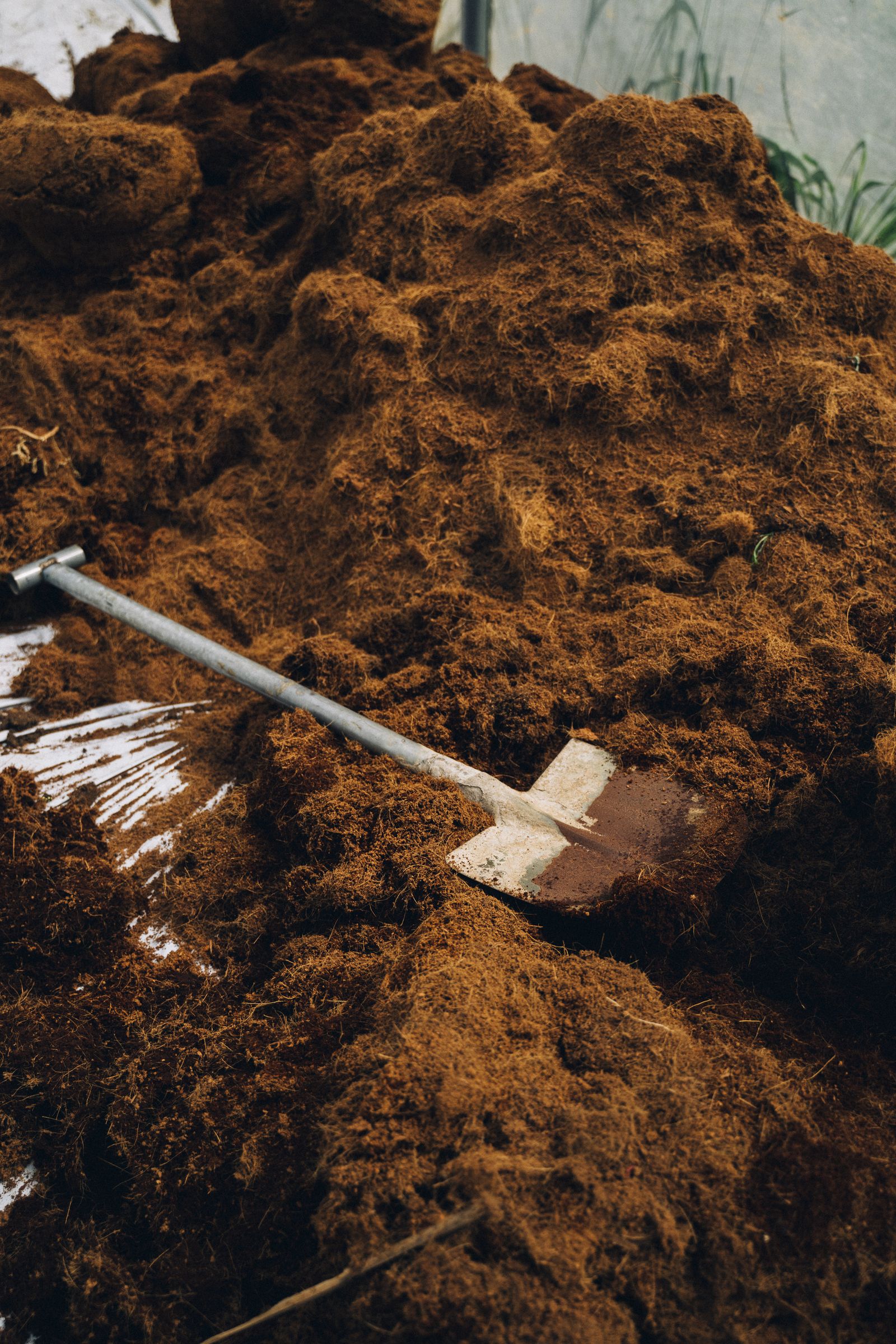
Finished compost adds organic matter, which helps soil hold water and makes it easier for roots to grow. In sandy soil, organic matter can improve water retention. In heavy clay soil, it can help create better pore space so water and air move more easily. Those changes are especially valuable because plants depend on the physical condition of soil, not only on the nutrients dissolved in it.
Compost also supports a more active soil community. Microbes, fungi, and tiny soil animals help cycle nutrients and break down organic matter over time. A soil with more organic material can be more resilient during both heavy rain and dry spells because it absorbs and holds water differently from compacted, depleted soil.
The benefits extend beyond backyard gardens. Compost can be used in landscaping, stormwater projects, farms, restoration work, and roadside plantings. USDA has supported composting and food-waste reduction projects that connect compost to community gardens, school gardens, food recovery, and local soil improvement. That wider use matters because composting works best when it is treated as part of a local material cycle, not just a private household habit.
Good Composting Starts With Sorting
The hardest part of composting is often not the biology. It is sorting. A clean compost stream is much easier to manage than a pile mixed with plastic bags, produce stickers, coated packaging, glass, or metal. Even tiny contaminants can create problems when finished compost is spread on soil.
For home composting, fruit and vegetable scraps, coffee grounds, eggshells, plain paper, dry leaves, and small plant trimmings are common choices. Meat, fish, oily foods, and dairy can attract pests and create odor problems in many backyard systems, so local guidance often tells households to avoid them unless a municipal or commercial program accepts them. Compostable packaging can be tricky too; some items require industrial conditions and may not break down in a backyard bin.
Local rules matter because composting systems differ. A small worm bin, a backyard pile, a community drop-off, and a commercial facility can accept different materials. Some programs want food scraps in paper bags. Others allow certified compostable liners. Some reject all packaging, even if it says compostable. Checking the local list prevents wishful sorting from becoming contamination.
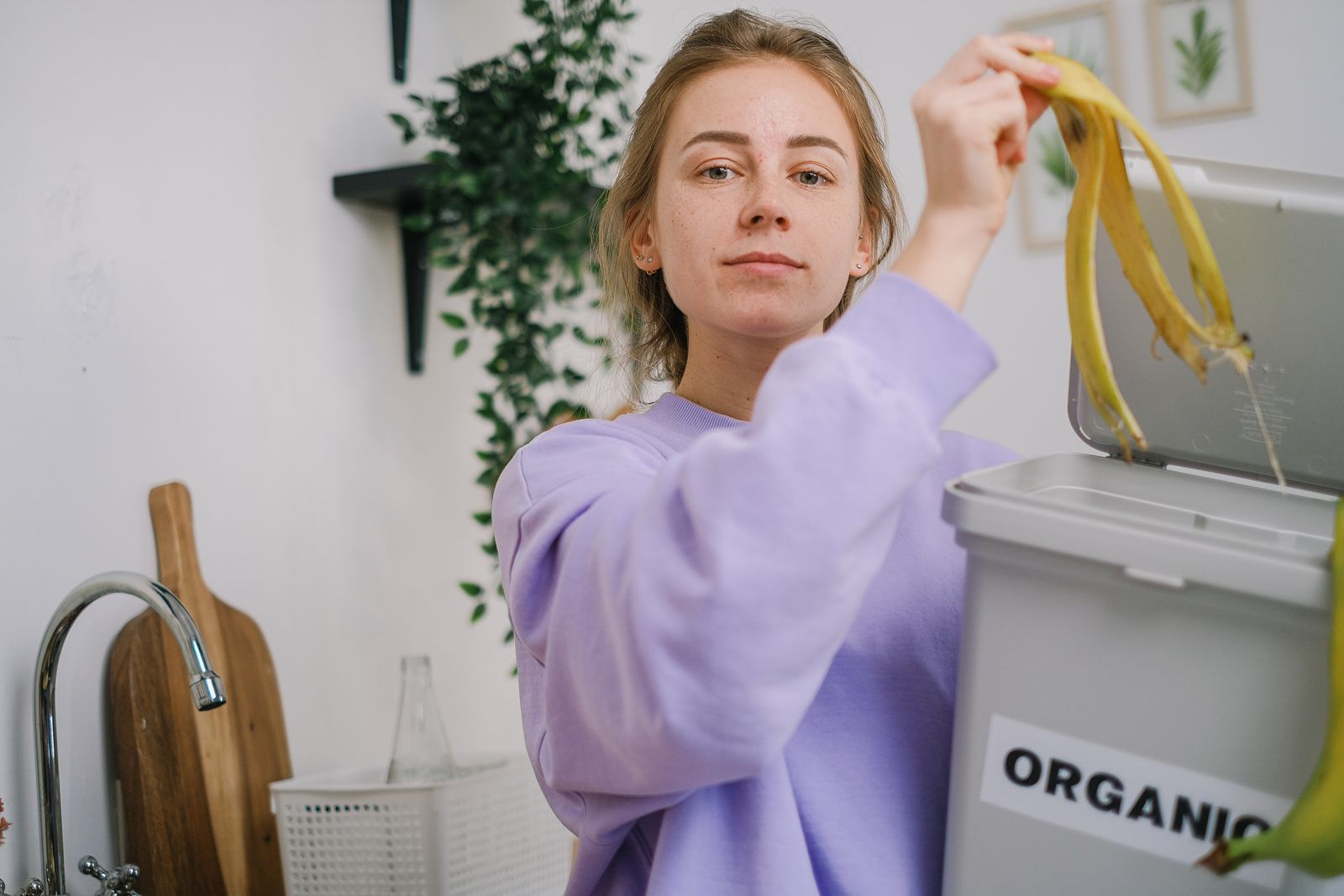
A simple household routine can make composting easier. Keep a small kitchen container for accepted scraps, empty it often, and cover wet food with dry leaves, shredded paper, or another brown material when it goes into the outdoor bin. The goal is not to create a perfect miniature ecosystem every day. The goal is to keep oxygen, moisture, and materials in a workable range so decomposers can keep doing their quiet work.
A Small Habit With a Larger System Behind It
Composting is sometimes presented as a personal virtue, but it is better understood as a system. Households can separate scraps. Cities can provide collection. Schools can teach sorting and use compost in gardens. Farms, landscapers, and restoration projects can use finished compost where soil needs organic matter. Each step only works well if the others are designed carefully.
A University of Illinois study of curbside organics collection in New South Wales found that households redirected organic waste into composting when programs made sorting convenient. The researchers estimated methane reductions from moving organic waste from landfill to compost, while also noting that reducing waste in the first place would bring even greater benefits. That distinction is important. Composting is not a license to waste food. It is a recovery path for the scraps that remain after better planning, storage, donation, and eating have done their part.
At its best, composting changes how waste is imagined. Food scraps are not simply gone when they leave the kitchen. They either become part of a landfill problem or part of a soil solution. A compost pile makes that choice visible: yesterday’s peels and leaves become tomorrow’s darker, richer ground.