
 Akshay Dinesh
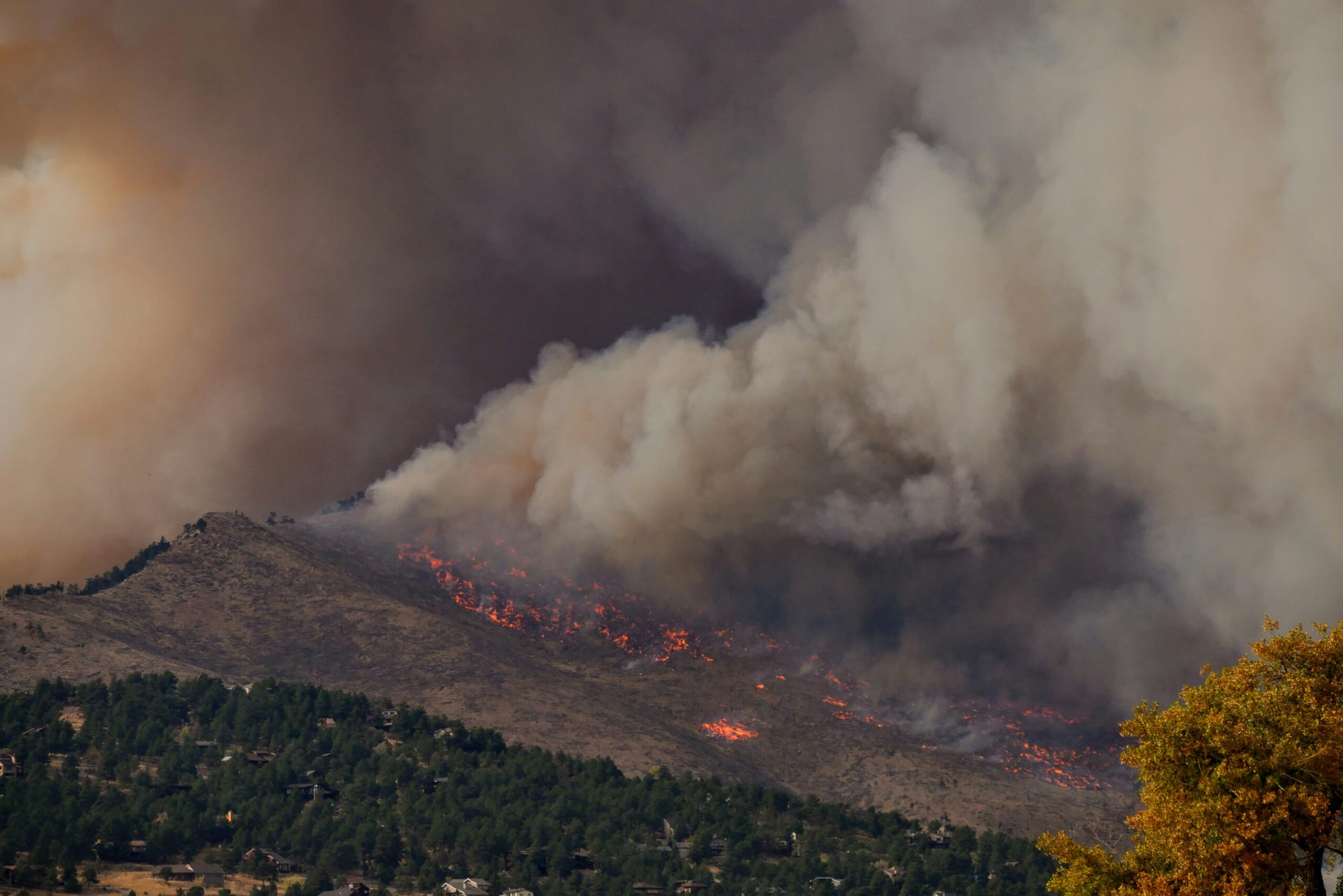
Wildfire smoke does not stop at the front door. Even when windows are closed, fine particles can slip through small leaks, gaps around doors, bathroom fans, kitchen vents, window air conditioners, and heating or cooling systems that bring in outside air. That is why public health guidance during smoke events often goes beyond “stay indoors.” The safer goal is to make at least one indoor space cleaner than the air outside, then spend more time there while smoke levels are high.
A clean air room is built around a simple idea: reduce how much smoky air enters, filter the particles that are already inside, and avoid creating more particles indoors. The U.S. Environmental Protection Agency recommends this approach during wildfire smoke events, especially for people who may be more affected by smoke, including children, older adults, and people with heart or lung conditions. It is not a replacement for evacuation when officials say to leave, and it does not make a home smoke-proof. But when it is safe to remain indoors, a well-chosen room with steady filtration can lower the amount of smoke people breathe.

Why smoke gets inside even when a home looks closed
Wildfire smoke is a mixture of gases and tiny particles, but the fine particles are the main reason indoor filtration matters. Particles called PM2.5 are small enough to stay suspended in air and small enough to move through cracks that would never look like open pathways. A closed window may block wind, sparks, and visible ash, yet still allow some outdoor air to leak around its edges. Homes are not sealed containers; they breathe through pressure changes, ventilation, and ordinary gaps in construction.
Pressure makes the problem worse. A bathroom exhaust fan, range hood, clothes dryer, or single-hose portable air conditioner can pull indoor air out of a house. When air leaves, replacement air has to come from somewhere, and during a smoke event that replacement may be smoky outdoor air pulled through cracks. Even central air systems can become a pathway if they are set to bring in outside air instead of recirculating indoor air.
This is why a smoke-readiness plan starts before the sky turns gray. The useful question is not only whether the home has air conditioning, but how the system moves air. During smoky periods, recirculation matters. So does knowing which rooms close off well, which windows leak badly, and which appliances pull air outdoors. A clean air room works best when those details are handled deliberately instead of discovered during the worst hour of smoke.
What makes a room cleaner than the rest of the house
The cleanest room is usually not the largest room. It is a room that can be closed off, cooled safely, and filtered continuously. A bedroom can work well because it may have a door, a manageable size, and space for people to rest. A room with an attached bathroom can be useful, as long as the exhaust fan is used carefully because exhaust can pull smoky air inward from other parts of the home.
Once the room is chosen, the first task is to reduce smoke entry. Windows and doors should be closed, and obvious gaps can be limited with practical short-term fixes such as towels at the base of a door. If a window air conditioner has an outdoor-air setting, that intake should be closed. If a central system has a fresh-air intake or economizer setting, it should not be pulling outside air during a heavy smoke episode unless a qualified building or HVAC professional has designed the system for that situation.
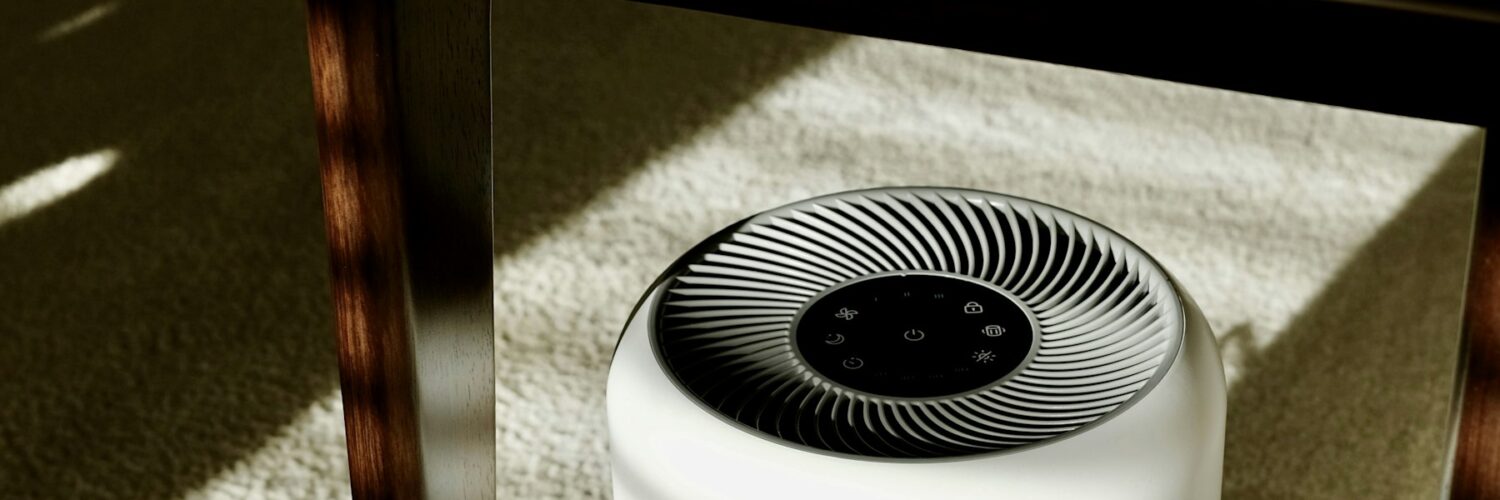
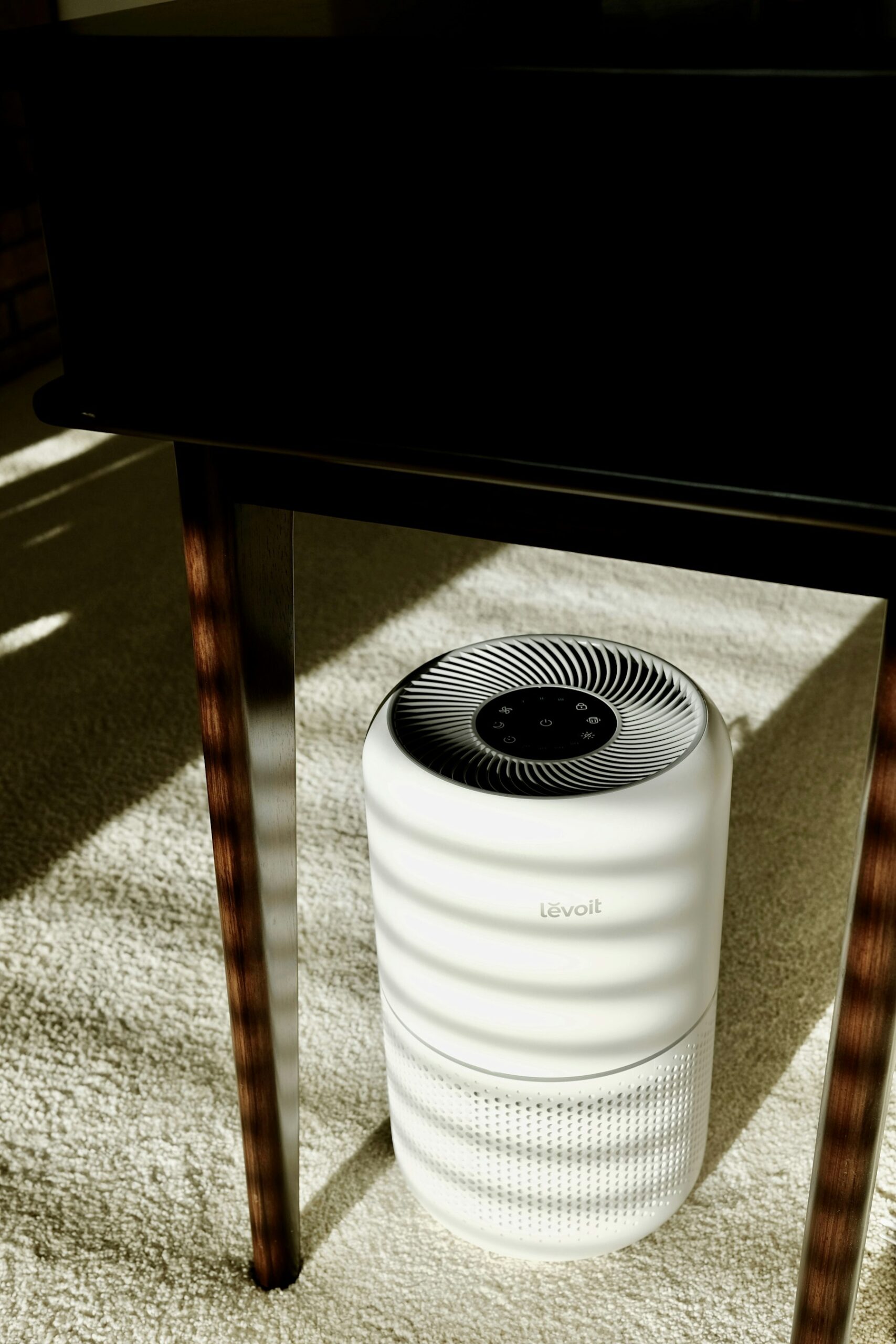
The second task is filtration. A portable air cleaner works by pulling room air through a filter and sending cleaner air back out. The same air passes through again and again, so the room gradually becomes cleaner than it would be without the device. This repeated circulation is why size matters. A small purifier in a large open living area may not move enough air to make a strong difference, while the same purifier in a closed bedroom may be much more useful.
Why HEPA and MERV numbers matter
Not every filter is built for smoke. A loose, low-efficiency filter may catch larger dust and lint while letting many fine smoke particles pass through. HEPA filters are designed to capture very small particles efficiently, which is why they are commonly recommended for portable air cleaners. The Centers for Disease Control and Prevention has summarized research showing that HEPA filtration can reduce indoor particulate matter during smoke-related conditions, including studies involving wood smoke and forest fire smoke.
Central heating and cooling systems use a different rating system called MERV, short for Minimum Efficiency Reporting Value. Higher MERV numbers generally mean the filter captures smaller particles more effectively. AirNow guidance notes that MERV 13 to 16 filters can sharply reduce indoor particles when the home system can handle them. EPA and ASHRAE guidance also point to MERV 13 as an important target for wildfire smoke filtration in compatible systems.
Compatibility is the quiet catch. A dense filter can make it harder for air to move through an HVAC system. If the system is not designed for that resistance, airflow can drop, equipment can strain, and cooling may suffer. That does not mean higher-efficiency filters are a bad idea; it means the filter has to fit the system. When possible, homeowners should check the system manual, filter slot, and manufacturer guidance, or ask an HVAC professional whether a MERV 13 or higher filter is appropriate.
During heavy smoke, filters also load up faster. A filter that looks clean during normal weather may become dirty much sooner during a long smoke episode. Replacing filters on schedule is helpful, but looking at them during smoke events matters too. A clogged filter does less useful work and can reduce airflow just when filtration is most needed.
What portable air cleaners can and cannot do
A good portable air cleaner can lower particle levels in the room where it is running. It does not clean the whole house unless the home is small, open, and the unit is powerful enough for that space. It also does not remove every part of wildfire smoke. Fine particles are the main target. Some devices include carbon or other sorbent filters for odors and gases, but performance for gases is more complicated and less standardized than particle filtration.
Ozone is another important limit. Some air cleaning devices intentionally produce ozone or can create it as a byproduct. Ozone is a lung irritant, so an air cleaner used for wildfire smoke should not add ozone to the room. EPA clean-room guidance advises choosing a portable air cleaner that does not produce ozone, and California’s certified air-cleaner list is one way consumers can check tested devices.
Clean air rooms also depend on behavior. Frying food, burning candles, smoking, vaping, using incense, spraying aerosols, or vacuuming with a non-HEPA vacuum can add particles to the room. During a smoke event, those indoor sources compete directly against the filter. The room becomes cleaner when the filter is running and new particles are kept low.
Where DIY air cleaners fit
Commercial portable air cleaners are more standardized because their performance can be tested as a complete product. Still, they can be expensive or hard to find during a smoke emergency. EPA research has examined do-it-yourself air cleaners made with a box fan and MERV 13 filters, including designs with one filter, multiple filters, and cardboard shrouds that improve airflow. The key finding is practical: well-built DIY units can reduce smoke particles, but their performance depends on the design and assembly.
Safety matters as much as airflow. EPA advises using newer box fans with safety markings, following manufacturer instructions, keeping the unit away from water, avoiding damaged cords, and not leaving older fans unattended. DIY air cleaners should be treated as temporary tools when tested commercial options are unavailable or unaffordable, not as permanent replacements for properly rated equipment.
The best DIY designs usually give the fan more filter surface area. A single filter taped flat to a fan can work, but adding more filters can reduce strain and move more air through the filter material. A cardboard shroud can also help by reducing air recirculation around the fan corners. None of that requires complicated chemistry or electronics; it is mostly about giving smoky air a better path through efficient filter media.
How to think during a smoky day
A clean air room is not a single object. It is a small system: a room that leaks less, a filter that runs continuously, an air conditioner or HVAC setting that avoids pulling in extra smoke, and habits that keep indoor particle sources low. The system works best when it is planned before the smoke arrives, because stores may sell out of filters and air cleaners during widespread smoke events.
Outdoor air can improve for a few hours and worsen again. AirNow, local air agencies, and emergency alerts help people decide when to limit outdoor activity, when to keep the clean room running, and when a home is no longer the safest place to stay. Heat also changes the decision. If a home cannot stay cool, if power goes out, or if smoke is still entering heavily, a public cleaner-air shelter or another safe indoor location may be the better choice.
The main lesson is that indoor air is adjustable. It is not perfect, and it is not separate from the outdoors, but it can be improved. During wildfire smoke, the biggest gains often come from ordinary choices made in the right order: close the pathway, recirculate the air, filter the particles, avoid adding new particles, and spend time in the room where those steps are working together.





Add comment