
 Akshay Dinesh
A boil water advisory is easy to underestimate because the water coming from the tap may look completely normal. It may be clear, cold, and free of any odd smell. The warning is not based on what a person can see in a glass. It means the water system has found, or has reason to suspect, a problem that could let harmful germs enter drinking water before it reaches homes, schools, restaurants, or businesses.
The basic instruction is simple: use bottled water or bring tap water to a rolling boil before using it for drinking, cooking, brushing teeth, making ice, washing dishes by hand, or preparing baby formula. The reason behind that instruction is more interesting. A boil water advisory is not a sign that every drop is definitely contaminated. It is a public-health precaution used when the normal barriers that keep drinking water safe may have been weakened.
Why a water system issues the warning
Modern drinking water depends on several layers of protection. Source water is treated, disinfected, tested, stored, and moved through pressurized pipes. When those layers work normally, the system keeps most disease-causing microbes out of the water people use. A boil water advisory usually appears when one of those protections is interrupted or uncertain.
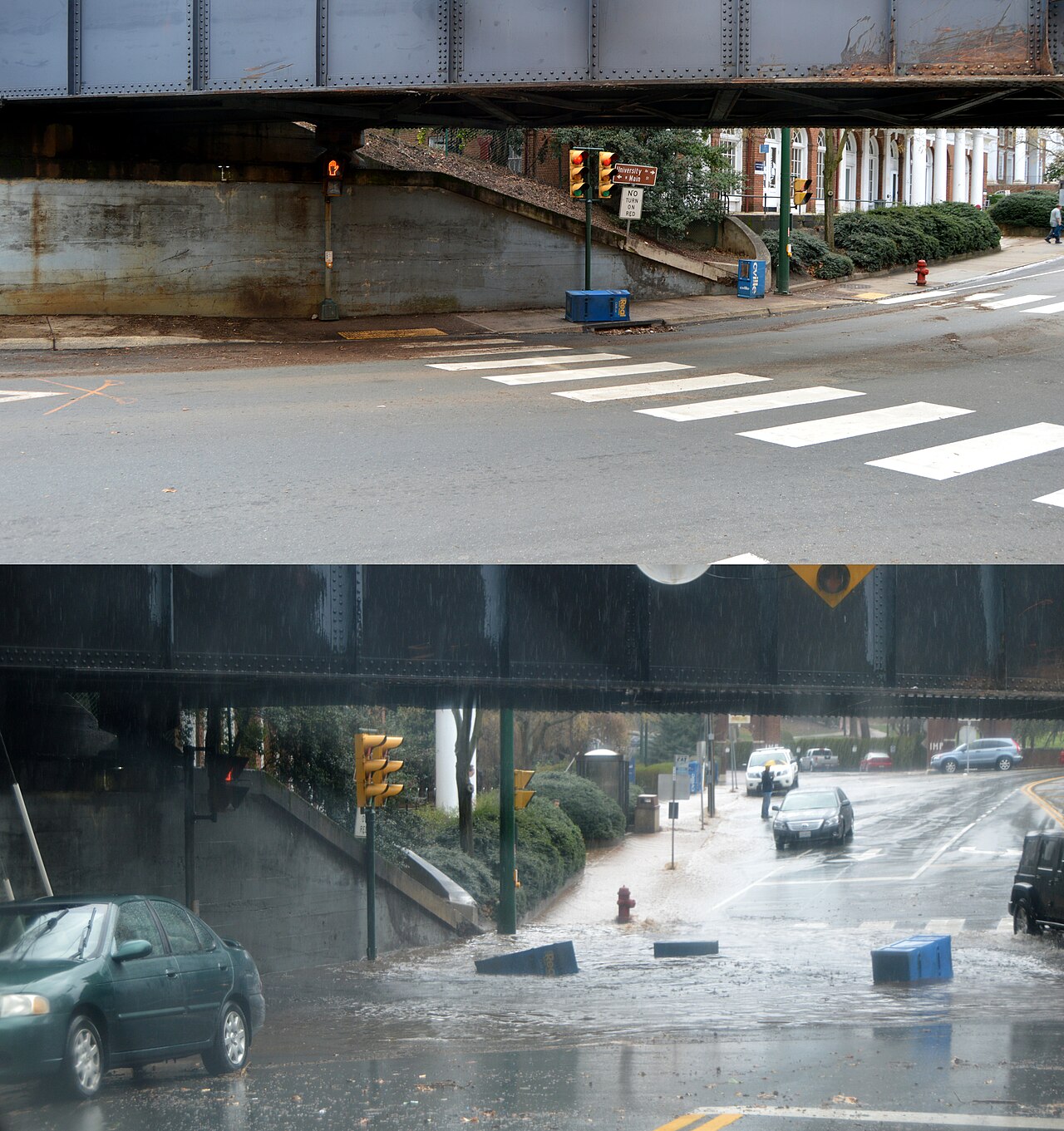
One common trigger is a drop in water pressure. Drinking-water pipes are designed to stay pressurized so water moves outward through the system. If a large main breaks, a pump fails, or a treatment plant loses power, pressure can fall. When that happens, cracks, joints, or damaged sections of pipe can allow dirty water from the surrounding soil, street flooding, or nearby leaks to be pulled into the distribution system.
Advisories can also follow treatment problems. If filtration or disinfection is not working properly, water may leave the plant without the level of protection expected under drinking-water rules. Sometimes heavy rain or flooding overwhelms source-water conditions, bringing more sediment, runoff, or microbes into the system than usual. In other cases, routine testing finds indicator organisms such as total coliform bacteria or E. coli, which suggest that contamination may have reached the water supply.
The U.S. Environmental Protection Agency describes boil water advisories as a way to protect the public when drinking water is, or is likely to become, contaminated with microbial pathogens. The Centers for Disease Control and Prevention groups boil water advisories with other drinking-water notices, including do-not-drink and do-not-use warnings. That distinction matters because not every water problem can be solved by boiling.
What boiling actually does
Boiling is used during many advisories because heat is a reliable way to kill or inactivate many disease-causing organisms. Bacteria, viruses, and protozoa can cause stomach cramps, diarrhea, vomiting, fever, and other illnesses when swallowed in unsafe water. Bringing water to a rolling boil gives heat enough time to damage the organisms that might otherwise survive in cool tap water.
CDC and EPA emergency guidance commonly tells households to bring water to a rolling boil for at least one minute, then let it cool before use. At elevations above 5,000 feet, EPA recommends boiling for three minutes because water boils at a lower temperature at high altitude. The water does not need to keep boiling for a long time after that. Once it has reached the recommended time at a rolling boil, the important next step is to store it in a clean covered container so it does not pick up contamination again.
Cloudy water takes an extra step. EPA guidance advises letting cloudy water settle, then filtering it through a clean cloth, paper towel, or coffee filter before boiling. That does not make the water safe by itself, but it removes some particles that can interfere with disinfection and makes the final water easier to use. If boiling is not possible, emergency disinfection with the right kind and amount of unscented household bleach may be recommended by public-health agencies, but local instructions should come first because bleach strength and water conditions vary.
Boiling is powerful, but it is not magic. It does not remove lead, fuel, pesticides, industrial chemicals, or radioactive materials. In some situations, boiling can make certain chemical contamination more concentrated because some water evaporates while the chemical remains. That is why a do-not-drink notice is different from a boil water advisory. If officials say the water may contain chemicals or toxins, bottled water or another safe source is the right choice unless the local health department gives different instructions.
How to use water during the advisory
The easiest rule is to think about whether the water could be swallowed. If it could enter someone’s mouth, use bottled water or properly boiled water. That includes drinking, mixing powdered drinks, preparing coffee or tea, rinsing fruits and vegetables, making soup, cooking pasta or rice, brushing teeth, and giving water to pets. Ice made before or during the advisory should usually be discarded because it may have been made from unsafe water.
Dishwashing depends on the method. A dishwasher with a sanitizing cycle and a hot final rinse may be acceptable under some local guidance, but handwashing dishes should be done with boiled or bottled water if the dishes will touch food or mouths. Baby bottles, pacifiers, and feeding equipment deserve extra care because infants are more vulnerable to dehydration and infection. Families using formula should follow local health guidance and, when possible, use ready-to-feed formula or bottled water that is appropriate for infant preparation.
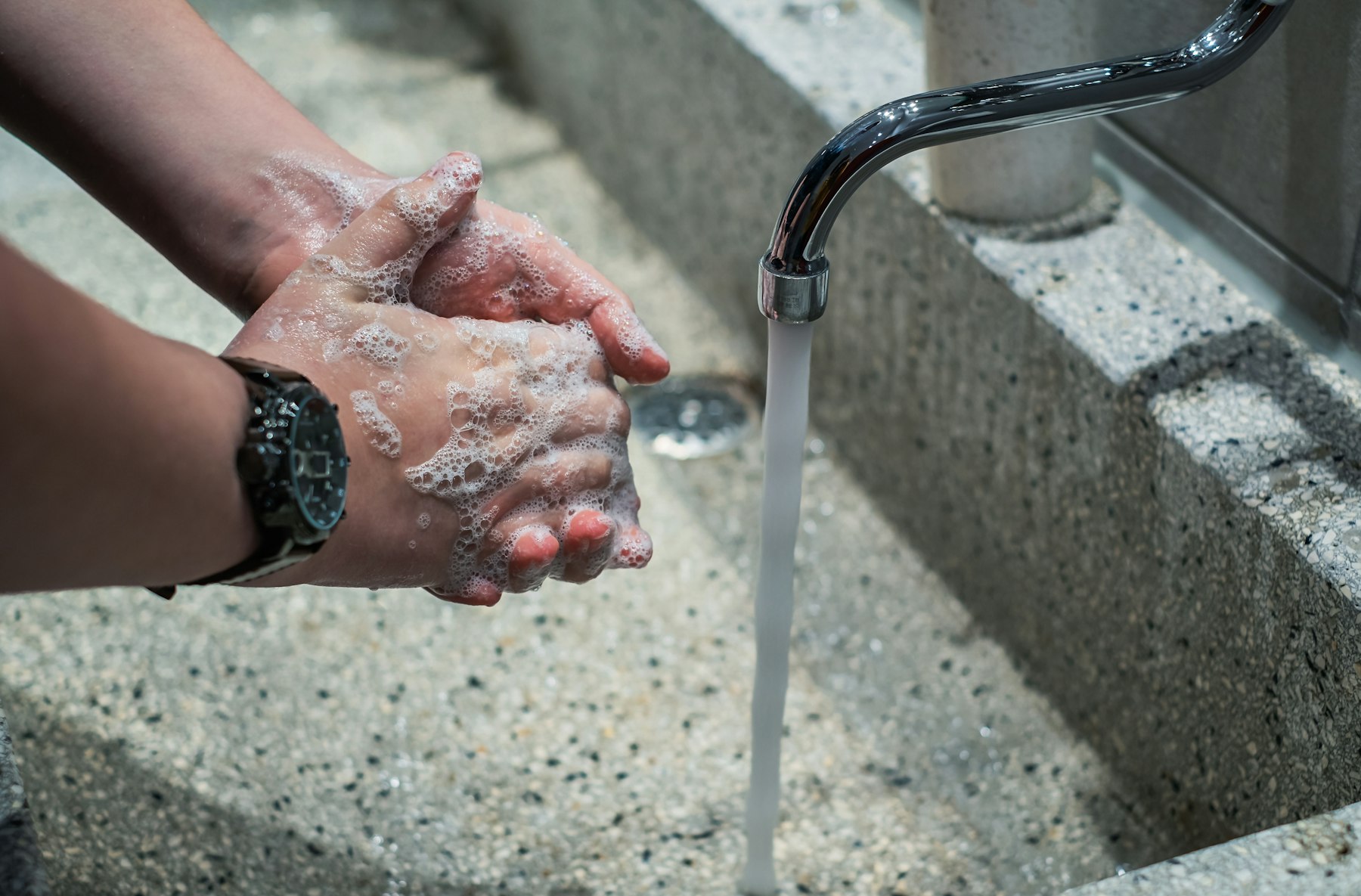
Handwashing is still important. CDC guidance generally says soap and tap water can be used for handwashing during many boil water advisories, especially when followed by thorough drying. If the advisory is severe, if hands will be used to prepare food for someone at higher risk, or if safe water is not available, an alcohol-based hand sanitizer can add a layer of protection after washing. The goal is not to avoid all contact with tap water. The goal is to avoid swallowing water that may contain germs.
Bathing and showering are usually allowed during a boil water advisory, but people should avoid swallowing water. Young children may need sponge baths because they are more likely to get water in their mouths. Anyone with open wounds, recent surgery, or a weakened immune system should follow more cautious local advice. A short shower is very different from drinking a glass of unboiled water, but the warning still calls for attention.
Why clear water can still be unsafe
One reason boil water advisories confuse people is that microbial contamination is often invisible. A glass of contaminated water may not be cloudy, brown, or smelly. Many waterborne organisms are too small to see, and a small number may still be enough to make someone sick. That is why public officials rely on pressure records, treatment data, inspection results, and laboratory tests rather than household appearance checks.
Indicator bacteria are part of that testing system. Total coliforms are a broad group of bacteria that can signal a pathway for contamination. E. coli is more concerning because it is associated with fecal contamination and can indicate that disease-causing organisms may also be present. A test result does not always prove that every building’s water is unsafe, but it can show that the system’s protective barriers need immediate attention.
Another confusing point is timing. Water systems often issue advisories before final test results are back. That can feel frustrating, especially if daily routines are disrupted, but it is a protective choice. Waiting until illness appears would defeat the purpose of the notice. Once repairs are complete, pressure is restored, flushing is finished, and follow-up samples meet safety standards, the advisory can be lifted.
Local instructions matter because water systems differ. A small rural system, a large city network, a school well, and a neighborhood affected by a single water-main break may all need different recovery steps. A notice may apply to an entire city, only one pressure zone, or a few blocks. The safest approach is to read the advisory carefully instead of relying on a general memory of what happened somewhere else.
What to do after the advisory ends
When officials lift a boil water advisory, it usually means the system has corrected the problem and testing shows the water meets safety requirements. That does not always mean every tap in every building is immediately ready without any action. Water that sat in household pipes, refrigerator lines, coffee makers, ice machines, or water softeners during the advisory may need to be cleared out.
Many local water systems recommend flushing cold-water taps for a period of time after an advisory ends, especially if the household was directly affected by a pressure loss or main break. Refrigerator water dispensers and ice makers may need special attention. Old ice should be thrown away, and the first new batch may also be discarded after the line has been flushed. Filters that were used during the advisory may need replacement if the manufacturer or local health department recommends it.
Appliances are easy to forget. Coffee makers, humidifiers, pet fountains, bottle warmers, and countertop ice machines may hold small amounts of untreated water. Cleaning or flushing them helps prevent yesterday’s unsafe water from becoming today’s quiet exposure. Restaurants, schools, child care centers, and medical offices usually follow more detailed reopening steps because they serve many people and may have larger plumbing systems.
The larger lesson is that drinking water safety is not only about treatment plants. It depends on pipes, pressure, disinfection, testing, public notices, household habits, and clear communication. A boil water advisory interrupts ordinary life, but it also gives people a practical way to reduce risk while the system is being repaired. The warning is not meant to create panic. It is meant to turn an invisible problem into a visible set of steps people can actually follow.




Add comment